Monreale
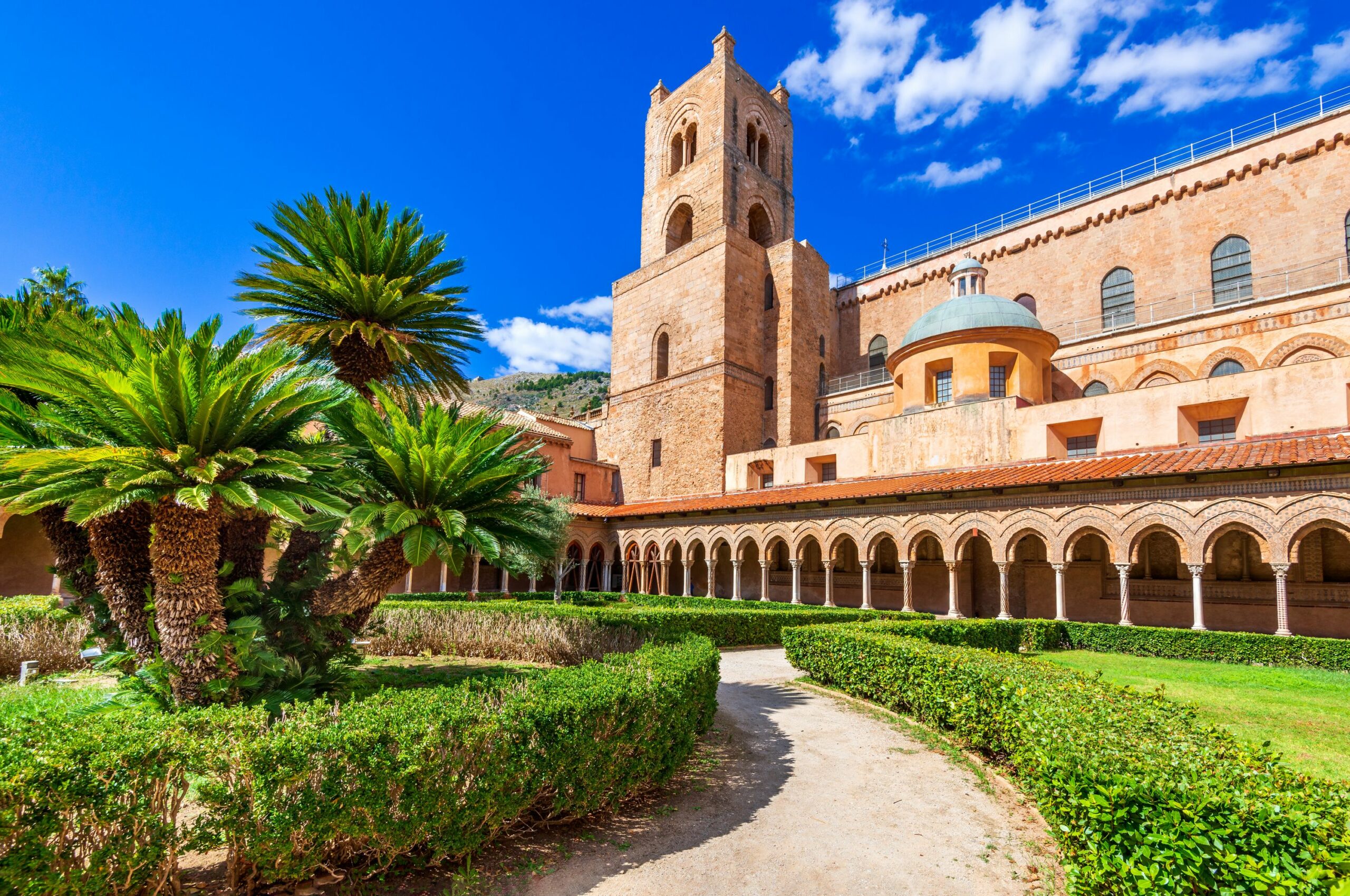
Monreale is a small town just outside Palermo, up on a hill with a sweeping view of the Golden Shell valley—think endless olive, orange, and almond trees. But let’s be real, everyone comes here for the Cathedral of Monreale. From the outside, it doesn’t look like much. Step inside, though, and it’s unforgettable. The Italian cloisters are massive and packed with intricate details, but the real showstopper is the mosaics. Almost every inch of the walls flashes with golden mosaic scenes, catching the light in a way you won’t forget.
Erice
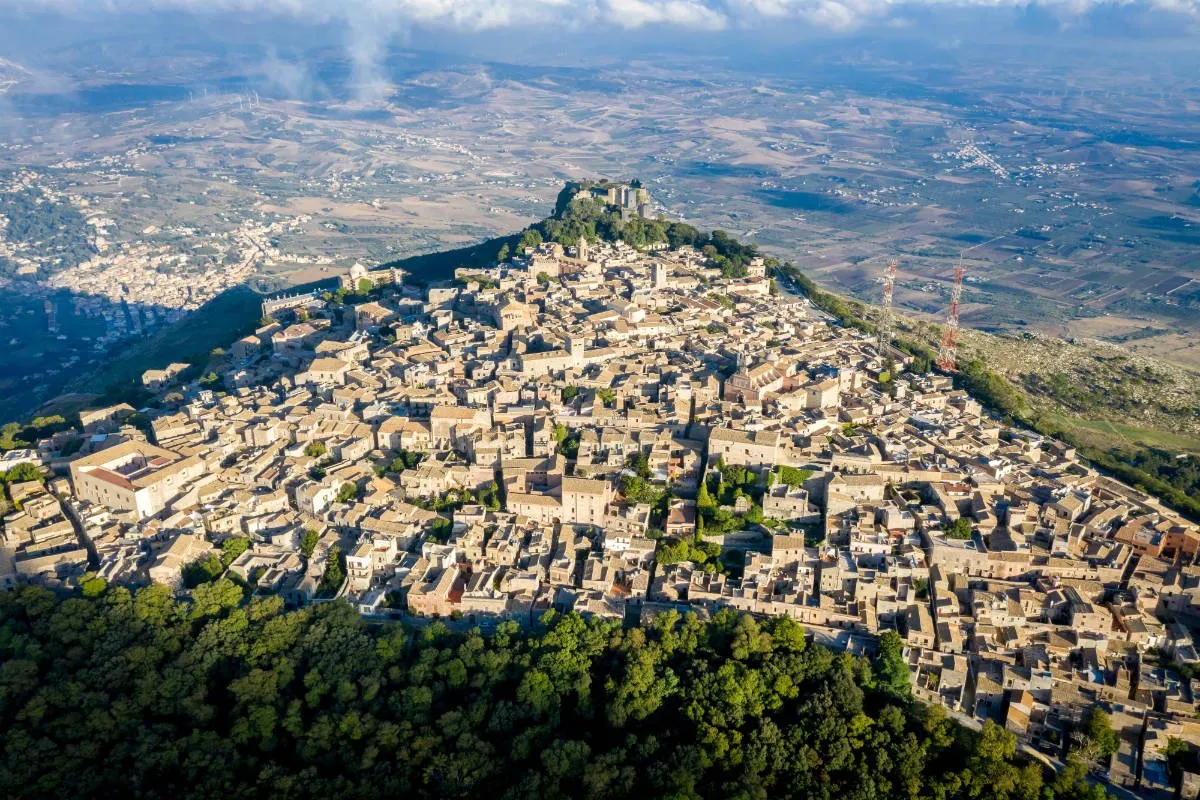
Erice sits right on top of Mount Erice, looking down at Trapani from almost half a mile up. The views alone make the trip worth it. You can take a cable car up from Trapani, and once you’re there, the air feels cool and fresh—no matter how hot Sicily gets in summer, Erice always gives you a break. The big draws are two medieval castles: one built by the Arabs, the other by the Normans, who actually built theirs right on top of an old Temple of Venus.
Doric Temple of Segesta
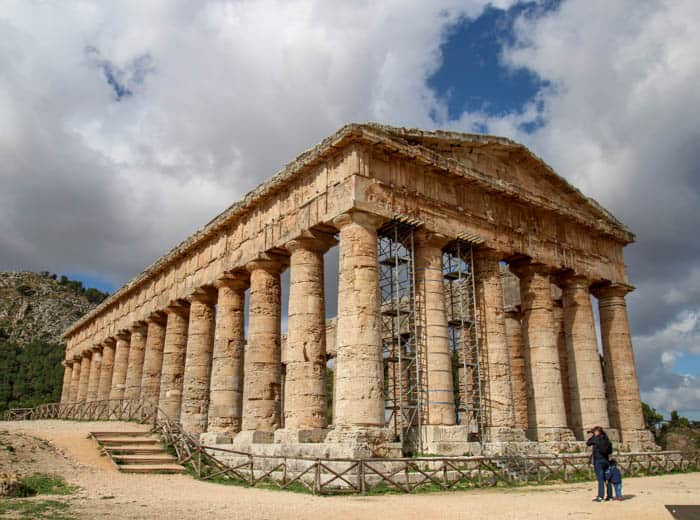
Northwestern Sicily’s Segesta used to be a major city for the Elymians, an ancient people who also founded Erice. Just outside the ruins sits the Doric Temple, which is shockingly well-preserved for something built in the late 5th century BC. It’s got 6 by 14 Doric columns, but look closer: the columns aren’t fluted, and there was never a roof over the main chamber. It looks like the builders never finished. The best part? The temple sits on a hill, with views that stretch all the way to the sea—a perfect spot to just pause and take it all in.
Villa Romana del Casale
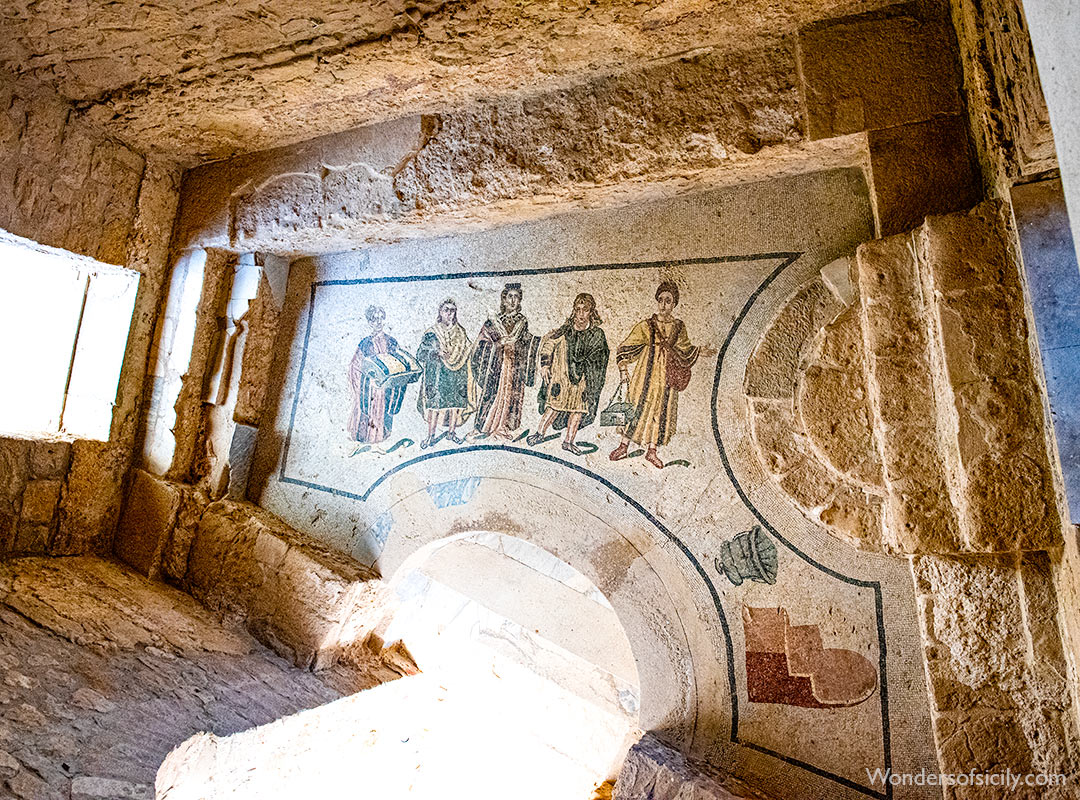
On the edge of Piazza Armerina, in Sicily’s southern heartland, you’ll find Villa Romana del Casale. It’s one of those must-see places, especially if you like ancient history. This 4th-century Roman villa holds one of the world’s biggest and best-preserved collections of mosaics. Each main room has its own themed mosaic floor, from the wild scenes in the main bedroom to the famous mosaic of the Olympic games—the first place anyone ever depicted women in what we now call bikinis.
Syracuse
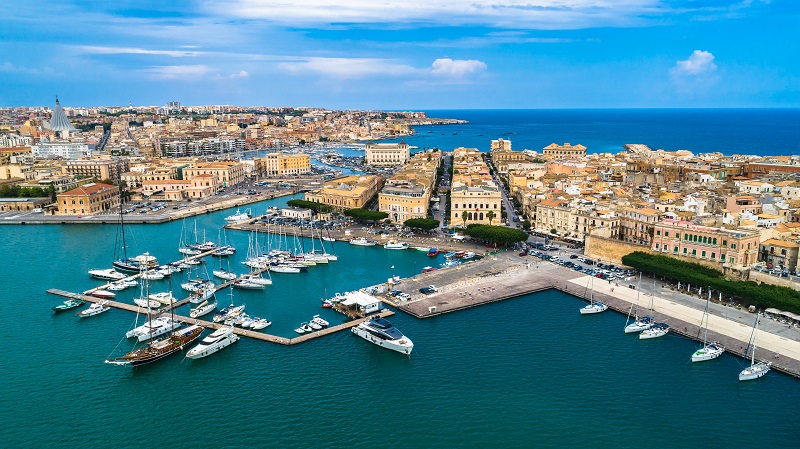
Syracuse—or Siracusa, if you want to sound Italian—was once the most important city in the ancient Western world. It’s been around for 2,700 years, shows up in the Bible, in Cicero’s writing, and in a bunch of old legends. The oldest part, Ortigia, is an island packed with ancient temples, churches, and archaeological sites, including a necropolis from as far back as 1270 B.C. The city still puts on shows at its 5th-century Greek Theatre, which has one of the biggest seating areas the Greeks ever built.
Palermo
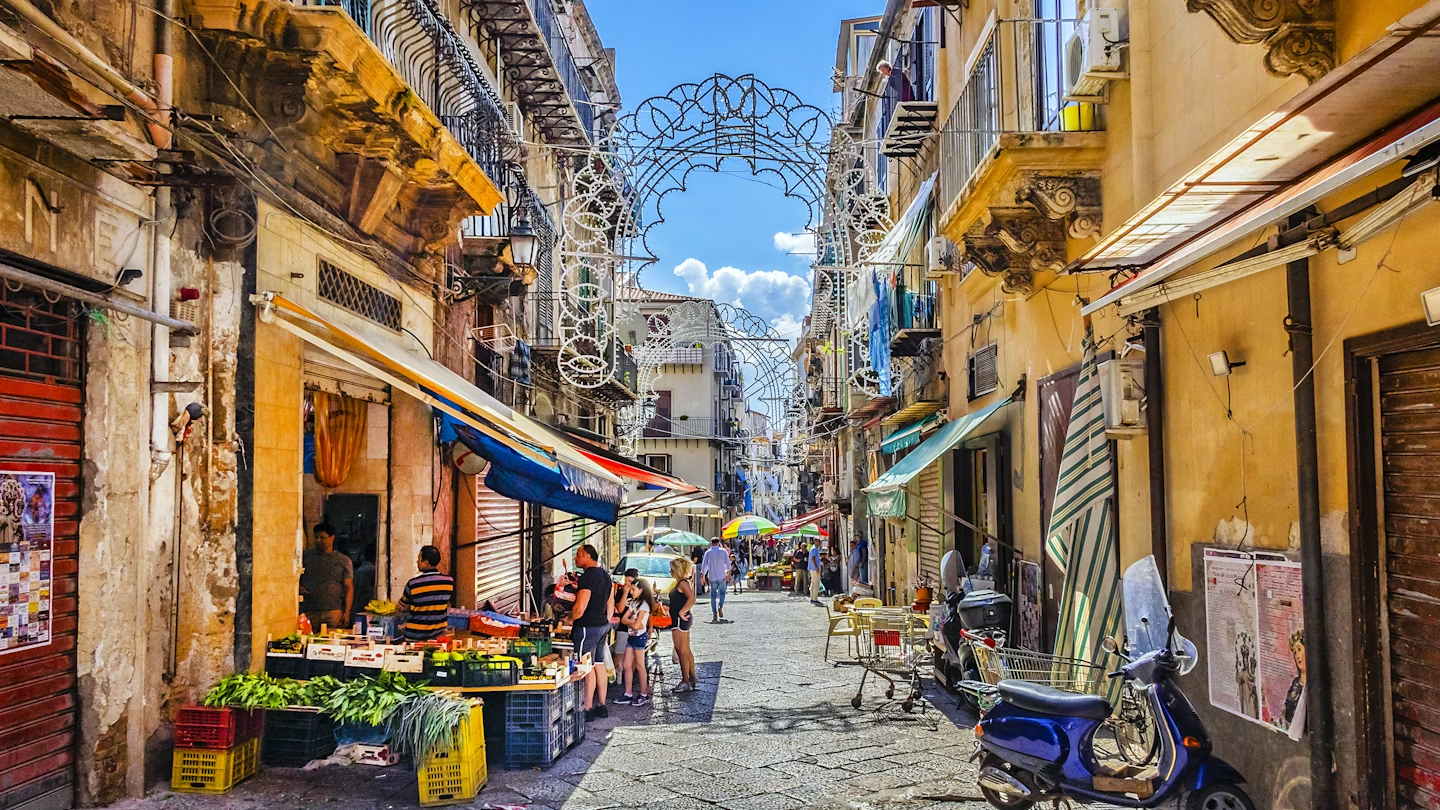
Palermo, Sicily’s buzzing capital, has roots going back nearly three millennia. The Phoenicians founded it, but it really thrived under Arab rule when people called it the “city of delights” because of its gardens and architecture. These days, Palermo is famous for its lively street markets—loud, colorful, and packed with energy. You’ll also find great museums and historic churches if you look past the chaos. The Catacombe dei Cappuccini is the city’s top attraction: an underground maze filled with open crypts below a Capuchin monastery. Some of the 8,000 mummified bodies are so well-preserved it’s both fascinating and a little eerie.
Aeolian Islands
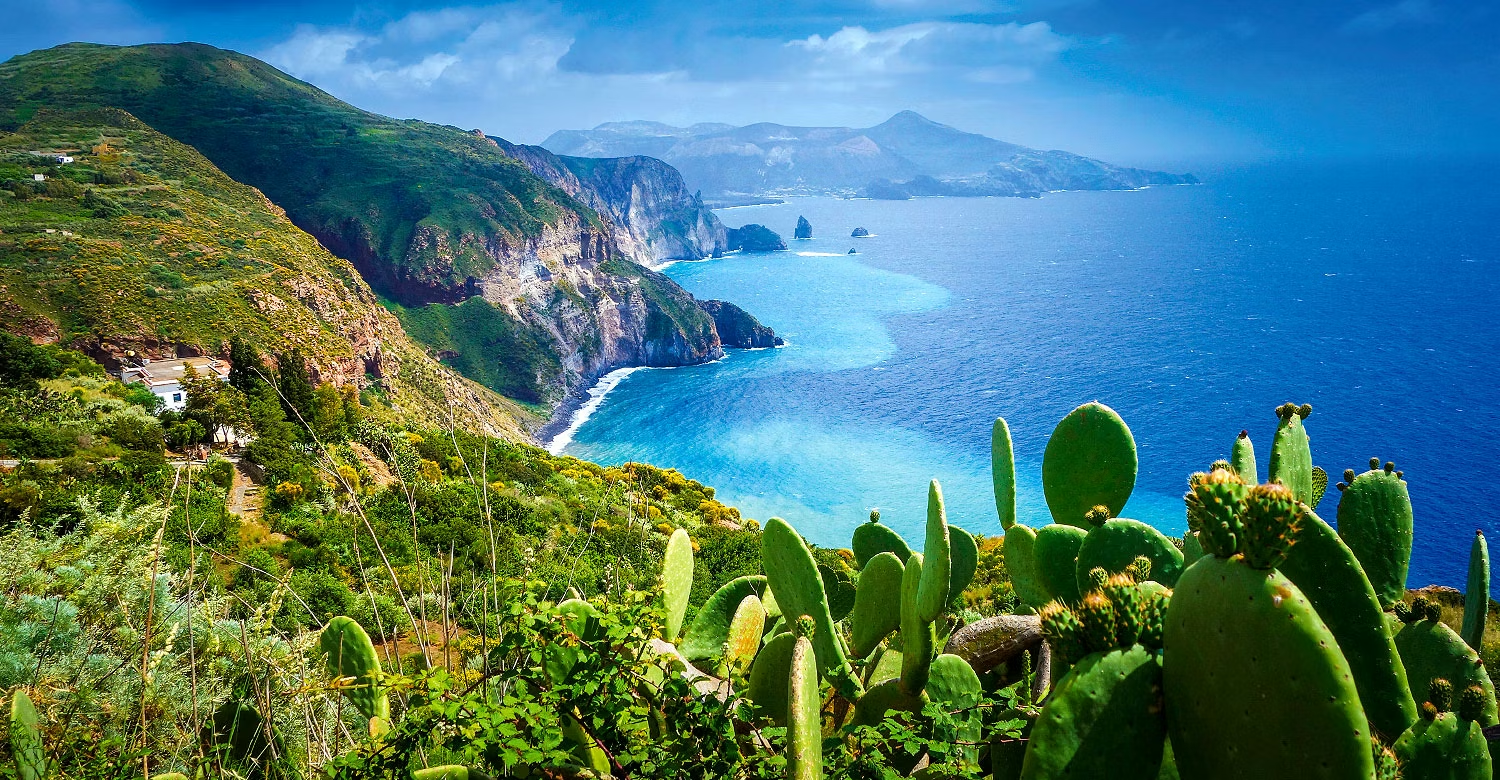
Off Sicily’s northern coast, the Aeolian Islands pull in about 200,000 visitors every year. Seven islands make up the group, all born from volcanic and seismic forces. Adventurous types love climbing the active volcanoes on Stromboli and Vulcano. But honestly, most people come for the classic white-washed villages and the upscale resorts. With steaming fumaroles all over, you can soak in bubbling mud pools or just kick back in hot thermal waters. It’s the kind of place where relaxing comes naturally.
Taormina
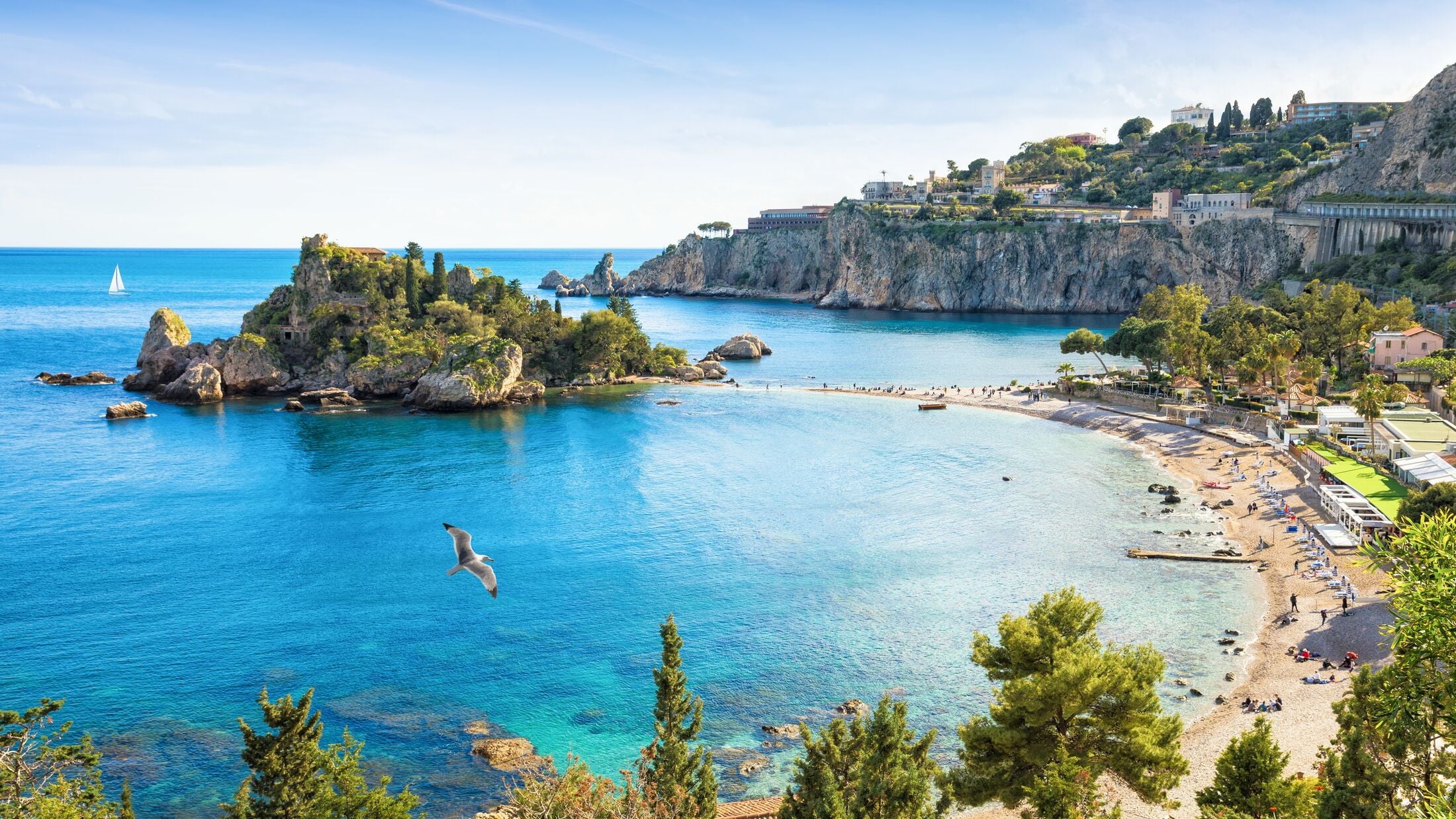
Taormina clings to a cliff on Sicily’s east coast, not far from Mount Etna. It’s been a favorite for travelers since the 1800s, and it’s easy to see why. The beaches nearby are gorgeous, and getting there on the aerial tram is part of the adventure. The real highlight, though, is the Teatro Greco. The amphitheater’s architecture is Roman, but its layout hints at older Greek roots. Either way, it’s an unforgettable spot—especially with that view of the sea and Etna in the background.
Mount Etna
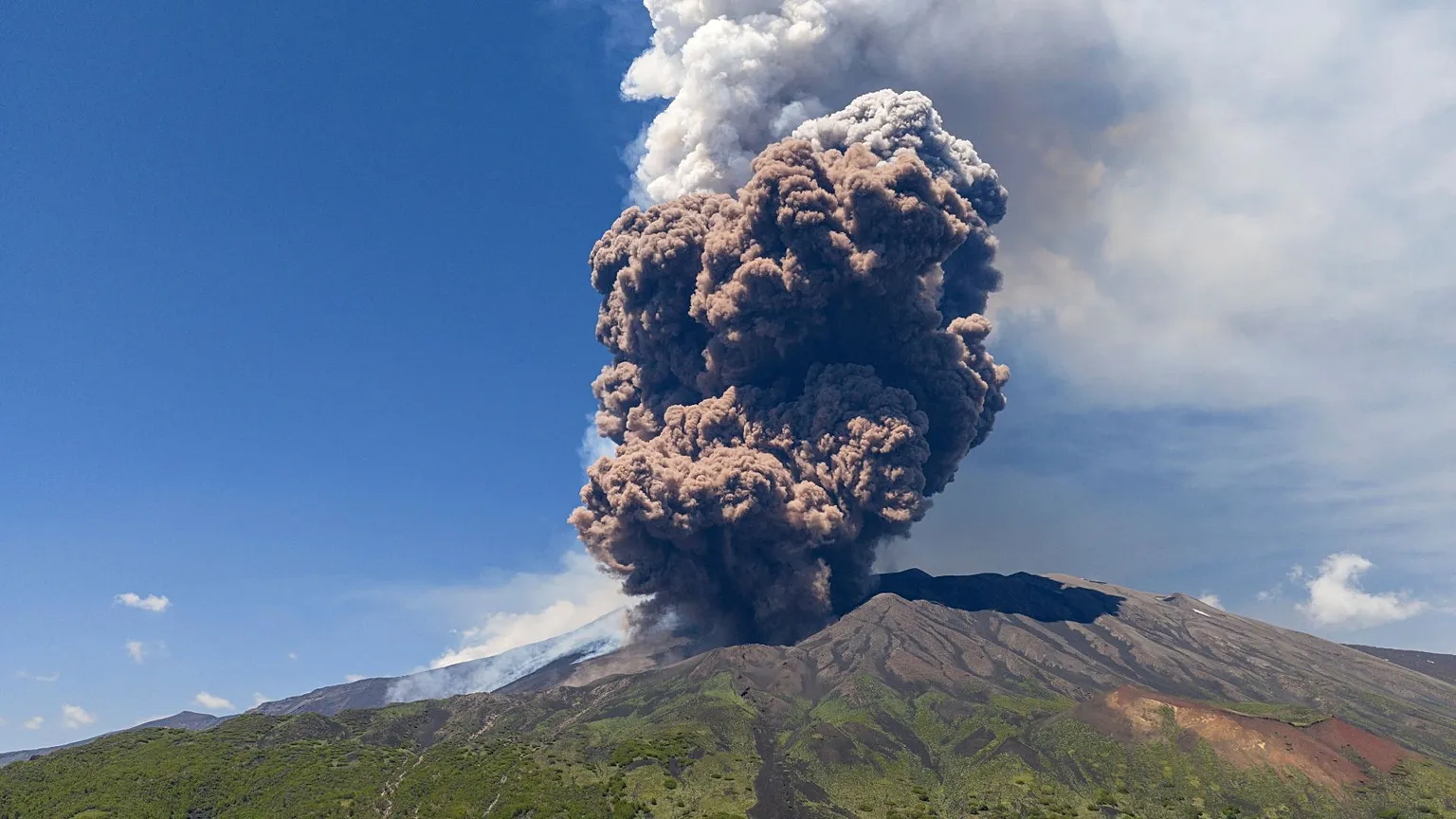
Mount Etna isn’t just any volcano—it’s one of the most active on the planet. Rising about 3,300 meters (11,000 feet) over Sicily’s east coast, it’s hard to miss. Most eruptions happen right at the top, and every time, the mountain’s height shifts a little—sometimes it grows, sometimes it shrinks. In winter, people show up to ski on its snow-covered slopes. When the weather warms up, hikers and climbers head to Rifugio Sapienza, which is a popular spot to start the trek up. If you’ve got a car, you can drive to Piano Provenzana on the quieter north side. From there, tour operators take visitors up to the Volcanic Observatory or even closer to the main crater.
Valley of the Temples
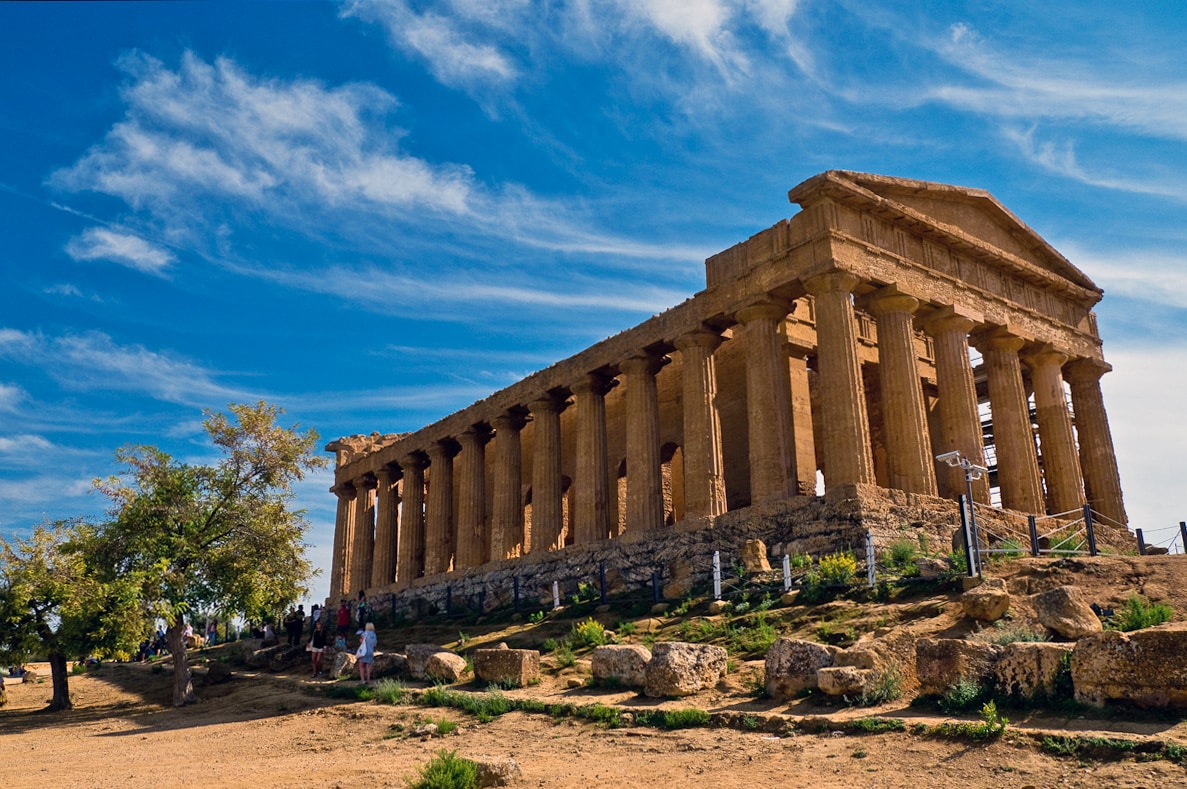
Down on Sicily’s southern coast, the city of Agrigento was a big deal back in Ancient Greece. These days, it’s the ruins from that golden era that draw people in. Just outside town, you’ll find the Valley of the Temples—a ridge lined with 5th-century Doric temples overlooking the sea. The temples dedicated to Concordia and Juno Lacinia in the eastern part are in the best shape, still standing tall after all these centuries. Out west, there’s the unfinished Temple of Zeus, which is actually the largest Doric temple ever discovered.