Zaragoza, Spain
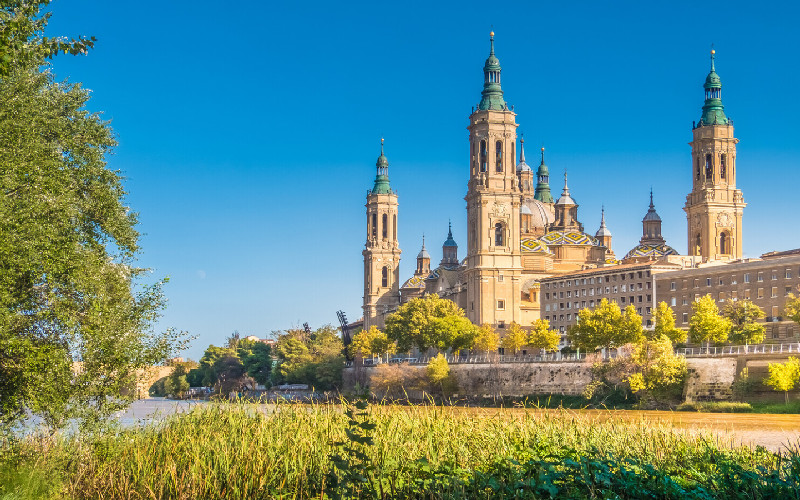
Picture this: a city center built from stone and brick, packed with history and style. Two basilicas—yes, two—stand tall among Roman ruins, a main square that feels like its own little town, museums full of Spanish masters, and even an Arabian fortress that could give the Alhambra a run for its money. Then there’s the food. Tapas everywhere, local wines flowing, and parks and gardens right by the river. The best part? The locals outnumber the tourists by a mile.
You can swing by Zaragoza for a day if you want a break from the crowds in Barcelona or Madrid, but, honestly, stay the night if you can. The evenings buzz with real-deal tapas bars, run by friendly locals who treat you like family. Zaragoza’s been around for over 2,000 years—founded by the Romans to celebrate Augustus’s big 5-0—and it carries that history lightly, without showing off. They say Spain’s first church stood here. It was once the capital of an Arabic kingdom and a major hotspot during Spain’s golden age. There’s a quiet pride to Zaragoza, and it’s impossible not to feel it when you wander the streets.
The Hague, Netherlands
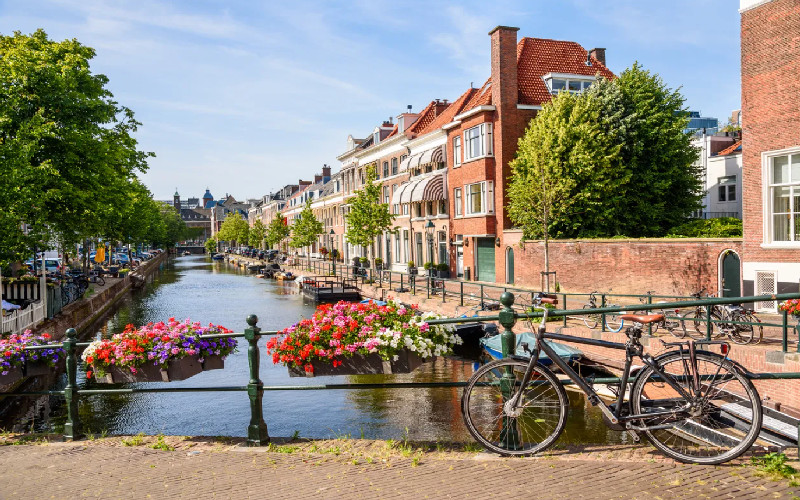
Amsterdam’s locals have had enough of the tourist flood, especially when summer hits. The Hague? It’s different. Fewer tourists, and the ones who come seem to blend in a bit better. Maybe it’s the vibe, or maybe it’s just the kind of people who choose to visit.
This is where the Dutch royal family and Parliament call home, so the city’s got history to spare. Culturally, it stands shoulder to shoulder with Amsterdam. The Binnenhof—basically a medieval parliament—is here, plus the royal palace and museums like the Mauritshuis, where you’ll find the Girl with a Pearl Earring. Grand mansions overlook peaceful canals, leafy squares pop up all over, and there’s no shortage of quirky spots to eat, whatever you’re craving.
And here’s a twist: You’re just fifteen minutes by bus—or a long walk if you’re feeling ambitious—from the North Sea. The beaches are wild and windswept, the sand dunes carefully protected. I honestly don’t know another city where you can go from urban buzz to beachside calm so fast. It’s worth it, any time of year.
Rimini, Italy
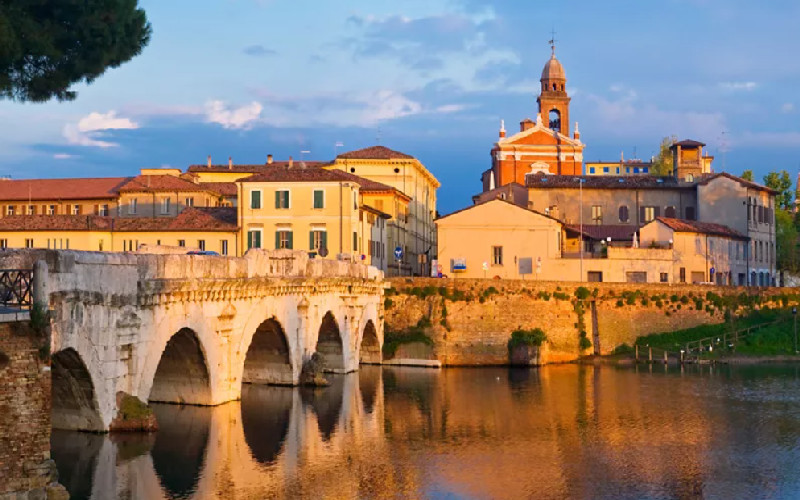
Rome is Rome, and nothing else compares. But let’s say you want a smaller city with just as much history—Roman ruins, Renaissance architecture, and masterpieces by artists like Giotto. Rimini checks all the boxes, and then some. It’s got that old-school Italian cinema magic, too.
The food? You’re in Emilia-Romagna, so it’s as good as it gets. Long sandy beaches stretch along the coast. They fill up in the summer, but outside July and August, you can have them practically to yourself. Rimini is easy to love.
Metz, France
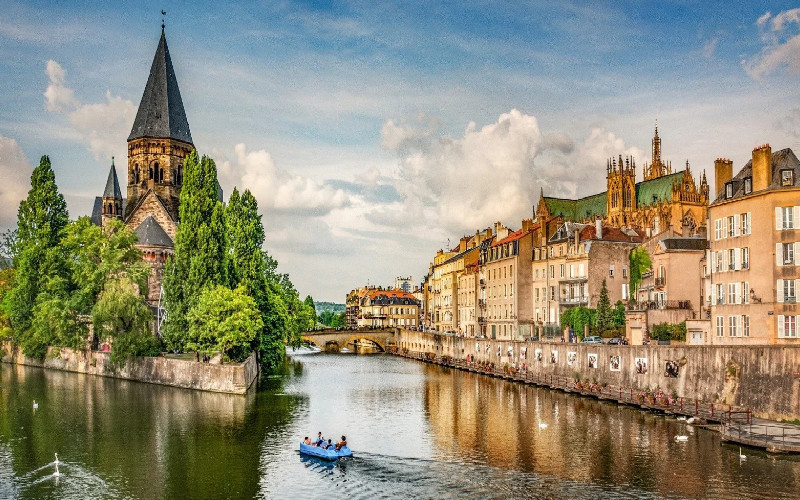
Metz sits quietly in Lorraine, one of the greenest cities in France, with a gorgeous old town that somehow dodged the tourist stampede. The architecture has a dash of Germany to it—think of the postcard-perfect Porte des Allemands—echoes of when Metz was part of the Holy Roman Empire.
Like Strasbourg, Metz boasts a jaw-dropping Gothic cathedral and a beautiful riverside setting. Strasbourg’s got the Rhine; Metz, the winding Moselle. Both cities light up during Advent with Christmas markets. Strasbourg shouts about being “the home of Christmas,” but Metz is more understated. The stalls are packed with treats and goodies from the countryside, and the city feels alive, but you’ll mostly hear French. Metz is the kind of place the locals keep for themselves.
Metz doesn’t show off. Its beauty sneaks up on you. Locals almost seem surprised when visitors gush over their city. The cathedral on the hill is just the start. Meander through leafy squares edged with grand old houses, stroll between the Moselle and the city walls, duck into the Covered Market for a taste of the region, step inside the ancient St Pierre aux Nonnains church, and check out the museums—the Musée de la Cour d’Or tells the city’s story, and there’s a twin to Paris’s Centre Pompidou right here.
The longer you stay, the more Metz reveals itself. It’s a city that rewards a little patience—and a lot of curiosity.
Sardinia, Italy
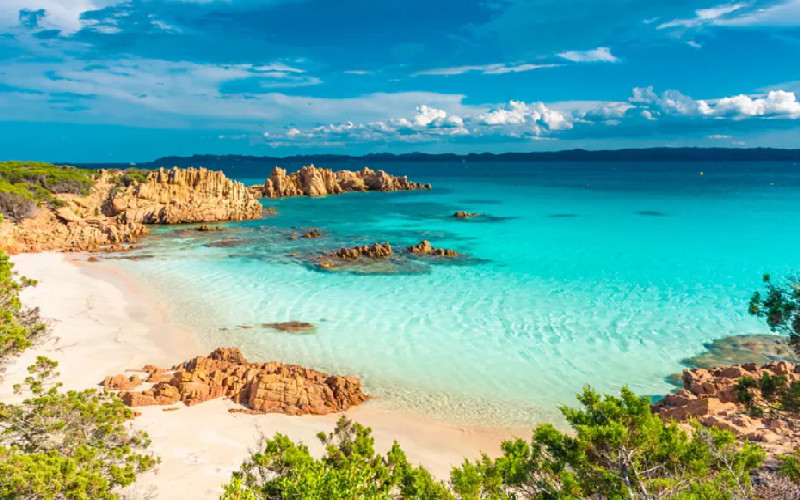
Mallorca and Ibiza get all the attention—and, honestly, the hype is real. Whitewashed villages, wild green hills, and that shockingly blue water. You see the photos and just want to dive in. But let’s be real for a second: over-tourism is squeezing the life out of the Balearics. Locals can’t afford their own homes anymore, and some towns feel more like theme parks than living places.
Now, look east. Out in the Tyrrhenian Sea, Sardinia sits quietly, minding its own business. This island is massive—bigger than all four Balearics (yep, that includes Menorca and Formentera) combined. That size helps. It keeps the worst tourist crowds away.
The coastline? It’s jaw-dropping. You get these perfect half-moon bays, hidden caves, and dramatic cliffs like the ones around the Gulf of Orosei—Europe’s longest untouched stretch of coast. The beaches are something else: powdery soft sand, sometimes even pink, and water so clear that Italians literally call it “Sardinia water.” People compare it to the Maldives, and, honestly, it’s not just travel brochure talk.
Skip high season and dodge the glitzy superyacht scene at Porto Cervo, and you’ll still find beaches that feel wild and remote. Some are tough to reach, but that’s part of the adventure. Inland, Sardinia stays rugged and rural—forests, mountains, and traditional villages that haven’t turned into tourist traps. Places like Castelsardo, perched by the sea, are still home to locals and get called some of Italy’s prettiest spots.
Sardinia’s main towns show off its complicated past. Alghero has this Catalan vibe, while the north looks straight out of Liguria with its pastel villages. Then there’s Cagliari—sunny, historic, and home to an 8-kilometer city beach.
The food? It’s its own thing. Being cut off from mainland Italy for so long, Sardinia developed a food culture you won’t find anywhere else. Some dishes are so local, you’ll only try them in tiny pockets of the island.
Torino, Italy
Canterbury, England
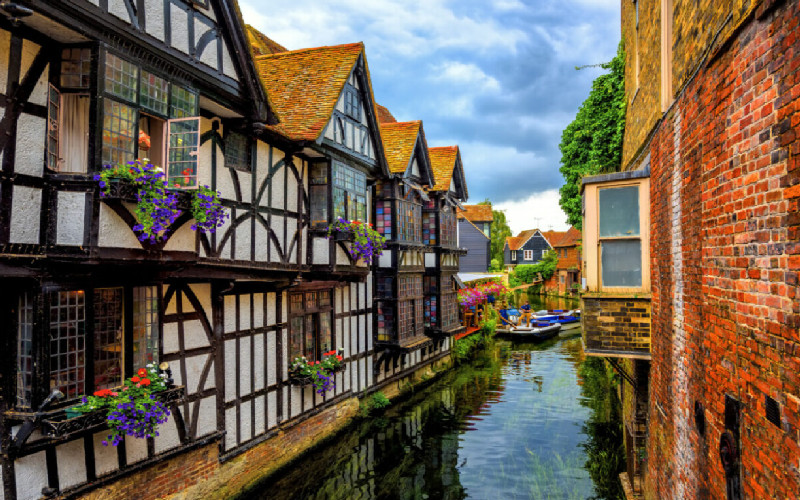
People in Oxford and Cambridge love to grumble about their city centers drowning in tourists—Harry Potter only made things worse. Canterbury? It gets its fair share of visitors, sure, but it never feels swamped. You get day-trippers rolling in from London, plus school groups from France and Belgium, thanks to the city’s spot near the Eurotunnel. These coaches show up late morning and clear out by mid-afternoon. Step outside those peak hours and you get the real deal: a lively city with some of England’s most jaw-dropping monuments right in the heart of it.
The cathedral alone is enough to draw you in. It’s the seat of the Anglican faith and as grand as they come. But there’s more—cobbled streets that twist between medieval gates, old fortresses, bits and pieces from Roman Britain, a peaceful waterside park, and ancient waterways. Literature fans get a bonus here: this is Marlowe’s birthplace and, of course, the setting for Chaucer’s Canterbury Tales.
The food’s a treat, too. Local restaurants serve up dishes made with produce grown just down the road, and they’re proud of it.
And if you’re up for an adventure, Canterbury is where the Via Francigena begins—the old pilgrimage route that runs all the way to Rome. Not your average English hike.
Nuremberg, Germany
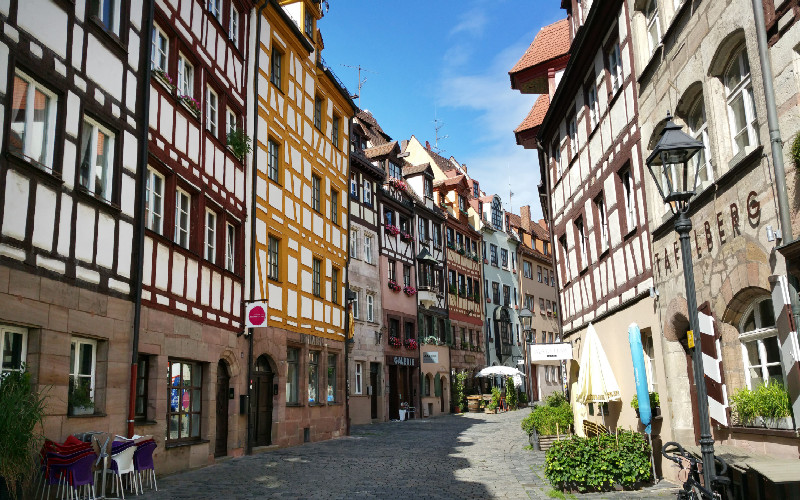
People usually pitch Ghent as the quieter cousin to Bruges—honestly, Ghent’s great if you want to stay in Belgium. But if you’re willing to look a little farther, Nuremberg in Germany has that same storybook vibe: winding canals, northern charm, jaw-dropping Gothic buildings, a rich art history, amazing beer and sweets, and a Christmas market that’s straight out of a fairy tale.
A lot of folks think of Nuremberg and jump straight to the darker chapters of the 20th century. But for centuries before, this place was one of Europe’s most advanced cities. You see it in the canals and bridges, the grand squares, and the Gothic churches that loom over merchant palaces. The medieval city walls and imperial castle still stand tall.
Honestly, Nuremberg’s a fantastic alternative to Venice, too. No gondolas, but they even built their own Bridge of Sighs. The canals and Gothic spires are just as mesmerizing.
It’s close enough to Munich for a day trip, and you’ll be blown away—but stay longer if you can. Eat bratwurst in a beer garden under the summer sky. Lose yourself in the winding backstreets, watch the changing light dance on the water.
When I was there, I couldn’t sit still in my hotel. The city pulls you outside, makes you want to soak up every moment
Bordeaux
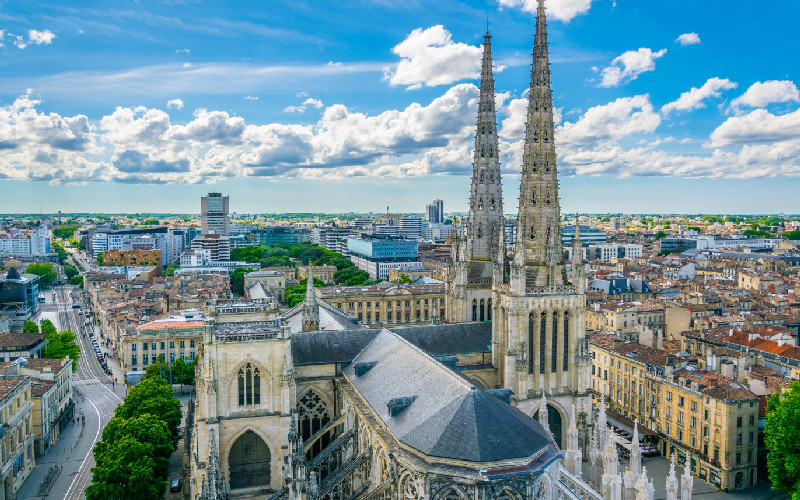
When Haussmann got the job of redesigning Paris, he didn’t look to Paris for inspiration—he turned to Bordeaux, the city everyone once called the most elegant in France.
For a while, Bordeaux was overlooked, left to the wine buffs while Paris grabbed the spotlight. Not anymore. The “pearl of Aquitaine” is in the middle of a real comeback.
Why does Bordeaux deserve all this praise? First, check out the old city center around Saint Pierre, where buzzing alleyways twist around a stunning Gothic cathedral. Then there are the grand 17th-century mansions and civic buildings—places like Place de la Bourse—that once made Bordeaux the envy of France.
Like Paris, Bordeaux really shows off its river. The pedestrian riverfront is gorgeous in any season. You’ll find a Napoleonic bridge at one end facing a medieval gate, and a cutting-edge marvel at the other. Don’t miss the Miroir d’Eau—a modern splash that’s already become a symbol of the city.
There’s more: city parks, both old and new, museums, and the striking Cité du Vin, where you can dive into the history and culture of wine. Missing the Eiffel Tower? Well, Gustave Eiffel built Bordeaux’s train station and a beautiful railway bridge over the Garonne. This city has its own kind of magic.
Genova