Overpacking Your Itinerary

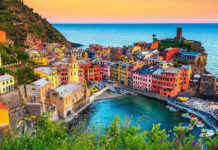
Trying to cram too much into a short trip is a classic travel mistake. Sure, Europe’s got great trains and cities close together, but bouncing around every day just wears you out. You barely get to know a place before you’re already packing up again. It’s way more rewarding to slow down—pick a few cities and really dig in. Give yourself at least three days in each, and more if you can swing it. You’ll come home with better stories and a lot less stress.
Not Validating Train Tickets
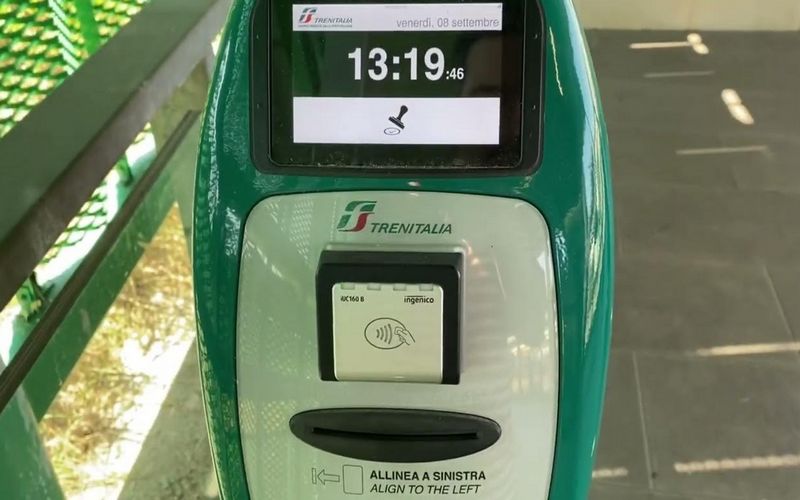
In places like Italy, Germany, and France, buying a train ticket isn’t the only step—you’ve got to validate it before you hop on board. Miss this tiny detail and you risk a big fine, even if you honestly didn’t know. So, look for those little validation machines (they’re usually yellow or green) at the station. If you have a digital ticket, make sure to read the instructions—some don’t need validation, but some do.
Exchanging Money at Airports or Tourist Spots
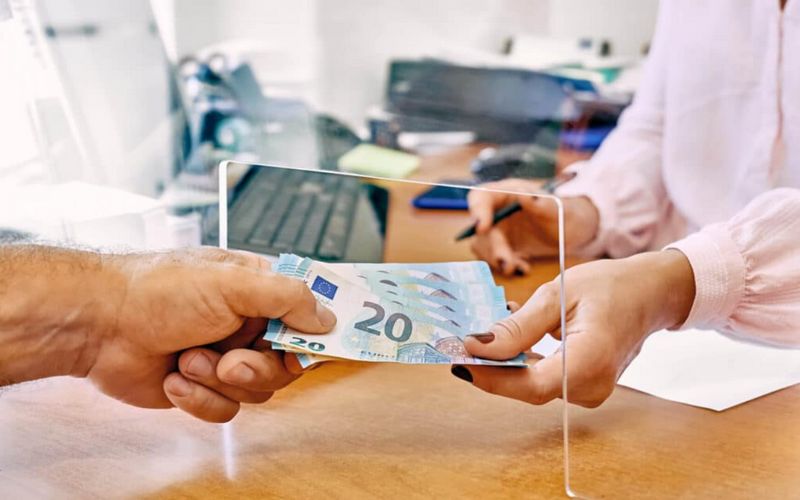
Those currency exchange booths at airports and busy tourist spots? They’re usually a ripoff. Bad rates, high fees, and before you know it, you’ve lost a chunk of cash for nothing. Instead, use an ATM from a real bank or pay with a travel credit card that skips foreign transaction fees. It’s almost always a better deal.
Not Learning Basic Local Phrases

Sure, a lot of Europeans speak English, but don’t count on it everywhere—especially in smaller towns. Assuming everyone understands you can come off as rude. Learning just a handful of local words—hello, please, thank you, and “do you speak English?”—shows respect and actually opens doors. People appreciate the effort.
Assuming All Countries Use the Euro
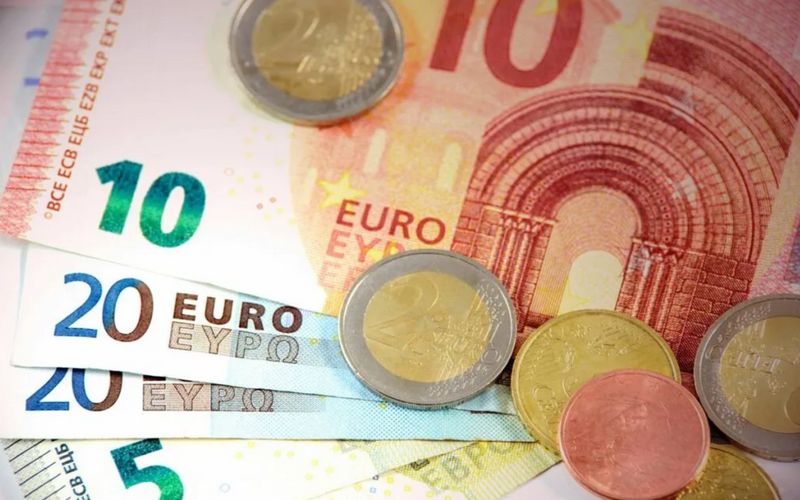
Not every place in Europe takes the euro. Hungary, Poland, Denmark, Switzerland—they’ve all got their own currency. So, check before you go, and plan. Download an app like XE Currency so you’re not guessing at prices or getting caught off guard.
Skipping Travel Insurance
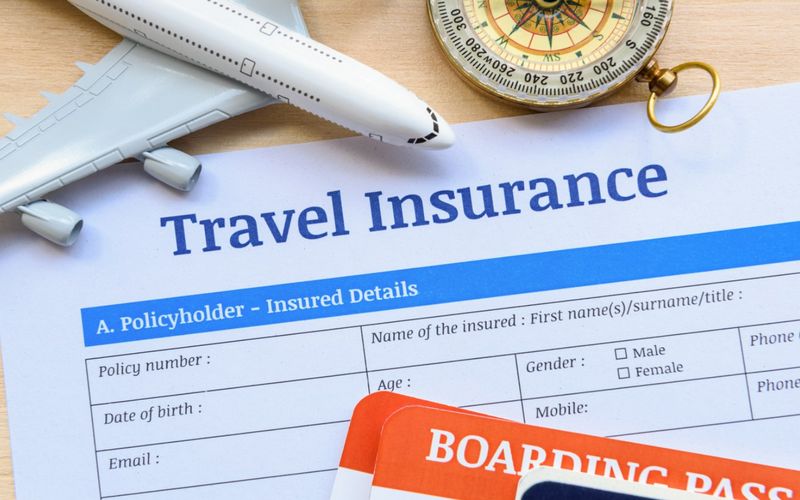
Travel insurance seems easy to skip—until you need it. Lost luggage, a sudden illness, flight cancellations… It’s always the thing you didn’t expect. Get a solid insurance policy that covers medical stuff, cancellations, and theft. It’s a small price to pay for peace of mind.
Eating Only Near Major Attractions

Restaurants right next to significant sights are usually tourist traps—higher prices, bland food, and hurried service. Walk just five or ten minutes away, and you’ll find where locals actually eat. Use Google Maps, TripAdvisor, or TheFork to check reviews, and you’ll probably end up with a much better meal for less.
Ignoring Local Customs and Etiquette

Every country’s got its own quirks. In Italy, order a cappuccino after 11 a.m. and people might stare. In France, not saying “Bonjour” when you walk into a shop can feel rude. Take a little time to learn the basics before you go. It shows respect, and honestly, it makes your trip smoother.
Relying Too Heavily on Credit Cards
Credit cards work in most of Western Europe, but some places—especially small towns or markets—still want cash. Keep a bit of local currency on you for things like cafes, tips, or public bathrooms. And don’t forget to tell your bank you’re traveling, so you don’t get hit with a fraud alert.
Underestimating the Weather
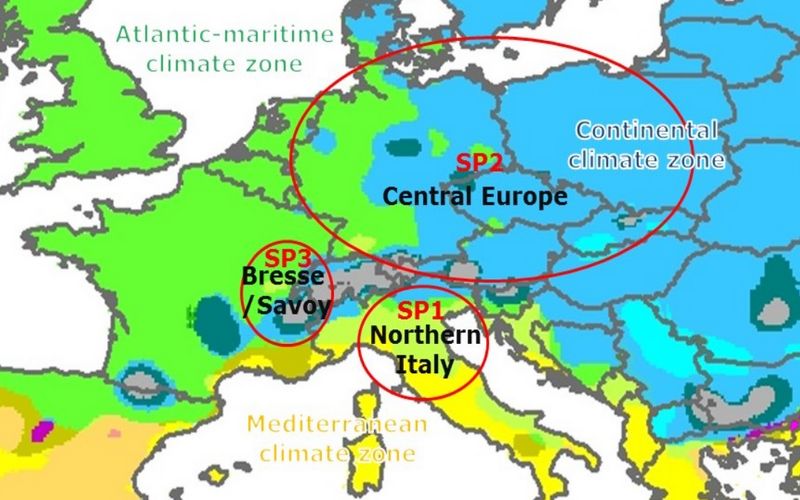
Don’t assume Europe’s summer means endless sunshine. Plenty of travelers get caught off guard by surprise rain, especially in places like the UK, Ireland, or Switzerland. One minute it’s bright and warm, the next, you’re soaked. So, check the forecast for every stop on your trip. Pack some layers, and always toss in a light waterproof jacket or an umbrella—yes, even in July. It’s way better than shivering in a café, wishing you’d planned ahead.