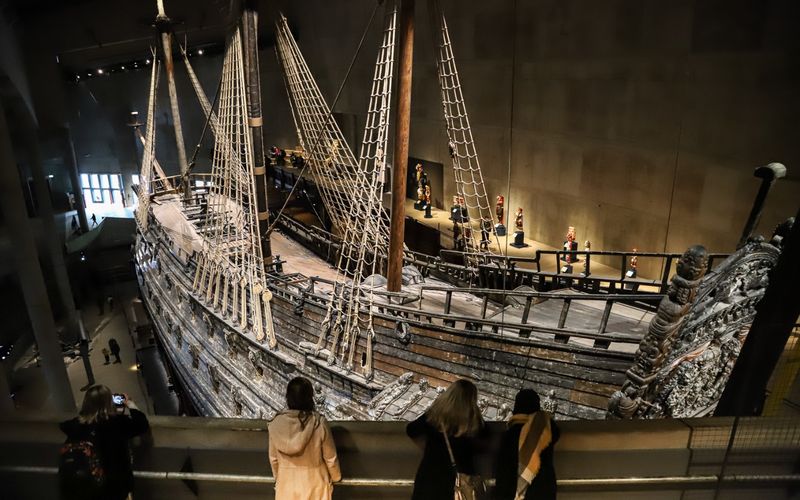
Rijksmuseum, Amsterdam
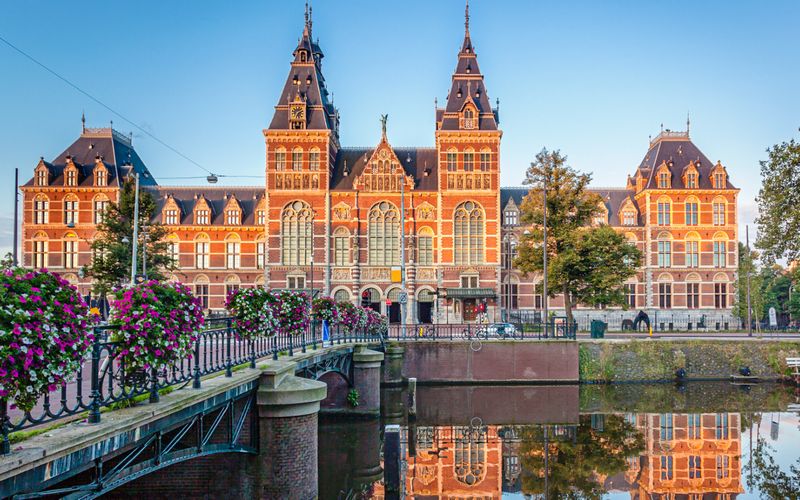
The Rijksmuseum in Amsterdam isn’t just a museum—it’s a treasure chest of Dutch history and art. Walk in and you’ll find legends like Rembrandt’s The Night Watch and Vermeer’s Milkmaid, hanging alongside thousands of other works. Eight centuries of Dutch creativity fill its halls, with around 8,000 pieces on display. If you’re picking museums to see in Europe, this one’s a must. The building itself is a showstopper. Built in 1885, it’s got wall paintings, statues, and a facade that’s a work of art all on its own. You could spend hours wandering around outside just soaking in the details. And get this—it’s probably the only museum in the world with a road that goes right through it. The Rijksmuseum isn’t just for grown-ups. It’s surprisingly kid-friendly, and even toddlers find plenty to love here.
Prado Museum, Madrid
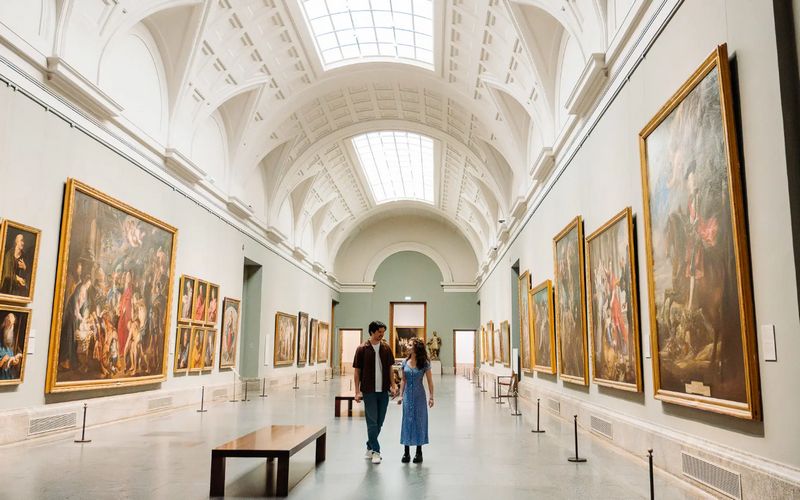
Madrid’s Prado Museum is one of those places you just can’t miss if you’re visiting the city. Since 1819, it’s been home to a jaw-dropping collection—over 8,600 paintings and more than 700 sculptures. Spanish, Italian, Flemish—you name it, it’s here. The Spanish collection is the biggest anywhere, and you can see works from the 11th to the 19th century. If you love artists like Goya, Velazquez, or El Greco, you’ll feel right at home. The museum always has new temporary exhibitions, so it’s worth checking their website before you go. The place is huge, though, so it pays to plan your visit. Pick the galleries you want to see ahead of time. There’s also free entry from 6 to 8 pm on weekdays, and 5 to 7 pm on Sundays, but those hours get crowded fast. Honestly, it’s easier to get your tickets online in advance and skip the chaos.
Uffizi Galleries, Florence
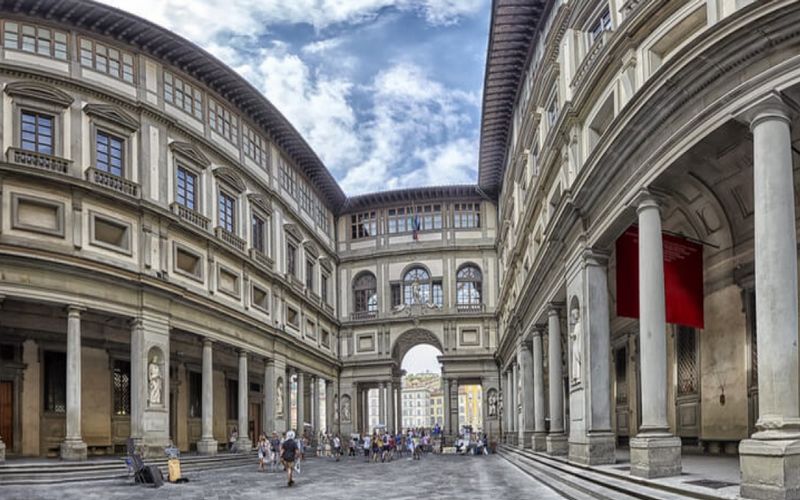
If you’re into art—even just a little—the Uffizi in Florence belongs on your bucket list. It’s one of the top things to do in the city, which says a lot in a place so packed with masterpieces. The Uffizi sits right in the historic center, and it’s crazy popular, so book ahead unless you have the Firenze Card. Inside, you’ll find Western art from the Middle Ages all the way to the modern era, but the real stars are the Renaissance paintings. Think Botticelli’s Birth of Venus and La Primavera, Michelangelo’s Doni Tondo, Raphael’s Madonna of the Goldfinch, Caravaggio’s wild Bacchus and Medusa, Titian’s Venus of Urbino, and Leonardo da Vinci’s Annunciation—painted when he was just 20. Beyond paintings, the Uffizi has statues and busts, mostly Roman copies of lost Greek originals, all collected by Florence’s powerful Medici family.
Fondation Beyeler, Basel
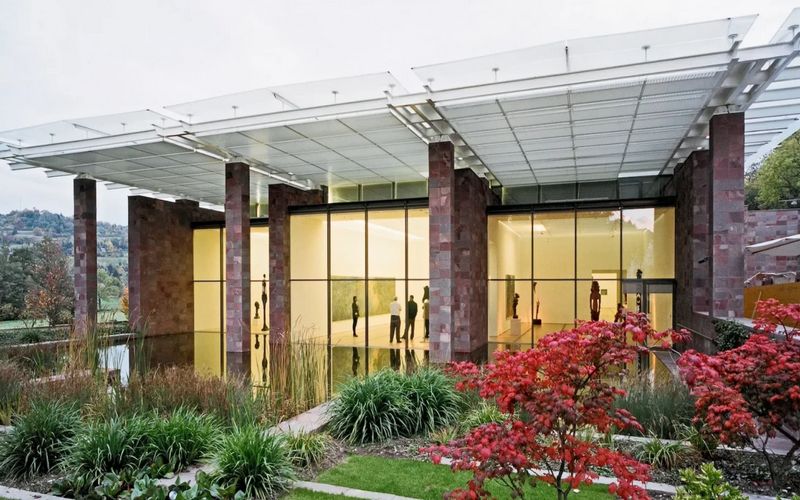
Basel’s full of great museums, but the Fondation Beyeler stands out for me. It’s a quick tram ride from the city center to Riehen, about 25 minutes, and totally worth the trip. Designed by Renzo Piano in 1997, the building is sleek and modern, and the collection is just as impressive. Hildy and Ernst Beyeler started it as a private collection but turned it over to the foundation in 1982. You can see the whole museum in a couple of hours, so it’s perfect if you want to get a taste of the modern art world. Expect to find works by Degas, Monet, Cézanne, Van Gogh, Picasso, Rothko, Warhol, and more. Between its stunning architecture and incredible art, the Fondation Beyeler definitely deserves a spot on any list of Europe’s best museums
Neon Museum, Warsaw
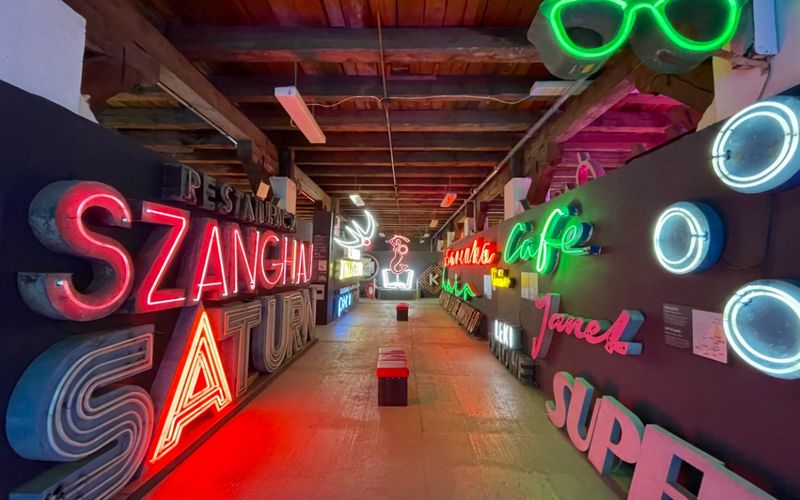
Warsaw’s Neon Museum is something totally different. Set in an old factory in the city’s edgy Praga district, it’s packed with neon signs that once lit up Eastern Europe during the Cold War. After the Soviet Union collapsed, most of these colorful signs were abandoned and nearly lost for good. Lucky for us, a group of enthusiasts started rescuing them, one by one. Now, the museum is one of Warsaw’s top attractions. You don’t just see these glowing works of art—you get to hear their stories and learn how they were made. It’s quirky, nostalgic, and honestly, it’s just a fun place to explore.
National Azulejo Museum, Lisbon
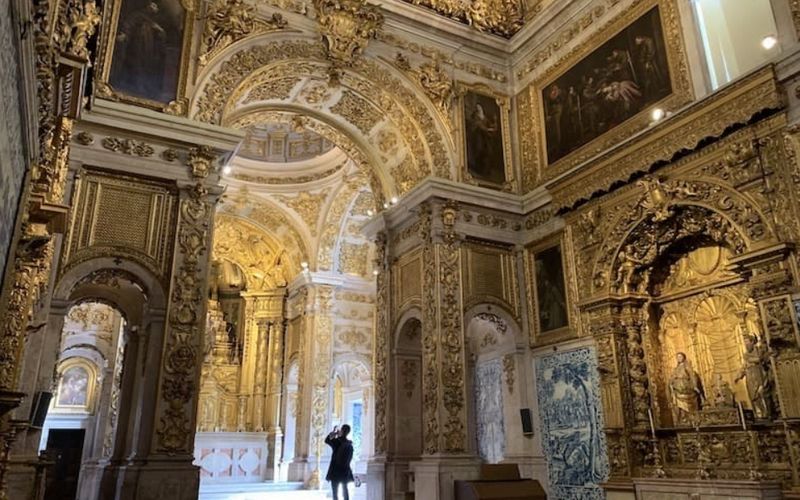
Portugal loves its ceramic tiles, and honestly, there’s nowhere better to dive into their story than the National Azulejo Museum in Lisbon. It’s a little off the beaten path, so lots of tourists skip it. But you really shouldn’t. You’ll find the museum inside the old Madre de Deus Convent, which is stunning on its own. Step into the church and you’ll spot azulejos right where they belong—wrapped in rich Baroque details, just as they were meant to be seen. Some tiles show off intricate geometric designs, while others stretch into full-blown stories, painted across their surfaces. It’s not all religious art, either. Some pieces are just plain quirky. There’s a 17th-century series called “singerie” that shows monkeys dressed up like people, and even a chicken on her way to a wedding, riding in a carriage. The museum’s real showstopper is a huge panoramic panel—over 1,300 tiles—that captures Lisbon just before the 1755 earthquake changed everything. If you want to see Lisbon’s soul in ceramic, this is the place.
Musée Louvre, Paris
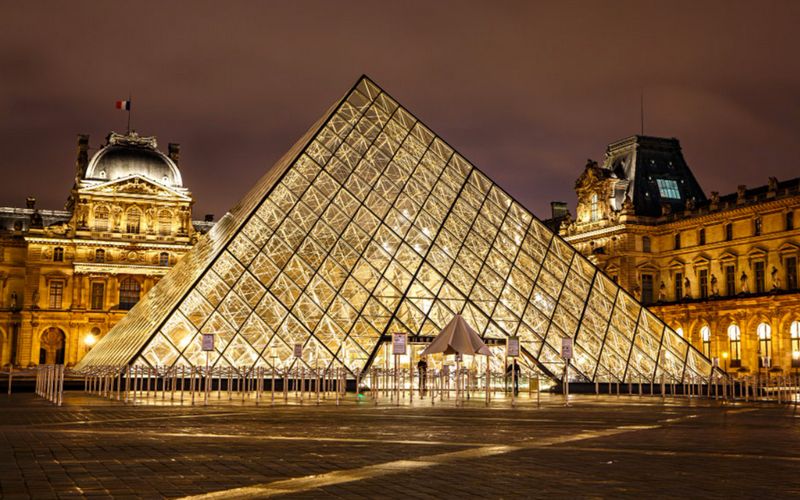
The Louvre isn’t just a famous museum in Paris—it’s one of the absolute best in all of Europe. Everybody knows the Mona Lisa lives here, but honestly, that’s just one highlight in a sea of masterpieces. This place is massive. Opened in 1793, the Louvre holds around 38,000 works, from prehistoric pieces to modern art. The Renaissance and Egyptian collections are must-sees, but there’s so much more. Beyond the Mona Lisa, you’ll find the Fayum mummy portrait, Michelangelo’s Dying Slave, the Nike of Samothrace, and portraits of Napoleon, just to name a few. Don’t try to see it all in one go—it’s impossible. Pick out what excites you most ahead of time, and definitely book your tickets online. The crowds can be wild, and nobody wants to spend hours waiting just to get inside.
The Acropolis Museum, Athens
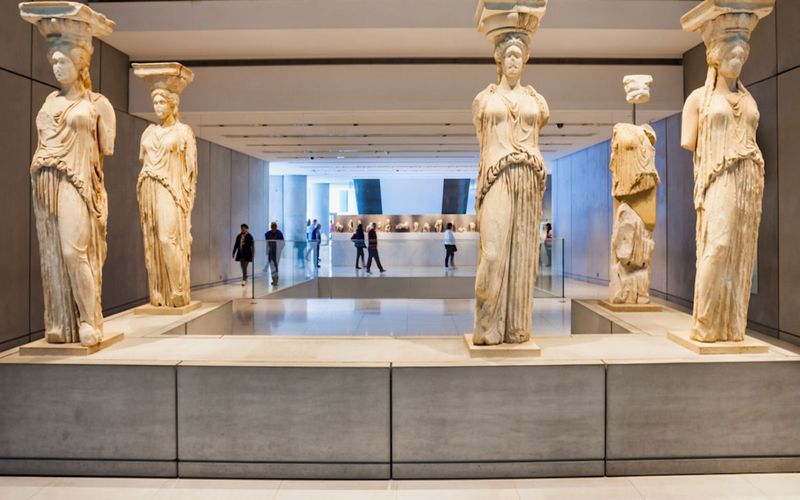
You can’t miss the Acropolis in Athens—it’s right there, watching over the city. For over 3,000 years, it’s been Greece’s spiritual heart, with the Parthenon perched on top, dedicated to Athena. The building is iconic, but inside, it’s empty. Back in ancient times, they filled the Parthenon with treasures, but most were small and easy to carry off. A lot got stolen over the years, but some important pieces stayed in Greece. Now, you’ll find those treasures at the Acropolis Museum, right at the foot of the rock. This museum is a real highlight in Athens. It’s packed with ancient Greek artifacts—bronze statues, painted vases, carved figures, friezes, and more. Everything is carefully preserved and set up so you can really get the story behind it. And the best part? The museum has an incredible view of the Acropolis itself. It’s history, art, and scenery all in one stop.
Kunsthistorisches Museum, Vienna
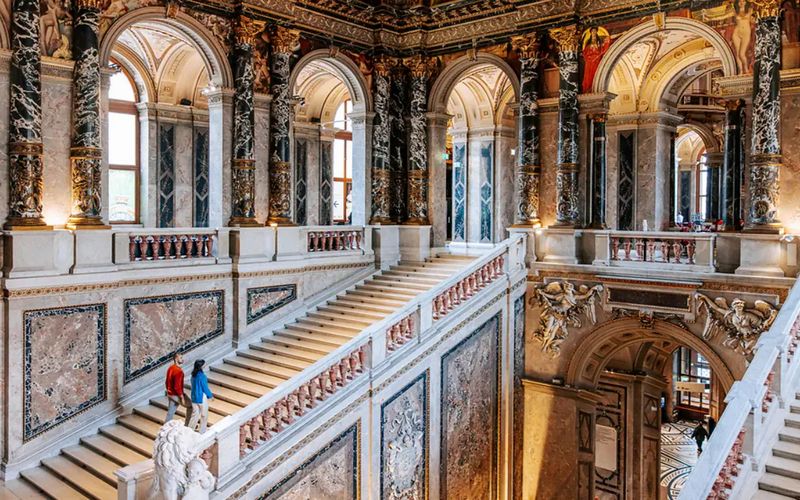
Vienna’s Kunsthistorisches Museum stands out, not just for its art, but because it was built to showcase the Habsburg family’s impressive collection. In the late 1800s, as Europe was changing, the Habsburgs decided it was time to share their treasures with everyone. Architects Gottfried Semper and Baron Karl von Hasenauer designed the grand building, and by 1891, Emperor Franz Joseph I opened its doors. Inside, it’s pure opulence—murals, gold leaf, marble everywhere, and ornate stucco overhead. You can tell it was made to impress. The museum is packed with masterpieces, especially by Pieter Bruegel the Elder—his Peasant Wedding, Children’s Games, and Hunters in the Snow are all here. Other standouts include the Cellini Salt Cellar, Vermeer’s The Art of Painting, paintings by Rembrandt, Parmigianino’s quirky self-portrait in a convex mirror, and plenty more. If you love art, this place is a feast.
Vasa Museum, Stockholm