Ghent, Belgium
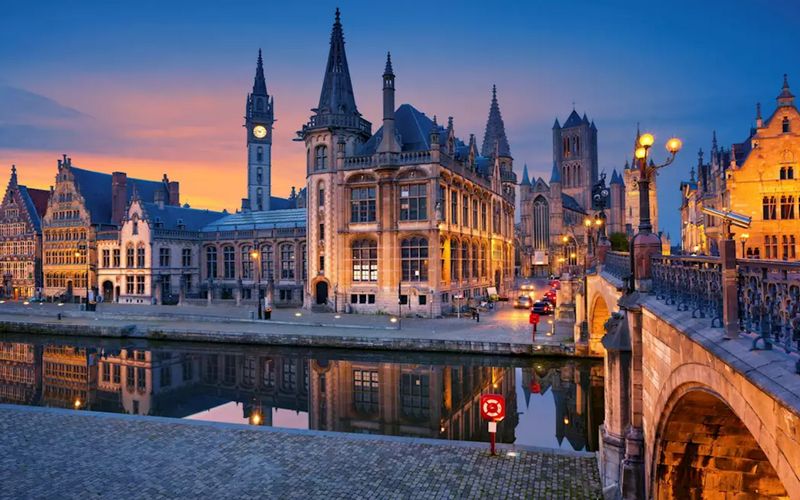
Ghent (or Gent, if you’re speaking Flemish) used to be the biggest medieval city in Europe after Paris. These days, it’s a lively university town, all crisscrossed with peaceful canals and packed with medieval architecture that’s still standing tall. You get gorgeous buildings, world-class museums, and—unlike Bruges—no crowds to fight through. Lonely Planet nailed it when they called Ghent “small enough to be cosy, but big enough to stay vibrant.” Plus, if you don’t eat meat, you’re in luck: Ghent is famous as Europe’s “vegetarian capital,” and the chefs here know what they’re doing.
Lecce, Italy
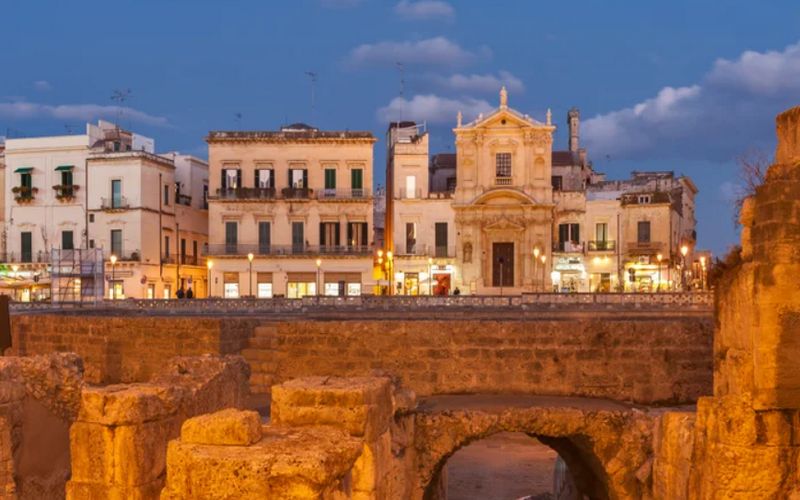
People call Lecce the “Florence of the South” for good reason. The city’s winding, narrow streets are lined with Baroque churches that are so ornate and wild, they even coined a new term for the style: “Leccese Baroque.” Lecce isn’t just about the architecture, though. The food and wine here are rustic, rich, and unforgettable. You’ll find plenty of chic shops, cozy cafes, and quirky antique stores, too. Don’t skip this Apulian gem—trust me, you’ll want to see the “heel” of Italy.
Riga, Latvia
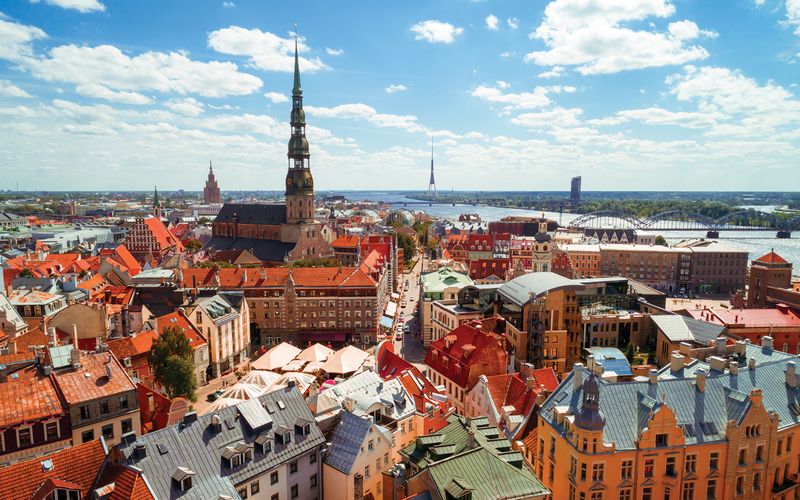
Riga has picked up the nickname “the Paris of the East,” and it’s easy to see why. This city has an easy, old-world charm that draws you in from the second you arrive. The entire Old Town is a UNESCO World Heritage site, and the Central Market is massive—one of the biggest in Europe. Grab some fresh bread and fruit, then find a sunny patch of grass for a picnic. Make time for St. Peter’s Church, which is over 800 years old. Climb the spire and you’ll get a killer view of the city.
Belfast, Northern Ireland
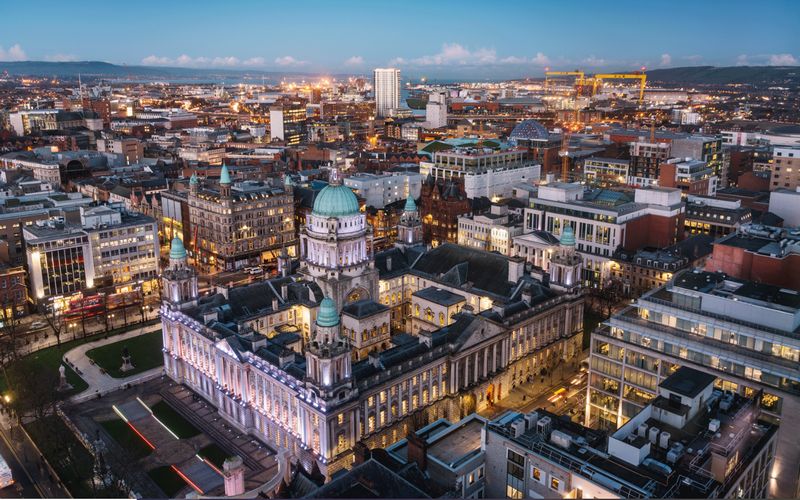
National Geographic once called Belfast “a capital that is redefining itself in the eyes of the world.” They weren’t kidding. Once a place people avoided, Belfast has totally reinvented itself. Victoria Square, Europe’s biggest urban revitalization project, gave the city center new life. Now you’ve got Victorian buildings, an amazing food scene, the UK’s second largest arts festival, and—honestly—some of the friendliest people in Europe.
Gothenburg, Sweden
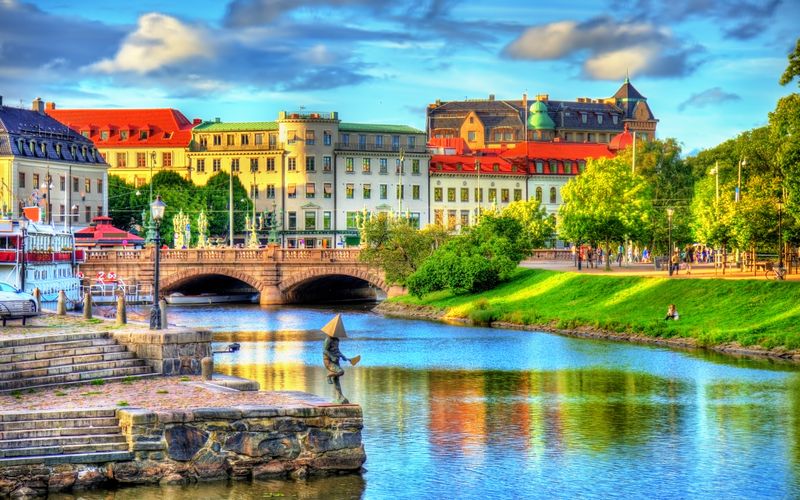
Gothenburg (or Göteborg, if you want to sound local) is finally stepping into the spotlight after years in Stockholm’s shadow. Sitting along the Göta River, the city has a mix of old landmarks and new museums, tons of green parks, and a creative vibe that’s starting to influence the rest of Sweden. Wander down Kungsportsavenyn Boulevard—think of it as Gothenburg’s own Champs Élysées—and head over to Göta Square, where you’ll find the Concert Hall, Art Museum, and City Theatre. If the sun’s out, hop on a boat along the Göta älv for a different look at the city, or head out to the island of Brännö for a peaceful escape.
Porto, Portugal
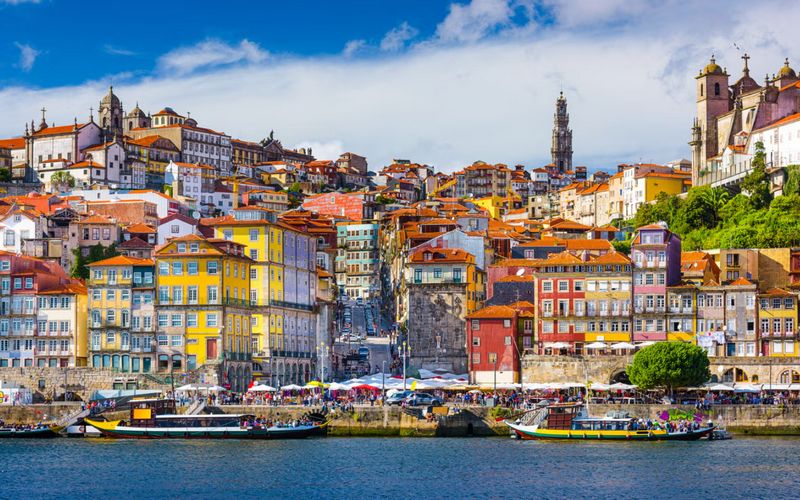
Porto has always been Lisbon’s feisty rival up north, but honestly, this city doesn’t need to compete with anyone. It sits on the hills where the Douro River meets the sea, and it offers up history, culture, and—of course—a great glass of port wine. Start your morning wandering the narrow, cobbled lanes of the Ribeira District, ducking into cafes for coffee and a pastel de nata. Cross the Ponte de Dom Luís Bridge, built in the 1800s, to Vila Nova de Gaia. That’s where you’ll find the famous port wine cellars—take a tour, learn a little, and taste the good stuff right from the source.
Leiden, Netherlands
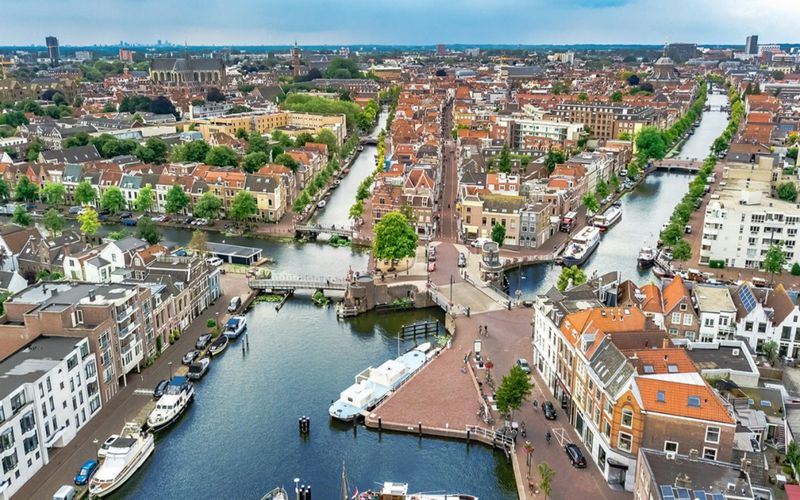
Leiden is the kind of place where you can really soak up Dutch history, art, and even flowers. Rembrandt was born here, and the city hasn’t forgotten it—they’ve got galleries and museums that could go toe-to-toe with Amsterdam’s. Leiden is compact, lively, and super walkable. Just stroll along the canals, past beautifully preserved old buildings, and you’ll see what I mean. Check out where Rembrandt lived and wander the campus of the Netherlands’ oldest university while you’re at it.
Strasbourg, France
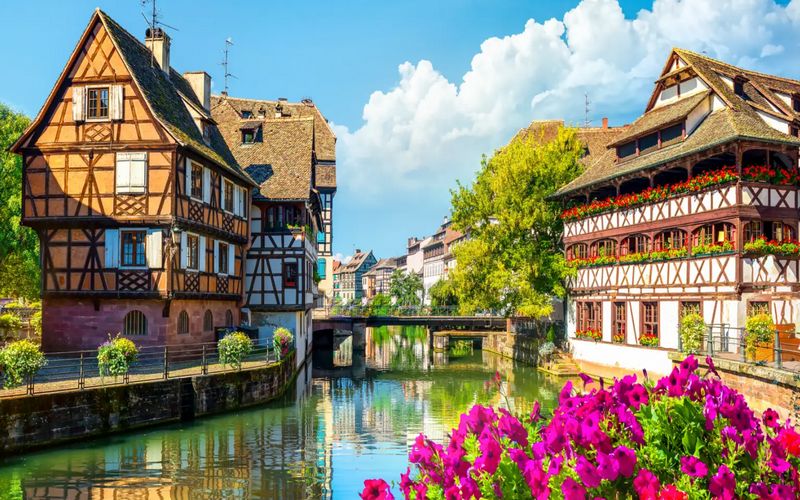
Let’s be real—Paris gets all the hype. Meanwhile, Alsace just sits quietly by the Franco-German border, tucked between the Vosges and the Rhine, waiting to surprise you. Strasbourg is the beating heart of this region, where history and culture spill out from every corner. Walk through the old town and you’ll find yourself in a living museum packed with towering gothic cathedrals and charming half-timbered houses. The star of the show? It has to be the Cathédrale Notre-Dame, a 14th-century giant whose spires once left Victor Hugo and Goethe speechless. You can wander on foot or hop on a bike—cycling here isn’t just easy, it’s a way of life. And don’t even get me started on the food. Dive into Alsatian cuisine, and pretty soon, you’ll start wondering why you spent so much time in Paris in the first place.
Split, Croatia
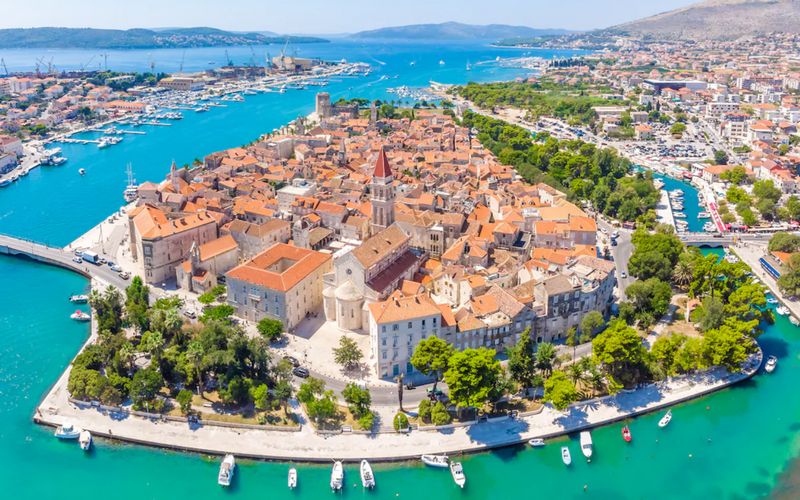
Craving some real history? Split’s got you covered. The city grew up around Diocletian’s Palace—a massive Roman relic that’s been standing for almost two millennia. There’s nothing like getting lost in these ancient streets, where you stumble onto the Cathedral of Saint Domnius rising right out of the old palace walls. This place is layered with stories: Roman, medieval, Renaissance, all piled on top of each other. And while history is everywhere, Split’s spot on the sun-soaked Dalmatian Coast is just as tempting. Ferries zip you off to islands like Brač, Vis, and Hvar before you can even finish your coffee.
Verona, Italy