Florence – The Cradle of the Renaissance
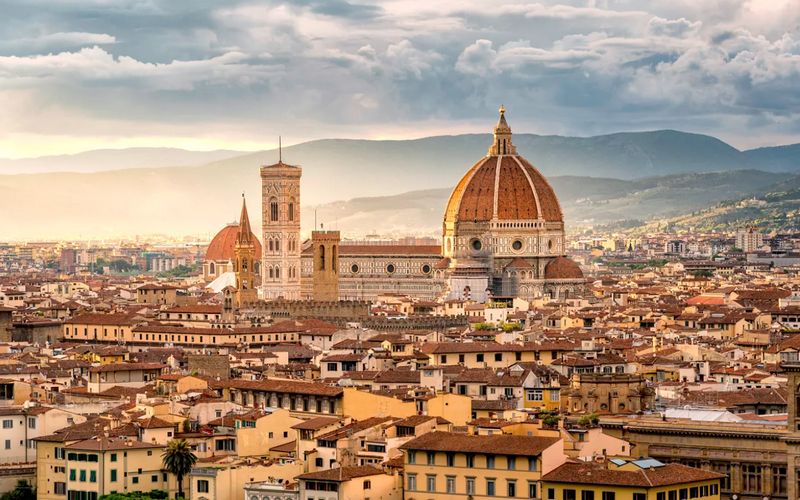
If art were a religion, Florence would be its sacred temple. This is the city where Michelangelo, Leonardo da Vinci, and Botticelli changed the course of human creativity forever. The Uffizi Gallery is an essential stop, housing Botticelli’s The Birth of Venus and Primavera, along with masterpieces by Raphael and Caravaggio.
Just steps away, the Accademia Gallery displays Michelangelo’s David, perhaps the most famous sculpture in the world. Walk through the city’s cobbled streets and you’ll find art everywhere—on the facades of churches, in the architecture of Brunelleschi’s Dome, and in the intricate marble details of the Basilica di Santa Maria Novella. Florence isn’t just a city; it’s a living canvas.
Rome – The Eternal City of Artistic Glory

In Rome, art is part of daily life, woven into every piazza and ancient ruin. The city’s layers of history—Roman, Medieval, Renaissance, and Baroque—blend seamlessly into a timeless masterpiece.The Vatican Museums are the ultimate art destination, home to Raphael’s frescoes and Michelangelo’s legendary Sistine Chapel ceiling. Beyond the Vatican, Rome bursts with treasures: Bernini’s sculptural wonders at Galleria Borghese, the frescoed walls of Villa Farnesina, and Caravaggio’s dramatic canvases hidden inside humble churches like San Luigi dei Francesi. Even the streets, framed by fountains and ancient columns, feel like an open gallery.
Venice – Art on Water

Venice is pure magic—a floating city where art and architecture merge with light and water. The Gallerie dell’Accademia houses the finest collection of Venetian art, featuring Bellini, Titian, Veronese, and Tintoretto. Meanwhile, the Peggy Guggenheim Collection celebrates modern and contemporary masters like Picasso, Dalí, and Pollock, displayed inside the collector’s former palazzo overlooking the Grand Canal.
Every two years, the Venice Biennale transforms the city into a global art stage, attracting contemporary artists and curators from every corner of the world. Beyond the galleries, the city itself—with its gilded mosaics in St. Mark’s Basilica and romantic decaying palazzi—feels like a surreal artwork suspended in time.
Milan – Where Classic Meets Contemporary
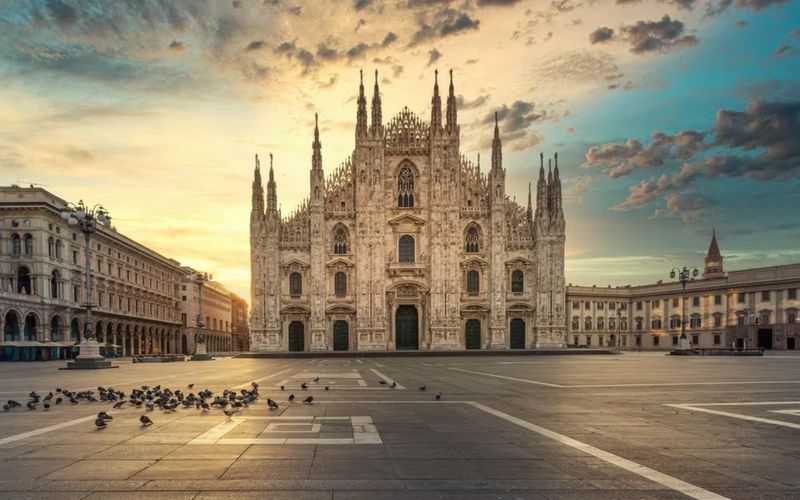
Known as Italy’s design capital, Milan is where ancient art meets bold modern expression. The city’s cultural crown jewel is Leonardo da Vinci’s The Last Supper, housed inside the convent of Santa Maria delle Grazie—a work that redefined Renaissance art.
At the Pinacoteca di Brera, you’ll find Caravaggio, Raphael, and Mantegna, while Museo del Novecento celebrates 20th-century Italian artists such as Boccioni and Fontana. Milan also shines in architecture and design—the Triennale di Milano and Fondazione Prada offer cutting-edge exhibitions that keep the city at the forefront of global art trends.
Naples – The Soul of Baroque Art
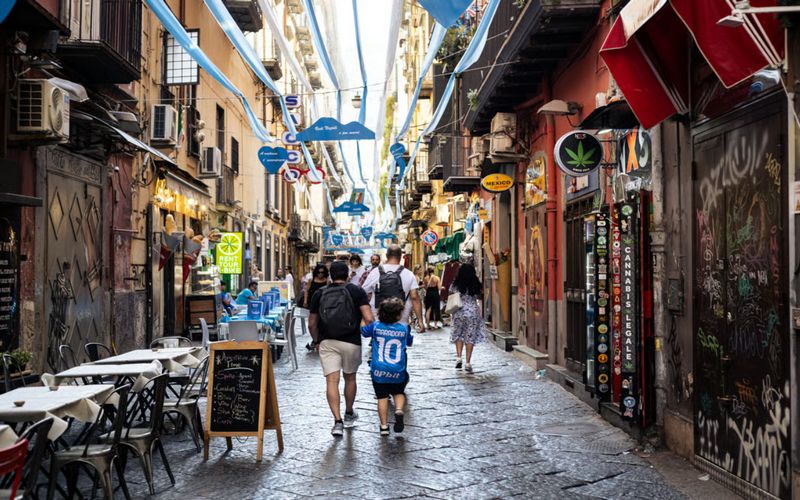
Beneath its chaotic energy, Naples hides a wealth of artistic treasures. The Capodimonte Museum features masterpieces by Titian, Caravaggio, and Masaccio, while the National Archaeological Museum boasts one of the world’s richest collections of Greco-Roman art, including mosaics from Pompeii.
Caravaggio’s The Seven Works of Mercy inside Pio Monte della Misericordia captures Naples’ blend of faith and drama. Stroll through the city’s historic center and you’ll find baroque churches adorned with frescoes, sculptures, and gilded altars that radiate emotion and grandeur. Naples is art in its most passionate, untamed form.
Turin – Refined Elegance and Hidden Masterpieces
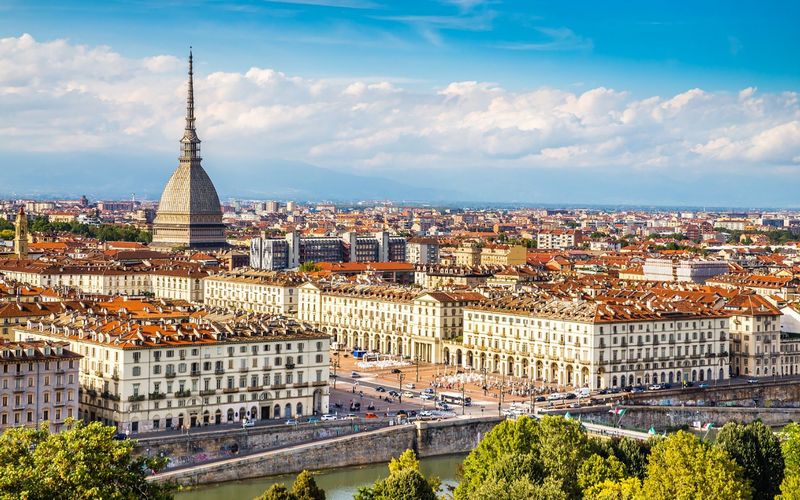
Often overshadowed by Italy’s more famous art cities, Turin offers a refined and unexpected art experience. Once the seat of the Savoy dynasty, the city is filled with royal palaces, baroque churches, and world-class museums.
The GAM (Galleria Civica d’Arte Moderna e Contemporanea) showcases 19th- and 20th-century art, while the Museo Egizio is the second most important Egyptian museum in the world. For lovers of modern design and photography, Fondazione Sandretto Re Rebaudengo presents thought-provoking contemporary exhibitions. With its elegant boulevards and understated charm, Turin offers art without the crowds.
Bologna – The Academic Heart of the Arts
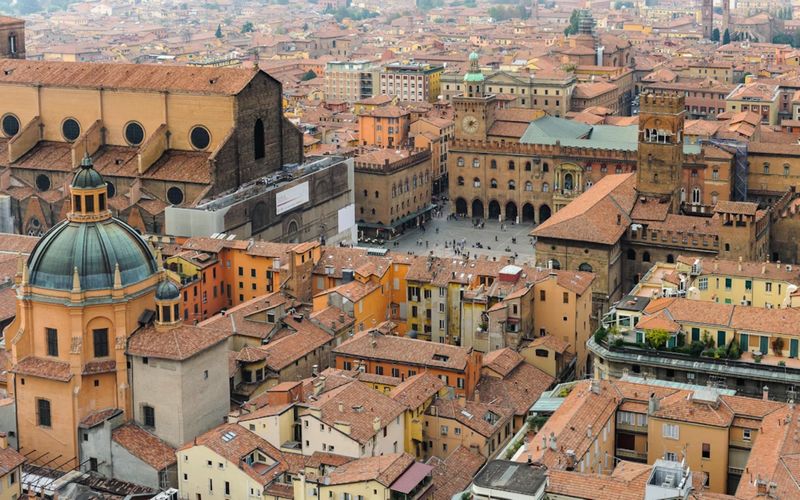
Home to Europe’s oldest university, Bologna is a city that celebrates knowledge, creativity, and experimentation. Its artistic soul shines through medieval towers, Renaissance palaces, and miles of porticoes.
The Pinacoteca Nazionale di Bologna features works by Giotto, Raphael, and the Carracci family—painters who transformed Baroque art. Street art also thrives here, giving Bologna a youthful and dynamic cultural edge. After visiting museums, explore the Archiginnasio Palace and the San Petronio Basilica, where historical frescoes reveal centuries of artistic devotion.
Siena – The Gothic Gem of Tuscany
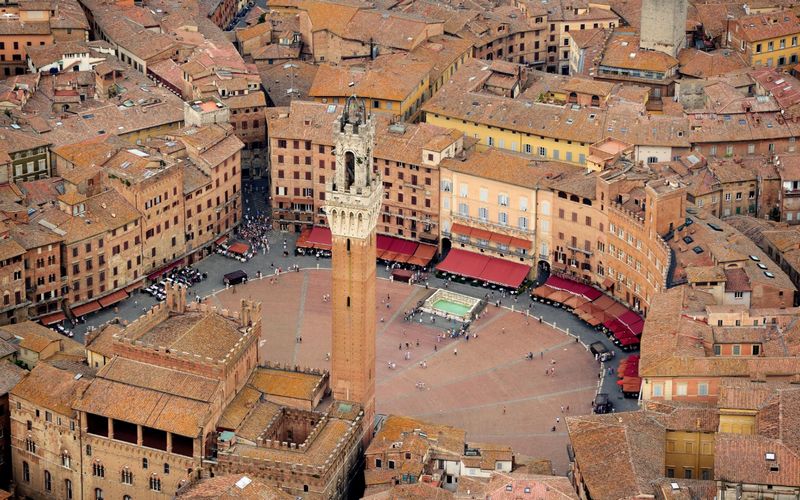
Siena feels like a city frozen in time. Walk into Piazza del Campo and you’ll see why people call it one of Italy’s most beautiful squares. Right nearby, the Duomo di Siena grabs your attention with its bold stripes of black and white marble and sculptures by Pisano and Donatello that almost seem to breathe.
Step into the Museo dell’Opera del Duomo and you’ll find Duccio’s Maestà — it’s massive, and honestly, it changed the way people painted for generations. The frescoes inside Palazzo Pubblico, especially Lorenzetti’s Allegory of Good and Bad Government, aren’t just old artwork. They still hit home, centuries later. Siena’s art isn’t just about looking pretty; it holds onto a vision of order and balance that feels rare these days.
Palermo – The Fusion of Cultures
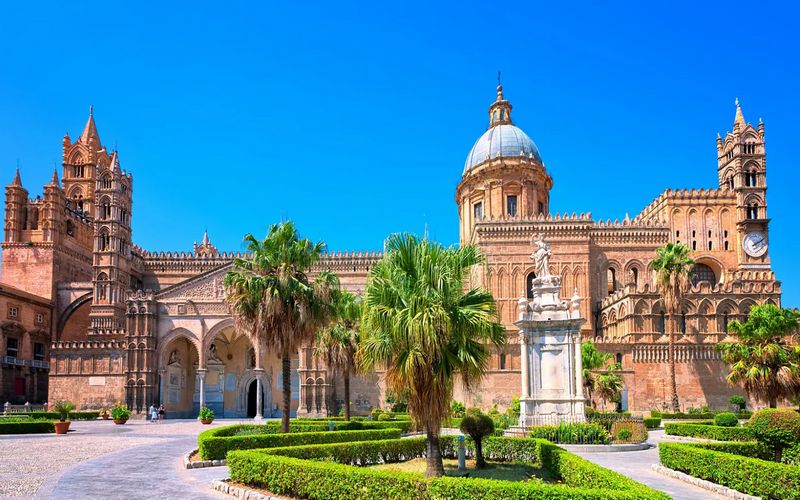
Palermo’s art is a wild mix of stories and cultures. Just look around: Norman arches, Arab domes, Byzantine mosaics, and bursts of Baroque drama. The Palatine Chapel is the real showstopper, decked out in gold mosaics and Arabic script — a true meeting point of worlds.
At the Regional Gallery of Sicily in Palazzo Abatellis, Antonello da Messina quietly steals the show. But if you wander the city, art spills out onto the streets. Murals and graffiti color the markets and back alleys, reminding you that Palermo’s creativity isn’t stuck behind museum walls. It’s everywhere, woven into daily life.
Verona – Romantic Beauty in Every Detail
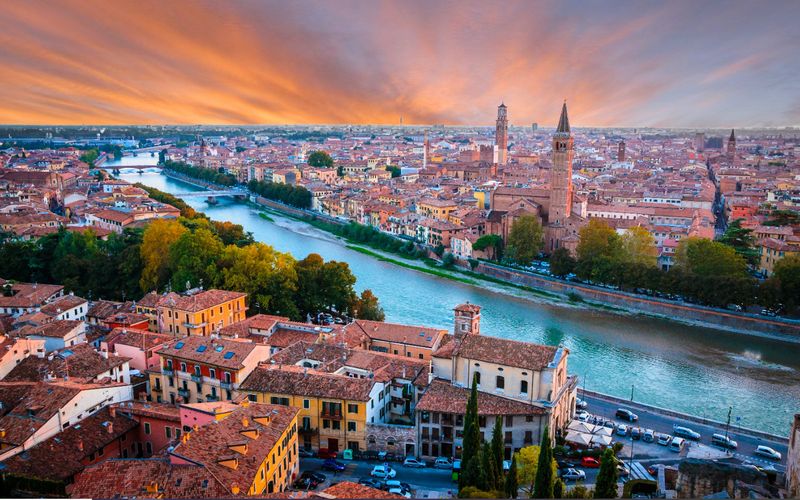
Sure, everyone knows Verona as the home of Romeo and Juliet. But honestly, the city’s got more going for it than just Shakespeare. The Castelvecchio Museum, redesigned by Carlo Scarpa, is a work of art all on its own, and inside you’ll stumble across paintings by Pisanello, Bellini, and Veronese.
Then there’s the Roman Arena, still standing strong, and churches like San Zeno Maggiore, filled with centuries-old frescoes. Verona pulls off this rare trick — old Roman bones mixed with Renaissance elegance. The result? The whole city feels timeless, like it was made for anyone who loves art, romance, and a good story.