Playa de las Catedrales, Galicia
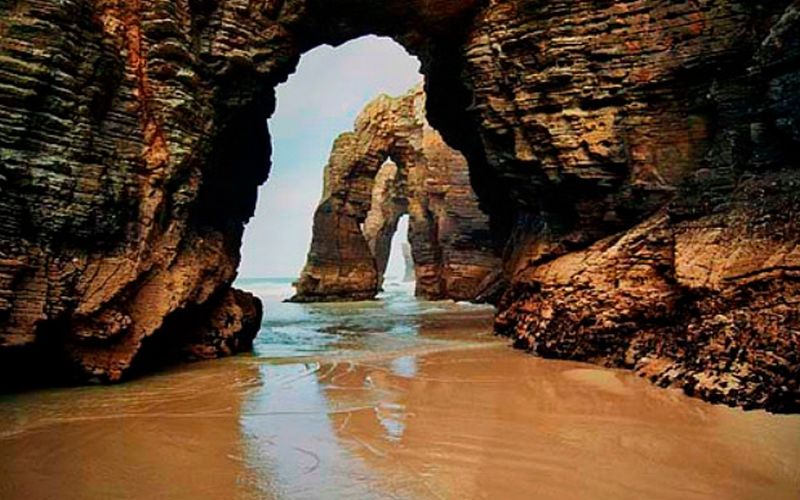
Up in the far northwest of Spain, you’ll find Playa de las Catedrales—a place that feels pulled from a dream. When the Atlantic tide pulls back, it reveals soaring rock arches and shadowy caves, all carved by the sea, and they really do look like the spires of some ancient cathedral. You can wander under these giant stone vaults, duck into sea tunnels, and just watch the sunlight spill through the arches. It’s so surreal that UNESCO has actually considered making it a World Heritage Site. But here’s the thing: you’ve got to check the tide charts. At high tide, the whole beach just disappears under the waves.
Albarracín, Aragón
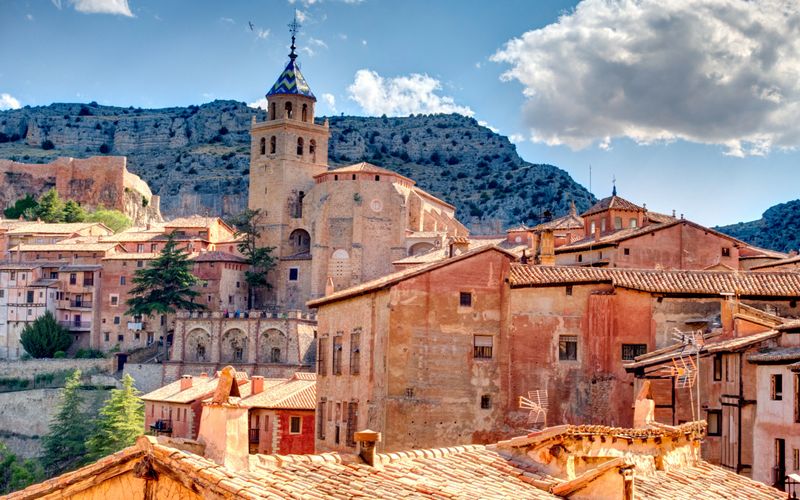
Albarracín sits high on a rocky hill in Aragón, and honestly, it’s like walking straight into a storybook. The houses are all warm terracotta, the streets twist and turn, and old fortress walls snake along the cliffs. At sunset, the whole place glows pink. Get lost in the maze of narrow alleys—trust me, you’ll want to. What’s wild is that, for all its charm, Albarracín stays pretty quiet compared to Spain’s tourist hotspots. So if you’re looking for a fairytale village without the crowds, this is the spot.
Las Médulas, León
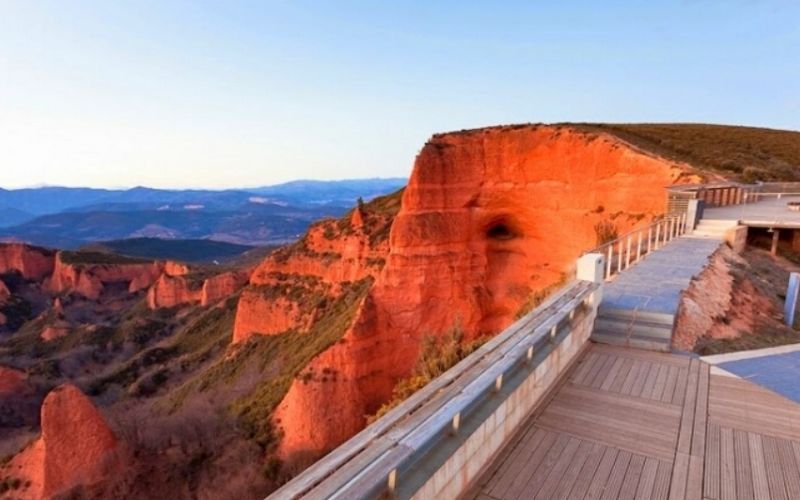
Picture jagged red peaks rising out of lush, green chestnut forests. That’s Las Médulas, once the Roman Empire’s biggest gold mine. These days, it’s a UNESCO World Heritage Site, and the hiking trails wind through hills of red clay shaped by ancient mining. The colors—fiery rock against deep green—are just unreal, and for some reason, most travelers skip right past it. If you want to see one of Spain’s wildest landscapes, you can’t miss this place.
Cudillero, Asturias
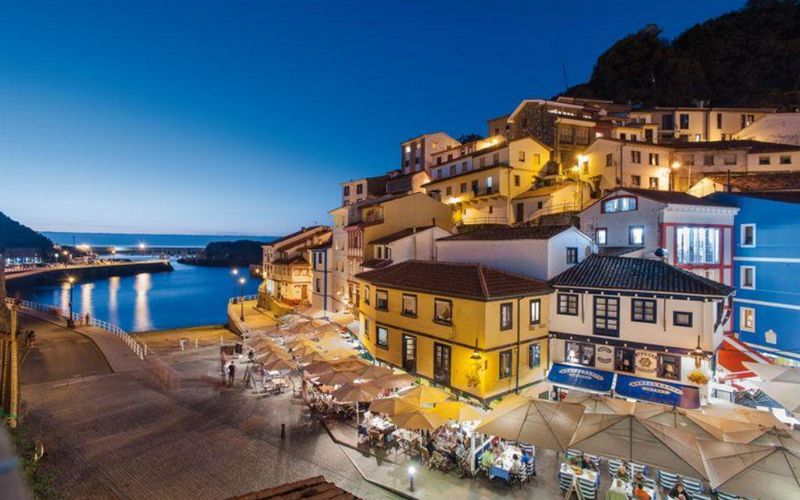
Asturias doesn’t get the coastal hype of other Spanish regions, but tucked away there is Cudillero—a fishing village that’s straight-up postcard material. Houses in every color tumble down a steep hillside toward the harbor. Locals say fishermen painted their homes bright so they could spot them from out at sea. Beyond the views, you get incredible seafood and little hidden coves where you can soak in the rugged northern coast, far from the crowds.
Setenil de las Bodegas, Andalusia
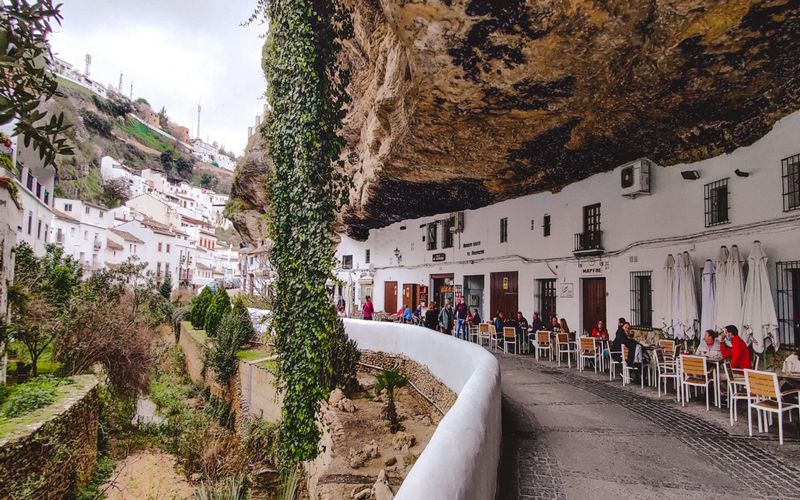
Lots of towns in Andalusia are famous for their whitewashed houses, but Setenil de las Bodegas is something else. Here, the homes and cafes are literally built into and beneath massive slabs of rock. Wander the streets and you’ll see stone ceilings overhead, shops that seem to grow right out of the cliff, and sunlight filtering down through cracks in the rock. The whole town feels like it was sculpted by nature and humans at the same time. It’s a must-see if you’re driving between Ronda and Granada.
Bardenas Reales, Navarra
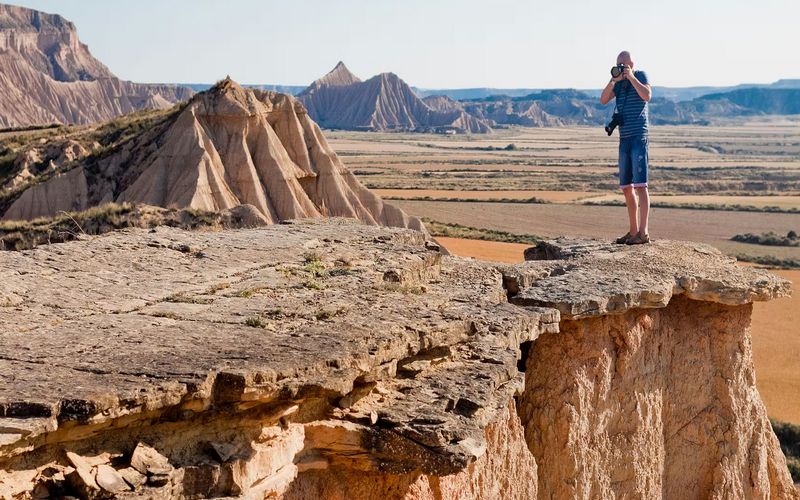
Think Spain is all rolling green hills and sunny beaches? Not in Navarra. The Bardenas Reales flips the script with a desert straight out of a western. Clay, gypsum, and sandstone stretch out in weird, wind-carved shapes—canyons, plateaus, and crazy rock towers. It’s so otherworldly that TV shows like Game of Thrones have filmed here. You can hike, bike, or drive through the area, and honestly, it feels like you’re on another planet.
Fragas do Eume, Galicia
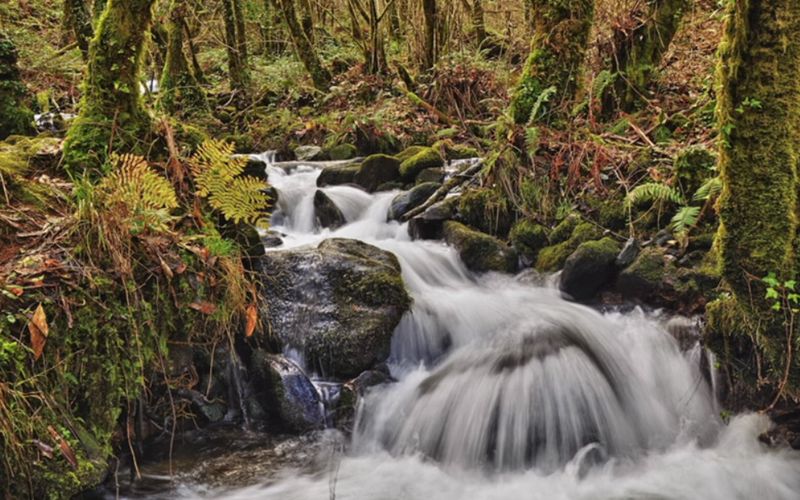
Galicia isn’t just wild coastline. It hides one of Europe’s last Atlantic rainforests: Fragas do Eume. Walking here, you half expect elves to pop out from behind mossy trees. Stone bridges cross misty rivers, and green just explodes everywhere. Deep in the woods, the Monastery of Caaveiro sits perched on a rocky outcrop. Despite how magical it is, hardly anyone visits. If you love untouched nature, this is your kind of park.
Guadalupe, Extremadura
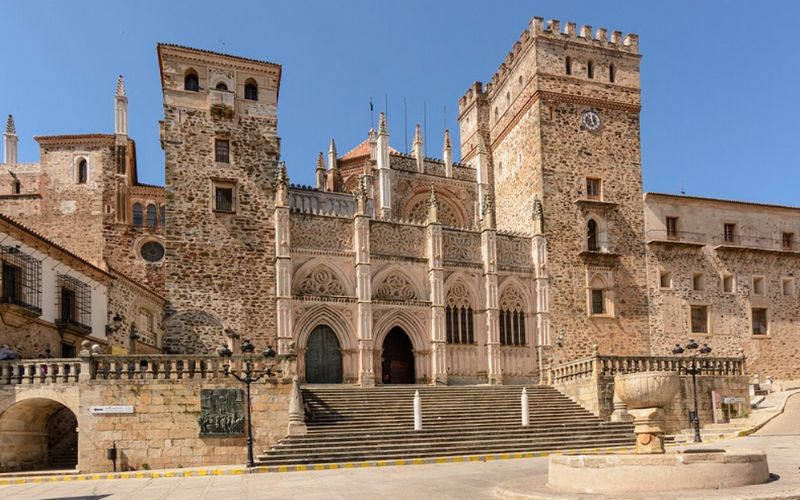
Extremadura doesn’t show up in many travel plans, which is a shame—because that’s where you’ll find Guadalupe. The town itself is all cobbled squares and old-world charm, but the real standout is the Monastery of Santa María de Guadalupe. This place goes back to the 14th century and holds art by legends like El Greco and Goya. The whole town feels like a secret, almost like you’ve stumbled onto a lost chapter of Spanish history.
Rupit, Catalonia

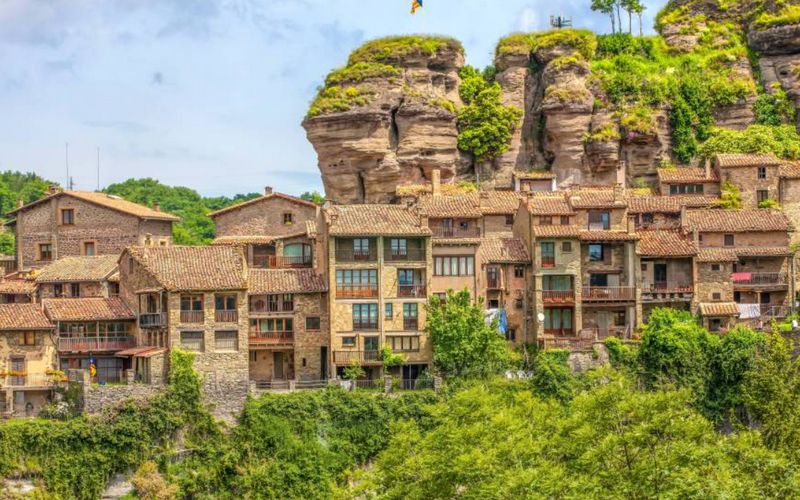
Barcelona gets all the attention, but if you want something quieter, head for Rupit. This medieval village sits high on a rocky hill, with stone houses and balconies draped in flowers. There’s even a wooden suspension bridge that sways its way into the heart of town. The forests around it are full of waterfalls and hiking trails. It’s the sort of place where you lose track of time, and every turn is begging for a photo.
Gaztelugatxe, Basque Country