Prague, Czech Republic

People call Prague the “City of a Hundred Spires,” and honestly, it lives up to the name. The Old Town feels straight out of a storybook, with winding cobblestone streets, gothic cathedrals, and the Charles Bridge stretching over the Vltava River. History runs deep here—you see it in every baroque building and hidden alley. Wander the Old Town Square, climb up to Prague Castle, and grab a hearty meal at a traditional Czech pub. At night, the city buzzes with energy, from lively bars to up-and-coming art galleries.
Budapest, Hungary
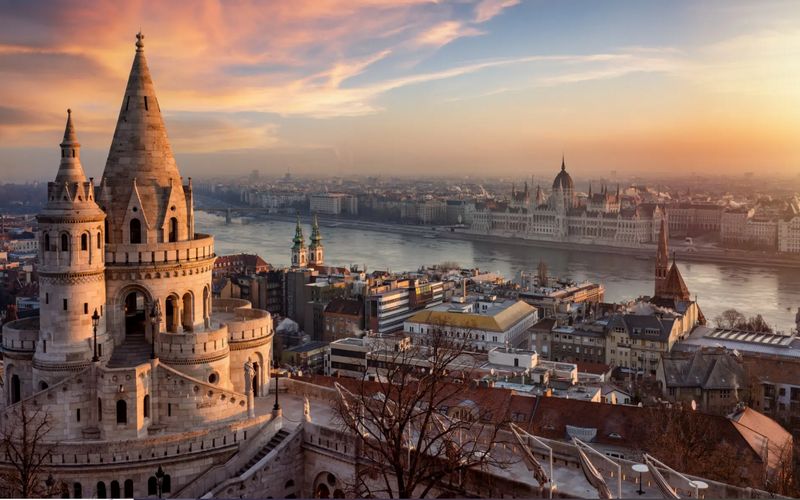
Budapest sits on both sides of the Danube, and the views are just stunning. The city is famous for its thermal baths—think Széchenyi and Gellért—where locals and visitors go to soak and unwind. Don’t skip Buda Castle, Fisherman’s Bastion, or the Parliament building; they’re all must-sees. If you’re up for something different, check out the ruin pubs. These quirky bars pop up in abandoned buildings and have a vibe you won’t find anywhere else. Budapest mixes history with a youthful spirit, and it’s impossible not to fall for its charm.
Kraków, Poland
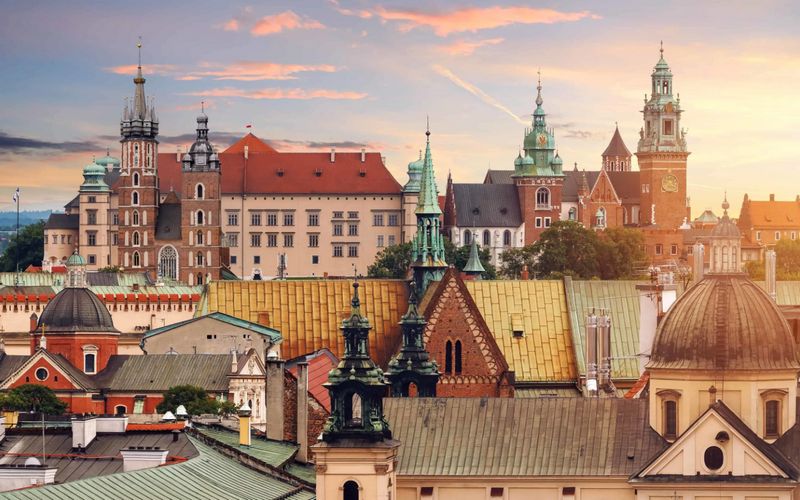
Kraków holds the title of Poland’s cultural capital, and it’s easy to see why. The medieval heart of the city circles around the lively Main Market Square, where street performers, cafes, and markets keep things buzzing day and night. Wawel Castle overlooks the Vistula River and tells tales of kings and legends. The city also opens the door to the powerful Auschwitz-Birkenau memorial and the unforgettable Wieliczka Salt Mine. With its mix of art, history, and everyday life, Kraków draws you in and doesn’t let go.
Tallinn, Estonia
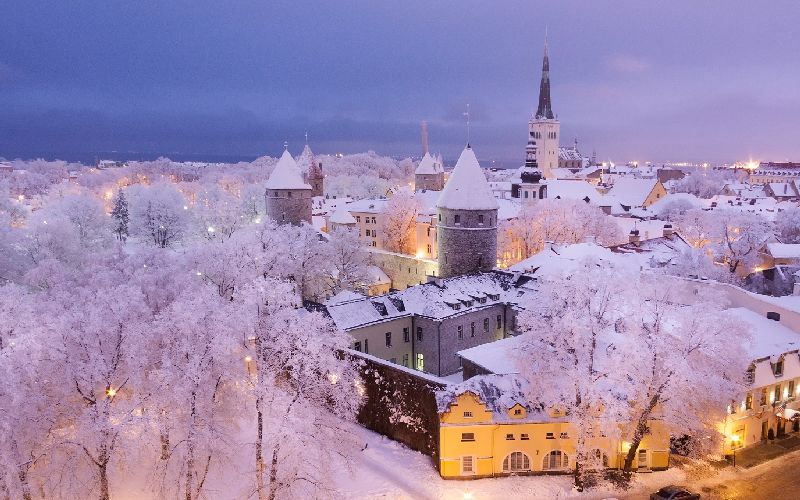
Tallinn is one of those places that surprises you. Its Old Town is perfectly preserved—think cobblestone streets, old churches, and cozy squares. But Tallinn isn’t stuck in the past. It’s got a booming tech scene, which is why people sometimes call it the “Silicon Valley of Europe.” Climb up to Toompea Castle, wander through narrow alleys filled with hidden cafes, and don’t miss the sea views, especially when summer rolls around.
Sofia, Bulgaria
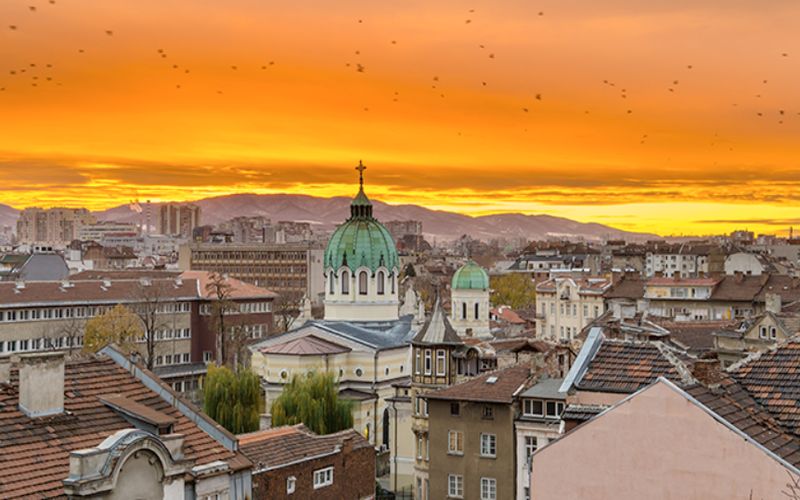
Sofia is a city layered with history. You’ll spot Roman ruins, Orthodox churches, and Ottoman mosques all sharing the same skyline. Landmarks like the golden-domed Alexander Nevsky Cathedral and the Rotunda of St. George show off the city’s different faces. Sofia is surprisingly green, packed with parks, and it backs right up to Vitosha Mountain—perfect for hiking or skiing. It’s affordable, creative, and full of energy in its art and food scenes.
Riga, Latvia
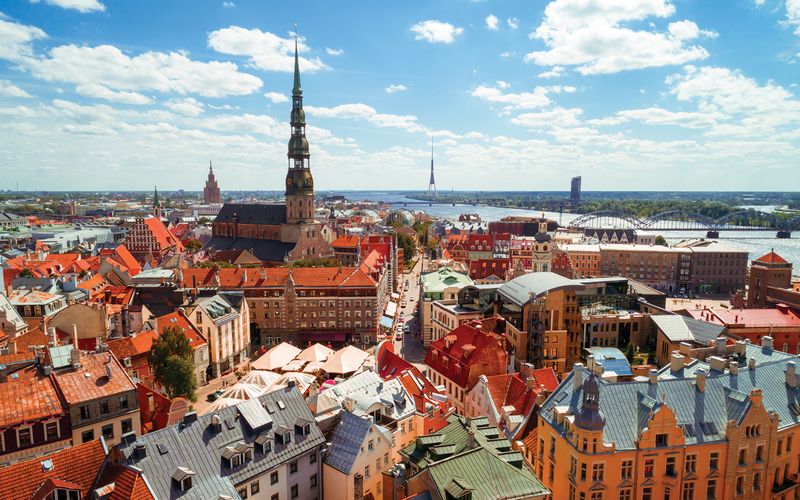
Riga catches your eye with a wild mix of Gothic, Baroque, and Art Nouveau buildings. The Old Town feels lively and atmospheric, and the Central Market is always buzzing. Music fans should swing by the Opera House, while food lovers can dig into modern takes on Latvian classics at the city’s growing range of restaurants. The Daugava River winds through the city, and with Jurmala beach nearby, Riga feels fresh and full of life.
Belgrade, Serbia
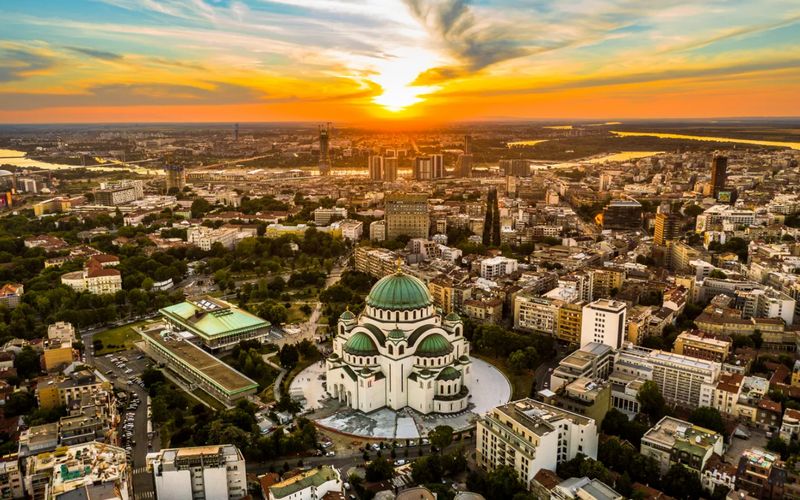
Belgrade is a city of contrasts—ancient fortresses sit next to communist-era blocks and modern cafes. The Kalemegdan Fortress gives you sweeping views of the Danube and Sava rivers. For a taste of local life, head to Skadarlija, the bohemian quarter, where you’ll find hearty Serbian food, live music, and plenty of character. When night falls, Belgrade comes alive, especially on the floating river clubs known as splavovi. The city’s energy is contagious.
Vilnius, Lithuania
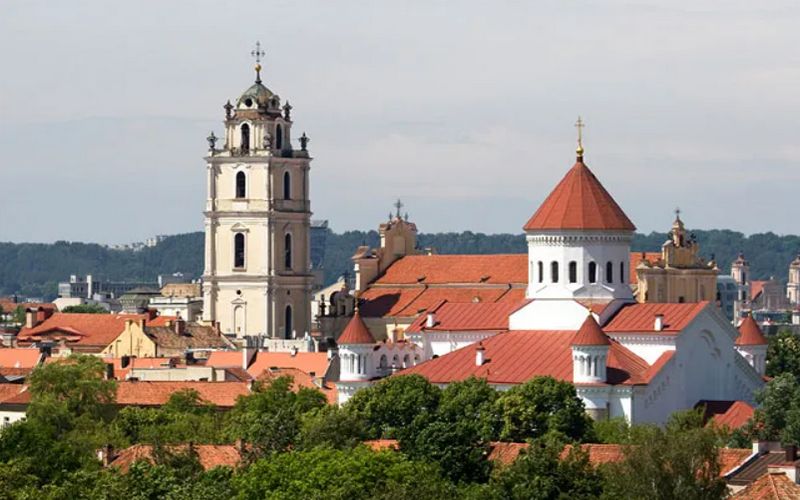
Vilnius wins people over with its baroque buildings, creative spirit, and laid-back vibe. The Old Town is huge and beautiful, packed with winding streets, quiet courtyards, and old churches. Don’t miss Užupis—a quirky neighborhood run by artists that declared itself an independent republic. Vilnius also opens the door to Lithuania’s green countryside and Baltic beaches.
Cluj-Napoca, Romania
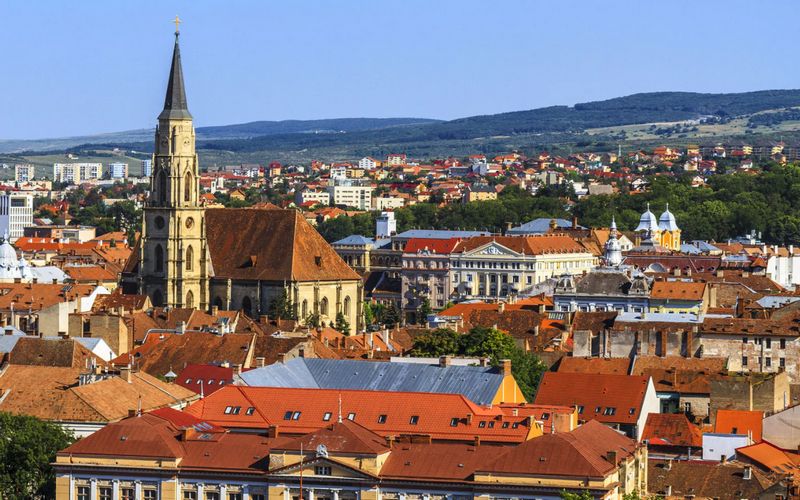
Right in the heart of Transylvania, Cluj-Napoca is Romania’s go-to spot for culture and learning. The city blends Austro-Hungarian architecture with a youthful edge, thanks to its big student population. You’ve got highlights like St. Michael’s Church, the Ethnographic Museum, and Central Park, plus easy access to the Apuseni Mountains and legendary castles like Corvin and Bánffy. The city’s reputation for art, film, and tech is only getting bigger—Cluj is definitely one to watch in Eastern Europe.
Skopje, North Macedonia
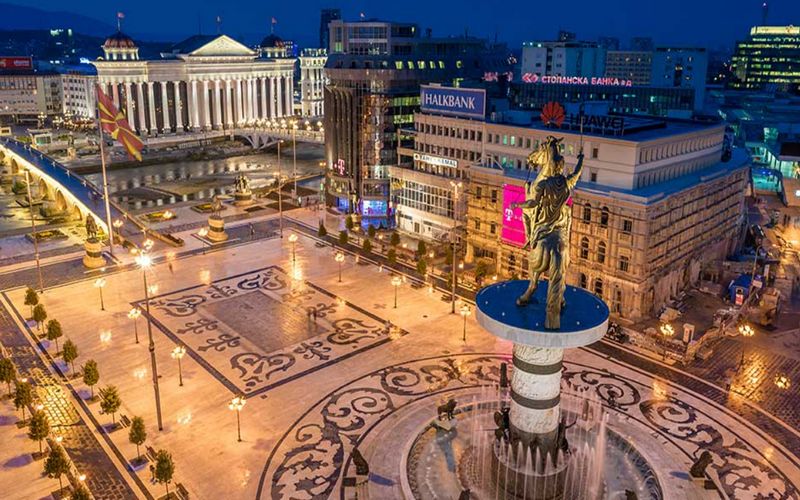
Skopje stands out as one of Europe’s most unusual capitals. Lately, the city’s changed a lot—think huge statues and flashy neoclassical buildings popping up everywhere, giving the place a kind of dreamlike vibe. But if you look past all that, you’ll find a city with real depth and a wild history. Wander through the Old Bazaar and you’re stepping into one of the Balkans’ biggest and oldest marketplaces, packed with Ottoman-era buildings, mosques, and tiny artisan shops. If you want a break from the city, Matka Canyon is just a short trip away. Out there, you get cliffs, hidden caves, monasteries, and boat rides—all the nature you could ask for.