Procida – The Colorful Soul of the Bay of Naples
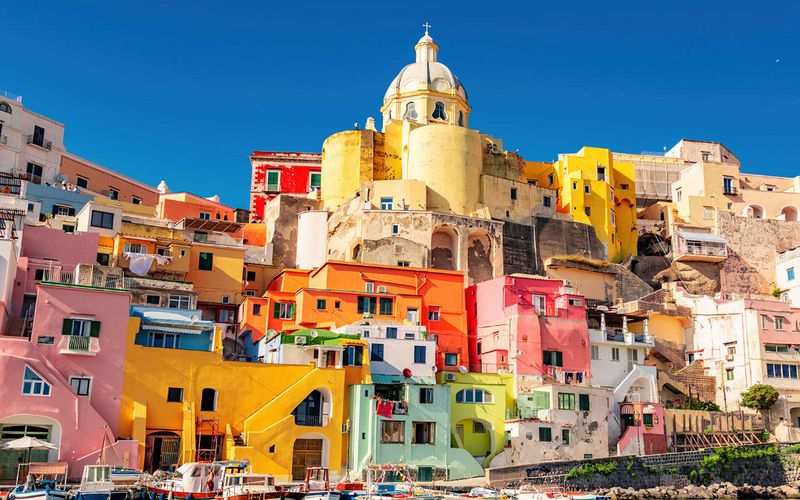
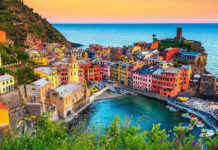
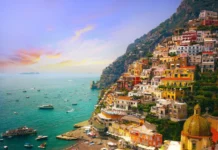
Capri and Ischia pull in the crowds, but Procida just does its own thing. It’s tiny, local, and still feels untouched—even after being named Italy’s Capital of Culture in 2022. The pastel houses spill down to Marina Corricella, and everything about the place feels like a painting that never tries too hard.
Lose yourself in the narrow alleys thick with lemon trees. Grab a plate of seafood by the water, or climb up to the old Terra Murata village for knockout sea views. What makes Procida special? It’s simple, really. Fishermen still fix their nets as the sun comes up. You eat gelato at sunset, and no one’s fighting for a spot.
Ponza – The Roman Riviera’s Secret Escape
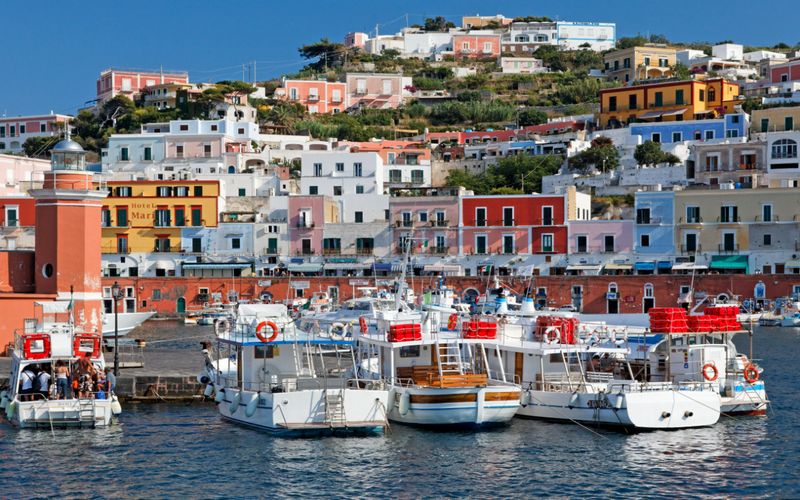
For a lot of Romans, Ponza is the secret summer address. It sits halfway between Rome and Naples, out in the Pontine Islands, and brings together wild cliffs, impossibly blue water, and hidden coves you can only reach by boat.
The harbor is lined with whitewashed houses, and the grottoes—they’re as stunning as anything Capri offers. You can hike the trails, rent a boat to check out the caves of Pilate, or just hang by the water with an aperitivo. Ponza feels like the Mediterranean before the crowds, a little wild around the edges.
Pantelleria – The Black Pearl of the Mediterranean
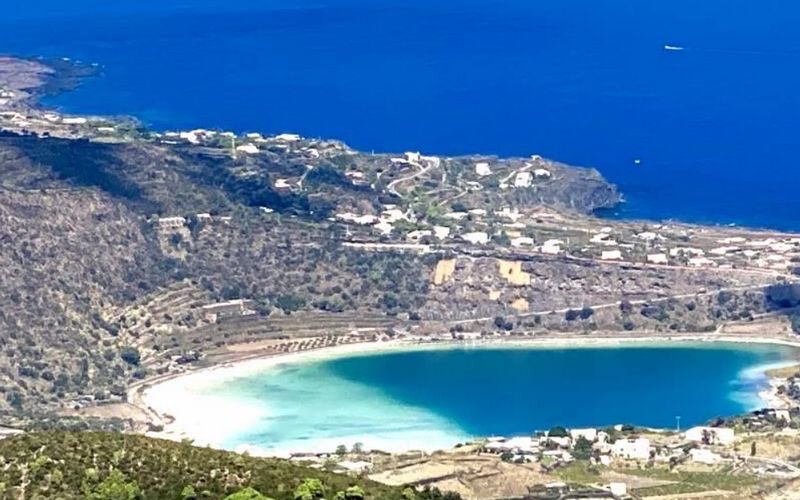
Pantelleria is closer to Tunisia than Italy, and you feel it everywhere. This island was born out of volcanoes, so you get steaming hot springs, black lava cliffs, and old terraces bursting with capers and vineyards.
The dammusi—those stone houses—fit perfectly into the rugged landscape. Take a swim in the Specchio di Venere, a thermal lake with a legend that Venus herself used it as a mirror. Pantelleria isn’t for everyone, but if you want solitude, realness, and nature at its most raw, you’ll find it here.
Ischia – The Green Island of Wellness
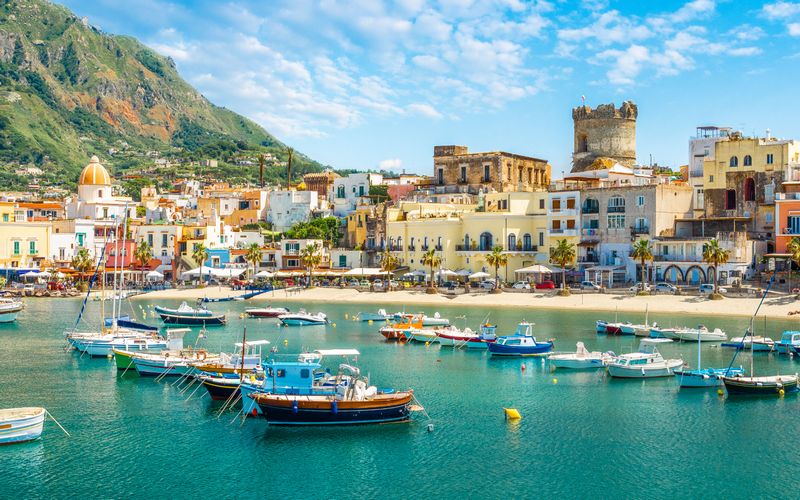
Ischia doesn’t get the hype that Capri does, but it should. It’s bigger, lush, and wrapped in green, thanks to all that volcanic soil. The island is famous for its thermal springs, so if you’re into wellness, you’re in the right place.
People rave about the Poseidon Thermal Gardens and Negombo Spa Park. Then there’s Castello Aragonese, standing tall above the sea and adding a bit of drama. The beaches—like Maronti and San Montano Bay—are perfect whether you want to relax or explore.
Elba – Napoleon’s Island of Exile
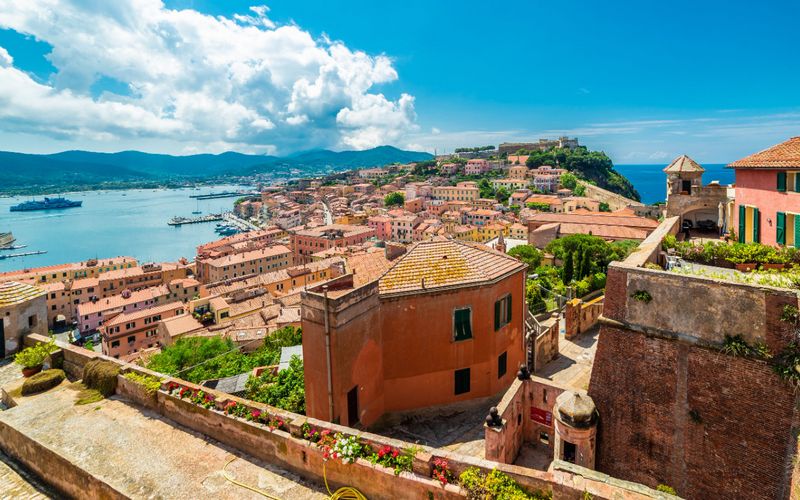
Elba is the biggest island in the Tuscan Archipelago, and it’s way more than just Napoleon’s old stomping ground. Think golden beaches, rolling hills, and villages that look like they belong in a fairy tale. Portoferraio, the main town, is all pastel houses, old forts, and views over turquoise water.
The beaches swing from pebbly coves like Sansone to soft sands at Cavoli. History buffs can check out Napoleon’s old homes, while hikers head up Monte Capanne for views out to Corsica. It’s a spot that manages to blend adventure, culture, and pure seaside peace.
Favignana – The Butterfly Island of Sicily
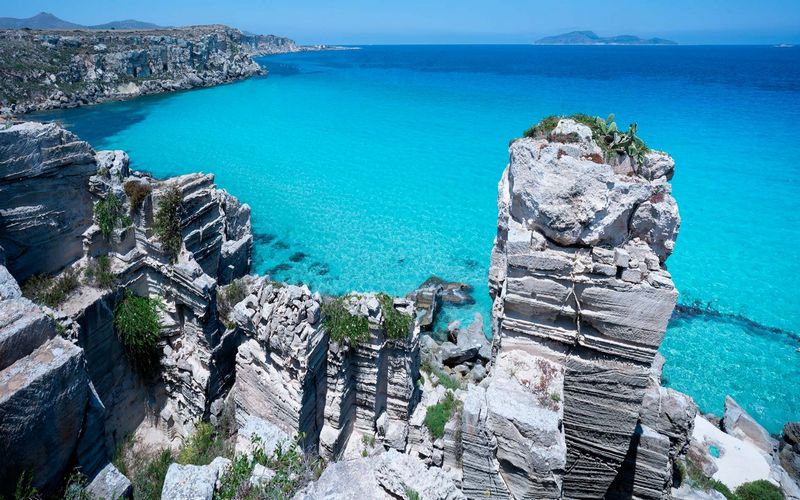
Favignana looks like a butterfly when you see it from above, and people love it for the water—clear, bright, and impossible to forget. Cala Rossa and Cala Azzurra both rank among Italy’s most beautiful places to swim, their turquoise shades giving the Caribbean a run for its money.
The island was once all about tuna fishing, and that easygoing spirit still lingers. Ride a bike across the island, tour the old Tonnara Florio tuna factory, then grab fresh seafood and a glass of Sicilian white as the sun drops behind the harbor.
Salina – The Green Heart of the Aeolian Islands
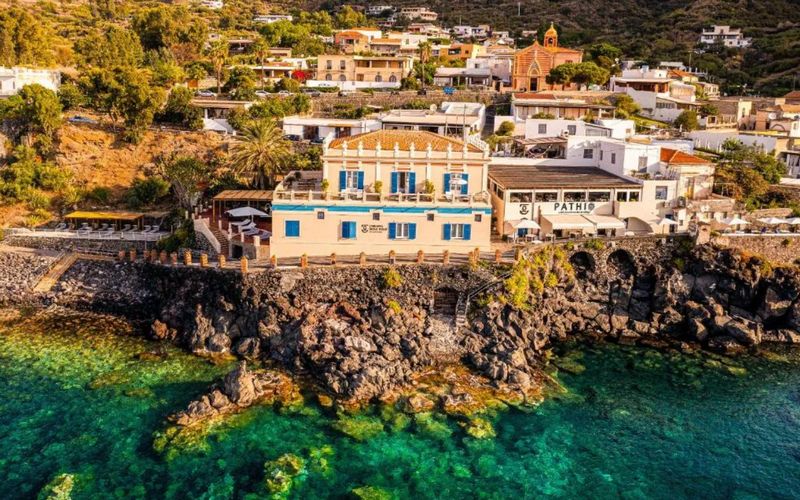
Salina stands out in the Aeolian Islands. It’s green, peaceful, and wrapped in vineyards. There’s none of the buzz you get on Stromboli or Lipari—just a laid-back vibe and the sweet aroma of Malvasia delle Lipari, the island’s famous dessert wine.
Two volcanoes, Monte Fossa delle Felci and Monte dei Porri, shape the skyline and offer up some great hiking. The harbor villages, Santa Marina and Malfa, have that quiet elegance you only find in places that don’t need to show off. Maybe that’s why filmmakers chose Salina for scenes in Il Postino.
Giglio – A Tuscan Secret Worth Discovering
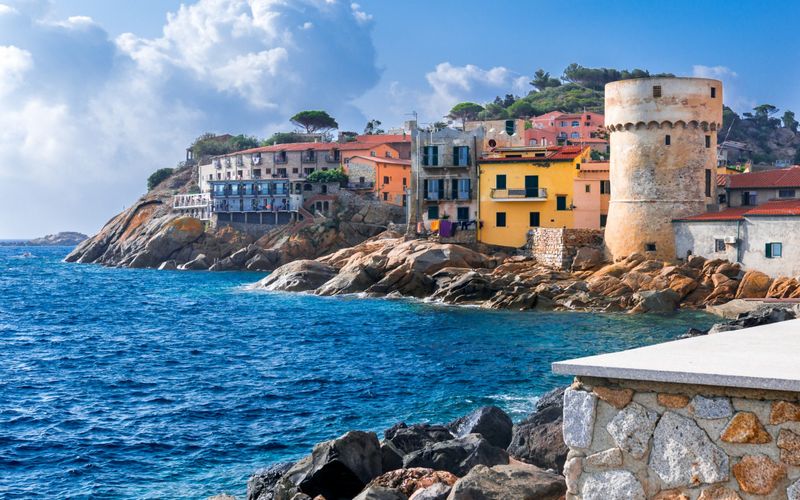
Out in the Tuscan Archipelago National Park, Giglio Island stays under the radar. People remember it for the Costa Concordia disaster, but that’s old news. Now, Giglio is all about clear water and unspoiled nature.
Giglio Campese has a sandy bay tucked between cliffs, while the medieval village of Giglio Castello sits high with narrow lanes full of rosemary and sea air. If you love swimming, hiking, and the simple pleasures of a real seaside escape, Giglio is the place to go.
San Domino – The Jewel of the Tremiti Islands
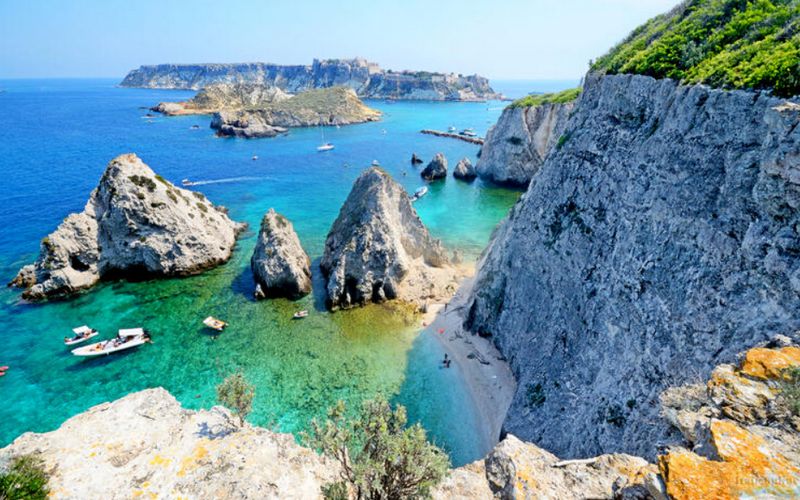
Out in the Adriatic, not far from Italy’s Gargano Peninsula, the Tremiti Islands drift quietly—most people haven’t even heard of them. San Domino is the biggest, and honestly, it grabs you right away. Pine forests fringe the rocky coast, sea caves hide around every bend, and the water’s so clear you’ll want to dive in, mask or no mask.
Long ago, people sent exiles here. Now, it’s all about peace and lazy afternoons. Hop on a boat, and you’ll find secret spots like Cala delle Arene and Grotta del Bue Marino. When you get hungry, the local trattorias bring out whatever the fishermen hauled in that morning—fresh, simple, unbeatable. If you’re into history or art, San Nicola Island is just a short trip away. The old abbey ruins and Roman relics are right there, half lost to time.
Marettimo – The Untouched Treasure of the Aegadian Islands
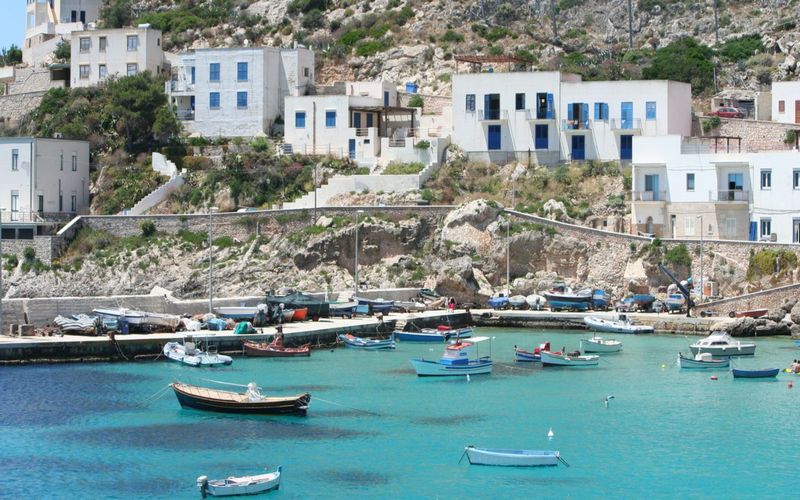
All the way west, Marettimo sits apart from the world. It’s the last stop in the Aegadian Islands and feels a bit like stepping back in time. There’s only one tiny village, and the rest is wild—just hiking trails and endless sea views.
The cliffs drop straight into water so clear you can see the stones on the bottom. Sea caves cut into the rock, but you’ll need a boat to find most of them. Marettimo doesn’t do fancy hotels or crowds. It’s quiet, slow, and real. Here, you wake up to fishing boats chugging past and the sound of waves. Life hasn’t changed much in generations, and that’s exactly why people come.