Hallstatt, Austria
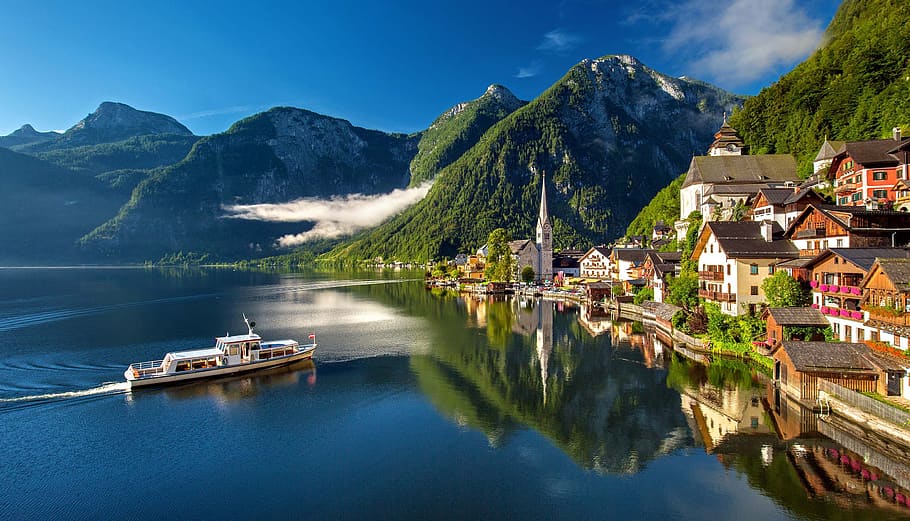
Hallstatt looks like it’s been plucked right out of a storybook—tucked along the edge of a sparkling lake, with mountains looming all around. The setting alone is enough to make you stop and stare. Those mountains aren’t just for show, either. They hide some wild caves, including the famous Ice Cave. Not many places let you wander through massive ice caverns like this, and honestly, Hallstatt’s are hard to beat. If you want more, check out the Mammoth Cave for a good trek, or brave the 5 Fingers Lookout, where you can hang high above the valley and soak up views that feel almost unreal. Just a heads-up: the Ice Cave closes from late October to May, but Dachstein Mountain and the alpine huts stay open through winter.
Zermatt, Switzerland
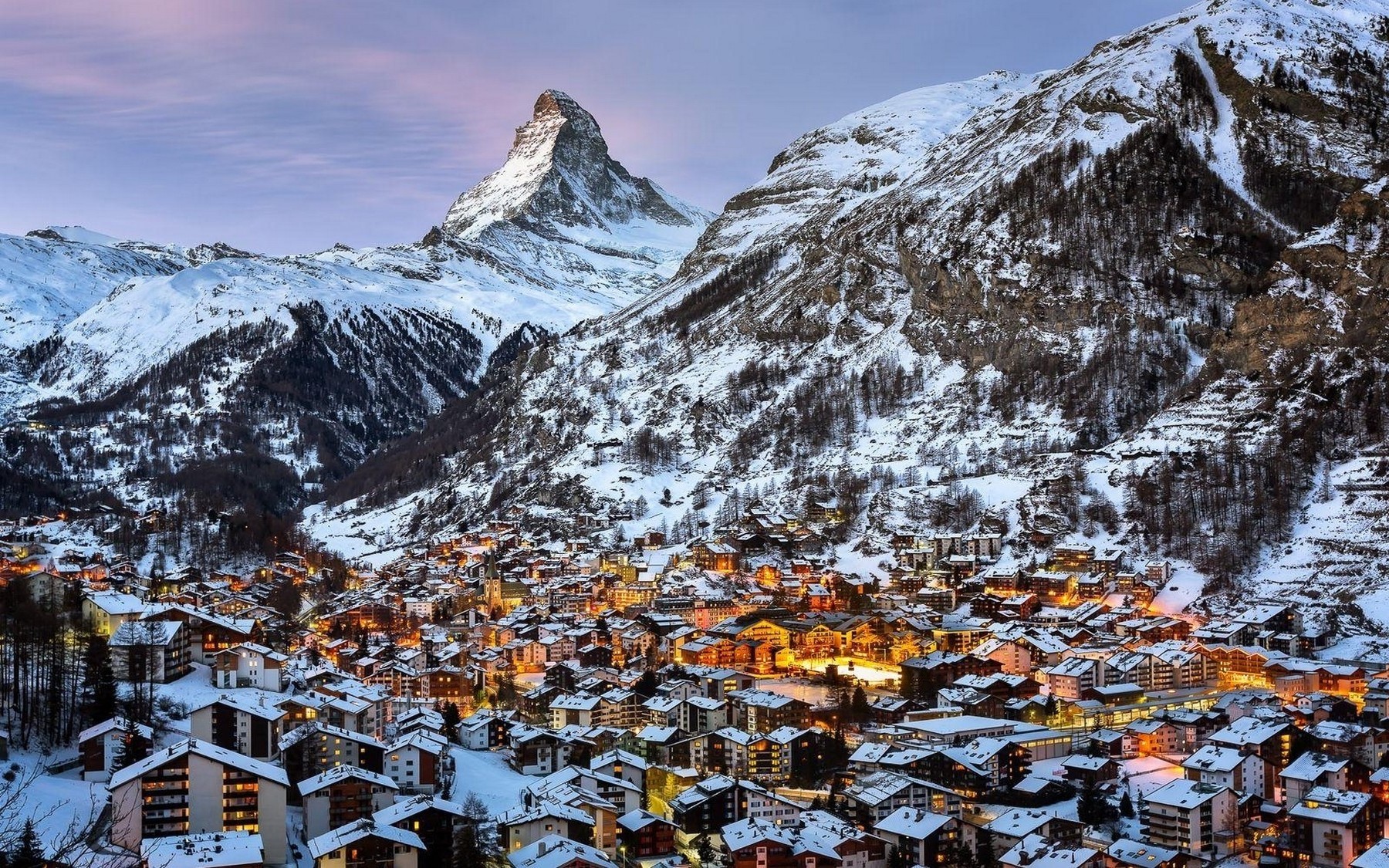
Zermatt is all about the Matterhorn. You can’t miss it—a jagged peak nearly 15,000 feet tall, straddling the border between Switzerland and Italy. It’s probably the most photographed mountain in the world, and standing beneath it, you’ll see why. If climbing isn’t your thing, just hop on the cable car straight to the summit. The view from Europe’s highest scenic platform is something you won’t forget. Down in the valley, hiking trails twist through a landscape filled with quiet streams and waterfalls. And for those who can’t get enough snow, Zermatt lets you ski on the glacier year-round.
Chambery, France
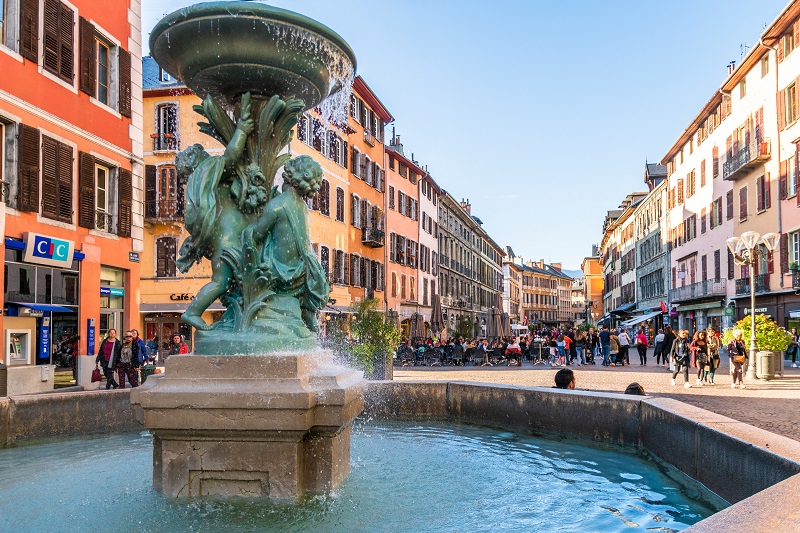
Chambery sits tucked in France’s Rhone-Alpes region, nestled between the Bauges and Chartreuse Mountains along the Leysse River. Step into the old town and you’ll find one of the Alps’ best preserved medieval centers. Wander its colorful lanes on a sunny afternoon, starting at Place Saint-Leger. Here, the Fontaine des Marmousets bubbles away next to a 19th-century sun-dial, all set off by rows of tall, pastel houses and outdoor cafes that pretty much beg you to sit down and soak up the scene. Don’t miss the Fontaine des Éléphants—a monument from 1838, where four life-sized elephants meet around a column shaped like the Savoyan cross, topped by a statue of de Boigne.
Bled, Slovenia
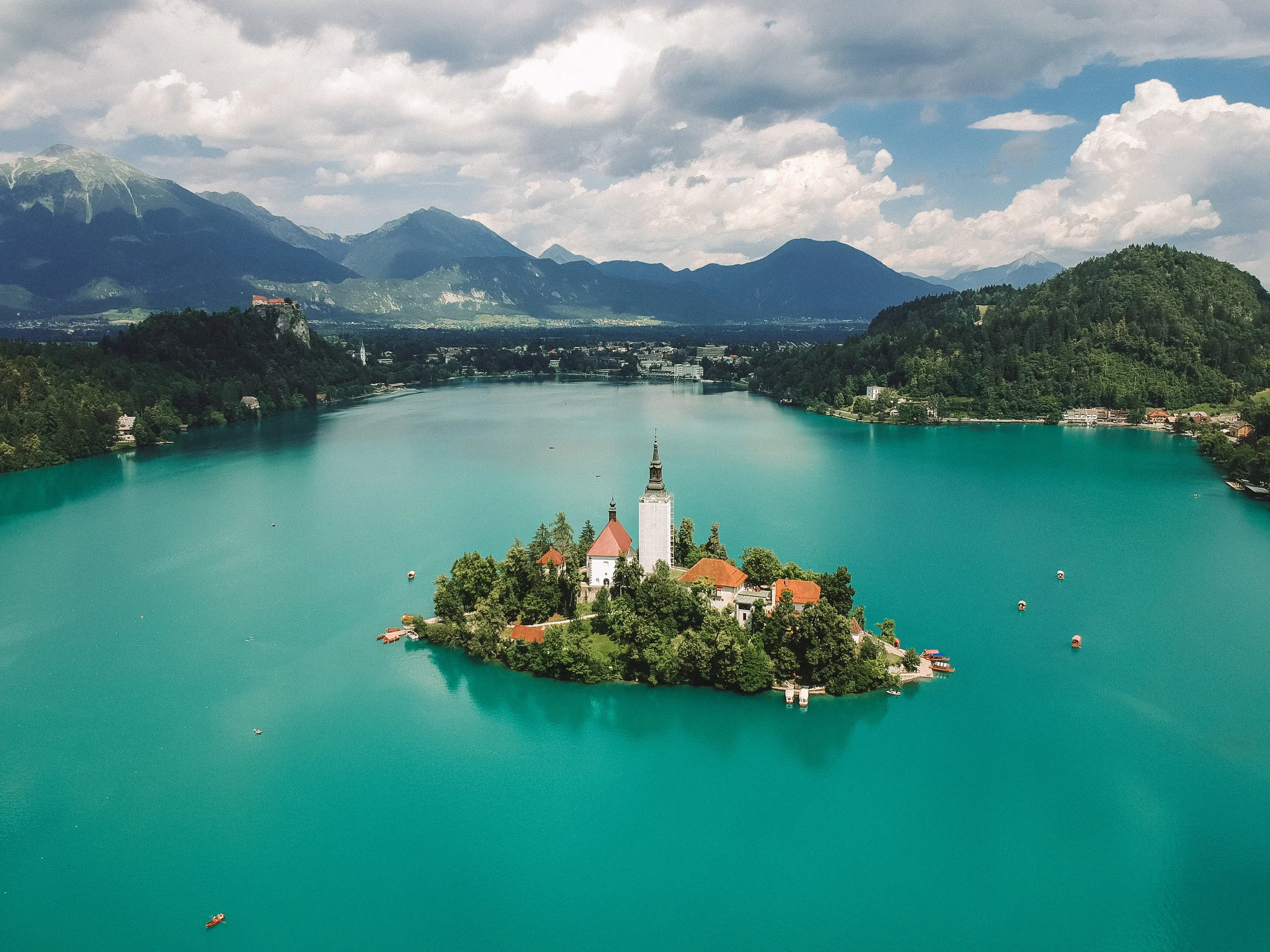
Bled is Slovenia’s showstopper. The spot by Lake Bled is almost too good to be true—alpine mountains, crystal blue water, and a castle perched on a tiny island. When the sun rises or sets, the whole place glows, and it’s no wonder artists and travelers flock here just to catch the light. You’ll find plenty of trails for hiking or backpacking if you want to stretch your legs. The best view? Head up to the 12th-century castle, which clings to a cliff above the lake. Besides the scenery, you can check out the museum, a printing shop, a wine cellar where you can bottle your own wine and seal it with wax, and even a restaurant with views that are hard to beat.
Cortina d’Ampezzo, Italy
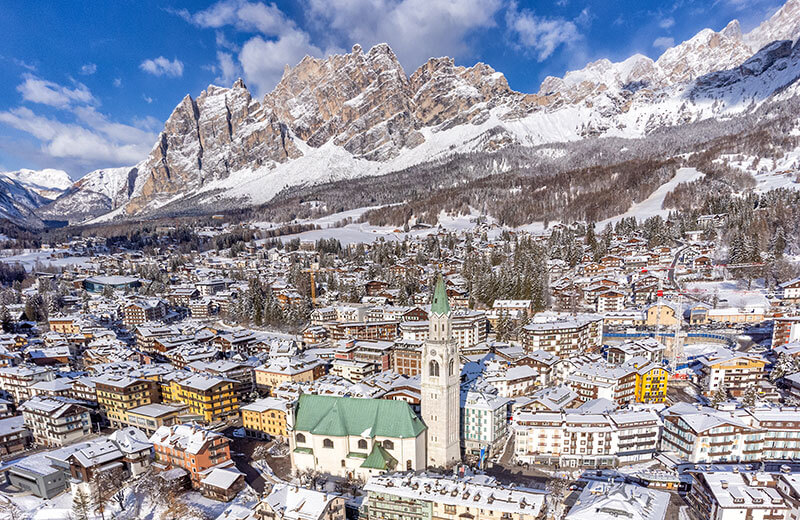
Cortina d’Ampezzo sits along the Boite river, right in the heart of the Southern Alps. The Dolomites tower above, and the scenery is just outrageous. Cortina’s slopes are legendary—think steep runs and sweeping views, the kind you’ve seen in movies like James Bond’s “For Your Eyes Only” and the original “Pink Panther.” But there’s more here than just skiing. Winter brings snowboarding, snowshoeing, sledding, and ice skating. When it warms up, hiking, mountaineering, and mountain biking take over. And when night falls, the town comes alive with bars, clubs, and late-night discos.
Metsovo, Greece
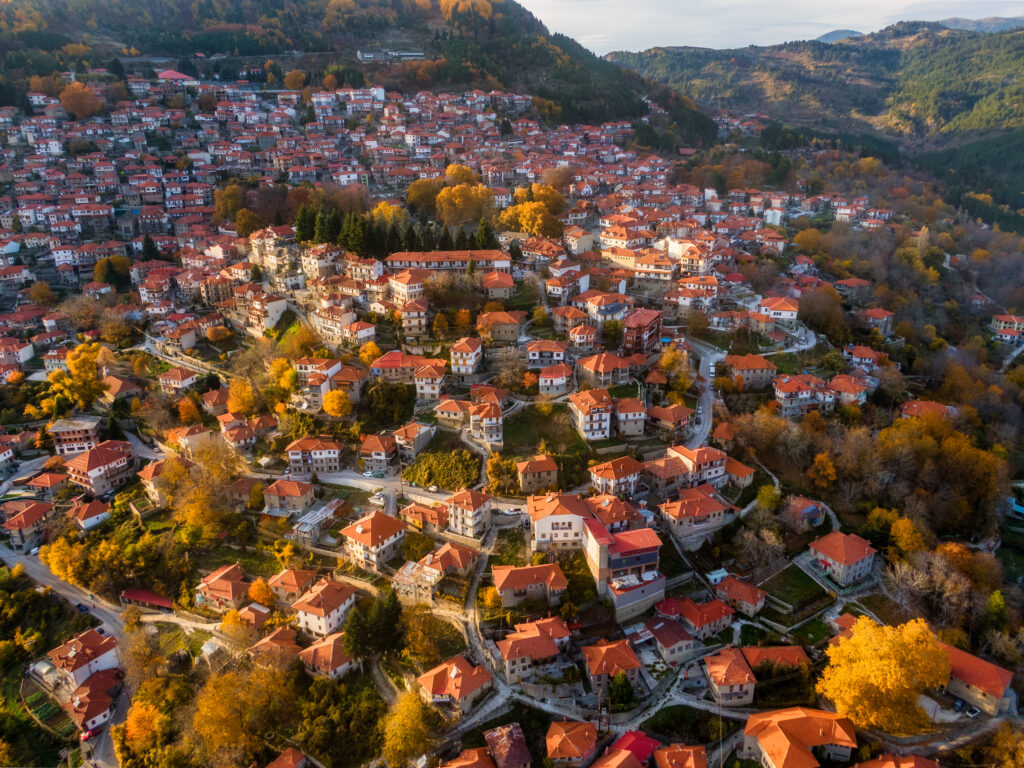
Tucked into the Pindos mountains below Katara Col, Metsovo feels like a postcard come to life. Picture dense fir forests all around, stone and wooden houses with sloping roofs, and old buildings that look like they’ve seen centuries come and go. Walk the winding streets and you’ll stumble across cozy tavernas serving real Greek food. At the heart of the village is the Katogi Averoff winery—famous across Greece for its wines. Stop by for a tasting, learn how they make it, and maybe grab a bottle to take home. Metsovo is also known for its cheese, especially metsovone, which has a smoky flavor that pairs perfectly with a glass of local wine.
Fussen, Bavaria, Germany
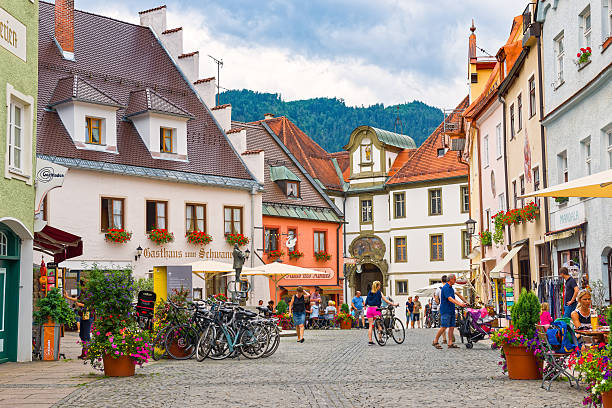
Fussen sits at the end of Germany’s Romantic Road, right where the mountains get dramatic and the scenery just takes over. People know it for violin-making, but these days, it attracts everyone—history buffs, hikers, castle-chasers. The town’s been around for 700 years, and it shows in its old facades and colorful frescoes. Most travelers make a beeline for Neuschwanstein Castle—the one that inspired Disney’s Sleeping Beauty—but honestly, Fussen itself is worth your time. There’s an old town full of cobblestone streets and bright buildings, and plenty of spots to grab Bavarian classics. If you don’t feel like hiking up to the castle, hop in a horse-drawn carriage and just enjoy the view.
Reine, Norway
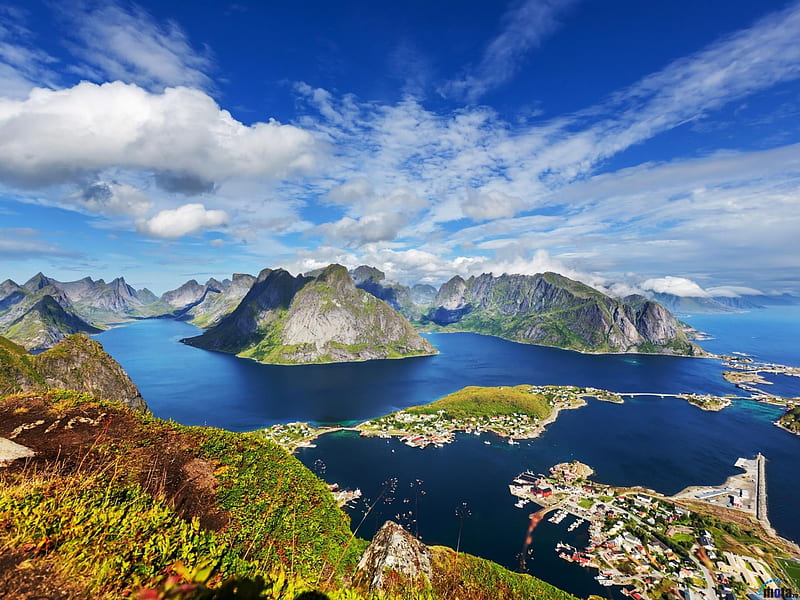
Reine is tiny, but what a view. This fishing village sits on Moskenesoya Island in the Lofoten archipelago, far north of the Arctic Circle. Here, sapphire blue bays meet jagged mountains and steep fjords—nature’s drama at its best. Stay in a red rorbuer, one of those classic fishermen’s cabins turned cozy hideaways, and you’ll wake up to sea views so good they almost don’t seem real. If you’re lucky, the northern lights will dance overhead at night.
Wengen, Switzerland
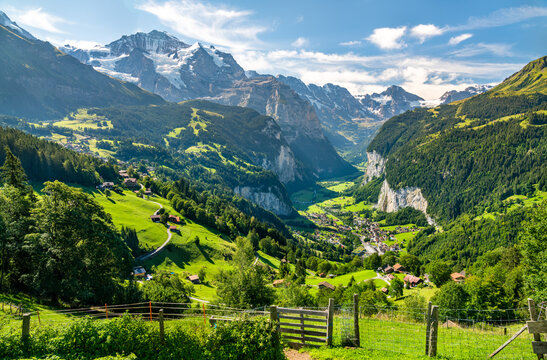
High in the Swiss Alps, Wengen is the kind of place that feels like it belongs in a storybook. Just a thousand people live here, but every January, the village comes alive as ski fans flock in for the World Cup’s legendary Lauberhorn downhill race. The rest of the year, Wengen is all about fresh mountain air, endless hiking trails—over 300 miles of them—and cableways that whisk you to jaw-dropping viewpoints. There’s a classic route between Wengen and Kleine Scheidegg where you can see the Eiger, Monch, and Jungfrau mountains lined up in full glory. For a rush, try canyoning, river rafting, or paragliding.
Arties, Spain
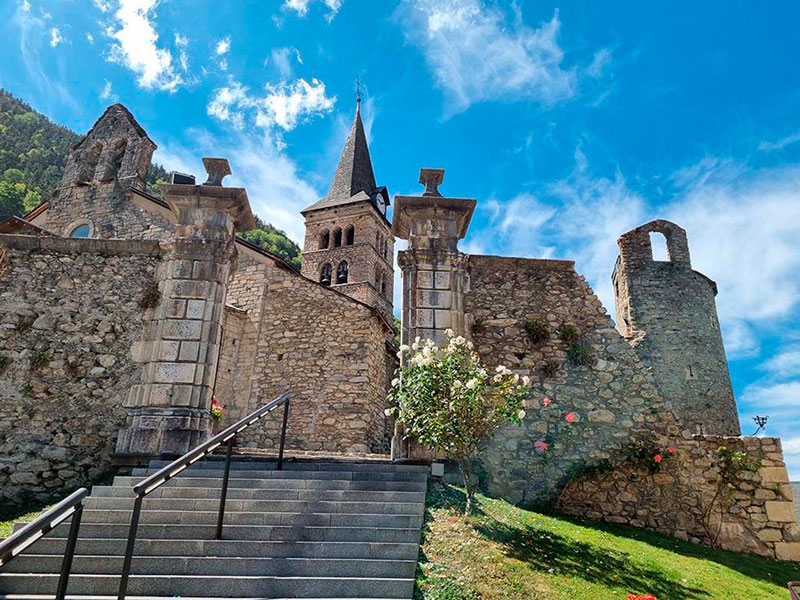
Most people picture Spain’s sun-soaked beaches, but up in the Valle de Aran, the mountains steal the show. Arties is a tiny village—just about 500 people—set right on the Garonne River. It’s all narrow cobblestone lanes, bright stone houses, and a kind of quiet elegance you don’t expect. The Santa María Parish Church is a real standout, dating back to the 11th century, and there’s the Gothic Sant Joan church from the 14th century too. Arties might not be big, but it’s unforgettable.