Tired of your European vacation photos looking identical to everyone else’s? There’s a shared, unspoken feeling that the dream of a quaint European getaway—with quiet cobblestone alleys and lazy café afternoons—is being replaced by the reality of navigating a sea of selfie sticks. While the grand monuments of Paris, Rome, and London are undeniably magnificent, the crowds that surround them can often dilute the magic. That’s why more travelers are now seeking out hidden gems in Europe, where authenticity, charm, and tranquility still define the experience.
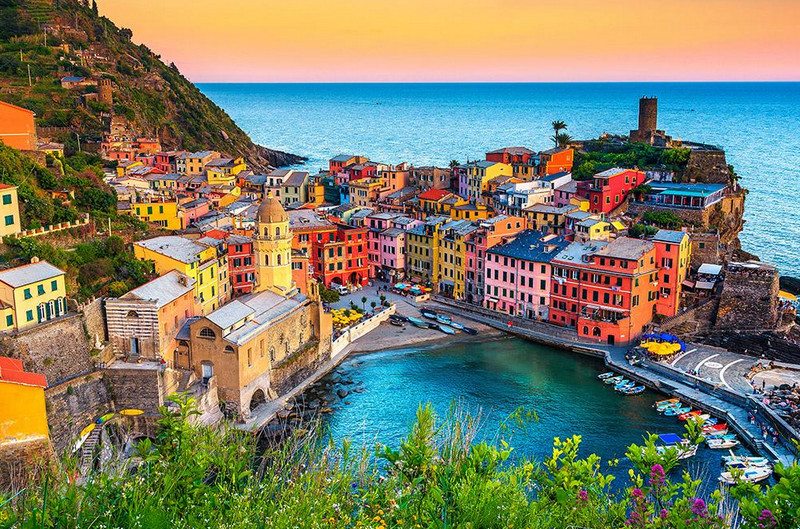
Explore Europe’s Hidden Gems: 15 Secret Spots
What if the most memorable part of your next trip wasn’t fighting for a view of the Colosseum, but discovering a sun-drenched piazza all to yourself?
The secret that seasoned travelers understand is that for every packed-out capital, there’s a stunningly beautiful town just a short train ride away, offering more authentic European travel experiences without the overwhelming crowds. These are the places where you can hear church bells instead of tour bus engines.
The challenge, of course, is knowing how to find these spots.
It’s easy to feel like you’re missing out on the best-kept secrets. That’s why we’ve done the work for you, curating a list of 15 hidden gems in Europe that deliver on charm and beauty yet remain accessible to the average traveler. Each one offers a chance to step away from the tourist trail and into a more personal adventure.
This guide is your starting point for learning how to avoid tourist traps in Europe and find something truly special. If you’re ready to trade the long lines for genuine discovery, you’re in the right place. Here are the destinations that will give you stories—and photos—that none of your friends have.

Europe’s Secret Coasts: 5 Breathtaking Seaside and Island Gems
The magic of Europe’s coast isn’t always found on its most famous beaches. The real secret lies just around the corner from packed Mediterranean hotspots, in small fishing villages and hidden island fortresses where the only sounds are the lapping waves and the chatter from a local café. These are the places that offer the salty air and stunning views you dream of, without the tourist rush.
From Spain’s wild northern coast to a bizarre Italian-style village in Wales, these five coastal gems offer a perfect escape.
- Cudillero, Spain
- Perast, Montenegro
- Monemvasia, Greece
- Marsaxlokk, Malta
- Portmeirion, Wales
Tucked away in Spain’s lush Asturias region, Cudillero is a postcard come to life.
An amphitheater of brightly colored houses cascades down a steep hillside to a tiny, working fishing harbor. There are no grand monuments here; the attraction is the town itself. Spend your day getting lost in its narrow, winding alleys, each turn revealing a new, breathtaking view of the sea, before settling in at a harborside restaurant for the freshest seafood you’ve ever tasted.
Further into the Mediterranean, you’ll find two towns that feel like stepping into a storybook. While most visitors to Montenegro flock to the busy port of Kotor, the nearby village of Perast offers a more serene and elegant experience.
This tiny town, with its stone palaces and two picturesque church islands, is the quiet, romantic heart of the bay. Meanwhile, in southern Greece, the fortress town of Monemvasia is a true hidden wonder. Carved into the side of a giant sea rock and completely hidden from the mainland, this medieval village is a car-free maze of cobblestone lanes and ancient churches, reachable only by a single causeway.
For a splash of unforgettable color, two very different islands deliver. In Malta, the fishing village of Marsaxlokk is famous for its harbor filled with traditional Luzzu boats. These brightly painted vessels, adorned with the Eye of Osiris to ward off evil, create a vibrant spectacle, especially during the bustling Sunday fish market.
Across the continent, you’ll find Europe’s most delightful oddity: Portmeirion in Wales. This is not an ancient village but the whimsical creation of an architect who built a complete Italian-style town on the Welsh coast. With its pastel buildings, grand piazzas, and subtropical gardens, it feels like a slice of the Riviera.

Hidden Gems in Europe: 5 Medieval Towns That Time Forgot
For centuries, some places were simply off the main trail, bypassed by modern development. The result is a collection of perfectly preserved time capsules, where you can wander down the same cobblestone streets people did in the Middle Ages.
These undiscovered villages in Europe offer a chance to walk directly into a history book, with towering castles, fortified walls, and winding alleys that seem to whisper stories of the past. Forget the special effects of a movie set—this is the real thing.
- Quedlinburg, Germany
- Sighișoara, Romania
- Český Krumlov, Czech Republic
- Ghent, Belgium
- La Roque-Gageac, France
In Germany’s Harz mountains, the town of Quedlinburg survived the centuries almost completely untouched. It’s a UNESCO World Heritage site for good reason, boasting over 1,300 charming half-timbered houses—more than any other town in the country. A short train ride away in Eastern Europe, you’ll find another gem.
High on a hilltop in Transylvania, Romania, the medieval citadel of Sighișoara is a burst of color. Its cobbled streets are lined with vibrant pink, yellow, and blue houses, and it’s famed as the birthplace of Vlad the Impaler.
Some of the best off-the-beaten-path European destinations are hiding in plain sight, offering a quieter alternative to a famous neighbor. While most travelers in the Czech Republic crowd into Prague, the nearby town of Český Krumlov feels like a miniature version of the capital, wrapped around a stunning S-shaped bend in the river. Its enormous castle complex towers over a sea of red-roofed buildings.
Similarly, in Belgium, while everyone rushes to Bruges, savvy travelers head to Ghent. This lively university town has all the canal-side charm and soaring Gothic architecture, but with a more relaxed, authentic vibe and a fraction of the crowds.
Finally, for a setting that is truly breathtaking, look no further than France’s Dordogne Valley. The village of La Roque-Gageac is so remarkable that it almost doesn’t look real. A row of golden-stone houses is built directly into the face of a sheer cliff, overlooking the Dordogne River. The best way to see it is from the water, on a traditional flat-bottomed boat tour that glides past this and other castles.
5 Unique Inland European Wonders
Europe’s charm isn’t just locked away in ancient castles and medieval walls.
Sometimes, it’s found in places so unusual and imaginative they feel like they were plucked straight from a dream. These are the villages that defy expectations, where the architecture is whimsical, the landscapes are dramatic, and the atmosphere is pure magic. They are perfect for a different kind of slow travel Europe guide, one that prioritizes wonder over walking tours.
From a Dutch village with no roads to a Portuguese town built into giant boulders, these inland wonders offer a glimpse into a more surreal side of the continent. If you’re looking for unique European road trip ideas, these 5 are unforgettable.
- Giethoorn, Netherlands
- Alberobello, Italy
- Monsanto, Portugal
- Lake Bohinj, Slovenia
- Wrocław, Poland
Imagine a storybook village in the Netherlands, just 90 minutes from Amsterdam, that has no roads. In Giethoorn, residents get around by boat, gliding along quiet canals that connect their thatched-roof farmhouses. The best way to experience it is to do as the locals do: rent your own electric “whisper boat” and quietly drift through the picture-perfect scenery. Further south, in the heel of Italy’s boot, the town of Alberobello looks like a fantasy landscape brought to life.
It’s famous for its hundreds of trulli—whitewashed stone huts with distinctive cone-shaped roofs. This UNESCO World Heritage site is a truly unique spectacle, with the bizarrely beautiful structures housing shops, restaurants, and even small hotels.
For a destination that truly blends with nature, look to Monsanto in Portugal. Here, the village wasn’t built on a mountain, but into it. Houses are wedged between, under, and on top of gigantic granite boulders, creating a mind-bending scene that looks as if it were built by giants. It’s one of those places you have to see to believe.
Meanwhile, for natural beauty without the crowds, Slovenia offers one of the best alternatives to popular European cities and sites. While most visitors flock to the famous Lake Bled, the nearby Lake Bohinj offers an even more serene and authentic experience. Tucked within the Julian Alps, this crystal-clear lake is a paradise for swimming, kayaking, and hiking in unspoiled nature.
Finally, proving that a hidden gem can still be a bustling city, Wrocław in Poland is an absolute delight that remains surprisingly under the radar.
Its magnificent Market Square is a riot of color, lined with beautifully restored, brightly painted buildings. But the real fun lies in exploring its streets to find the hundreds of small, whimsical bronze dwarf statues hidden throughout the city. Each one is different, turning a simple walk into a treasure hunt and making Wrocław one of Europe’s most playful and enchanting destinations.

Plan Your ‘Off-the-Path’ European Adventure
Inspired by a village like Monsanto or Giethoorn, but wondering how you’d even get there? Turning that inspiration into a real itinerary is easier than you think.
Planning a unique trip to Europe doesn’t require expert skills, just a slightly different approach than booking a weekend in Paris. This simple strategy makes even the most remote-seeming gems completely accessible.
The secret is to think in two steps: fly big, then travel small. Instead of searching for tiny, expensive local airports, book your flight into the nearest major city—like Amsterdam for Giethoorn or Lisbon for Monsanto. From there, you can cover the last leg by ground. To make this easy, use websites like Trainline or Omio.
They act like search engines for trains and buses across Europe, saving you from navigating multiple confusing country-specific websites. They’ll show you the best route and help you decide if a train or a rental car makes the most sense.
This local-first approach is also key to finding the perfect place to stay.
While big cities have chain hotels, the charm of these smaller towns is in their guesthouses and unique family-run accommodations. For an authentic experience, especially in Italy, look for an agriturismo—a working farm that offers rooms to guests, often with incredible home-cooked meals. This is the heart of a great slow travel Europe guide: connecting with a place through its people.
With this simple framework—fly into a major hub, use an app to book your ground transport, and stay somewhere local—the logistics of going off the beaten path in Europe suddenly fall into place. It’s not about having all the answers; it’s about knowing the right tools to find them.
Hidden Gems in Europe to Explore
Just a few minutes ago, your map of Europe might have been defined by crowded capitals. Now, you see the continent differently. You have a guide to Europe’s best-kept secrets—the quiet canals and travel experiences that most people fly right over.
This reframes the goal of travel from ticking off a checklist to embarking on a personal adventure. It’s the path to coming home with unique stories that none of your friends have, sparked by the magic of true discovery. Planning a unique trip to Europe starts with one simple step. Go back through the list, choose the one place that captured your imagination, and just search its name. Your next great story is waiting.