Crete
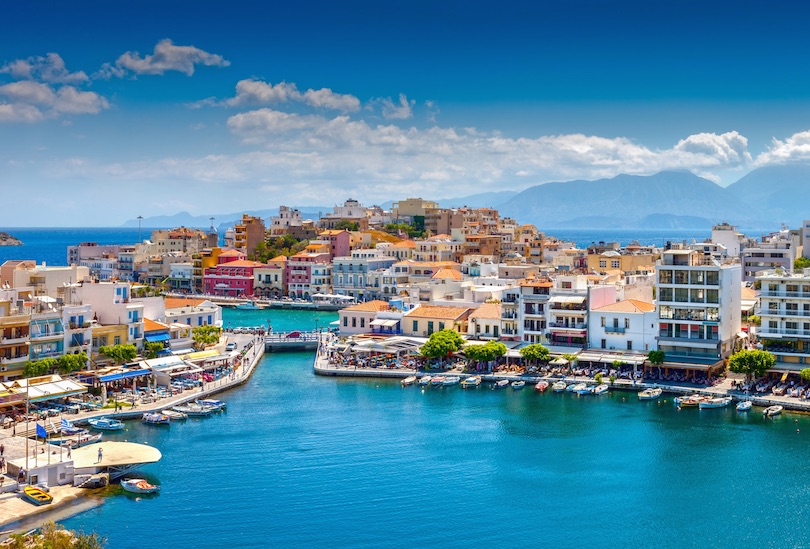
Crete stands out as Greece’s biggest island, and if you love history, this place is a dream. The Minoans—Europe’s earliest advanced civilization—called it home. Their legacy is everywhere: ancient palaces, ruins, and echoes of the Bronze Age. Most of these sites cluster in the central and eastern parts of the island. Four legendary Minoan palaces—Knossos, Phaistos, Malia, and Kato Zakros—wait for anyone keen on the ancient world.
Santorini
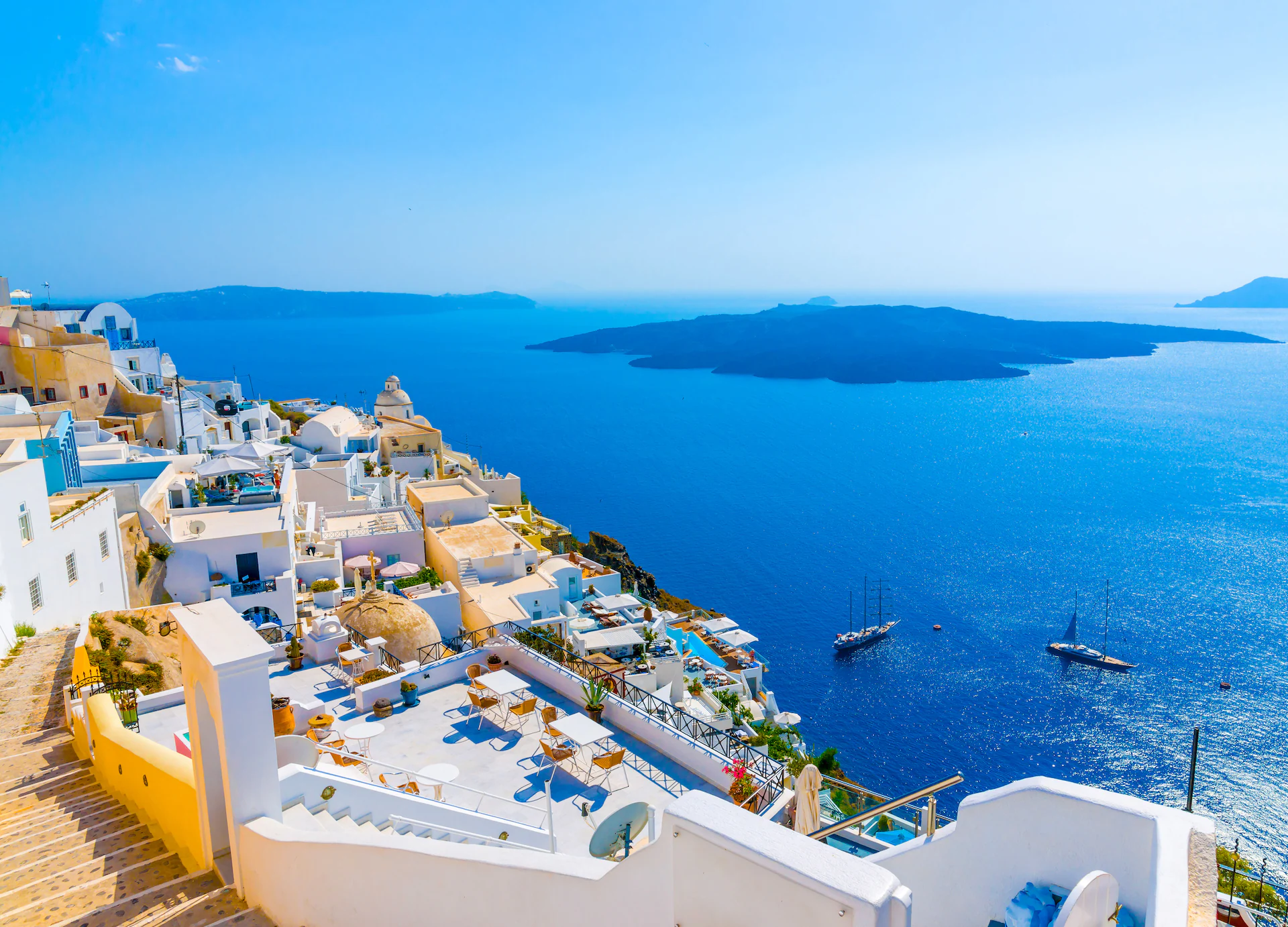
Most people call it Santorini, but the official name is Thira. What you see today is actually what’s left of a huge volcanic caldera, the aftermath of one of the biggest eruptions in the last 100,000 years. The blast was massive—about 40,000 times more powerful than Hiroshima—and wiped out everything, burying Akrotiri under thirty meters of ash and pumice. People call it the “Bronze Age Pompeii.” Some say this eruption even ended the Minoans back on Crete. Fans of history flock here to see the Akrotiri Ruins, Argyros Mansion, Ancient Thera, and the Cathedral of Saint John the Baptist.
Corfu
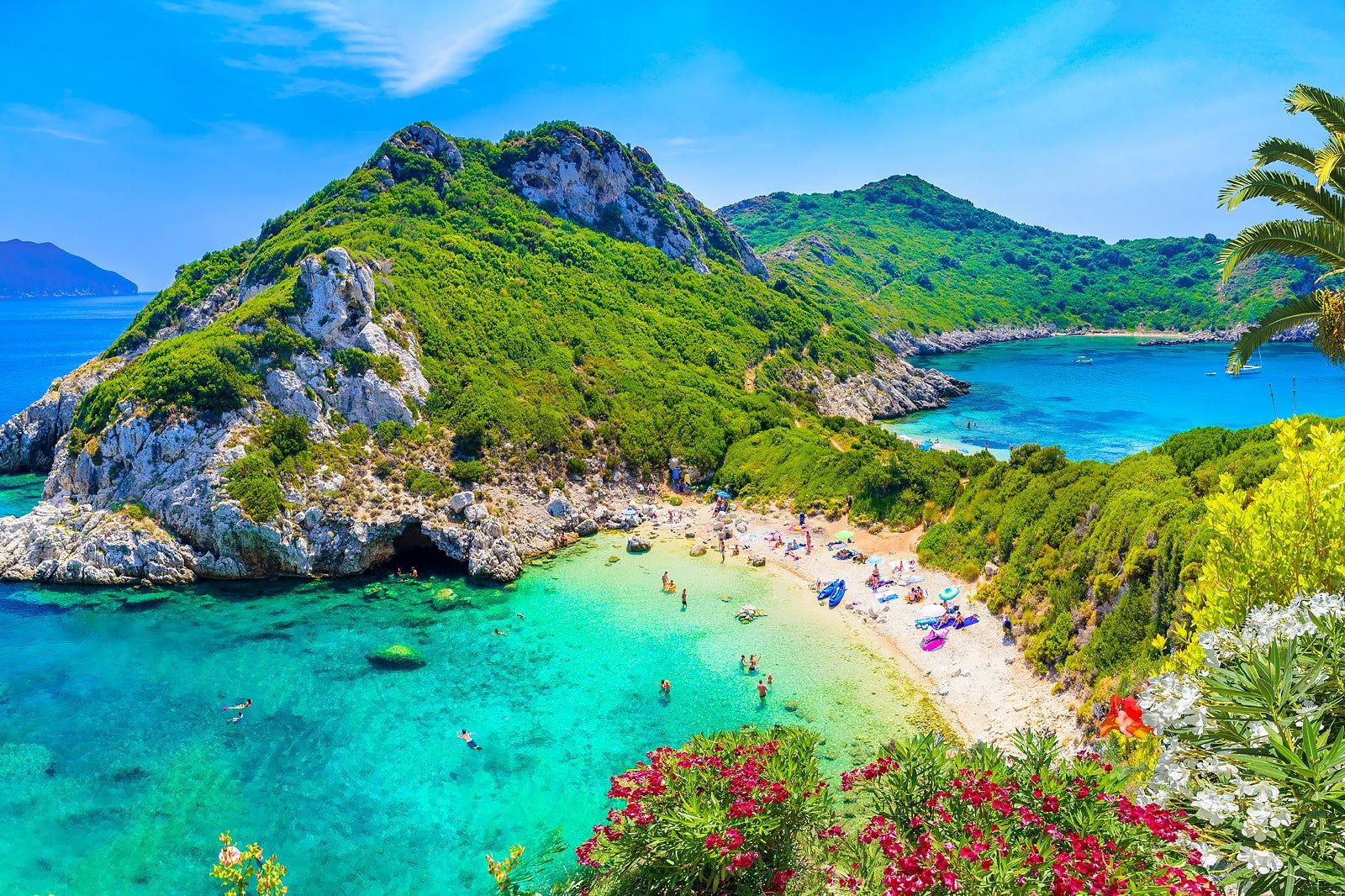
Corfu—also known as Kerkyra—feels different from the rest of Greece, and that’s no accident. British and Venetian influences still linger, since Corfu only became Greek in 1864. Castles surround the main town, a reminder of all the centuries people fought for this strategic spot. Corfu also claims a few firsts: Greece’s first university, first modern theater, and first opera house all started here.
Mykonos
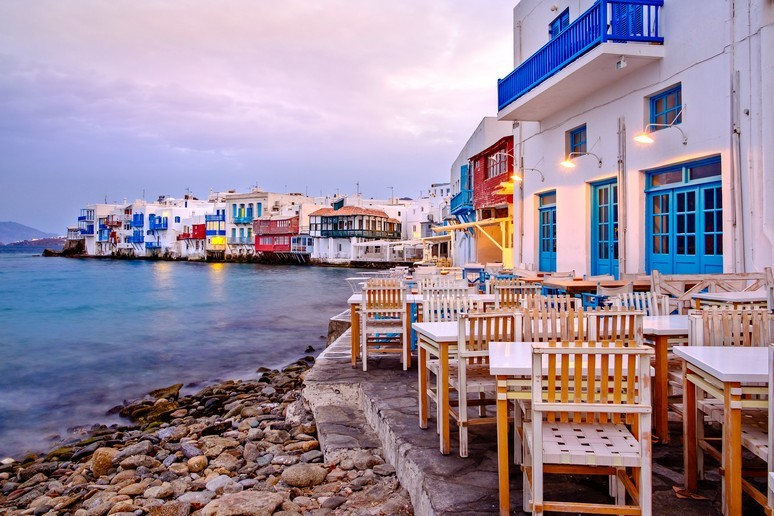
Mykonos is tiny, with just 10,000 locals, but that doesn’t stop it from being the most cosmopolitan Greek island. Over 2 million people visit each year, turning the place into a buzzing hub. The Ionians settled here around the 11th century B.C., and there’s plenty for history lovers to dig into: the Church of Paraportiani, Little Venice, the Monastery of Panagia Tourliani, and stories about vampires and old pirates that add a little mystery to the mix.
Paros
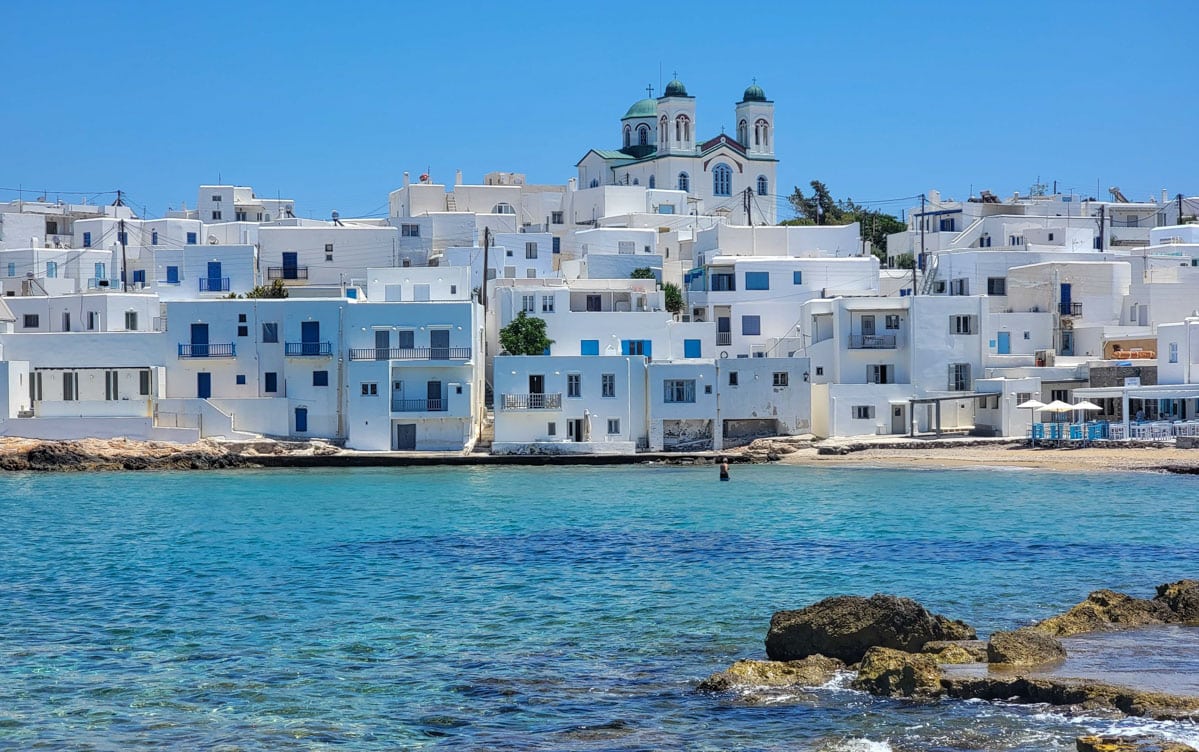
Back in the Middle Ages, Lefkes was the capital of Paros, and the Church of Agia Triada, built from the island’s famous white marble, stood at its heart. Paros is known for this stunning marble, the same kind you see in classical art. The island also has deep ties to Byzantium. Both Constantine the Great and Justinian built the remarkable Ekatontapyliani Church here, a monument unlike any other.
Naxos
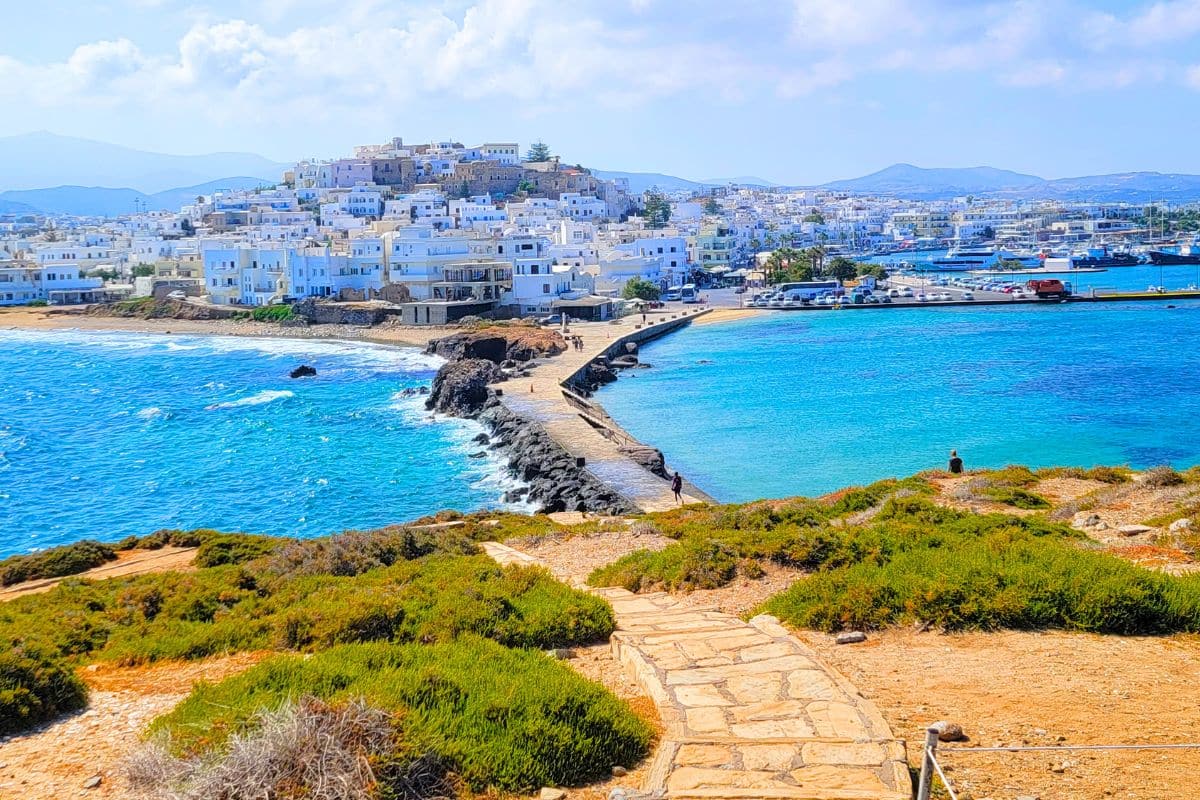
Naxos sits in the middle of the Cyclades and is both the biggest and greenest island in the group. According to Greek mythology, Zeus himself was born and raised on Mount Zas, the highest point in the Cyclades. If you’re into history, you’ll love hiking the island’s trails, which lead to more than 200 Byzantine churches (and over 500 from before and after that era). About 120 of these churches still have their original frescoes, some dating back to the 6th and 7th centuries.
Zakynthos
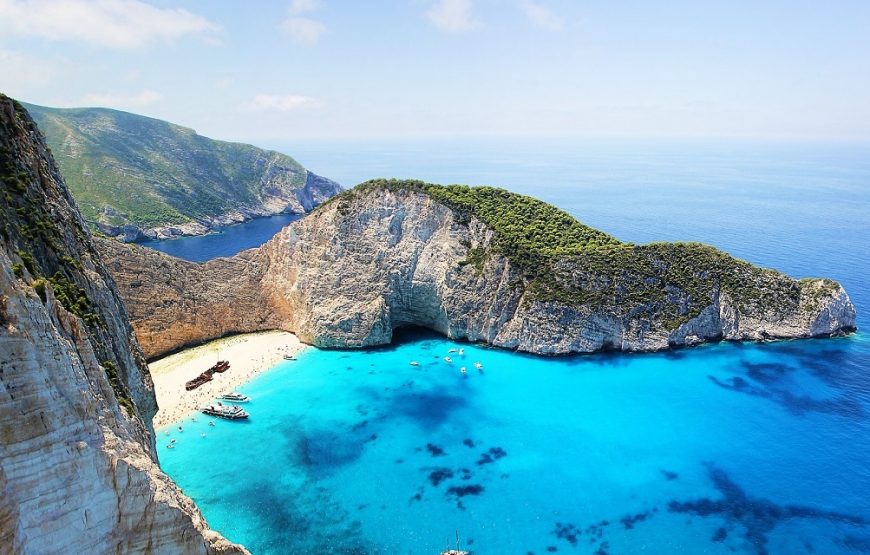
People call Zakynthos the “Flower of the Levant.” It’s the third largest Ionian island, famous for Navagio—or shipwreck—beach, where a wreck from 1980 still sits in an open cove. During World War II, the island became a symbol of quiet resistance, when the mayor and bishop refused to hand over their Jewish neighbors for deportation, risking everything to protect them.
Ikaria
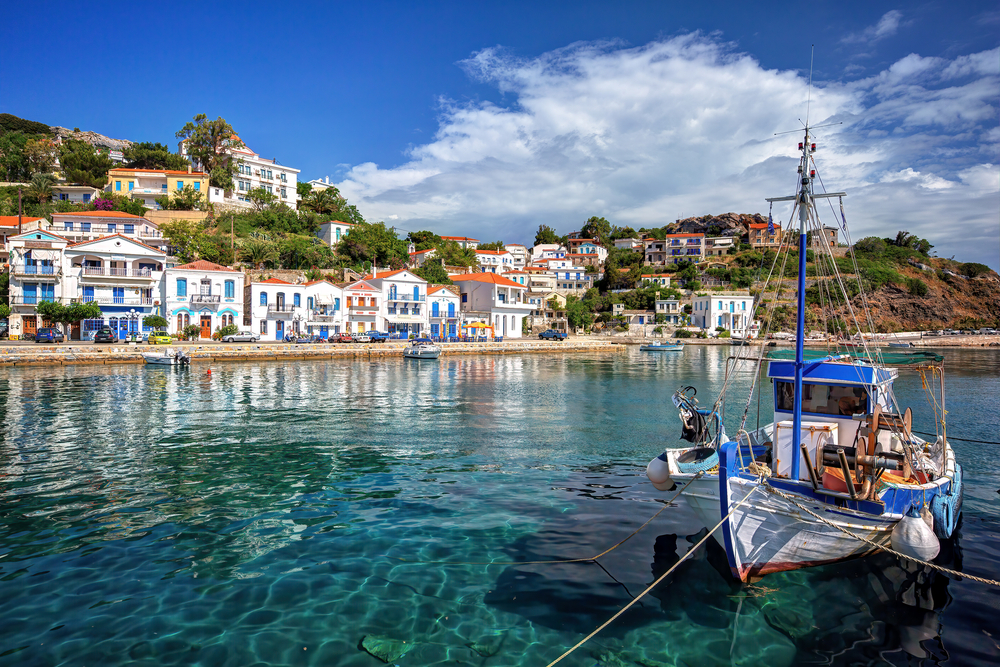
Ikaria isn’t just tied to the legend of Icarus. People have lived here since at least 7000 BC, starting with the ancient Pelasgians. If you visit, don’t miss the Archaeological Museum of Kampos. Right next door is the Church of Agia Irini, the oldest church on the island. And if you’re up for it, finish your day at the Castle of Koskina.
Aegina
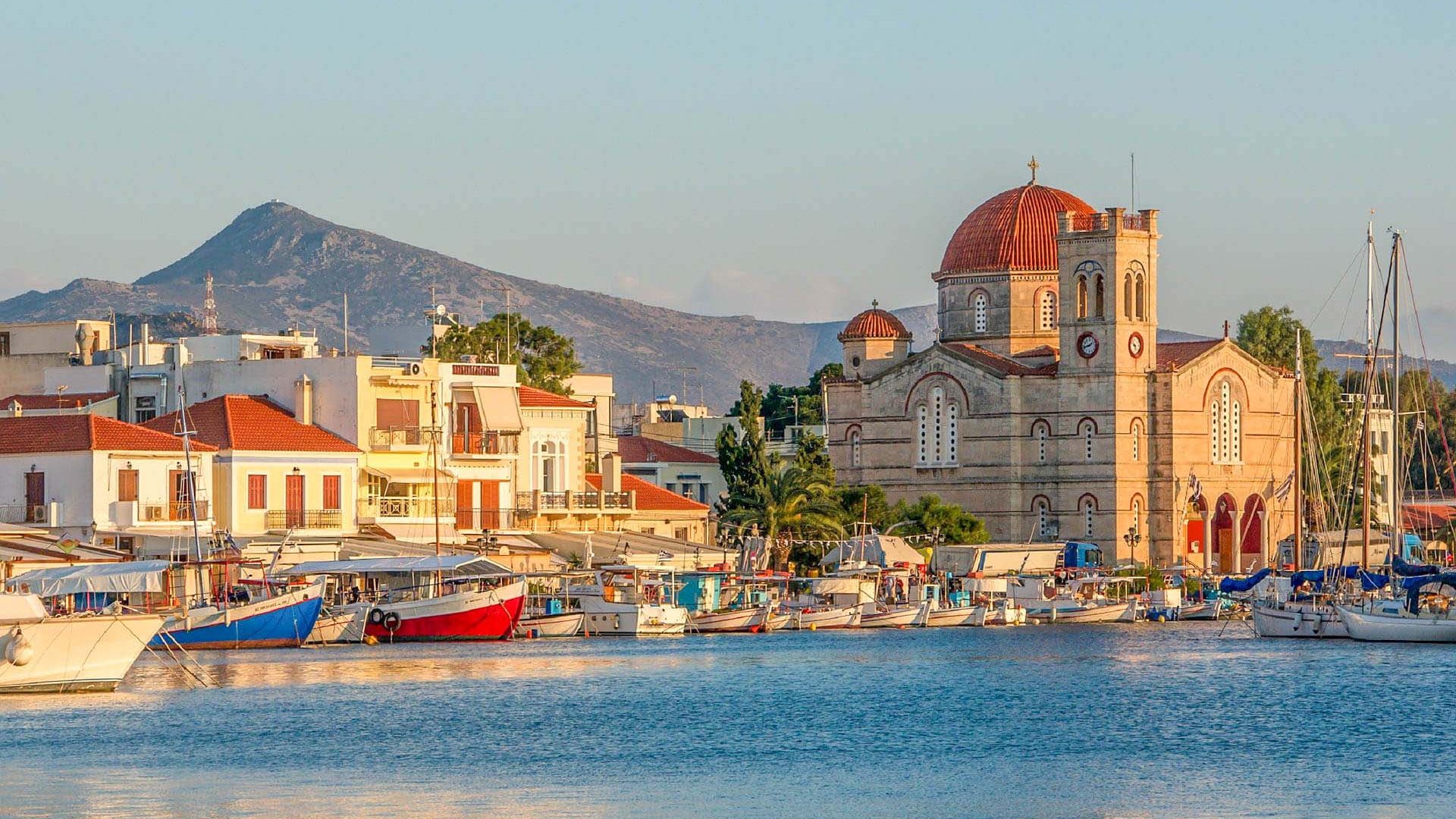
Aegina was a powerhouse around 1200 BCE, even rivaling Athens. The standard of weights and measures they came up with spread across Greece, and they were the first to mint coins. Their ships sailed all over the Mediterranean and the Aegean. Make sure to check out the Temple of Aphaia—it’s one corner of the Sacred Triangle, along with the Temple of Poseidon at Sounion and the Acropolis. On a clear day, you can actually see all three.
Skopelos
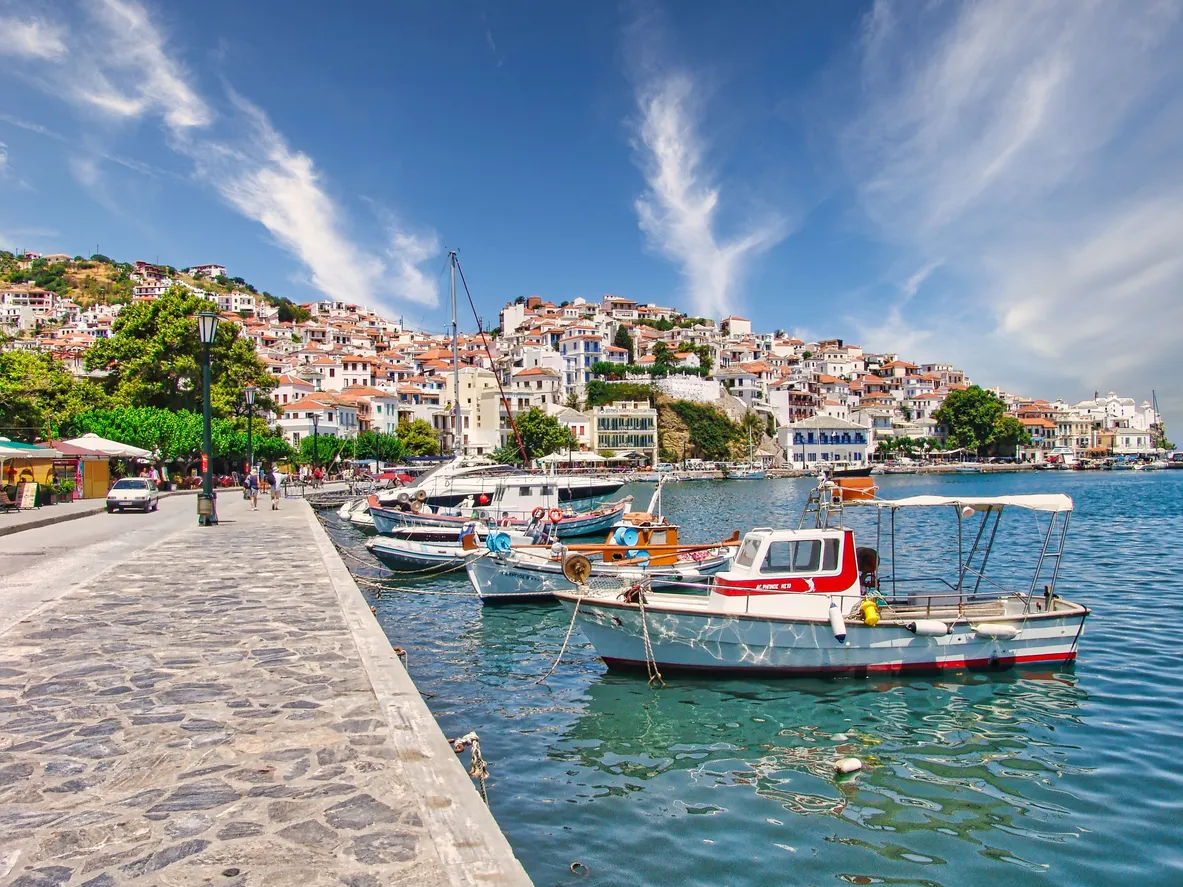
Skopelos is the greenest of all the Greek islands, with pine forests covering more than half its land. Most people know it as the picture-perfect setting for Mamma Mia, especially the Church of Agios Ioannis—now nicknamed the Mamma Mia Church. Way back around 1600 BC, Minoans from Crete settled here. Their legendary king Staphylos, son of Dionysus, brought wine to the island, making Skopelos famous for its vineyards across the Mediterranean.