Saint Mark’s Basilica
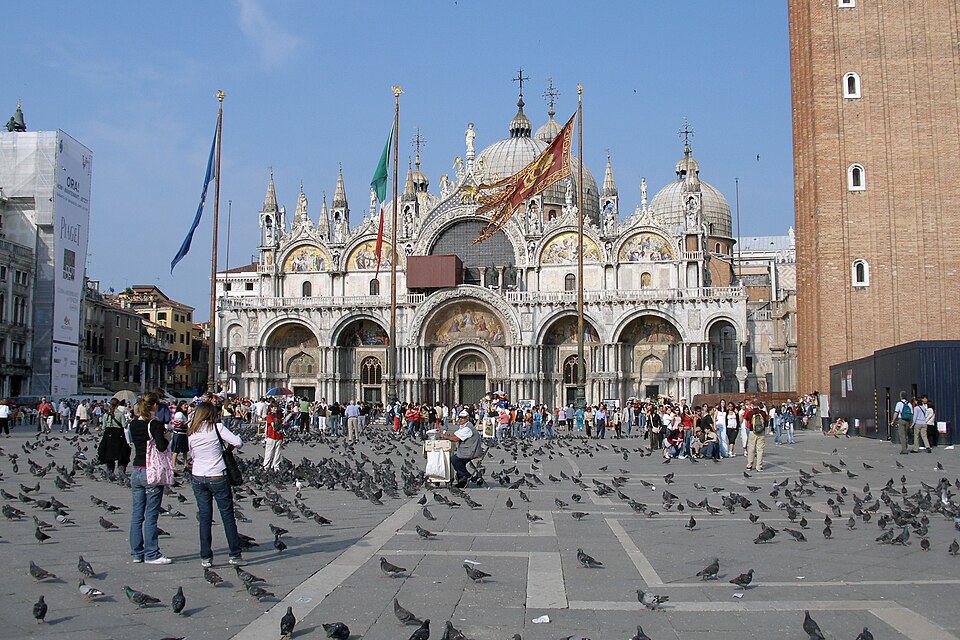
Saint Mark’s Basilica first went up back in the 9th century, all to house the tomb of St. Mark himself. For a long time, it was basically the Doge’s private chapel. That changed in 1807, when it officially became Venice’s cathedral. The original basilica burned down in 932, but they rebuilt it—this time with those famous Byzantine domes and marble walls you see today.
Herculaneum
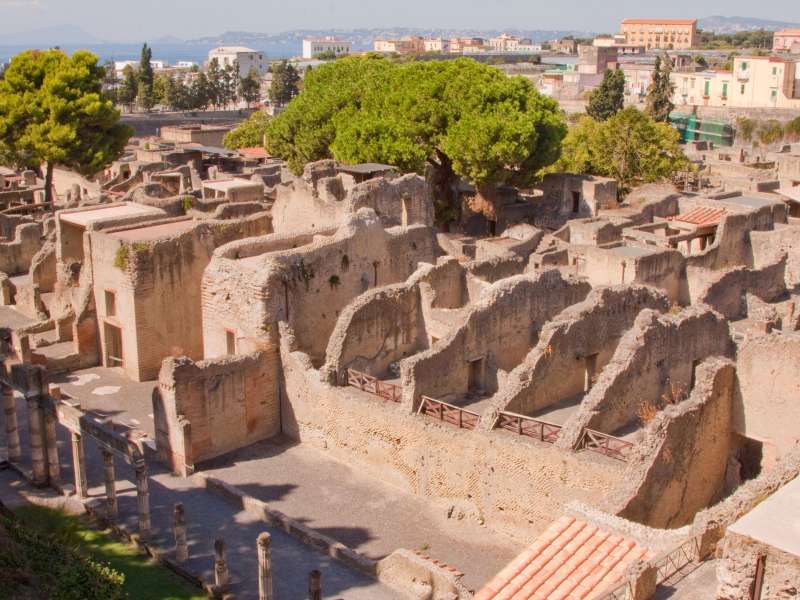
Herculaneum doesn’t get as much attention as Pompeii, but it’s actually in better shape, even if it’s smaller. The eruption hit here before Pompeii, so people had no time to run. That’s why so many bodies stayed so well-preserved for centuries. You can still walk through ancient temples, baths, homes, and taverns. The place really shows off just how impressive and wealthy this city used to be.
Area Sacra di Largo Argentina
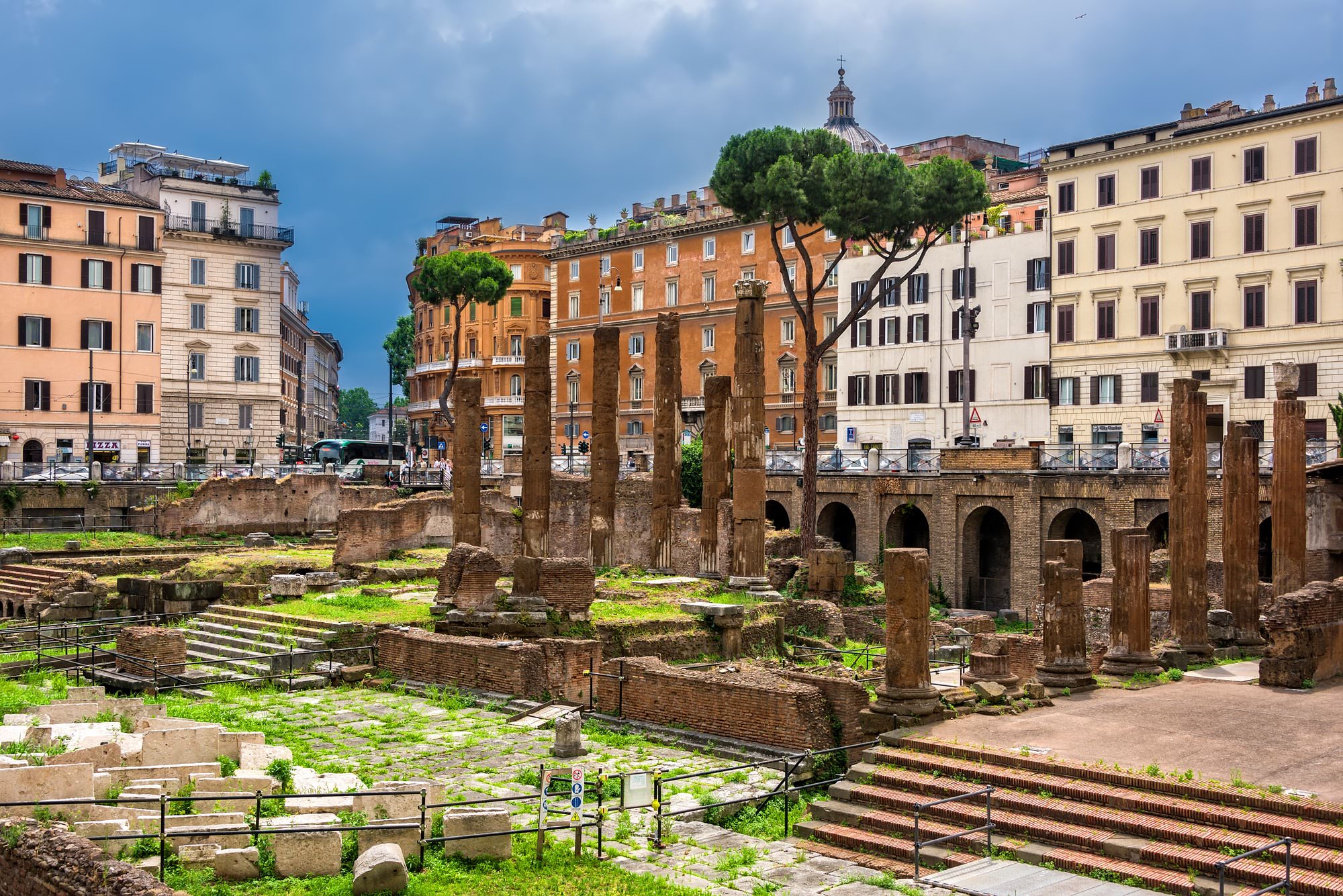
Between 1926 and 1930, while workers were busy trying to build something else, they stumbled on Rome’s oldest temple ruins, right in the Area Sacra di Largo Argentina. These four temples date back to the 3rd century B.C., and they sit right next to where Julius Caesar was murdered, by the old theatre and the Curia of Pompey.
Paestum
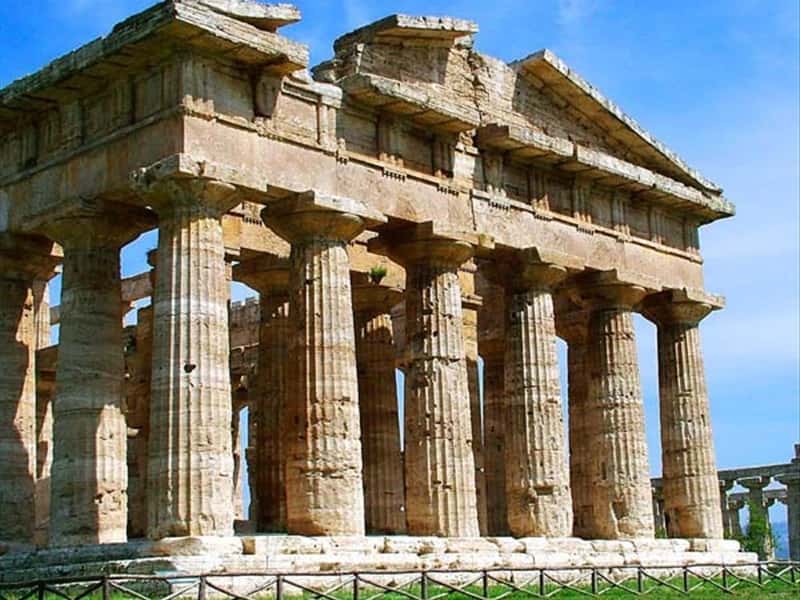
A bit south of the Amalfi Coast, there was once a town called Poseidonia, named after Poseidon, the Greek sea god. It started in the 6th century B.C., but later the Romans took over and called it Paestum, the name we use now. Today, what’s left is a UNESCO World Heritage site, with three of the best-preserved ancient Greek temples anywhere.
Florence Cathedral
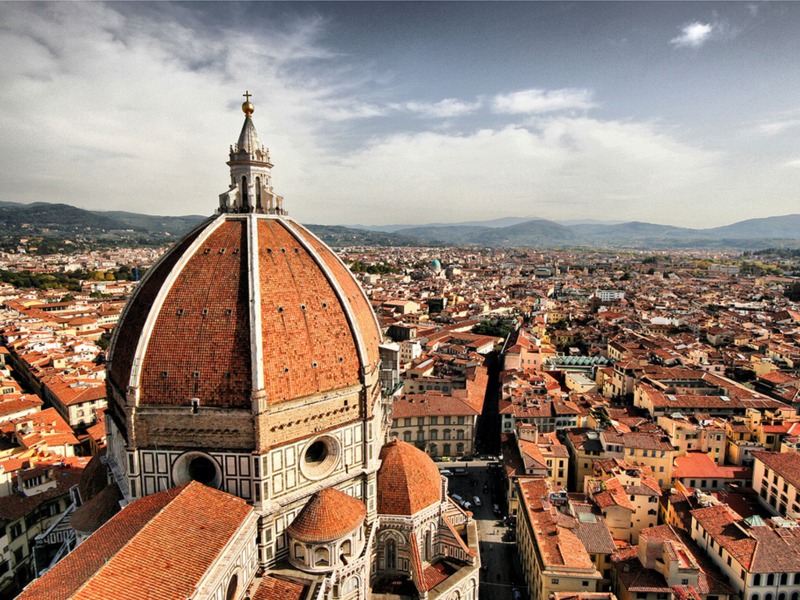
Florence Cathedral, or the Cattedrale di Santa Maria del Fiore, ranks as the fourth largest cathedral in the world. Construction kicked off at the end of the 13th century, right on top of what used to be the old Santa Reparata church. But here’s the thing—the famous dome didn’t get finished for another two hundred years, and only then did people finally call it done.
Pianosa Island
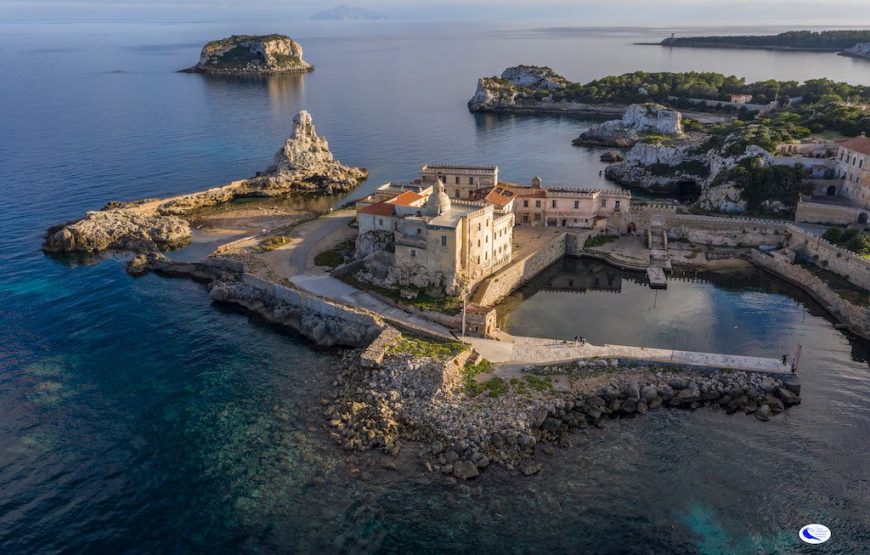
Pianosa Island feels more like a memory than a place these days. Because of conservation rules, only 400 visitors are allowed in each day, so if you get a spot, you’re lucky. People have lived there on and off since the late Stone Age, but now it’s almost completely empty.
Villa d’Este
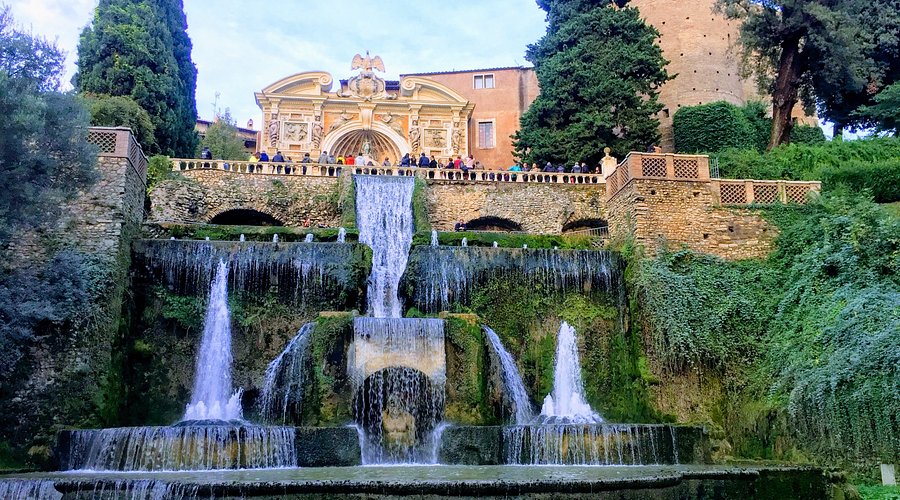
A former Franciscan monastery, Villa d’Este got a dramatic makeover in the 16th century thanks to the local governor. He turned it into a stunning example of Renaissance style and living. Now, it’s a museum and proudly holds a spot on UNESCO’s World Heritage list.
Botanical Garden in Padua
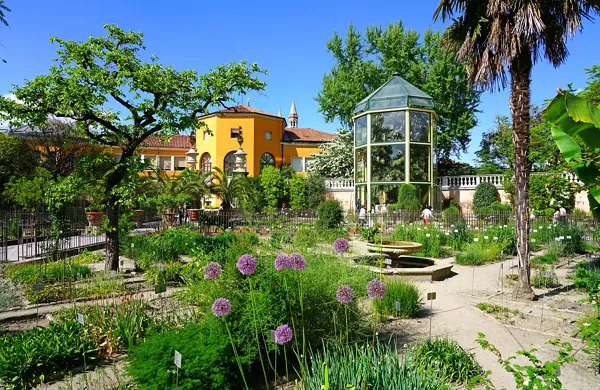
Back in 1545, Padua created the world’s very first botanical gardens. It had a circular plot in the middle to stand for the earth, with water all around. Aside from a few updates, that’s the layout you’ll still find. Over the centuries, these gardens have always stayed true to their roots as a university research center.
Duomo di Milano
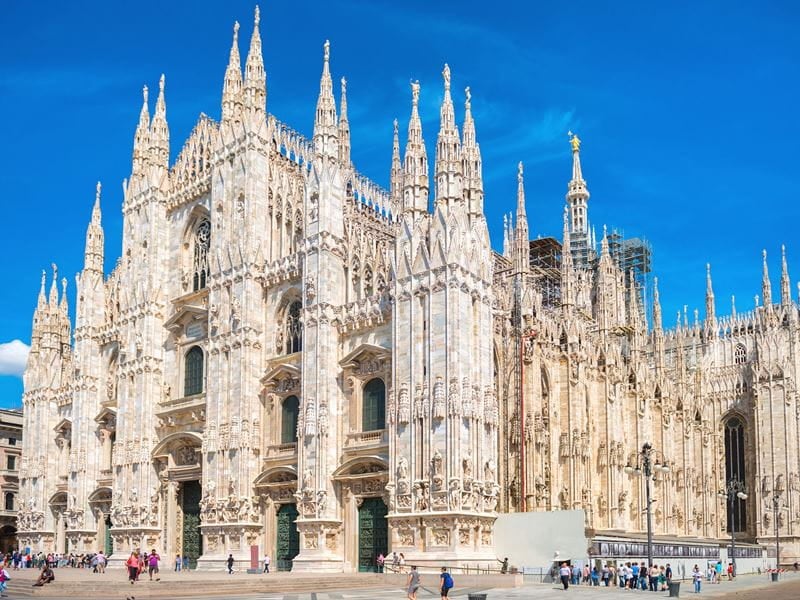
Milan’s landmark is its massive gothic cathedral—the Duomo. This place can fit up to 40,000 people. They started building it in 1386, right after Gian Galeazzo Visconti took power and wanted to modernize the city. Even so, it took five centuries and a parade of architects, artists, and sculptors to finish the job. That’s why you see a mix of Gothic and Romanesque styles all over.
Santa Maria delle Grazie and The Last Supper
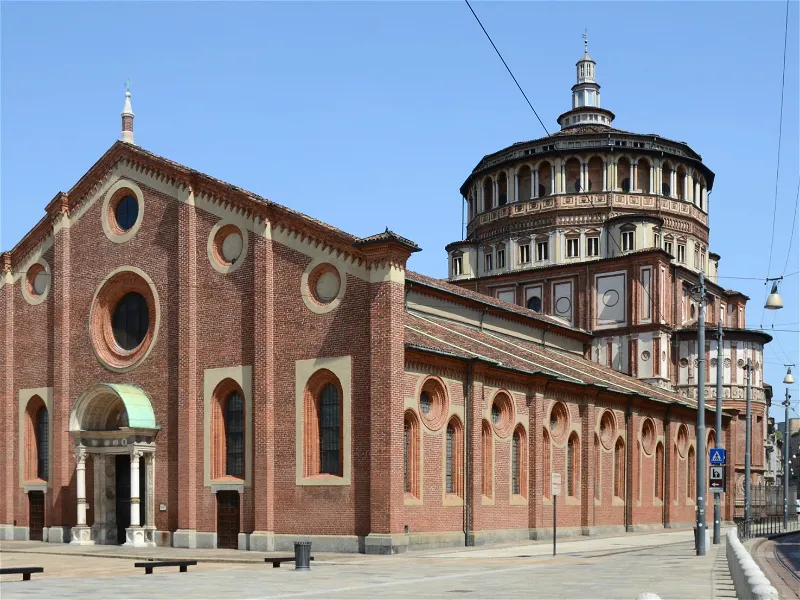
The Church and Convent of Santa Maria delle Grazie stands out as one of Milan’s architectural gems. Construction started in 1463, but later, Bramante—one of the top Renaissance architects—gave it a redesign. Inside the church’s refectory, on the west wall, hangs Leonardo da Vinci’s famous fresco, “The Last Supper,” painted between 1496 and 1497.