Stonehenge, Avebury and Associated Sites
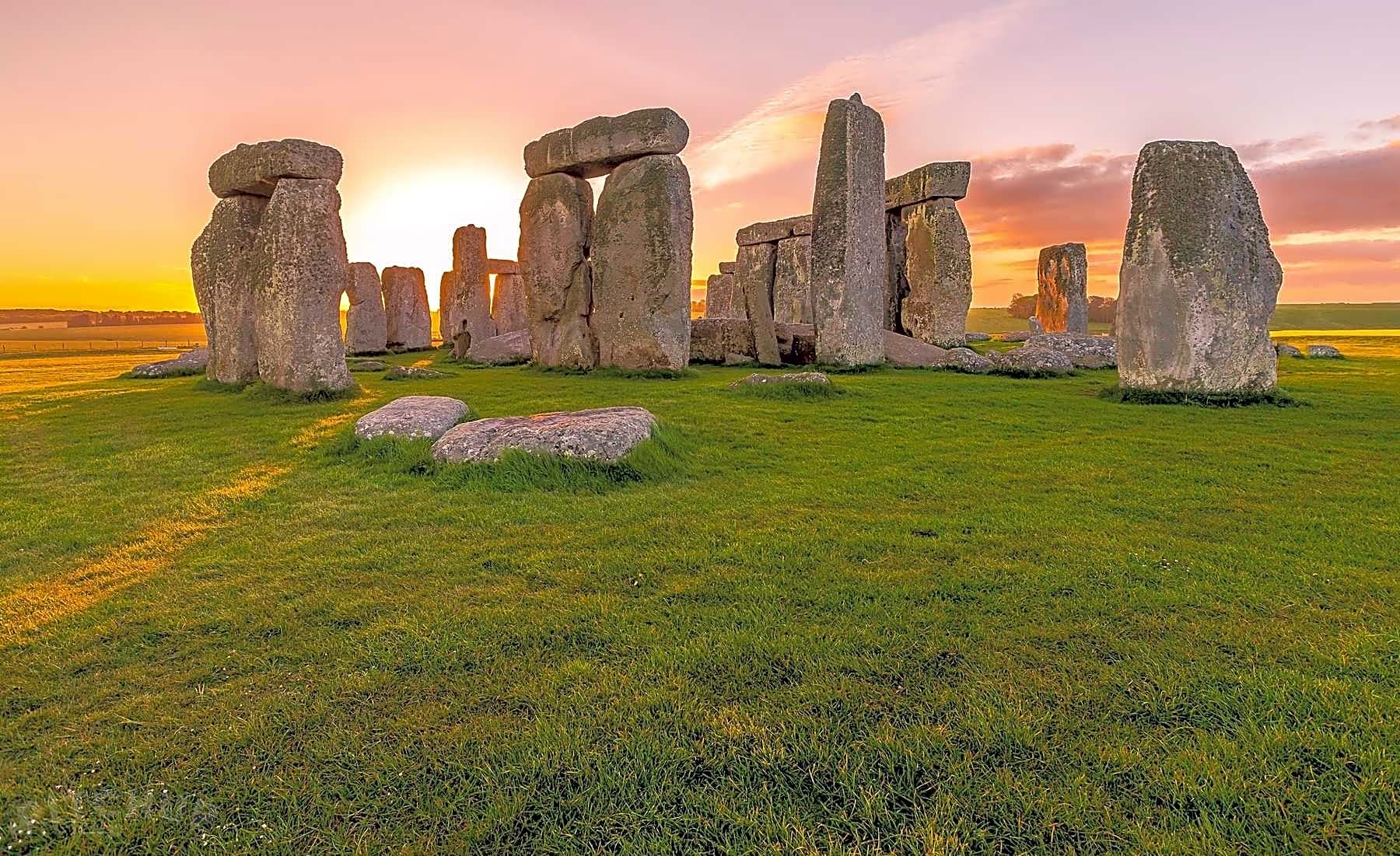
Stonehenge doesn’t really need an introduction. Everybody knows those massive stones rising out of the Salisbury Plain in Wiltshire. But even now, archaeologists and curious visitors can’t stop asking questions about it. People figure Stonehenge went up sometime between 3000 and 2000 BC. It’s not just a lone monument, either—burial mounds and other stone circles cluster around, turning the whole landscape into one of the world’s most important prehistoric sites.
A short drive away, Avebury gives you one of Europe’s largest stone circles. You can actually wander right among the standing stones. There’s something about walking there—it almost feels like you’re brushing up against ancient rituals and the minds that engineered all this. Both Stonehenge and Avebury open a window into Neolithic and Bronze Age Britain. If you’re even a little interested in history, these places are pretty much required stops.
Tower of London
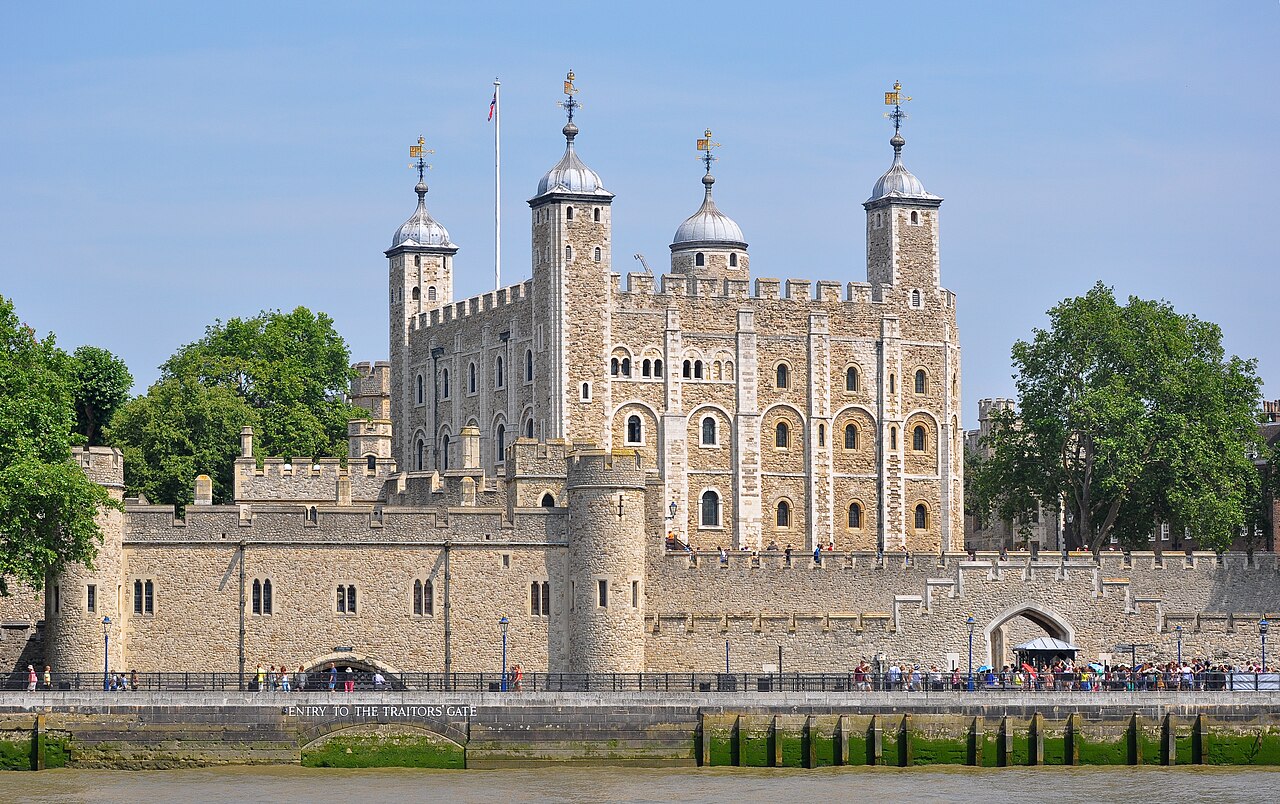
The Tower of London has been looming over the Thames for nearly a thousand years—a symbol of royal power and plenty of drama. William the Conqueror started building it in 1066, and over the centuries, it’s played the part of palace, prison, and treasure house. Right now, it keeps the Crown Jewels safe and gives you a real taste of medieval Britain.
You can check out the White Tower, walk along the old stone walls, and hear stories about famous prisoners like Anne Boleyn or Guy Fawkes. The Yeoman Warders—most people call them Beefeaters—lead tours full of bizarre facts and dark humor. Honestly, the Tower is one of those places that makes history feel alive.
Hadrian’s Wall
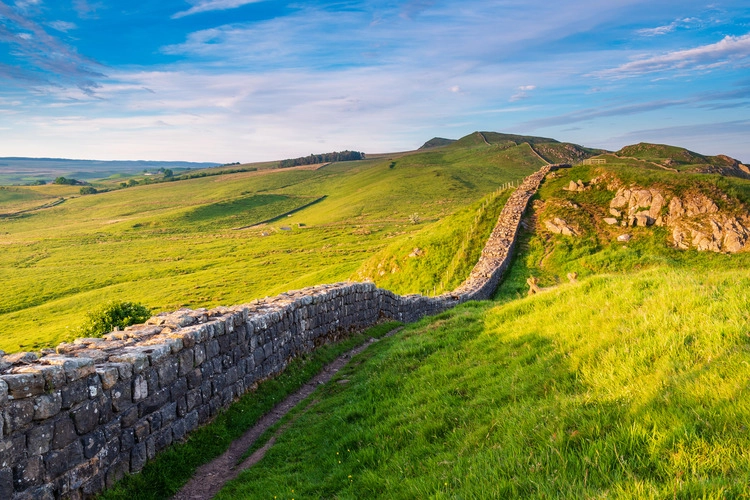
Hadrian’s Wall cuts across the wild north of England. The Romans built it in the 2nd century AD, trying to keep their empire safe from whatever lay beyond. Now, what’s left of the wall, along with its forts, milecastles, and watchtowers, lets you peek into the world of Roman soldiers living on the edge.
Walking along the wall, you get sweeping views of the Northumberland countryside—the rugged landscape just adds to the sense of age and adventure. If you stop by museums along the way, like Vindolanda, you’ll see Roman artifacts and personal odds and ends. It all brings that distant past right up close.
Bath
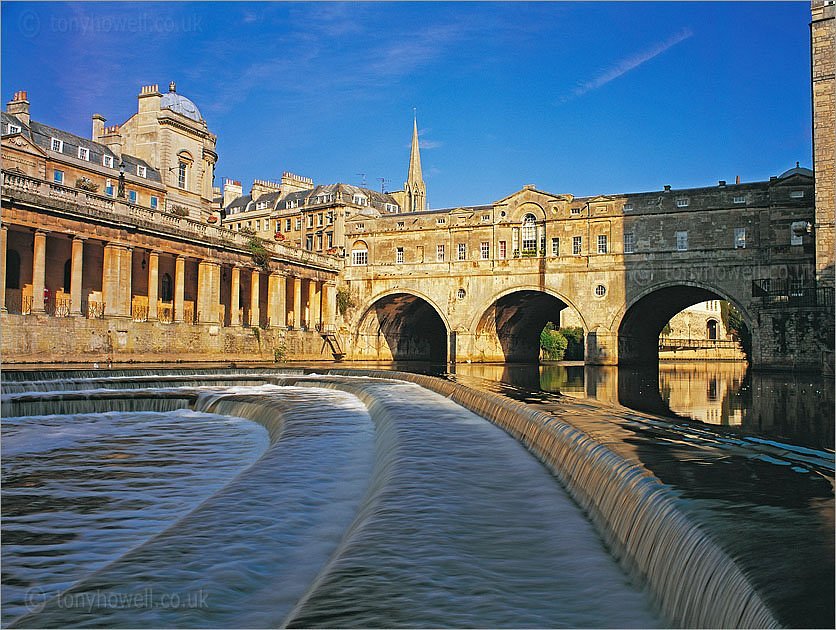
Bath, tucked away in Somerset, is where Roman ruins and Georgian elegance collide. The city glows with honey-colored stone, especially around the perfectly preserved Roman Baths. Bath stands as proof of Britain’s long love affair with beauty, comfort, and a bit of luxury.
You can tour the ancient baths, wander along the Royal Crescent, or pause on Pulteney Bridge and watch the river roll by. Bath’s UNESCO status isn’t just about architecture—it’s about centuries of culture, from Roman spa days to the high society of the Georgian era. History, beauty, and a lively scene all come together here.
Canterbury Cathedral, St. Augustine’s Abbey, and St. Martin’s Church
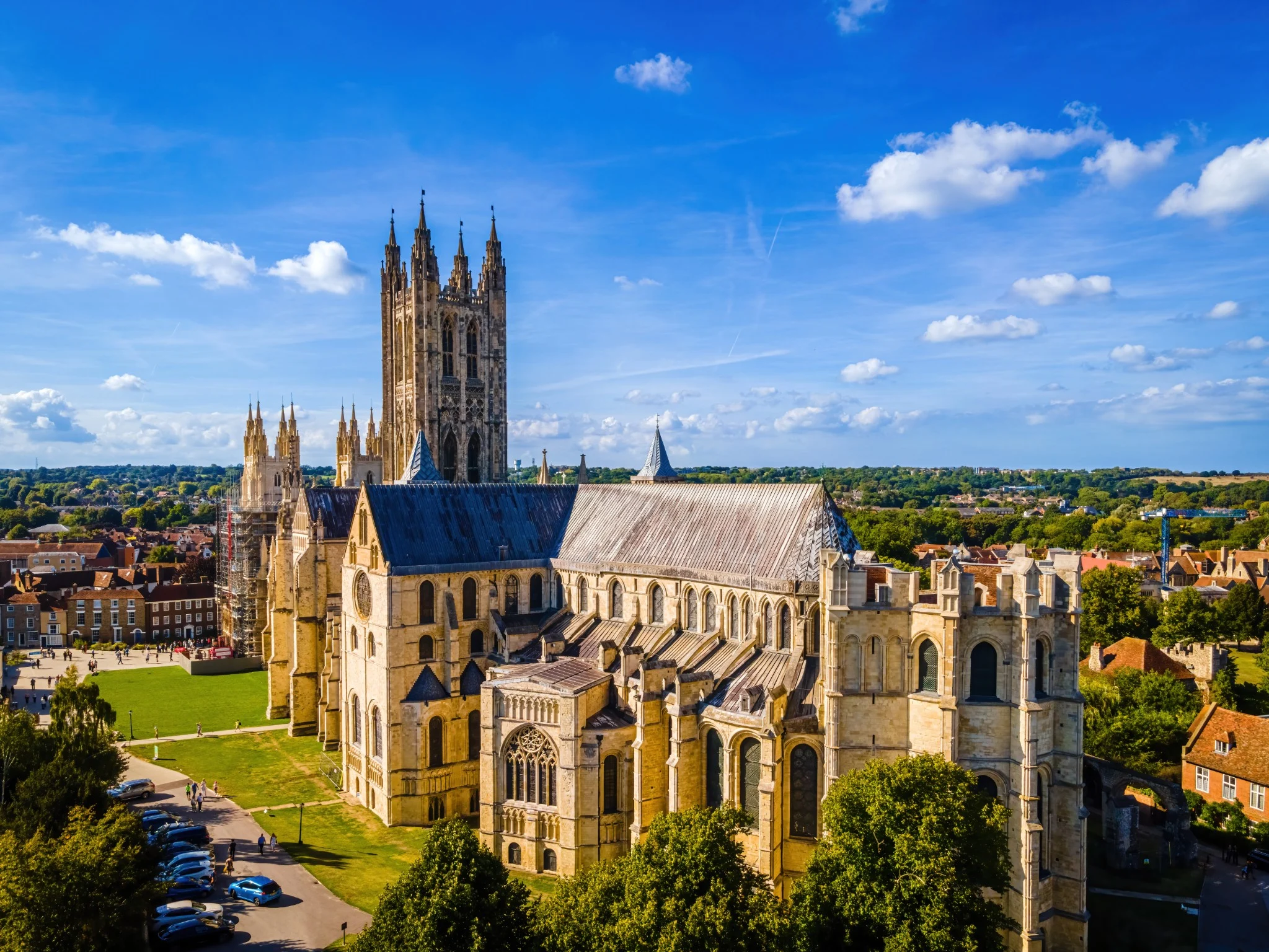
Canterbury sits at the heart of England’s religious story. Its UNESCO listing covers three big names: Canterbury Cathedral, St. Augustine’s Abbey, and St. Martin’s Church.
The cathedral itself, with those soaring Gothic arches and stained glass windows, has drawn pilgrims for more than a thousand years. Walk through the cloisters, take in the medieval art, and dive into the story of Thomas Becket—his murder here turned the cathedral into a legend. When you add in the abbey and the little ancient church, Canterbury turns into a deep well of England’s spiritual heritage.
Durham Castle and Cathedral
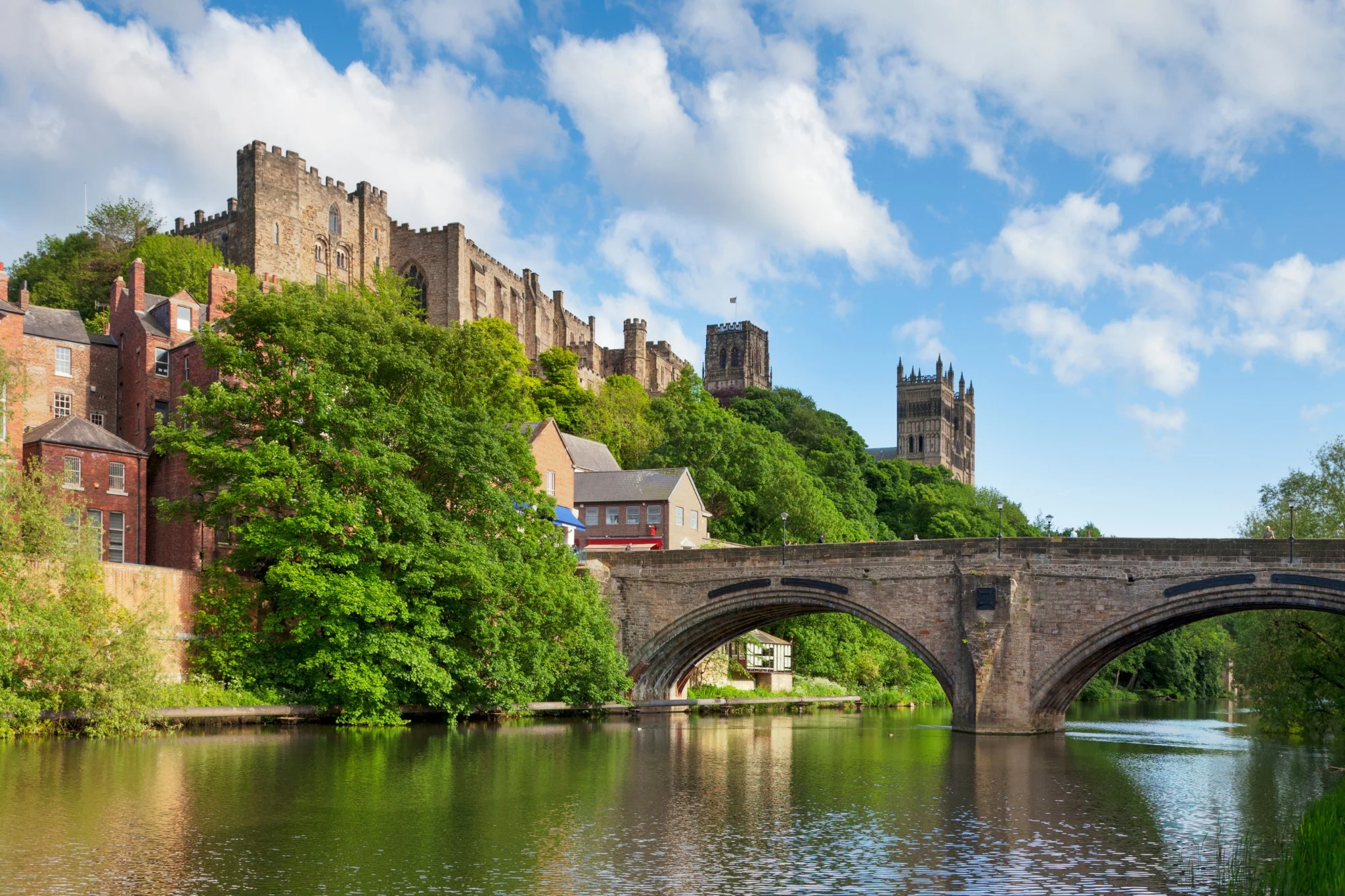
Durham Castle and Cathedral perch dramatically above the River Wear, showing off Norman architecture at its best. The cathedral is all ribbed vaults and towering stone—easily one of the finest Romanesque buildings in Europe.
The castle, now part of Durham University, gives you a glimpse into medieval life and the old feudal world. With that mix of epic architecture and a jaw-dropping setting, this UNESCO site pulls in anyone with a taste for history, culture, or just a really good view.
Giant’s Causeway and Causeway Coast
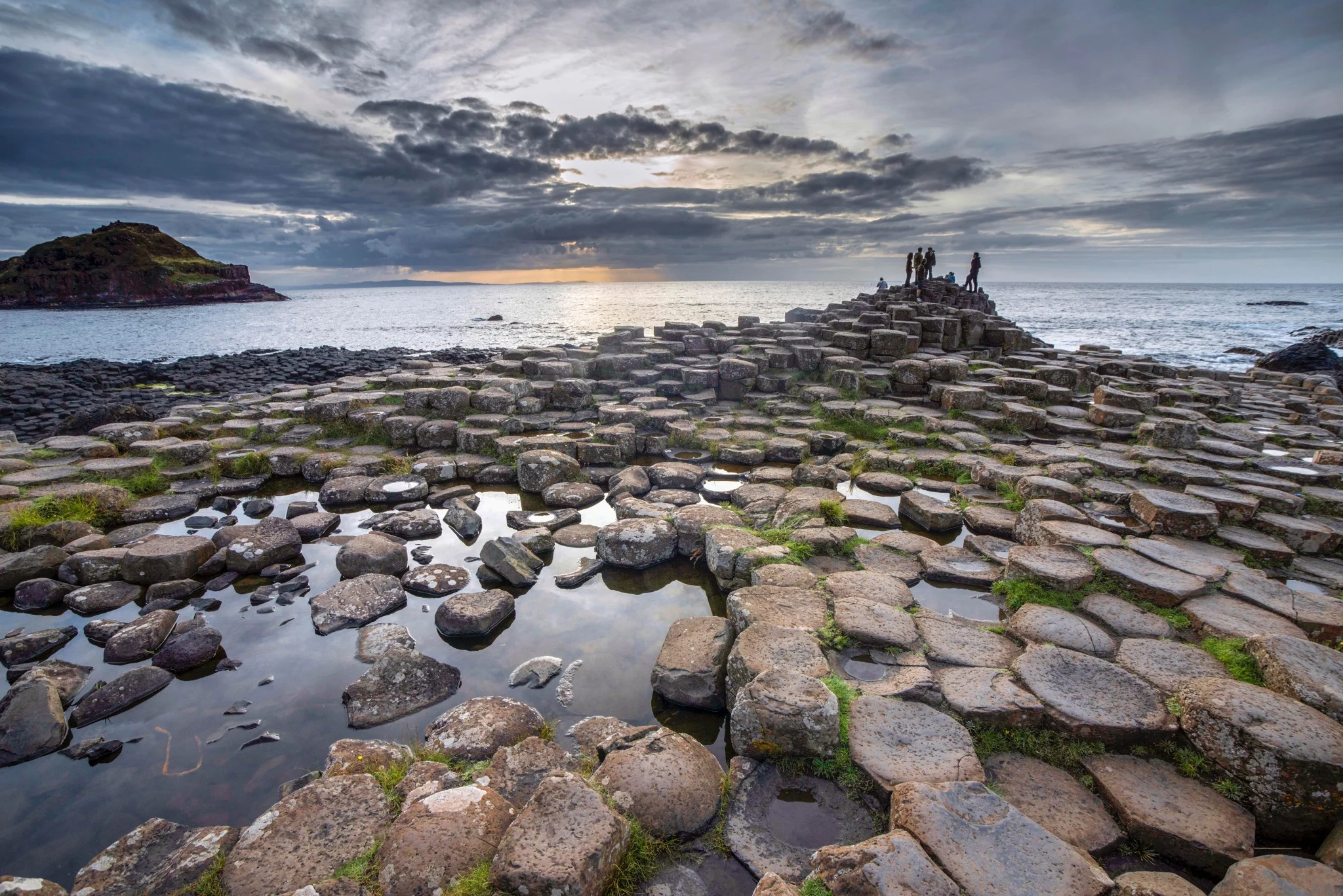
Switching gears from old buildings to raw nature, the Giant’s Causeway in Northern Ireland feels like another planet. About 40,000 basalt columns crowd together, shaped by volcanic fire millions of years ago—or, if you prefer the old stories, built by the giant Finn McCool.
Cliffs rise up all around, and the coast is wild and beautiful. You’ll find hiking trails, epic views, and a visitor center with hands-on exhibits that explain how this strange landscape came to be. It’s perfect for anyone who loves legends—or just wants to stand somewhere unforgettable.
Edinburgh Old and New Towns
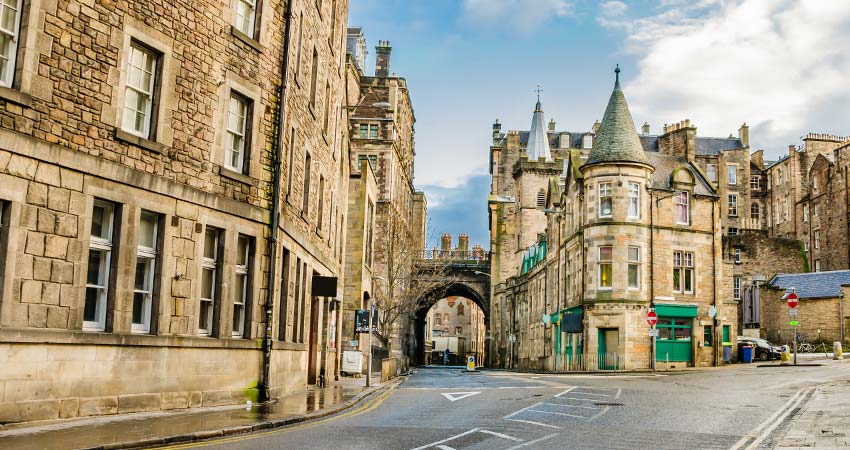
Edinburgh feels like a place where the past and present hang out together. In the Old Town, you’ll find twisting alleys and the famous Royal Mile, packed with stories and centuries-old buildings. Just across, the New Town stands out with its elegant Georgian streets—everything’s laid out so precisely, it almost feels like the city is showing off.
People wander up to Edinburgh Castle, stroll through Princes Street Gardens, or climb Arthur’s Seat for those big, sweeping views of the city. The energy here isn’t just in the stone and skyline; it’s in the festivals, museums, and theaters that keep Edinburgh buzzing year-round. Honestly, if you’re looking for a city with real character, this is it.