Tivoli – Villas, Waterfalls, and Ancient Luxury
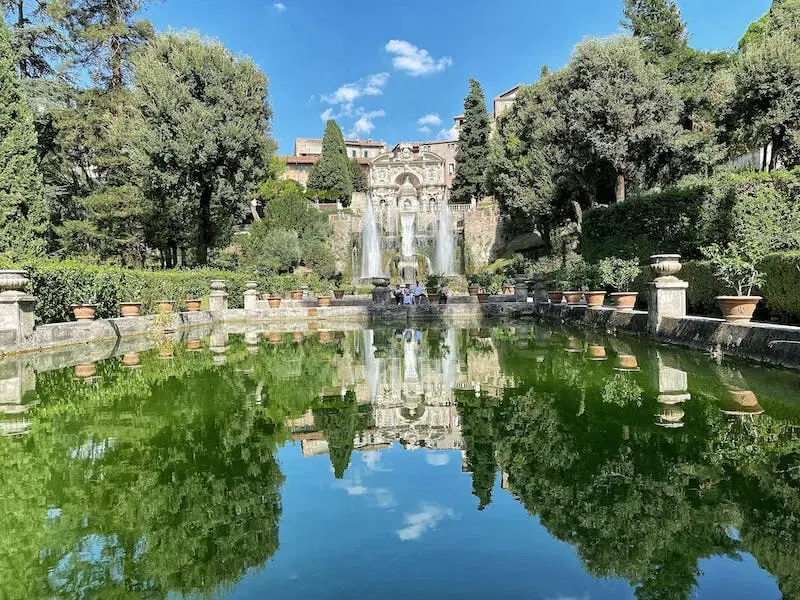
Forty minutes out of Rome – by rail or road – Tivoli sits quiet on the slopes, removed from city noise. Once favored by emperors seeking rest, it holds onto grace like old habits die hard. Sunlight plays across fountain sprays at Villa d’Este, a place carved in history, where gardens twist through time with water leaping between stone. Not far off, crumbling halls and marble figures remain silent at Hadrian’s Villa, whispering tales of empire without saying a word. Wandering through Tivoli’s narrow streets, you’ll find small restaurants tucked into ancient corners – ideal for pausing midday on your way to Rome. Water echoes around every turn, humming softly beneath footsteps like a quiet heartbeat. When warm months arrive, color bursts across the gardens, flowers spilling along paths cooled by leafy canopies overhead. Many guests are surprised at just how far these villas stretch; walking them takes longer than expected. Perched high above the plains, the town opens up wide scenes of green hills and distant rooftops. History lives here quietly, folded into trees, stone, and sunlight without effort.
Orvieto – A Hilltop Marvel in Umbria
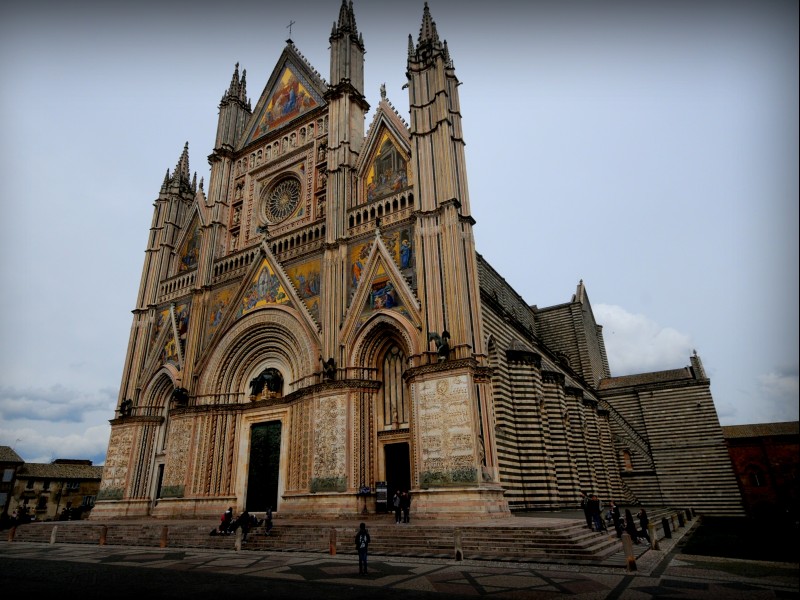
Hanging above rugged volcanic stone, Orvieto sits a short ride by rail – about seventy–five minutes out. Its profile against the sky shaped by the towering Cathedral of Orvieto gives a glimpse into medieval life. Gothic details cover the church front, alive with colored tiles and figures carved deep. Below ground, passageways stretch far and wide, hollowed long ago by Etruscan hands over two and a half millennia past. Golden light spills over cliffside walls when the sun dips low. A glass of sharp Orvieto Classico waits in hand, sipped slow inside a tucked–away enoteca. Views stretch wide across rolling Umbrian hills, unfolding like old maps. Small streets coil tightly through the town, built for wandering, never hurrying. Stone homes rise beside tiny workshops where hands shape goods you won’t find elsewhere. Piazzas appear suddenly, empty except for echoes and pigeons. Time moves differently here – not stopped, just softened. History isn’t read in books but felt underfoot with every step.
Florence – The Renaissance City
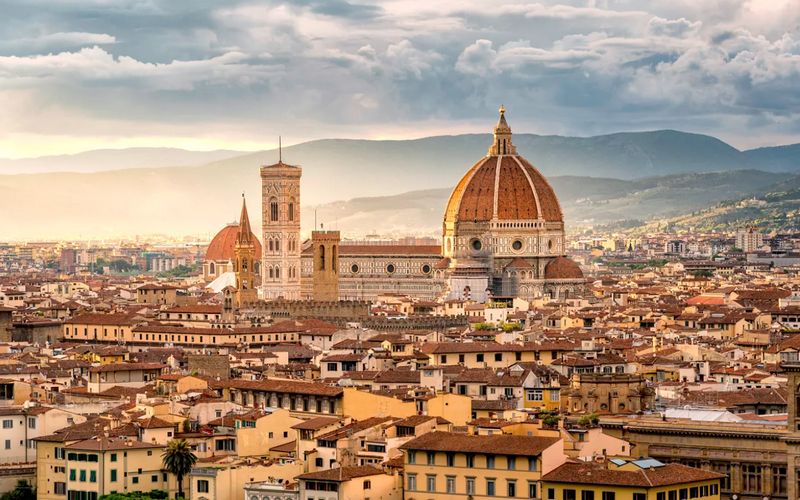
Though distant in feel, Florence arrives fast – ninety minutes on a swift rail line, turning it into a solid choice for a single-day escape from Rome. This place breathes like a gallery without walls, packed with centuries of craft, design, and stories under every archway. Step inside the Uffizi to face bold strokes of Renaissance genius, then pause beneath the quiet strength of David, carved by Michelangelo’s hand at the Accademia. A walk along the old river bridge, Ponte Vecchio, offers glimpses of goldsmiths still working behind glass. Above everything looms the red–tiled cupola of the Duomo, engineered long ago by Brunelleschi. When feet tire between galleries, find rest with cold gelato near Piazza della Signoria, where statues keep silent watch. Wandering further leads to small shops threading narrow lanes, selling smooth leather shaped locally. Worthwhile moments wait around every corner in Florence. Getting there takes time, yet each hour feels returned tenfold. Small streets wind tightly, letting feet do most of the talking. Music spills from corners where players share tunes under stone arches. Painters set up near bridges, their brushes moving while crowds drift by. Dawn brings calm, just water rippling beneath old railings. As darkness settles, lamps flicker on like slow–blooming flowers. Memory holds tight to these scenes, even years later.
Naples – A Taste of Southern Energy
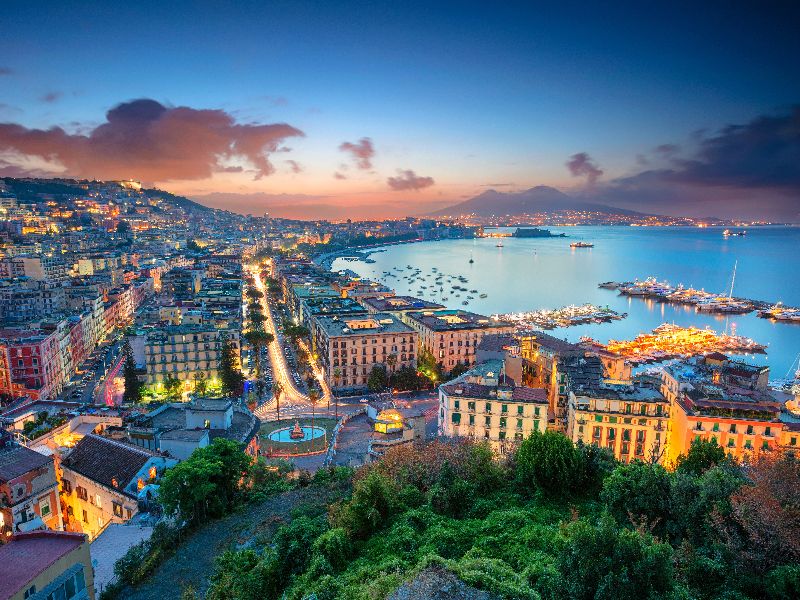
Speedy trains carry visitors between Rome and Naples within seventy minutes flat. Full of life, this southern hub hums differently than the capital’s polished pace. Dawn breaks near Piazza del Plebiscito, where footsteps lead through royal halls once ruled by kings. Winding lanes unfold ahead – clothes hang overhead, church facades rise suddenly, scents of bubbling cheese pull you toward hidden ovens. Ancient relics pulled from buried towns rest quietly inside the archaeological museum’s rooms. Later, walk the lungomare path hugging the bay, eyes fixed on the volcano looming across shimmering water. True, tasting real Neapolitan pizza here feels almost like a quiet promise kept. Offbeat energy pulses through the streets – it shapes who this city is. Through tight lanes, scooters dart, moving to a beat found nowhere else. Stalls overflow with ripe fruit, fish just pulled in, voices rising in chatter. Each quarter breathes differently, carries its own mood and scent. This place hits hard, lives loud, stays etched long after you leave.
Assisi – Spiritual Serenity in Umbria
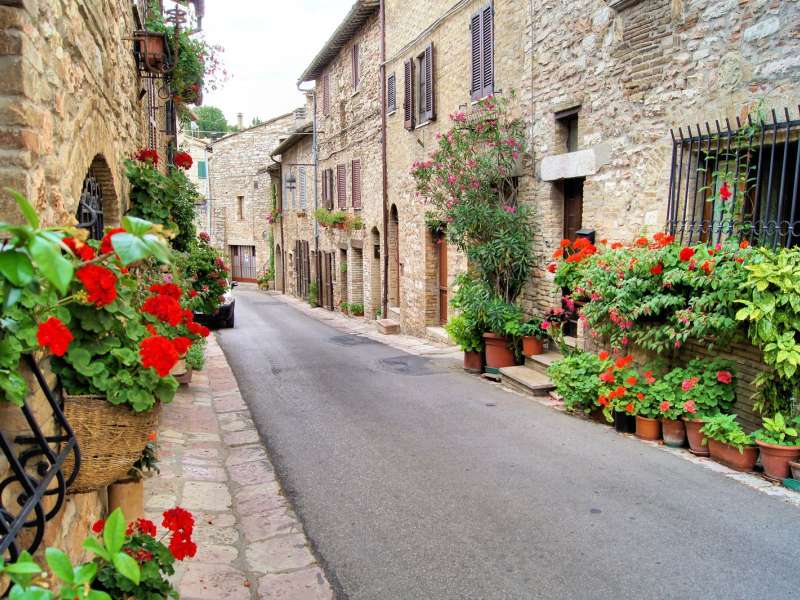
A short train ride away, Assisi sits quietly, welcoming visitors who have come for generations. Born here was St. Francis, giving the town deep roots in faith and history from long ago. Inside the Basilica dedicated to him, paintings by Giotto and Cimabue cover walls, making it one of Italy’s key sacred places. Walking paths wind between old stone homes and small craft stores along uneven lanes. From high spots, the land spreads out below – wide, green, full of quiet light. Out here, silence settles between the rooftops like dust on old books. Traffic hum fades – replaced by sparrows calling across stone walls. Bells chime at odd hours, not keeping time but marking moments instead. Breathing changes without smoke and sirens tugging at your lungs. People arrive looking for something they can’t name. Tiny green pockets hide behind iron gates, full of ivy and uneven steps. This place doesn’t rush; it waits, letting footsteps find their own rhythm.
Ostia Antica – Ancient Rome by the Sea
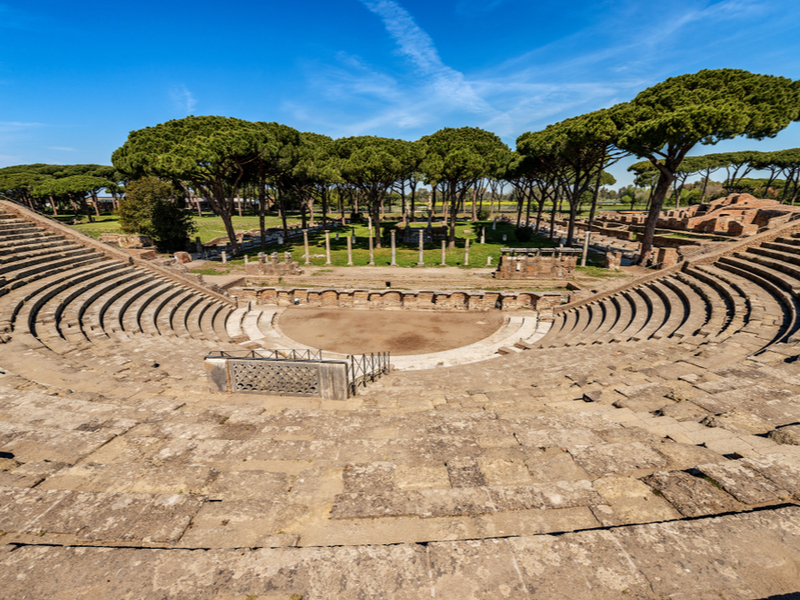
Out here, just half an hour west of Rome’s core by rail, lies Ostia Antica – a quiet echo of what once was. This place used to handle ships, grain, and trade when empires stretched wide across the sea. Now cracked stone paths lead past colorful floor art made from tiny tiles, still bright after centuries underground. Temples stand low but proud, their columns whispering stories if you slow down enough to listen. Bathhouses rise like forgotten rooms in a house long abandoned, hinting at routines both public and personal. Even old eating spots remain, where workers likely grabbed meals between tasks under open skies. While many flock elsewhere, few make it out here – so silence wraps around you instead of crowds. Later on, move toward Ostia Lido to unwind beside the water. Scattered wide, the remains cover more ground than expected, like stepping into a living past. Though old, plenty of buildings stand strong today. Signs placed along paths explain what happened here long ago. You start picturing people trading goods, walking these very stones. Ancient roots meet ocean air in a way few places manage.
Viterbo – Thermal Baths and Medieval Alleys
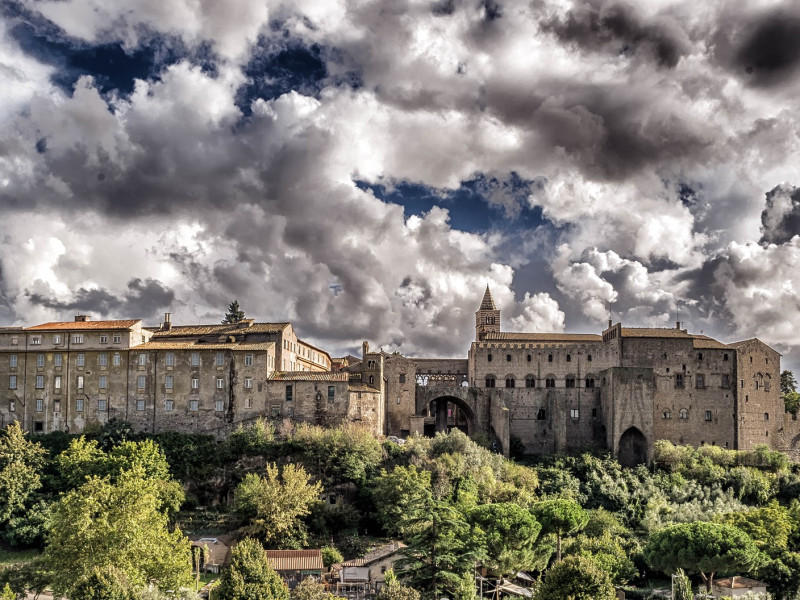
Just under two hours on the train, Viterbo hides in plain sight across northern Lazio. Once home to popes during the 1200s, it carries whispers of old church power. Wandering San Pellegrino feels like stepping into stone lanes frozen mid–century. A tangle of arched passages links homes with blossoms spilling from iron rails. Not far off, hot water rises through rocks at Terme dei Papi. Hill views frame pools where warmth soaks deep into skin. Out of all the places nearby, Viterbo slips neatly between past and pause. Wandering through parts of it, time seems stitched tight to old stone walls. Sudden clearings pop up after long, thin streets twist without warning. Meals come slow here, shaped by generations cooking close to the land. Water rising from deep below has drawn visitors for reasons beyond just warmth. Peace settles where ancient baths meet unchanged alleyways – without effort, they fit.
Civita di Bagnoregio – The Dying Town
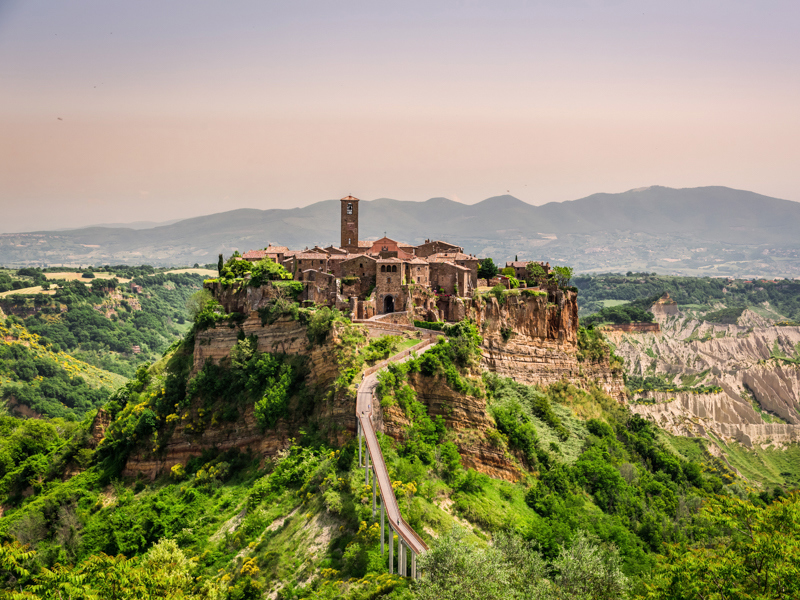
Start your journey toward Civita di Bagnoregio if distinct places pull your interest – it sits two hours north of Rome. A fragile cliff holds up the old village, reachable solely by footbridge. People sometimes name it “The Dying Town,” since earth slips away bit by bit beneath its edges. Crossing that walkway shifts everything, as though time bends slightly. Inside, stillness wraps narrow lanes paved with stone, small coffee spots hum softly, while wide–open sights stretch far across the valley below. Beautiful yet delicate, this spot leaves a mark you won’t shake. Only a handful of people live here year–round. Far from everything, it feels like something half imagined. Cameras point its way again and again, pulled by raw scenery. Mist moves in slowly, wrapping the cliffs and houses alike. Few places in Italy stand out so sharply from the ordinary.
Castel Gandolfo – The Pope’s Summer Retreat
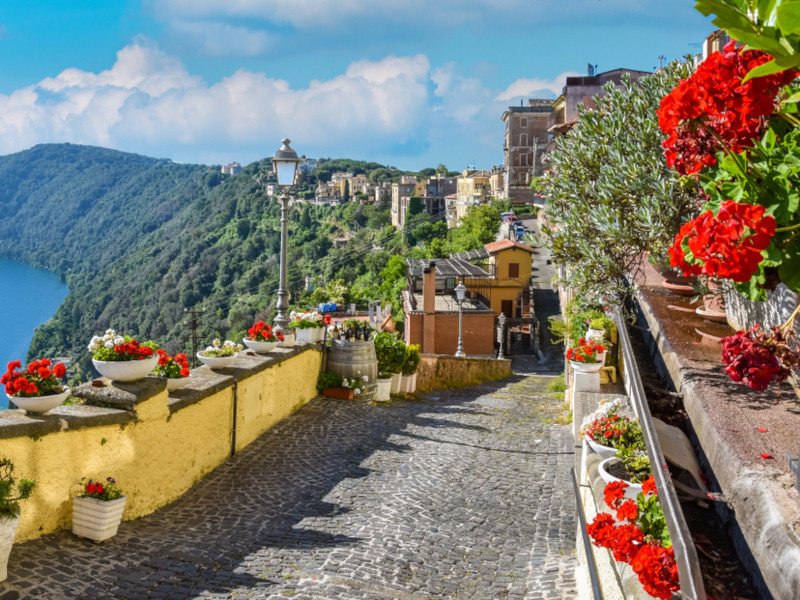
Out past the city noise, reached in half an hour by rail, sits Castel Gandolfo perched above calm Lake Albano. With breezy hillsides, sweeping sightlines, while holding centuries of church legacy tucked into its lanes. Most famous for the Pope’s old summer villa – once closed off, today wandered by guests under Vatican oversight. Wander cobbled paths where quiet corners hide small cafes, linger over dark coffee facing the central piazza. Or dip down toward water level for a row across the lake’s glassy surface. Close by, Albano Laziale pours regional wine, serves rustic meals rooted in country cooking ways. Peace settles here easily, satisfaction comes without effort. Formed long ago by fire beneath the earth, the basin shaped itself into a near–perfect round mirror. Fresh breezes drift down from the hills when heat wraps the city below. Paths wind through green spaces kept neat by careful hands each season. Visitors stroll where emperors once paused under shaded trees. Stone steps echo old stories without needing signs or tours. Comfort lives here quietly – no grand claims, just steady charm rooted deep.
Sperlonga – Seaside Beauty and Roman Ruins
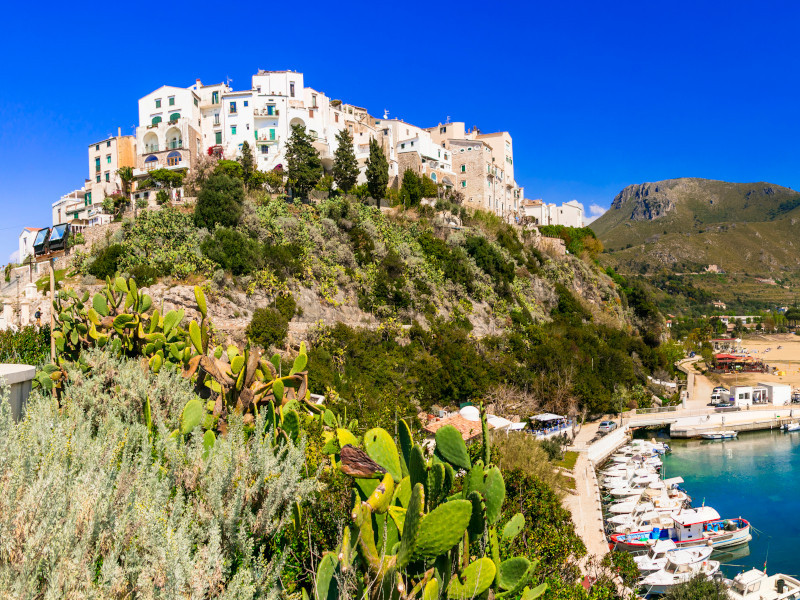
A short trip east brings you to Sperlonga, reachable in less than two hours using train then bus. Nestled along the coast between Rome and Naples, it gives seaside calm minus the noise. Winding paths wind past sun–bleached walls before opening onto soft sand and bright blue waves. Those who like old stones might explore the ruins of Emperor Tiberius’s villa – half–buried chambers and carvings perched above the shoreline. Later on, unwind by the shore with seafood pasta in hand while waves roll nearby – a quiet break from city chaos. Buildings follow an old Greek pattern, shaped by time and sea air. Days grow busy in summer, yet dawn and dusk keep their calm. This stretch of coast ranks among Lazio’s most untouched. When the sun dips into the Tyrrhenen Sea, colors linger long after dark. With ease, Sperlonga ties together rest, ruins, and rugged scenery.