Oltrarno Florence’s Real Craft Neighborhood
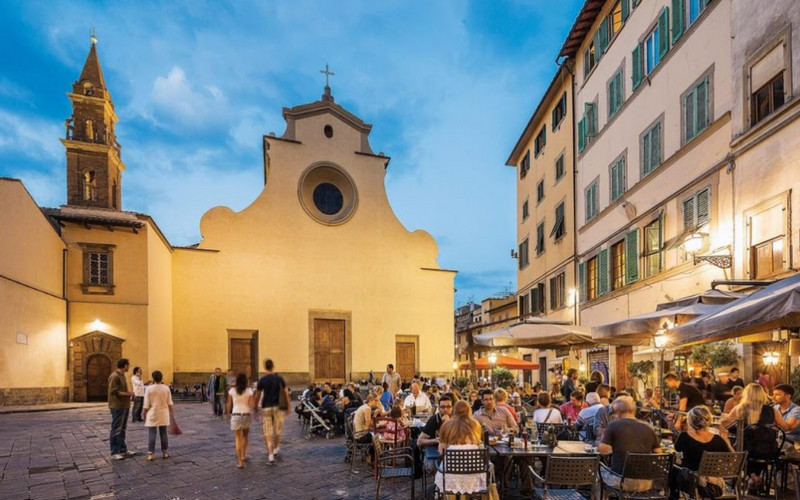
Cross the Arno on either Ponte Santa Trinita or Ponte alla Carraia, then suddenly there it is – Oltrarno, a neighborhood whose name says only that it lies past the river. Not crammed with crowds like central Florence, this part breathes slower, lived in by neighbors who know each other, walking lanes that stay hushed. Down tight passages, small shops hum along doing work passed down generations: stamping leather, bending metal into jewelry, chiseling figures from wood, pressing sheets of paper one at a time. Along Via Maggio and Via Romana, open doors reveal makers bent over benches, hands busy forming objects without machines. Rising among them stands the Basilica of Santo Spirito, shaped by Brunelleschi; outside it looks bare, yet inside unfolds wide space glowing under daylight spilled through tall windows. Just beside, Piazza Santo Spirito stirs nonstop – from dawn espresso to night drinks served slow – a bench here lets you sit, eyes open, pulled gently into daily rhythm. Later that day, golden glows begin to glow through windows of small restaurants across Oltrarno, spilling light on old stone paths. The Brancacci Chapel waits nearby within Santa Maria del Carmine, a quiet space where Masaccio changed art using bold new frescoes long ago.
The Rose Garden and San Miniato al Monte
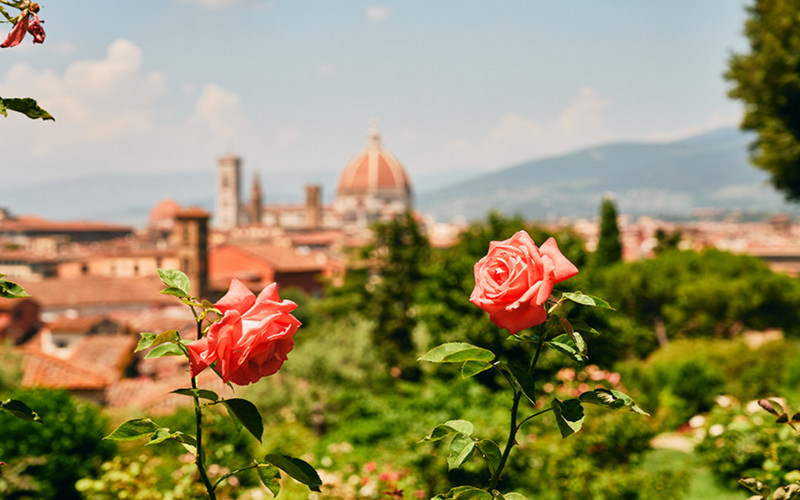
Up top near Piazzale Michelangelo sits San Miniato al Monte, often missed by folks rushing back down the hill. Though many come for sweeping sights of Florence, few press on past the main overlook to find this gem. Rising above noise and traffic, the old Romanesque church wears stripes of white and dark marble that shine when sun hits just right. Light slips through tall windows, touching mosaic tiles and faded wall paintings inside where silence settles like dust. Outside, the stone porch gives wide–open sightlines across rooftops, minus the crush of tourists packed into busier spots. On the way up, a garden spills over with roses – pink, red, yellow – planted in neat rows along winding lanes covered in shade. Sculptures pop up between flowerbeds, dreamy figures shaped by hands from Belgium long after lunchtime naps began. Benches wait under trees if someone wants stillness, bread, cheese, maybe a book, all framed by leaves and skyline. Spring light wakes the garden slowly, painting it bright by late morning. Roses climb past old stone figures while the Duomo peeks through gaps far off. Color pools along paths where few people walk. Moments here feel quiet even when the city hums nearby. A bench waits under a tree just before the hill dips down.
Florence’s Quiet Cloisters Unseen
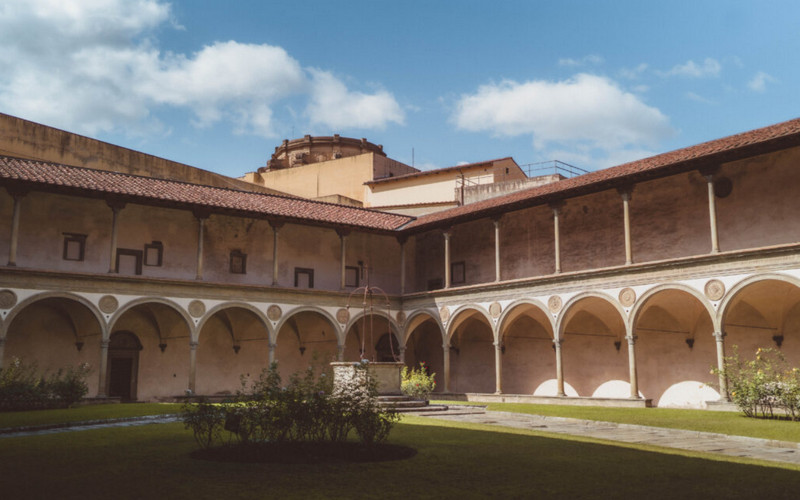
Out back from Florence’s famous church fronts, hushed cloisters wait just beyond the noise. Elegant archways wrap around open yards where stillness takes hold instead of street bustle. Few travelers step into Chiostro dello Scalzo, even though its walls glow with Andrea del Sarto’s rare monochrome scenes. Silence lives here most days, broken only by soft footsteps on stone. Santa Croce holds another such space, where trees grow slow beneath symmetrical walkways made for pausing. You can sit without crowds pressing close, surrounded by old stonework shaped like breath held too long. Not far off, San Lorenzo hides a courtyard people pass right by while chasing Medici tombs inside. Yet Brunelleschi’s hand carved this quiet spot – simple lines doing what gold never could. Stillness speaks louder than marble when you finally hear it. Hidden corners of Florence unfold at a quieter pace, one few visitors ever notice. Though tucked within the urban rush, these courtyards carry stillness, dappled brightness, their balanced lines shaping pockets of calm.
The Bargello In Florence Houses Remarkable Sculptures
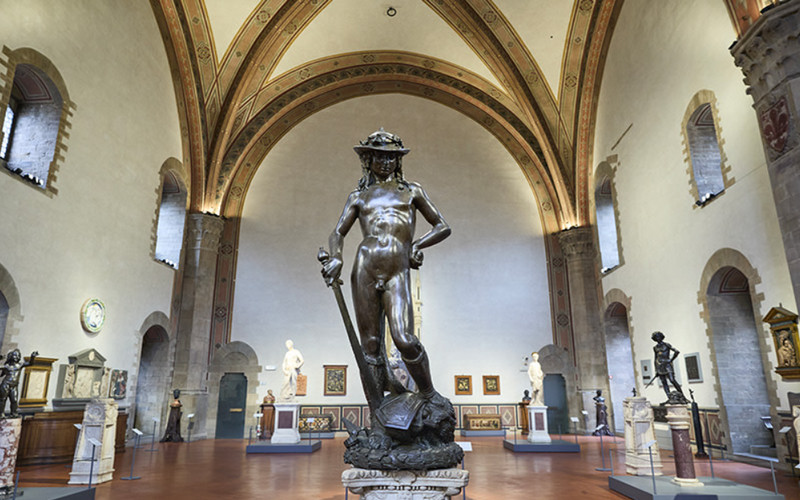
Some people only talk about the Uffizi, yet the Bargello hides treasures just as powerful. Inside an old stone building – once locked doors for prisoners and soldiers – a quieter kind of wonder waits. Sculptures take center stage here, shaped during the heart of the Renaissance. Donatello’s bronze David stands still, bold, the first naked figure standing alone since ancient times. Elsewhere, pieces carved by Michelangelo rest near creations from Verrocchio and Giambologna, each telling shifts in skill across years. Stone and metal speak differently under these vaulted ceilings. While other spots buzz with noise and queues, this place lets eyes linger longer, almost undisturbed. Stone courtyards wind through the structure, while towering staircases rise without hurry toward shadowed halls. Medieval air settles thick here, pulling each visitor deeper into what once was. Walk these passages and Florence’s past presses close – artisans’ hands shaping marble, voices debating power in hushed tones. Moments feel untouched, as if time forgot to move forward inside these walls.
Walk the Old Paths of San Niccolò
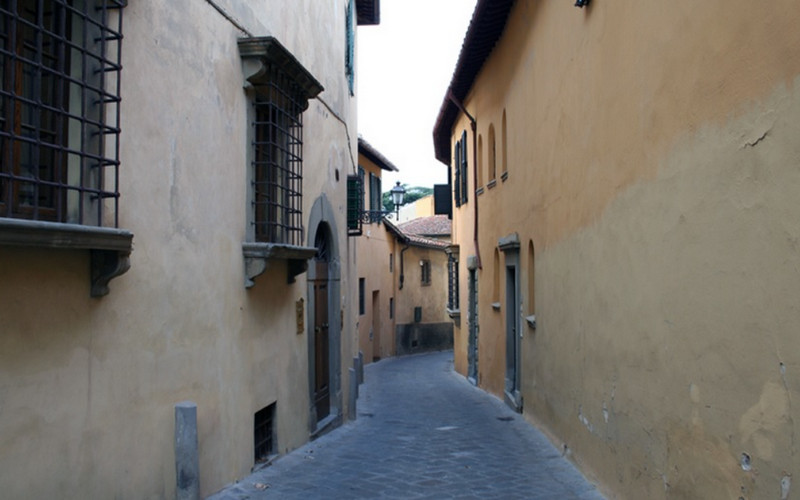
Down near the base of the slope heading up to Piazzale Michelangelo lies San Niccolò, a neighborhood soaked in old–world charm. Though part of Florence, it plays like a forgotten village frozen in centuries past – narrow streets paved with worn stone, walls dressed in ivy, small craft studios tucked behind heavy wooden doors. Step through Porta San Miniata, a remaining slice of the city’s medieval edge, then wander along twisting trails that once formed the fortress line. Scattered ahead are lookouts where views spill across rooftops and hills, places so calm they feel sealed off from everything else. Eating here tastes real; family–run kitchens and modest wine spots serve locals first, drawing few crowds from tour groups. When night falls, soft light spills from lanterns onto cobbled lanes while people settle outside with plates of food and steady talk. This is where Florence breathes easier, away from rush and noise.
Florence Hidden Museums
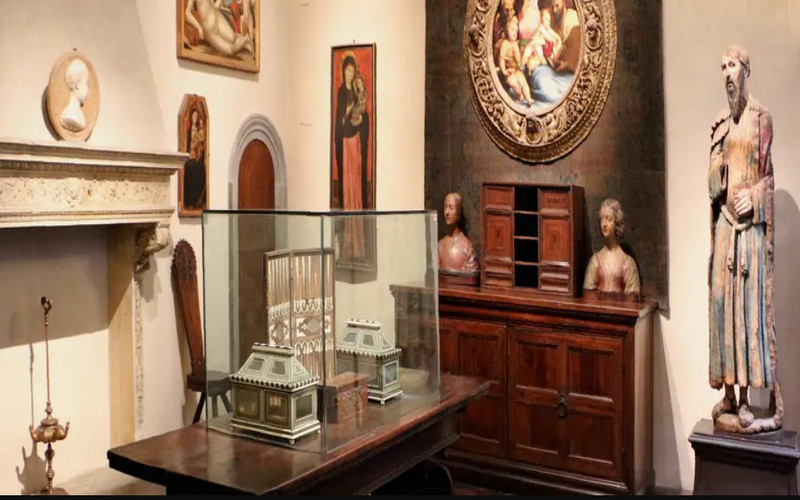
Inside Florence’s big art halls lies another world entirely – tiny spots holding secrets few expect. Step into the Museo Horne, where an old Renaissance house breathes through canvases, wooden chairs carved centuries ago, bowls glazed by forgotten hands, all gathered quietly by Herbert Horne, a British scholar with sharp eyes. Not far away, tucked beyond the busy streets, stands a lavish villa home to the Stibbert Museum – its rooms pulse with suits of armor, swords from distant wars, arranged like scenes from silent plays. Want contrast? Try La Specola, where glass cases guard lifelike wax bodies shaped in the 1700s – strange, yes, but striking too. Bones from ancient beasts, animals posed mid–motion, stones pulled from deep earth, tools once used to measure stars – all sit here, proof of how deeply curiosity runs in this city. Hidden among Florence’s streets, smaller museums pull you away from crowded landmarks into quieter stories. Instead of standing in line, visitors find moments that stick – odd artifacts, personal tales, corners forgotten by guidebooks. Not every traveler stumbles upon them, yet those who do often remember more. Away from famous squares, these spots whisper rather than shout their histories.
Hidden Panoramas Florence’s Rooftops and Towers
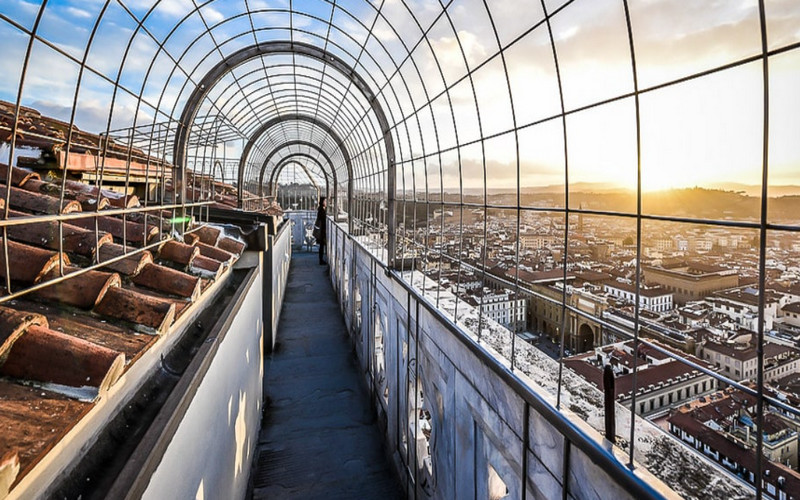
Most people head up the Duomo or Giotto’s Bell Tower for wide–open sights, yet hidden spots in Florence give just as much. Instead of crowds, try old watchtowers like Torre della Zecca – sometimes unlocked in warmer months – with sweeping looks past red roofs and steeples. Far from busy paths, you might find Torre San Niccolò offering stillness along with its high–up gaze. Rather than climbing stone steps, picture yourself stepping onto a smooth terrace where evening drinks come served with slow–fading light. At places like La Terrazza above Hotel Continentale – or SE·STO on Arno – the sun dips low, painting walls and spires gold. Once darkness begins to rise, the big green cupola lights up softly, hanging warm against the cool dusk. High above the busy lanes, rooftop spaces feel calm, almost private. As day fades, the city begins to glow – soft at first, then bright. Firenze wakes in golden waves, streetlight by streetlight. Each moment feels still, yet full of motion.
Gardens Beyond Boboli
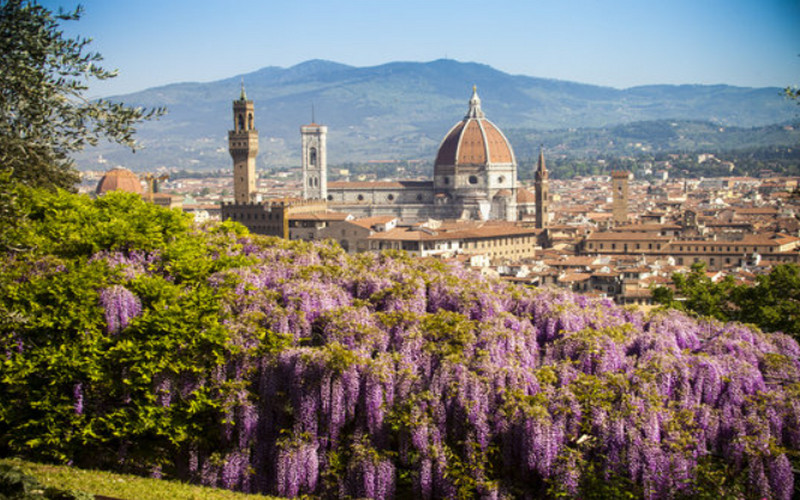
Hidden behind steep paths, the Bardini Gardens unfold with quiet charm. Though less known than Boboli, they hold their own magic through stone steps that climb past blooming vines. Water trickles down old fountains where sunlight breaks across mossy edges. Terraced levels rise gradually, each revealing framed glimpses of red rooftops below. When spring arrives, a long pergola becomes a tunnel of purple flowers hanging low. Church spires peek above the treetops in the distance. Fewer footsteps echo here compared to other spots nearby Florence hides a quiet escape inside its old Orto Botanico, started way back in the 1500s. Wander past rows of healing herbs, rare greenery from distant lands, plus towering trees older than most buildings nearby. Shady trails twist through the space, offering cool rest when sun beats hard in midsummer. Science lives here quietly, woven into blossoms, leaves, roots – yet everything feels soft, unhurried. Peace settles easily among these plots, tucked far behind crowded streets and famous sights. Those who step off noisy paths often find exactly what they didn’t know they needed.
Taste Real Florence Without the Crowds
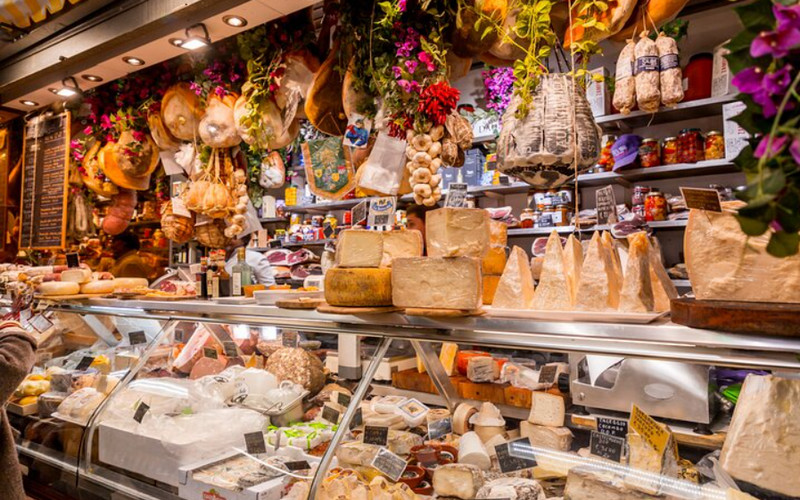
Start by stepping away from the Duomo’s crowded squares, where real flavor begins in quieter streets. Sant’Ambrogio hums each morning as neighbors meet under market awnings, trading stories while selecting ripe fruit, sharp pecorino, and slices of prosciutto. A stall there serves panino con lampredotto – tender offal stewed for hours, tucked inside bread that cracks with every bite, brightened by herb–flecked sauce. Turn down an unmarked lane later, finding a dimly lit enoteca where candlelight flickers beside carafes of deep red Chianti, plates heavy with salami and aged cheese. Skip those neon–lit gelato displays near main sights; instead, walk farther until reaching places like Vivoli or Gelateria dei Neri, where vanilla smells like summer and lemon tastes of orchards after rain. Out here, away from the crowds, meals feel closer to how Florentines actually eat. Taste by taste, you start seeing how food ties into stories, routines, old habits – how it shapes days.