Getting to Naxos in Greece? It’s actually really simple.
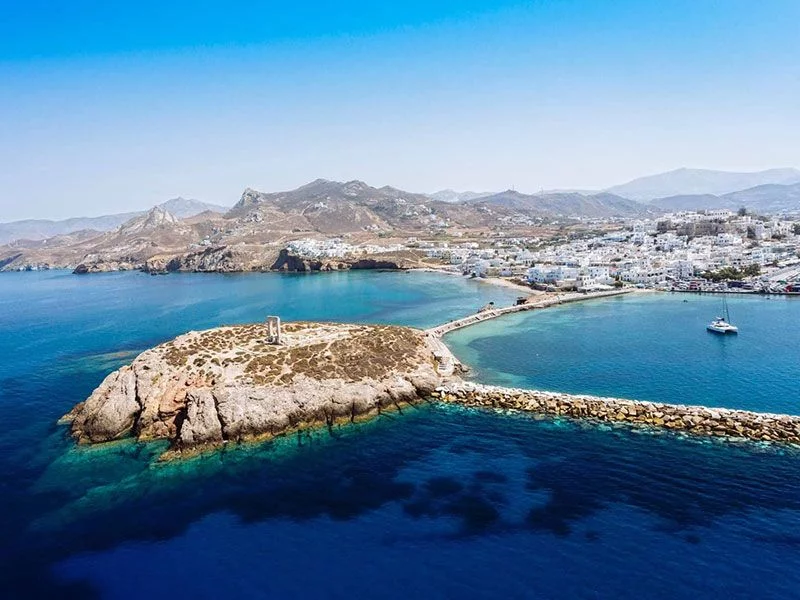
Getting to Naxos is far easier than many first-time visitors expect, especially considering its central location in the Cyclades. The island is well-connected and serves as a natural hub for island hopping in the region. Even if you’re arriving from abroad, reaching it feels smooth and straightforward once you land in Greece. The journey itself is often part of the experience, with sea and sky blending into that classic Aegean blue.
Naxos sits right in the heart of the Cyclades, so reaching it from other Greek islands is pretty straightforward. There’s a small airport on the island, which means you can hop on a quick 40-minute flight from Athens and land right in paradise. Flights are usually frequent during the summer season, making planning quite flexible. The aerial views on arrival already give you a taste of the island’s rugged coastline and fertile valleys.
But let’s be real – most people get to Naxos by ferry. Ferries from nearby islands like Paros and Mykonos run regularly and are often the most scenic way to arrive. Major operators like Blue Star Ferries connect Naxos with Athens’ ports and other islands throughout the week. The ride itself feels like a moving postcard, with endless sea views and scattered islands along the way.
Getting Around the Biggest Island in the Cyclades
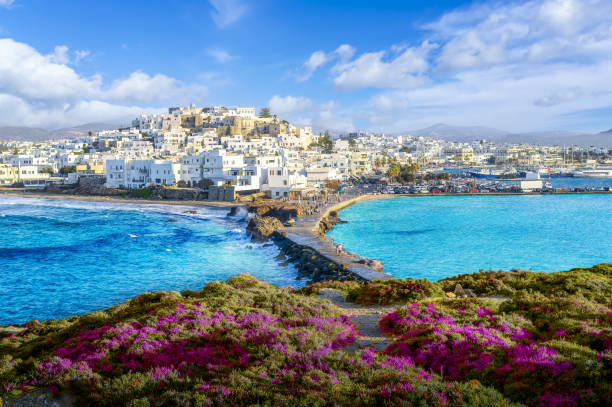
If you’re thinking about visiting in July or August, get ready for crowds. It’s not as wild as Santorini, but Naxos definitely gets busy, and prices climb with the summer heat. Beaches are lively, tavernas are full, and nightlife picks up noticeably during peak season. You’ll also need to book accommodation well in advance if you want good options near the coast.
The island shines brightest in late spring and early fall, when temperatures are warm but not overwhelming. In May, June, September, and early October, the sea is still inviting and the atmosphere feels more relaxed. This is the best time for exploring villages, hiking trails, and beaches without the heavy crowds. You also get a more authentic feel of local life during these quieter months.
Naxos: Where History Comes Alive
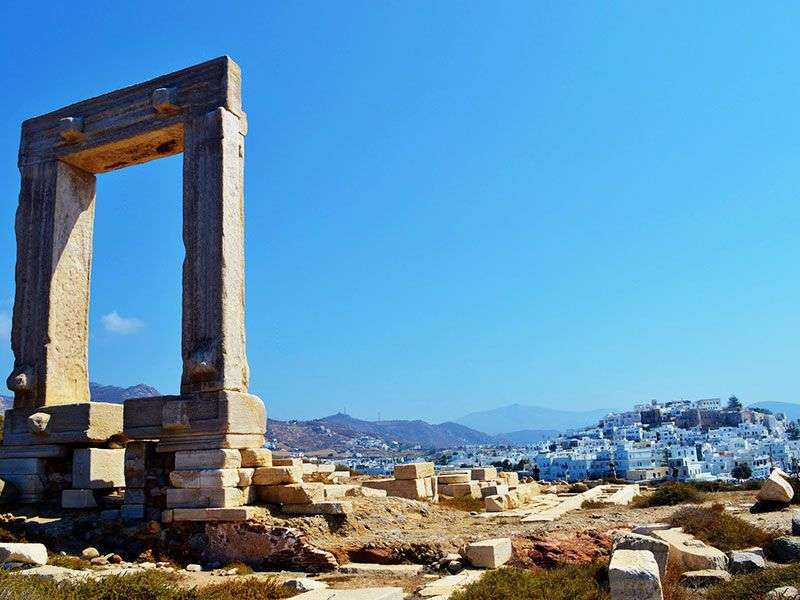
Right away, history wraps around you when the ferry lets you out in Naxos Town. Rising up at the harbor is the grand entrance of the never–completed Temple of Apollo, built way back in 523 BC. More than two and a half millennia live in that stone frame by the sea. As sunlight dips low behind the old stones, time seems to pause on its own.
Long before most islands had names, Naxos was already crossed by travelers – Thracians first, then Ionians, later Romans too. Step inside the Archeological Museum if old things speak to you; it keeps whispers of centuries in pottery and stone. Not far off, the Venetian collection paints life under foreign rule, while the Folklore spot hums with local memory. Stories pile up where streets turn, hiding in doorways and broken walls.
Wandering Through Naxos Town
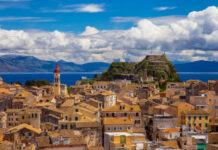
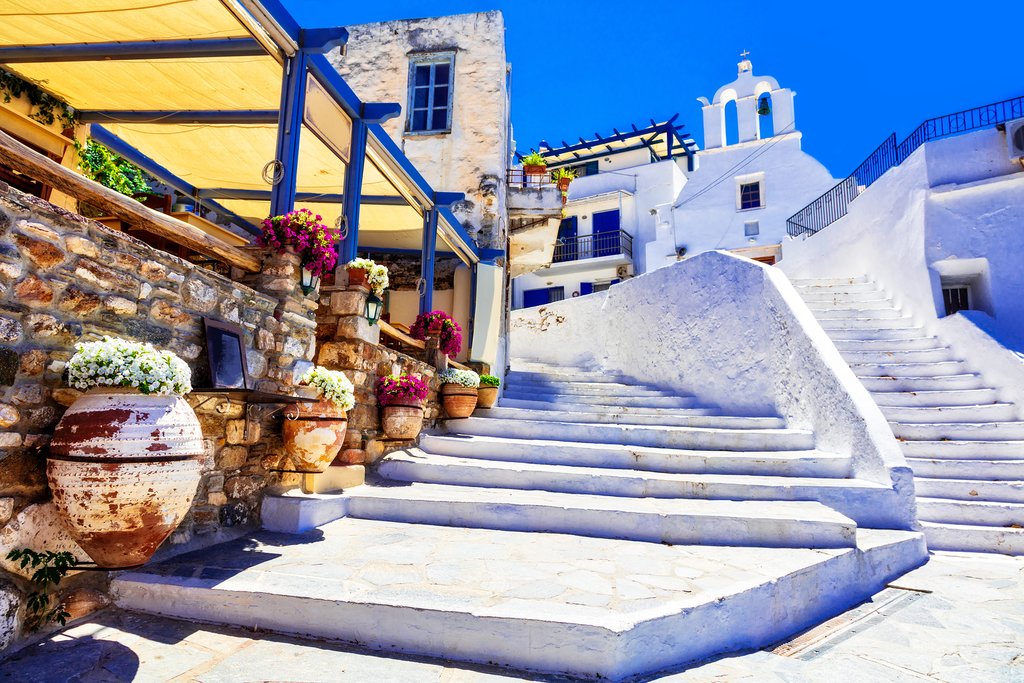
Perched above, the 15th-century Venetian Castle keeps silent guard over Naxos Town. Life moves at its own rhythm here, where old stones meet morning coffee steam. Through tight lanes, white–washed homes lean close beside tiny craft stores. A sudden glimpse of water appears between rooftops, then vanishes just as fast. Hills fold around the edges, quiet and slow under the sun.
Down from the ramparts, sightlines spill across the harbor – ferries drift through comings and departures. Reaching into the sea, the ancient gateway called Apollo’s Temple frames what many lenses capture. When day fades, hues blaze above broken stone, golden light pooling on weathered surfaces. Time folds quieter there, drawing breath without prompting.
Naxos Beaches: One Long Stretch of Paradise
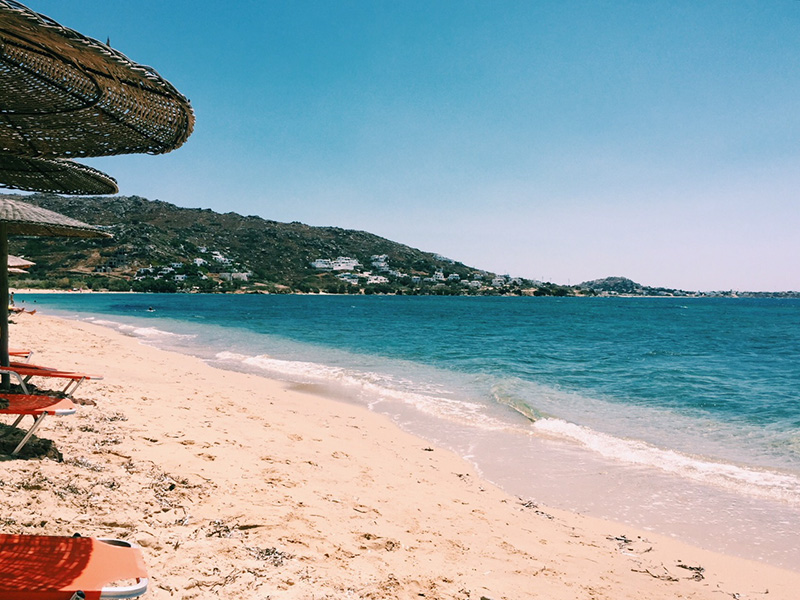
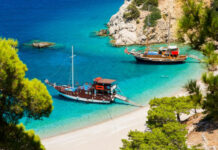
Most of Naxos might be big, yet near its center, top beaches gather close. From Agios Prokopios to Mikri Vigla, sand runs nearly unbroken – smooth, pale gold underfoot. Clear water spreads out, staying low and calm, ideal for slow swims or just floating awhile. Reaching such ease on a Cycladic island feels rare, but here it comes naturally.
Along some stretches of shore, small cafes sit close to the water, serving meals, cold drinks, and rented loungers. Because wind moves constantly across the sea here, riding waves on a board draws many visitors. Even though lots of people come each year, peace shows up in hidden pockets past the main paths. Wherever you fit on your journey, there’s ground waiting that matches your pace.
Discovering the Mountain Villages
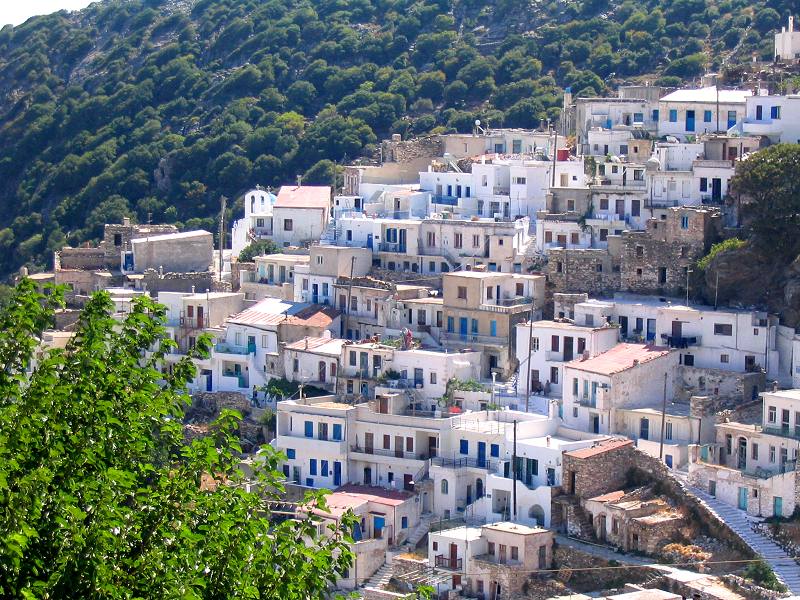
Hidden beyond the shore, Naxos reveals itself in highland silence. Not near the sea, instead among peaks where old ways remain. Stone homes cluster along narrow paths that twist without warning. Villages such as Chalki appear untouched by what came after yesterday. Though small, each holds a different rhythm – Filoti quiet at dusk, Koronos shaped by craft, Apeiranthos marked by carved steps. While most never leave the beach, those who climb discover places living on their own terms.
Life here moves slowly, shaped by farming, crafts, and community. You’ll find small tavernas serving homemade dishes and locals who are happy to share stories. The mountain scenery is dramatic, with valleys, olive groves, and distant sea views. It’s a completely different side of the island compared to the beaches.
The Legend of Mount Zeus
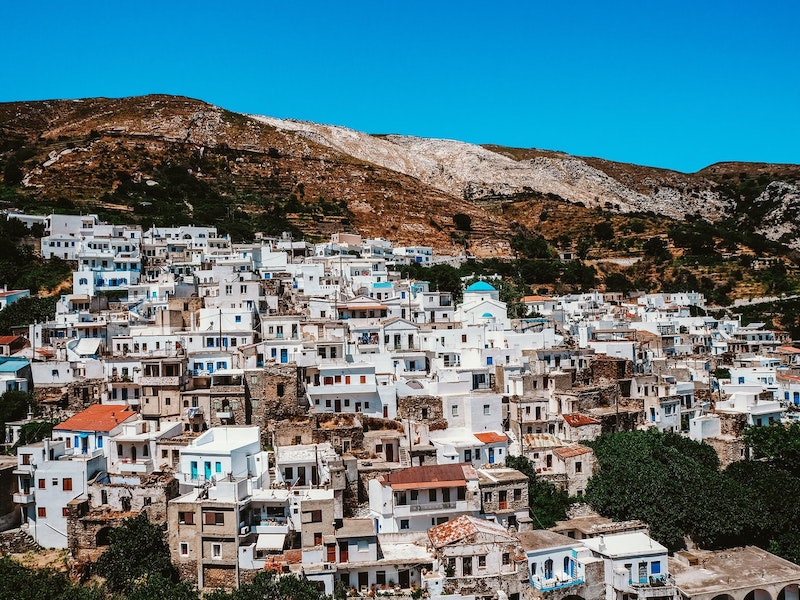
Hidden away, the island cradled baby Zeus, sheltering him from Kronos long ago. Up high on its tallest peak, inside a cave, he supposedly spent his early years. Stories like that seep into the rocks, coloring how you see the cliffs and valleys now. Myth wraps around Naxos so tightly it feels less like history, more like memory.
High up, the peak keeps his name even now, pulling in walkers and wanderers drawn by mystery. Reaching it takes effort – yet the reward appears in wide–open vistas stretching across land and water. From that height, looking out, you understand how old tales might begin in such a place. Time seems different there, heavy with presence.
Taste of Naxos: Traditional Island Food
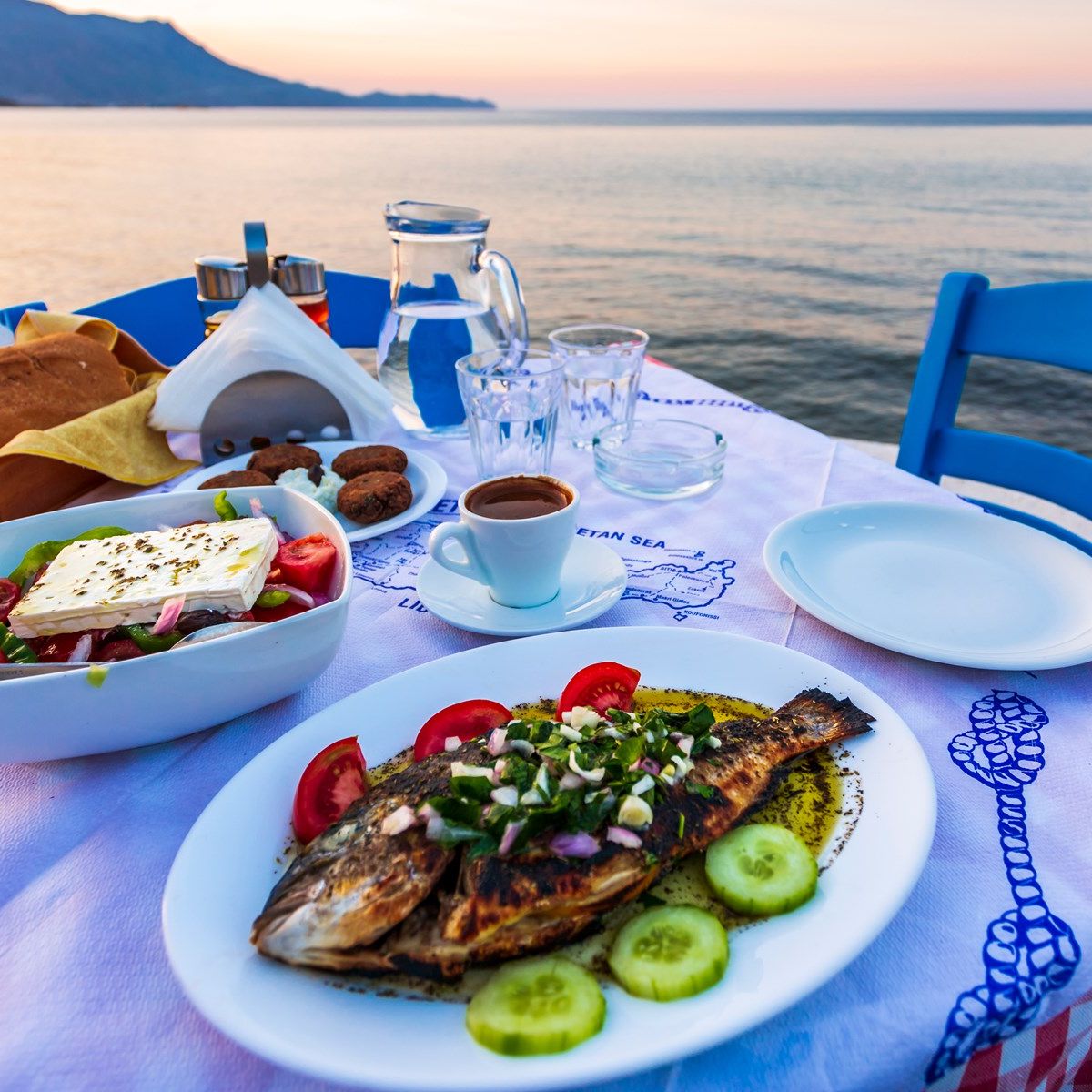
Greek islands are known for great food, but Naxos takes it further with rich local flavors. The island is famous for its cheeses, potatoes, and fresh produce. Tavernas in mountain villages often serve recipes passed down through generations. Every meal feels homemade and deeply rooted in tradition.
Seafood is also a highlight, especially in coastal tavernas where fish is caught daily. Local specialties often come with simple but bold flavors that reflect island life. Pairing food with local wine or raki makes the experience even better. Dining here is not just about eating – it’s about slowing down and enjoying the moment.
Set Sail from Naxos
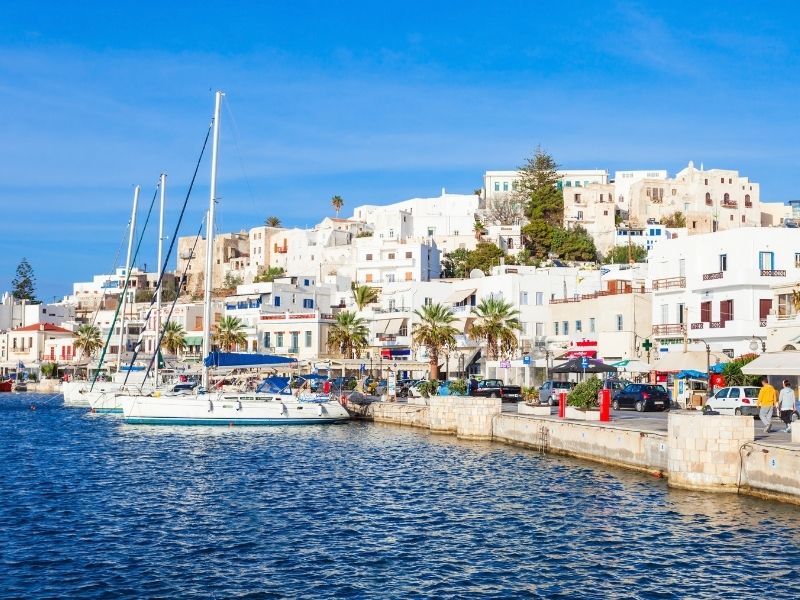
Start exploring by hopping on a sailboat out of Naxos when curiosity hits. These day escapes usually drift toward small islands plus secret coves tucked away from busy spots. Swimming opens up in water so clear it feels unreal, and most people won’t be around. Some boats hand out snorkels while others serve food right where you sit.
The experience offers a completely different view of the Cyclades. Watching the coastline from the water gives you a sense of scale and beauty you don’t get on land. Sunsets at sea are especially unforgettable, with golden light reflecting across the waves. It’s one of the best ways to end your trip.
When’s the Best Time to Visit Naxos?
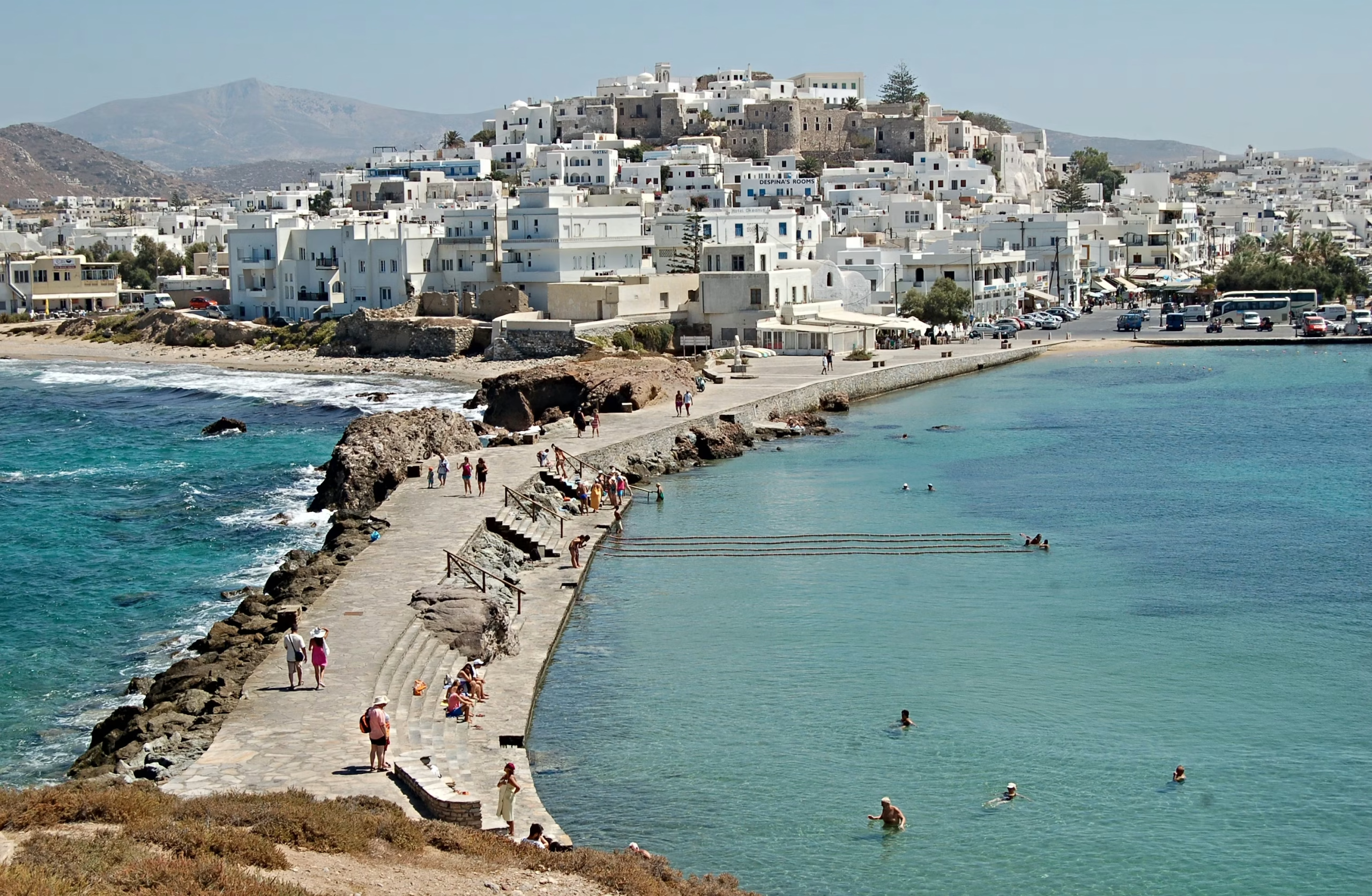
Summer brings more people to Naxos, especially in July and August. Though quieter than Santorini, the island still fills up fast. Heat rises, so do costs for rooms and meals. Beaches buzz with activity when the sun is high. Energy pulses through towns after dark. Places to eat and drink keep long hours, lighting up evenings across the island.
Later blooms and earlier leaves bring softer crowds. Warmth lingers in the water, just right for slow dips. Instead of rushing, paths open up – through coves, lanes, hills – you move without hurry. Comfort leans into real moments, not staged ones. Some say this stretch holds what summer often loses.