Boboli Gardens, Florence, Italy
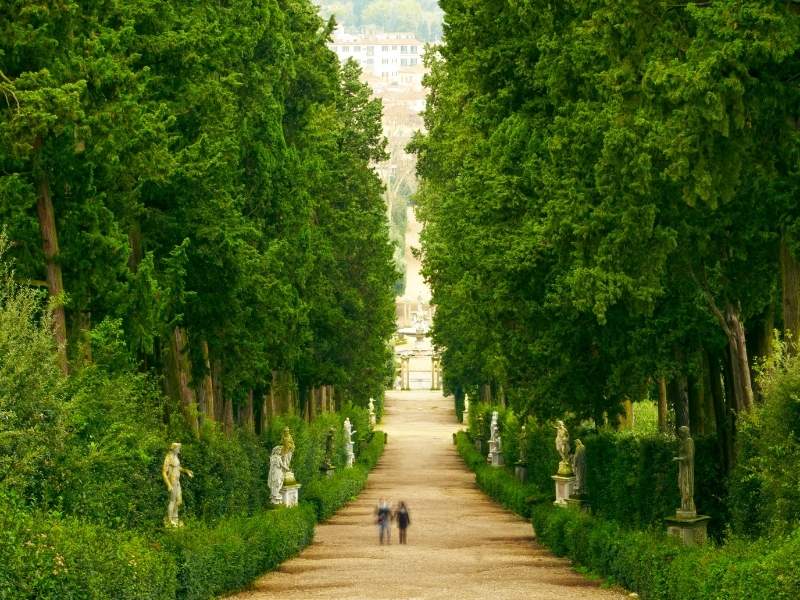
If you have even a passing appreciation for beautifully designed landscapes, the Boboli Gardens in Florence are absolutely worth your time. These historic gardens helped shape the style of countless European gardens that came after them, making them a cornerstone of landscape design history. Commissioned by the powerful Medici family, they were constructed directly behind the grand Pitti Palace as a private retreat. Since 1766, however, the gardens have been open to the public, inviting visitors to explore their expansive beauty. As you wander beneath towering trees and along wide, carefully planned pathways, you’ll notice how every corner feels intentional. Ornate fountains provide a soothing soundtrack, while sculptures and hidden grottos add a sense of discovery. The combination of art, nature, and history creates an atmosphere that feels both regal and relaxing. It’s easy to spend hours here without realizing how much time has passed. Whether you’re strolling casually or studying the design, the gardens leave a lasting impression.
Luxembourg Gardens, Paris, France
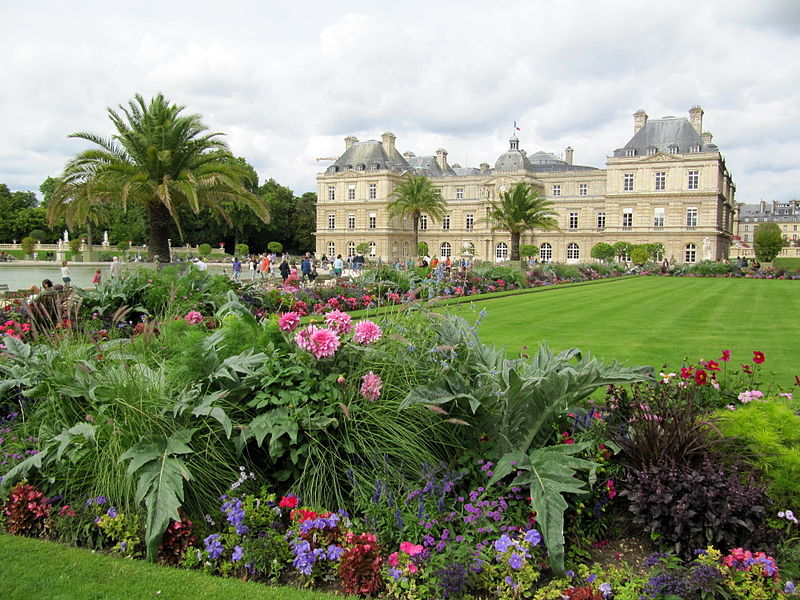
The Luxembourg Gardens spread gracefully around the historic Luxembourg Palace in the heart of Paris. Located just across the Seine River from the iconic Louvre Museum, the gardens offer a peaceful contrast to the busy city streets. They were commissioned by Marie de’ Medici, who longed to recreate the atmosphere of her childhood near Florence’s Boboli Gardens. Her vision resulted in a space that blends Italian inspiration with French elegance. Today, the palace remains an important political building, housing the French Senate, while the gardens are open for everyone to enjoy. Visitors can admire rows of carefully maintained trees, vibrant flowerbeds, and marble statues celebrating notable French queens. Locals often gather here to relax, read, or enjoy a quiet conversation. Children sail small boats across the central fountain, adding a playful touch to the refined setting. No matter the season, the gardens maintain a timeless charm that draws both tourists and Parisians alike.
Gardens at the Palace of Versailles, Versailles, France
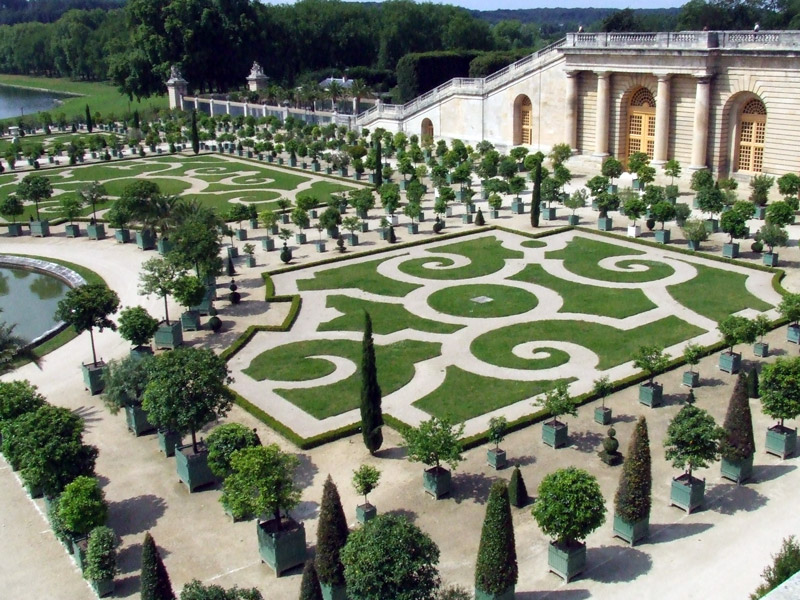
Just a short journey from Paris, the Palace of Versailles is surrounded by nearly 2,000 acres of meticulously designed gardens. From inside the famous Hall of Mirrors, visitors can gaze out over an endless expanse of greenery that seems to stretch to the horizon. These grounds were created under the direction of Louis XIV, also known as the Sun King, who saw the gardens as an extension of his power and prestige. Every pathway, fountain, and hedge reflects a commitment to symmetry and grandeur. The gardens are filled with ornate fountains that come alive during special musical shows, adding movement and sound to the visual spectacle. Sculptures and carefully trimmed trees line the avenues, guiding visitors through the vast landscape. Seasonal flowers bring bursts of color that change throughout the year. Walking through the gardens feels like stepping into a living work of art. It’s not just a backdrop to the palace—it’s a masterpiece in its own right.
Kew Gardens, Richmond, United Kingdom
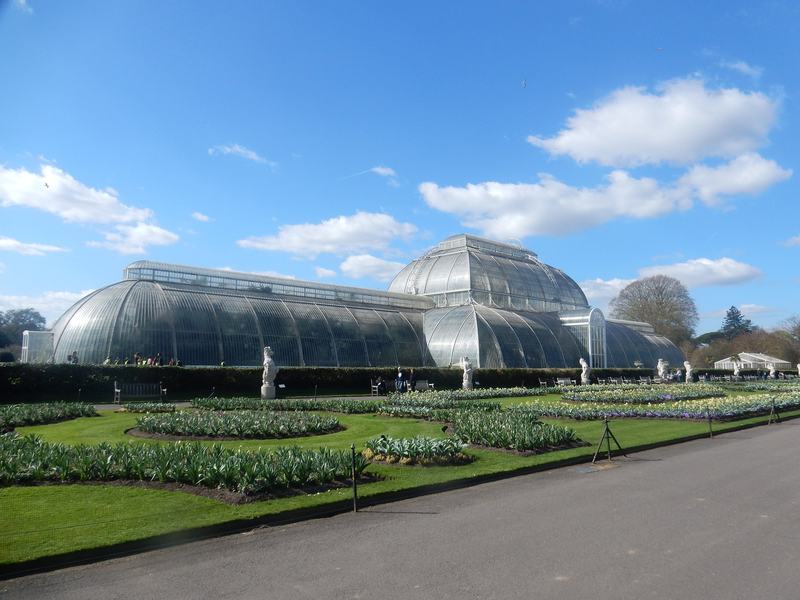
Set along a gentle curve of the River Thames, Kew Gardens feels like a world apart from the bustle of nearby London. Officially known as the Royal Botanic Gardens, this UNESCO World Heritage Site spans around 300 acres of diverse plant life. Despite its size, it’s just a short trip—about twenty minutes—from central London, making it easily accessible. As you explore, you’ll encounter plants from every corner of the globe, carefully cultivated in themed sections. The iconic glasshouses, such as the Palm House, transport visitors to tropical climates filled with lush greenery. Walking through these spaces feels like traveling across continents without ever leaving the grounds. Educational exhibits provide insight into conservation and botanical science. Wide open lawns invite visitors to relax or picnic on sunny days. Whether you’re a plant enthusiast or simply curious, Kew offers something fascinating at every turn. It’s both a scientific institution and a peaceful retreat.
Claude Monet’s Gardens, Giverny, France
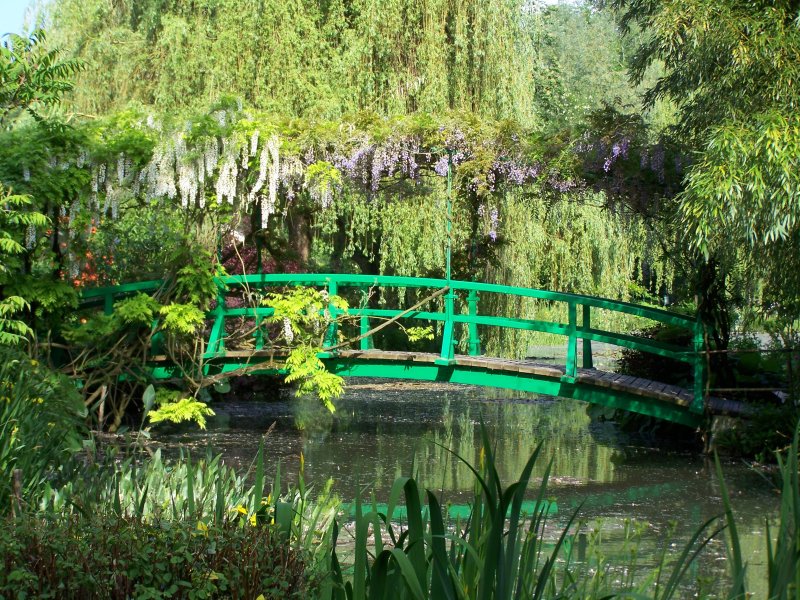
The gardens at Claude Monet’s House and Gardens in Giverny are often described as living paintings. Once home to the renowned artist Claude Monet, the property reflects his deep love of color and nature. Visitors can explore his charming house before stepping into the famous walled garden. The gravel paths lead through vibrant flowerbeds arranged in a seemingly effortless yet carefully planned way. Bright blooms fill the space with color, while the scent of blossoms lingers in the air. Beyond the main garden lies the iconic water garden, complete with a Japanese bridge and lily-covered pond. This serene setting inspired many of Monet’s most famous works. Walking here feels like entering the world he captured on canvas. The interplay of light and color changes throughout the day, offering a slightly different experience each time. It’s a place where art and nature blend seamlessly.
Keukenhof, Lisse, Netherlands
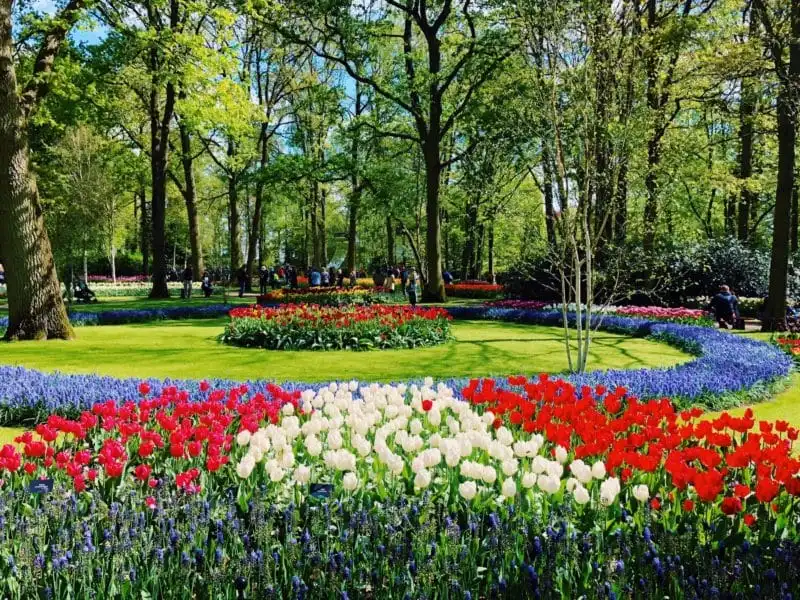
Located near Lisse, Keukenhof is one of the world’s most spectacular flower gardens. Unlike many historic estates, this garden focuses entirely on showcasing the beauty of Dutch horticulture. Surrounding Castle Keukenhof, the grounds burst into life each spring with millions of blooming flowers. Since opening to the public in 1950, it has become a must-see destination for visitors from around the globe. Rows of tulips, daffodils, and hyacinths create a vibrant tapestry of color that stretches as far as the eye can see. Carefully designed displays highlight different color combinations and planting techniques. Walking through the garden feels like stepping into a living rainbow. Seasonal themes add variety to the experience each year. Photographers and nature lovers alike find endless inspiration here. It’s a celebration of color, creativity, and the Dutch mastery of flower cultivation.
Schonbrunn Gardens, Vienna, Austria
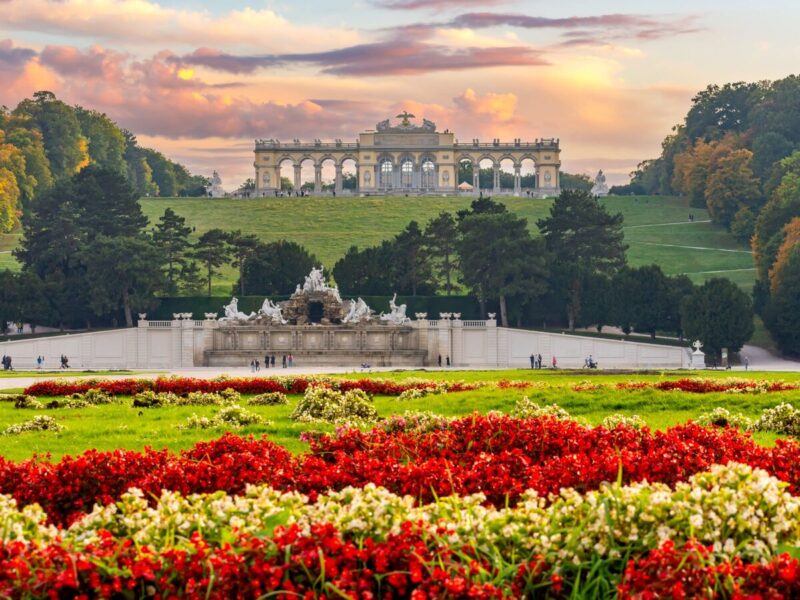
The Schönbrunn Gardens are one of the highlights of any visit to Vienna. These gardens surround the grand Schönbrunn Palace, once the summer residence of the powerful Habsburg dynasty. Designed with elegance and symmetry in mind, the grounds feature long, tree-lined avenues that guide visitors through the landscape. As you walk, you’ll encounter fountains, statues, and carefully maintained flowerbeds. One of the standout features is the impressive Palm House, built in 1882, which brings a tropical atmosphere to Austria. The gardens also include elevated viewpoints that offer stunning views of the palace and city beyond. Seasonal changes bring new colors and textures to the scenery. Visitors can easily spend hours exploring the various sections. The blend of imperial history and natural beauty makes it especially memorable. It’s a place where grandeur meets tranquility.
Villa d’Este Gardens, Tivoli, Italy
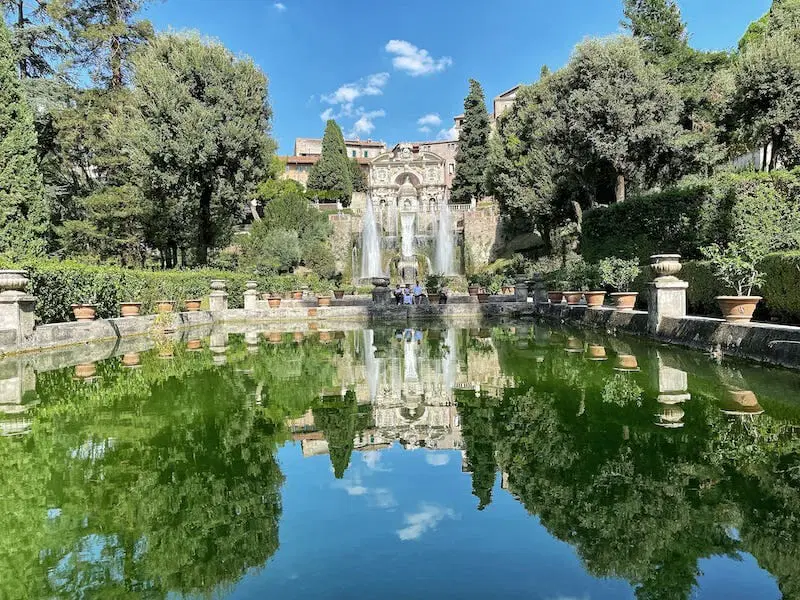
Just outside Rome, the Villa d’Este Gardens in Tivoli are a masterpiece of Renaissance design. Recognized as a UNESCO World Heritage Site, these gardens are famous for their elaborate fountains and terraces. Water plays a central role here, with countless fountains creating both visual beauty and soothing sound. Each level of the garden reveals new perspectives and hidden details. The design reflects the artistic and engineering achievements of its time. As you climb higher, the views become even more impressive. On a clear day, you can see across the landscape toward Rome. The combination of architecture, water, and greenery creates a harmonious balance. Visitors often find themselves pausing to take in the intricate details. It’s a place that rewards slow exploration and curiosity.
Château de Villandry Gardens, Villandry, France
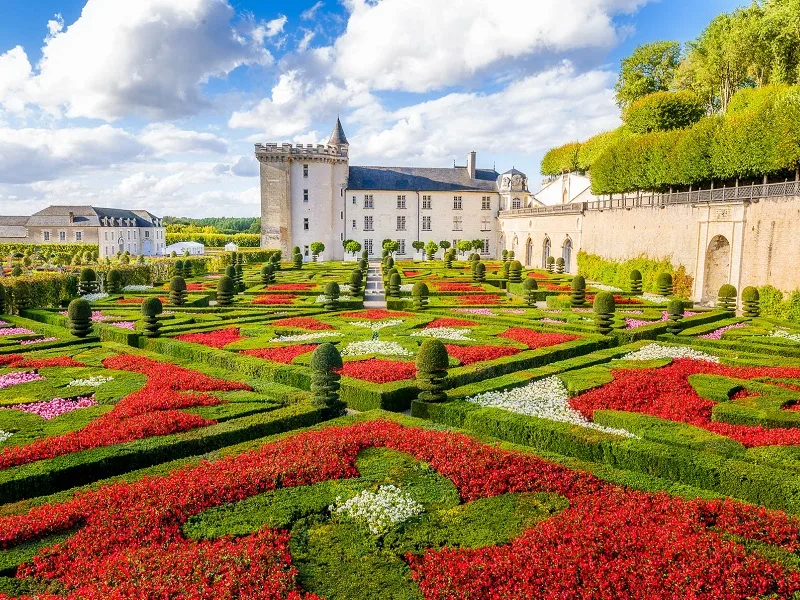
In the heart of the Loire Valley, often called “France’s Garden,” the Château de Villandry stands out as a true gem. Built in the early 1500s, it was among the last Renaissance châteaux constructed in the region. Although the original gardens were lost in the 19th century, they were carefully restored in 1906. Today, the grounds cover nine hectares and are divided into six distinct themed areas. Visitors can explore ornamental flower gardens, tranquil water features, and a remarkable vegetable garden arranged in decorative patterns. Each section is designed with precision and artistic flair. The gardens change with the seasons, offering a different experience throughout the year. Elevated viewpoints allow you to appreciate the full layout from above. The combination of beauty and structure is striking. It’s a perfect example of how gardening can be both practical and artistic.
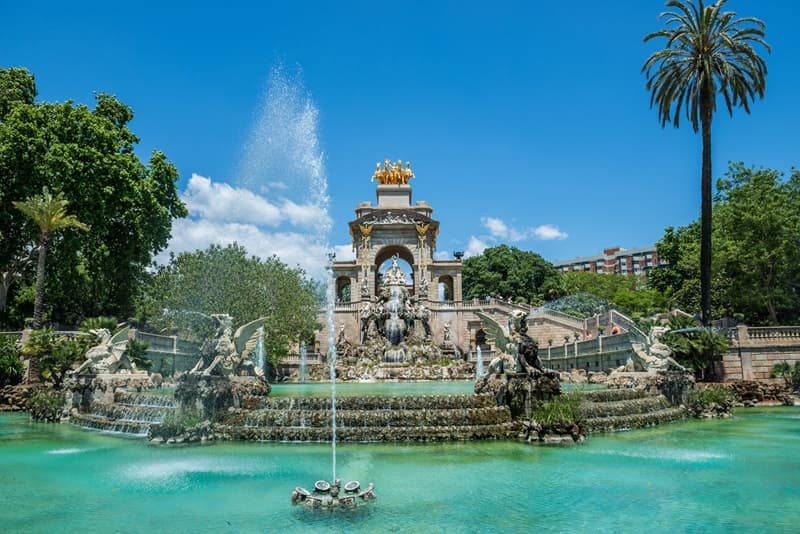
Parc de la Ciutadella, Barcelona, Spain