Bosa, Sardinia
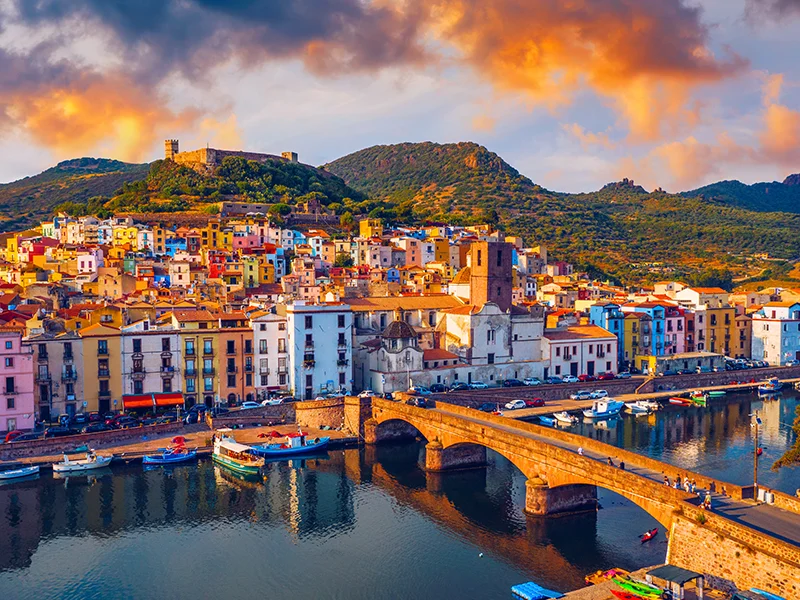
Bosa sits quietly along the Temo River in Sardinia, and you can feel its age in the winding streets around Serravalle Castle. That castle’s been looking out over the village since somewhere between the 12th and 13th centuries. Bosa’s famous for its traditional crafts—think coral jewelry and baskets woven from asphodel. It’s the sort of place where you want to slow down and see what the locals are making.
Life in Bosa moves at a gentle rhythm that hasn’t changed much over the centuries, which adds to its timeless charm. The colorful houses climbing the hills create a striking contrast against the stone castle above. Walking through the old town feels like stepping into a living museum where every corner tells a story. The river adds a peaceful atmosphere, reflecting the town’s pastel tones in calm waters. Small cafés and artisan shops make it easy to pause and soak in the surroundings. At sunset, the entire town glows in warm golden light, making it especially photogenic.
Portofino, Liguria
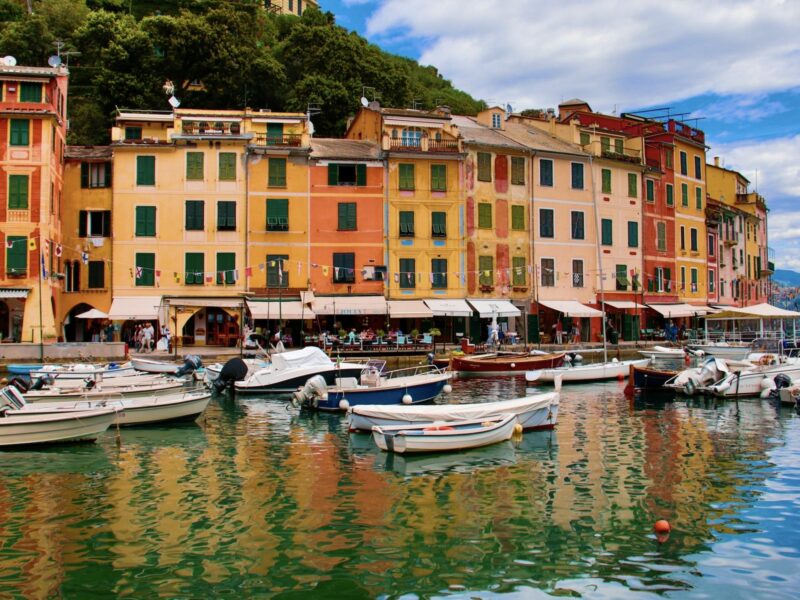
Portofino hugs the Ligurian coast with a kind of quiet elegance. The harbor steals the show, lined with pastel houses that look almost too perfect. This town’s been a magnet for celebrities since the 1950s. You’ll find names like Robert De Niro, George Clooney, Madonna, Ringo Starr, and Barbra Streisand scattered through its history, all drawn by Portofino’s easygoing glamour.
Beyond the luxury image, Portofino also offers scenic hiking trails with sweeping views of the sea. The surrounding natural park is filled with Mediterranean vegetation and hidden viewpoints. Even during busy seasons, early mornings reveal a quieter, more authentic side of the village. Fishing boats still gently sway in the harbor, reminding visitors of its humble roots. Local seafood restaurants serve fresh catches that reflect the region’s coastal identity. As evening falls, the harbor lights create a soft, romantic atmosphere that feels almost cinematic.
Burano, Veneto
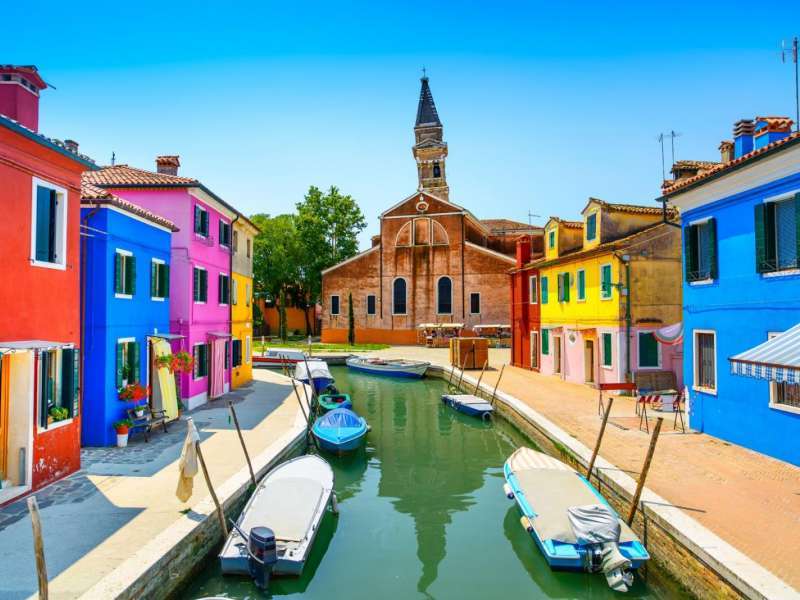
Head about 11 kilometers northeast of Venice, and you’ll stumble onto Burano—an island that’s impossible to forget. Those bright houses reflected in the canals? They’re even more stunning in person. Burano has a long legacy of lace making, a craft that’s survived the centuries. And if you’ve got a sweet tooth, try the local cookies—Buranelli, especially the Bussolà and the Esse, are the real deal.
Each house on Burano is painted in vibrant colors that follow a traditional system still respected today. The island’s canals are quieter than Venice, giving it a more relaxed atmosphere. Local artisans continue to preserve the delicate art of handmade lace, often passed down through generations. Walking through the streets feels like exploring a living rainbow of culture and history. The small size of the island makes it perfect for slow exploration on foot. At dusk, the reflections of the colorful facades in the water create an unforgettable scene.
Manarola, Liguria
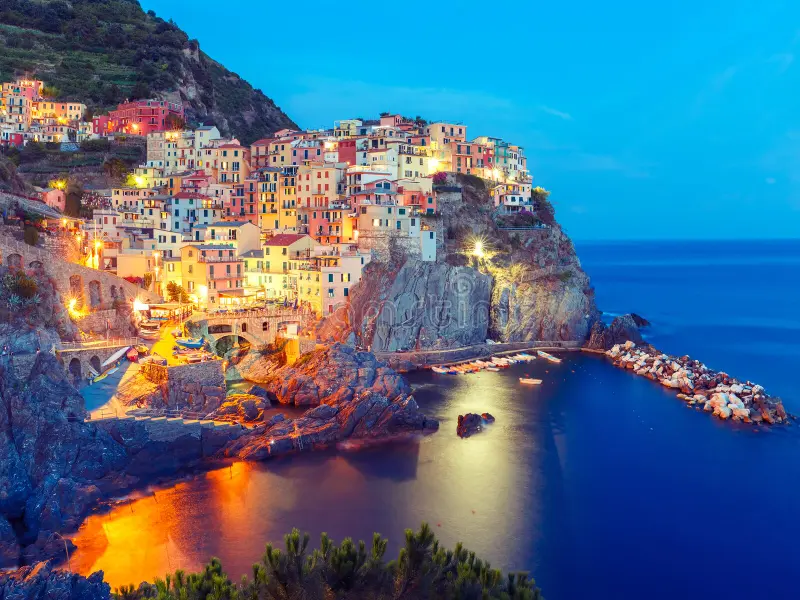
Manarola is one of those Cinque Terre villages that just stops you in your tracks. Tiny, perched on a rocky outcrop, with rainbow-colored buildings stacked up from the sea. It’s picture-perfect. If you want to see it from a new angle, hop on a boat and take in the view from the water.
The village is also known for its famous coastal hiking trails that connect all Cinque Terre towns. Vineyards surrounding Manarola produce local wine that reflects the steep terraced landscape. Narrow pathways wind through the village, revealing small family-run restaurants and shops. Sunsets here are especially dramatic as the cliffs glow in deep orange tones. Despite its popularity, the village still feels intimate when you explore early in the morning. The sound of waves crashing against the rocks adds to its dramatic charm.
Procida Island, Campania
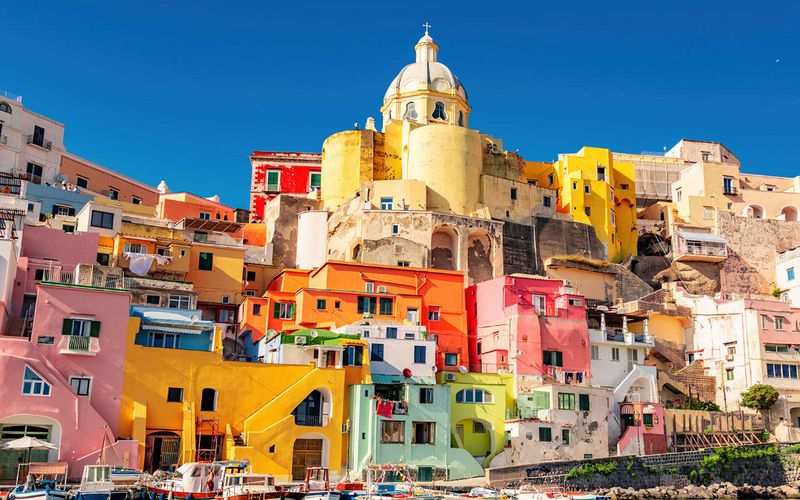
Procida keeps things simple. It’s the smallest of the three islands in the Bay of Naples—Capri and Ischia are its bigger siblings. Less than two square miles, so you can wander the whole island in a day without breaking a sweat. Ferries connect Procida with Naples, Capri, and Ischia, making it easy to reach. And because it’s smaller, you get that cozy island feel.
The island is famous for its pastel-colored fishing houses clustered along the waterfront. Unlike its glamorous neighbors, Procida has preserved a more authentic and local atmosphere. Fishing still plays a central role in daily life and local cuisine. Narrow streets lead to hidden viewpoints overlooking the sea in every direction. The island was also named a European Capital of Culture, highlighting its artistic and historical value. Every corner feels peaceful, offering a break from crowded tourist destinations.
Comacchio, Emilia Romagna
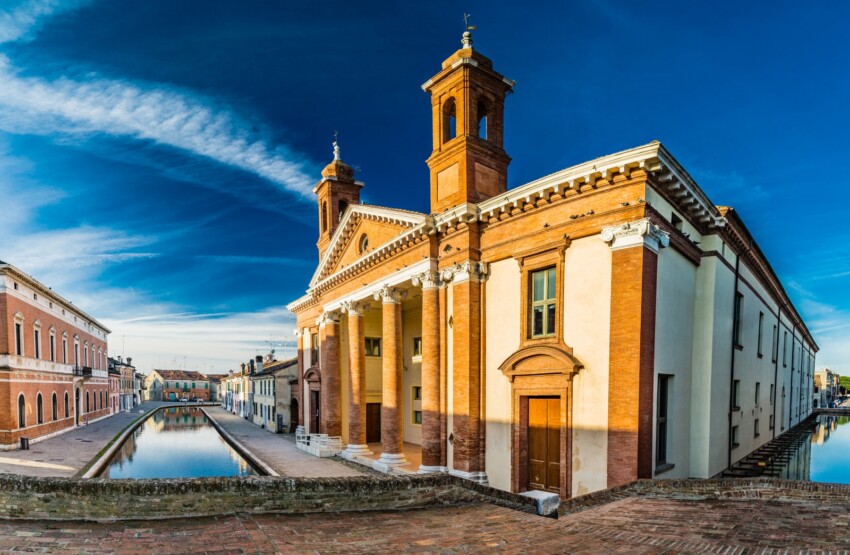
Comacchio is a lagoon town that folks call “The Little Venice,” and for good reason. Bridges everywhere, winding canals, and houses painted in every shade you can think of. There’s even an annual Eel Festival—restaurants and food stands all over town serve up eel dishes, keeping Comacchio’s food traditions alive.
The town is built across a network of canals that give it a unique and charming layout. Historic buildings reflect centuries of influence from fishing and lagoon life. The Trepponti bridge is one of its most iconic landmarks and a favorite photo spot. Birdwatchers also visit nearby wetlands, home to flamingos and other species. The combination of water, history, and gastronomy makes it a truly distinctive destination. Walking through its quiet streets feels both unusual and peaceful at the same time.
Positano, Campania
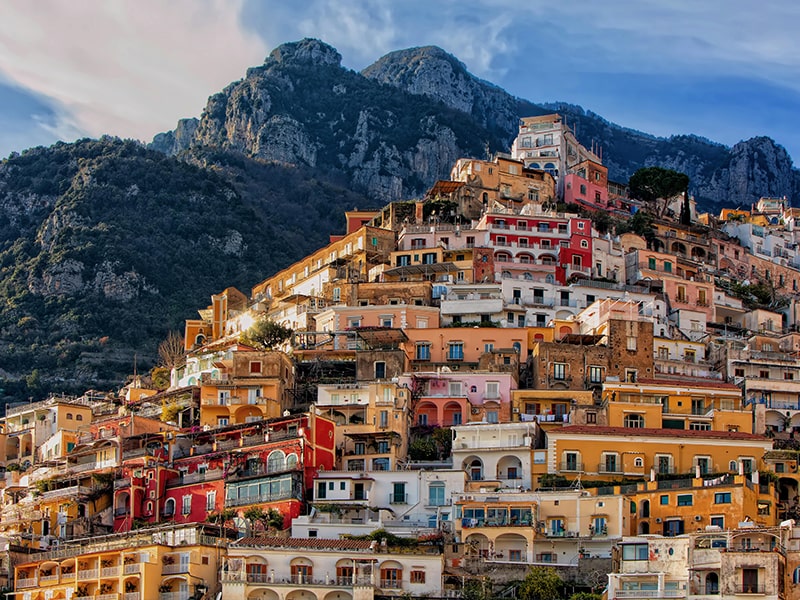
Positano is the Amalfi Coast’s poster child. Wander through its maze of colorful buildings, pop into the little shops, duck into a church, or relax at a seaside restaurant. You can get here by car or ferry from Naples or Salerno. And from Positano, other Amalfi Coast gems like Amalfi and Ravello are just a short ride away. Everything feels within reach.
The town’s steep layout means every street offers breathtaking views of the Mediterranean. Luxury boutiques and artisan shops line the narrow pathways leading down to the beach. Boats constantly come and go, adding movement and energy to the coastline. The iconic Church of Santa Maria Assunta with its tiled dome is a must-see landmark. Summer evenings bring a lively yet romantic atmosphere along the waterfront. Positano is also known for its cliffside hotels that offer unforgettable sunset views.
Ponza, Lazio
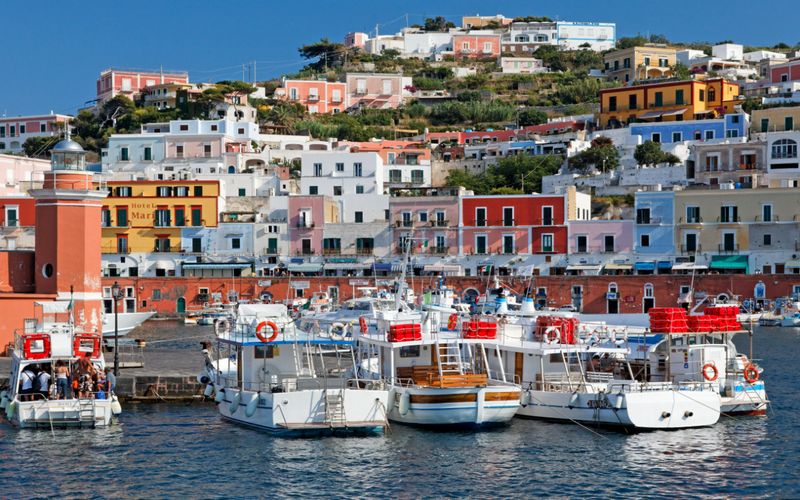
Ponza, born from ancient volcanoes, floats off the coast of Latina. If you love nature, you’ll find plenty to explore—craggy cliffs, hidden caves beneath the water, and beaches with water so clear it’s almost surreal. Every year, crowds come for the landscapes, but there’s always enough room to find your own spot.
The island’s rugged coastline makes it ideal for boat excursions and snorkeling adventures. Sea caves carved by volcanic activity give Ponza a dramatic natural beauty. Small harbors and fishing villages maintain a laid-back island lifestyle. The island’s history dates back to Roman times, adding cultural depth to its scenery. Hiking trails reveal panoramic views of the Tyrrhenian Sea. Even in peak season, quiet coves can still be discovered.
Castelsardo, Sardinia
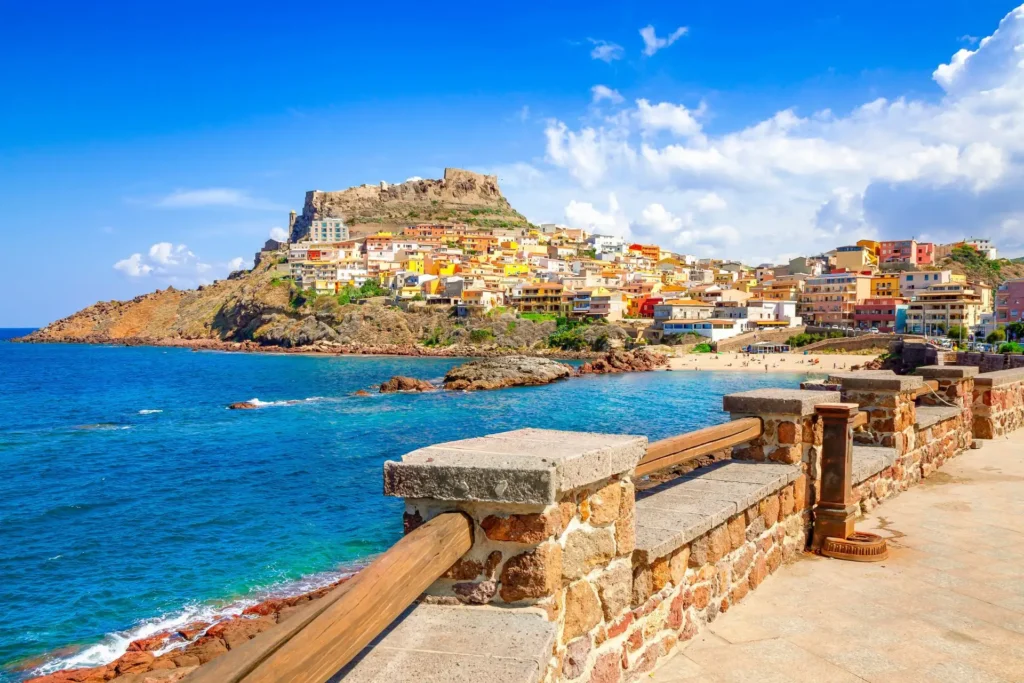
Castelsardo looks straight out over the sea from a dramatic promontory in northwest Sardinia. It’s a medieval village with incredible views and a rich history. The Castle of the Dorias stands at the center, now home to the “Museo dell’Intreccio Mediterraneo”—one of Sardinia’s most visited museums. The setting alone is worth the trip.
The village is known for its traditional basket weaving, still practiced by local artisans. Narrow streets wind upward toward the castle, offering increasingly stunning views. The coastline below is dotted with rocky formations and turquoise waters. Local festivals often bring the historic center to life with music and costumes. Sunsets from the castle walls are among the most beautiful in Sardinia. The blend of history and scenery makes Castelsardo unforgettable.
Varenna, Lombardy
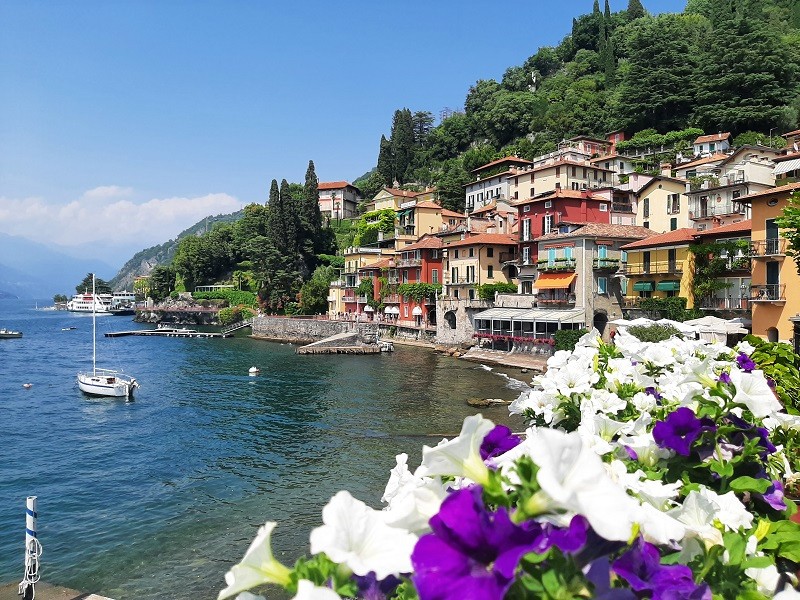
Varenna sits on the shores of Lake Como and has been charming visitors since the 11th century. You’ll find historic villas like Villa Cipressi and Villa Monastero, plus the Castle of Vezio up on the hill. The landscape bursts with flowers and wildlife, perfect for wandering along the many paths and trails that crisscross the area. Every corner feels like a postcard.
The lakeside promenade is one of the most romantic walks in northern Italy. Colorful houses reflect beautifully in the calm waters of Lake Como. Ferries connect Varenna to other charming towns across the lake. The botanical gardens in Villa Monastero attract visitors from all over the world. Mountain views surrounding the town add dramatic contrast to the peaceful shoreline. Varenna is especially magical during spring and early summer when everything is in bloom.