Santorini
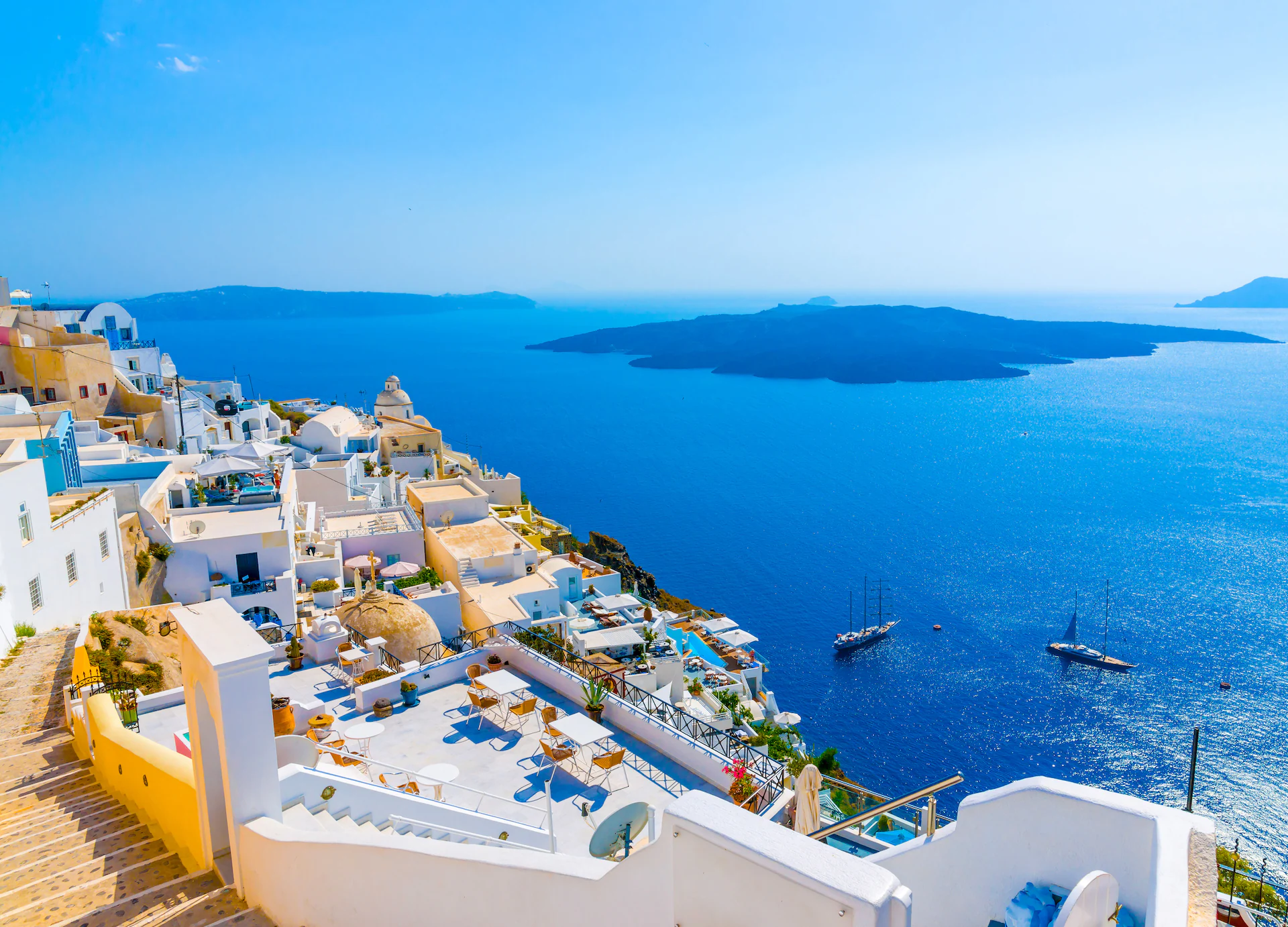
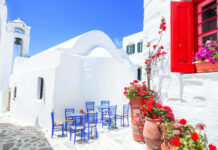
Beauty here seems too sharp to be real. Those pictures tell part of it – white buildings with dome roofs perched on rocky edges above a wide stretch of ocean. The drop down into the caldera hits hard, sudden in its impact. As daylight fades near Oia, colors explode across the clouds – fiery orange bleeding into soft pink, then violet melting through. Moments like that stick around long after you close your eyes.
Yet Santorini holds more than charming towns. Its wild terrain comes from an enormous eruption long ago. Beaches unlike any others sit along its coast – one with dark grains at Kamari, another stained crimson close to Akrotiri. Every shore reveals a fresh character beneath the sun. What shapes the feeling there is rough earth, broken temples, and sharp–edged buildings standing together under open sky.
Navagio Beach (Shipwreck Beach), Zakynthos
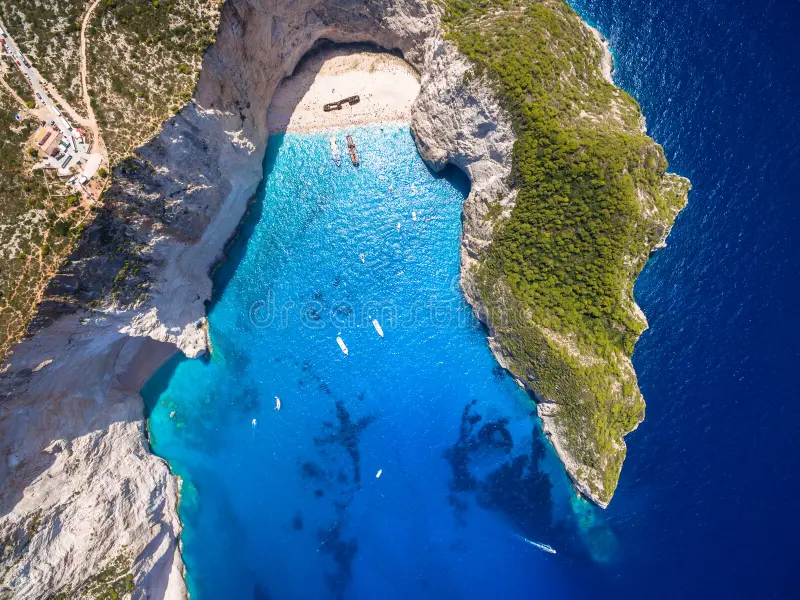
Hidden between towering cliffs, Navagio Beach grabs attention fast. Boat access only keeps crowds in check despite its fame. Bright blue waves lap against blindingly white sand – almost too vivid to believe. A hulking shipwreck rests where the water meets land, silent since 1980. That old smuggler vessel, the Panagiotis, lies half–buried and orange with rust. Mystery hums through the air, thick enough to feel. Greece rarely shows a sight quite like this.
Up top near the cliff edge, the sight grabs you. Look below – wild hues wait: turquoise waves, light–colored shore, giant stone shapes – a scene so sharp it feels untrue. This spot, Navagio, lives beyond photos. Seeing it changes how you think about places.
Meteora
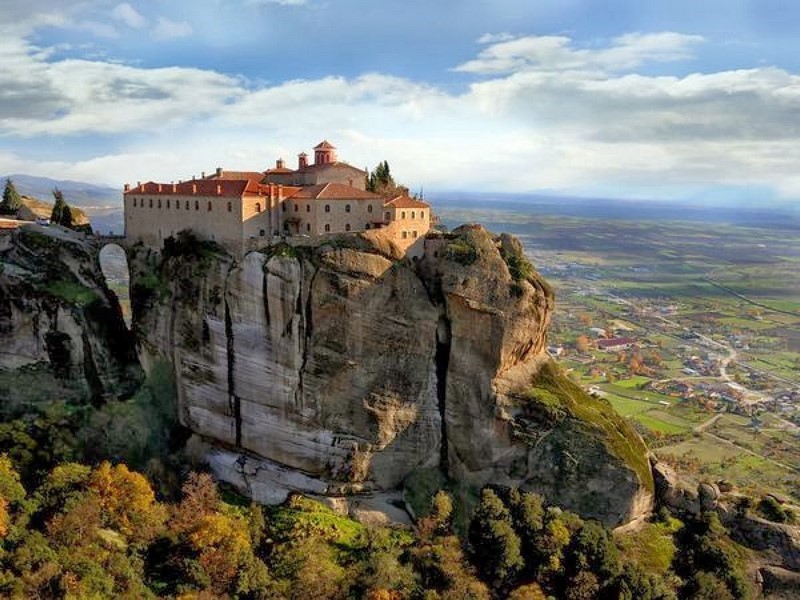
Picture a place where cliffs claw at the sky, near central Greece. These stone towers rise, some nearly 400 meters tall, carved by time and weather. Perched on their edges sit old monasteries, silent and still. History clings here, stacked atop natural spires, as if forgotten by centuries yet standing firm.
Back then, monks began shaping these retreats during the 1300s and 1400s, seeking quiet while hiding from attackers. Now hikers walk among the cliffs, step into sacred spaces – one or two still working – and pause to look across the land. Up high rise ancient walls, weathered by time; beneath them lie soft hills covered in green. It seems like a dream until you feel the wind.
Elafonissi Beach, Crete
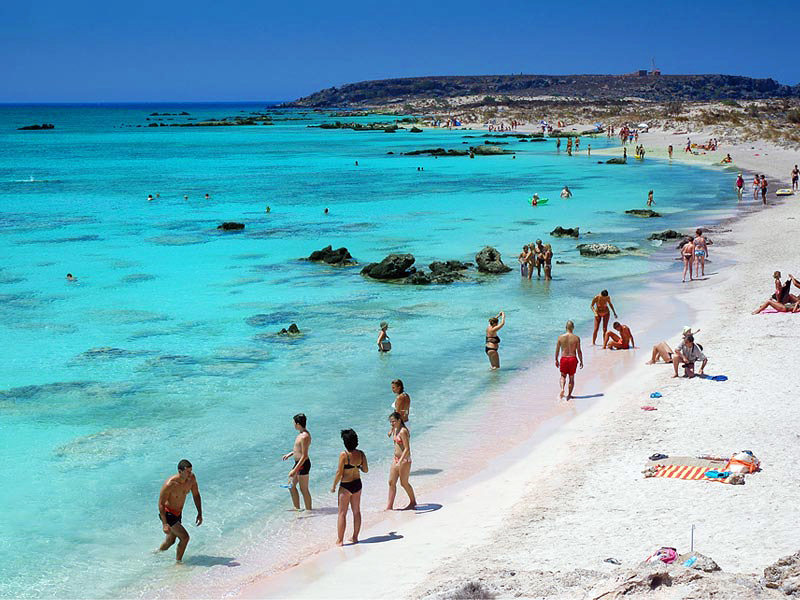
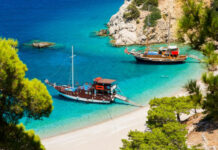
Pinkish–white sand stretches underfoot at Elafonissi, where Crete’s edge meets the sea. Tiny broken shells give the shore its blush, not paint or powder. Water spreads wide and shallow here, so clear you count every stone below. That bright blue – almost too vivid – is real, not something made for brochures. A narrow band of sand links this small island to the larger one during low tide. When waves rise, they swallow the path whole. Walking feels like stepping into a dream someone forgot to tell anyone about.
Out here, folks show up looking to float awhile, kick back under the sun. This stretch of sand? Still quiet – no high–rises breathing down your neck, no packed rows of towels. Just wind, water, trees doing their thing. Step onto Elafonissi and the noise fades, like you walked into a dream that forgot time. Hard to forget a place built on such stillness – one of those Greek shores that sticks around in your head.
Corfu Old Town
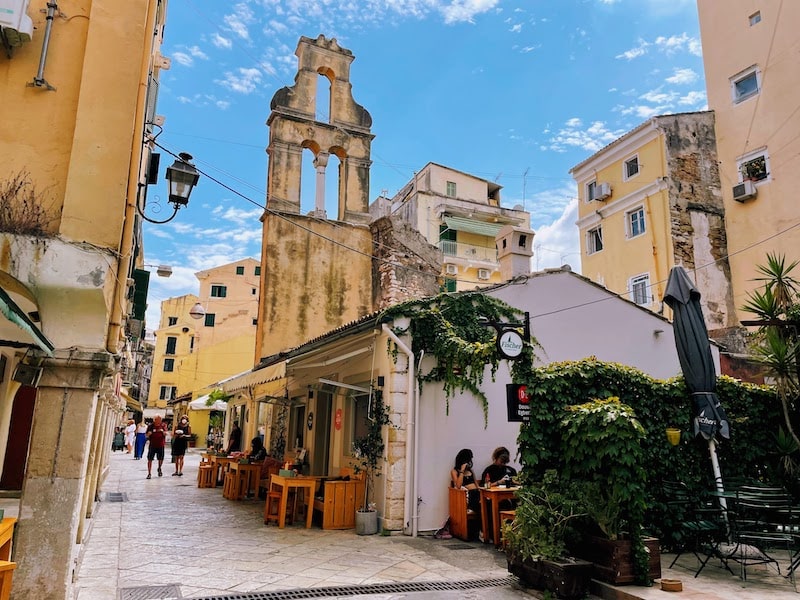
Winding paths pull you into Corfu’s Old Town, where charm sits quiet but deep. Sunlit walls glow in shades of coral, peach, and honey, framing doorways that open onto small squares. A breeze carries coffee smells past shuttered windows above cobblestones. Once ruled by Venice, the air here holds echoes – of stone carvers, traders, distant bells. Every corner seems to lean into memory without saying a word.
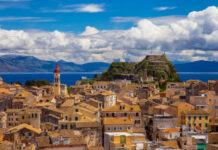
Up top, the fortress waits – quiet, still. Right off, the blend hits you: echoes of Greeks first, then ships from Venice, whispers of France, later footsteps of Britain. Not one stands alone; each layer leans into the next. From that high stone perch, rooftops tumble toward water stretching wide below. Hours slip without warning once you wander those lanes. Corners turn like pages, houses painted in soft yellows and blues – as if drawn from an old tale meant to be lived.
Astypalaia Island
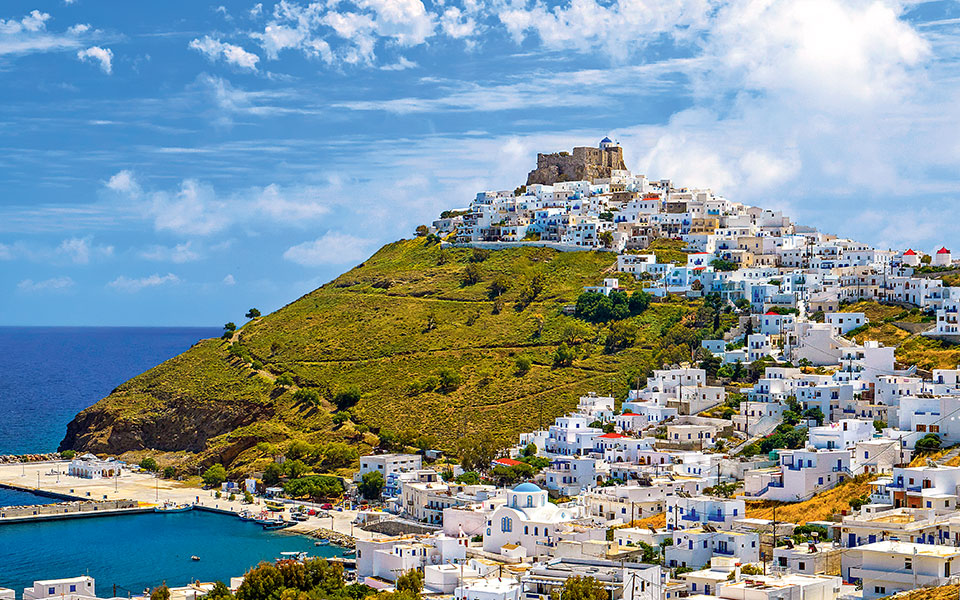
Tucked away in the Dodecanese, Astypalaia doesn’t shout for attention like some do. Most visitors pass by without a second thought, chasing flashier spots instead. Yet truthfully, few Greek islands match its quiet beauty. Shaped oddly like a butterfly, it floats in waters so transparent they seem unreal. Houses painted white cling to slopes, huddled close together. Perched above them all, an old Venetian fortress keeps silent guard. Stand within its walls and the scene spreads wide – narrow paths twist between ancient gray buildings down below.
Out here, time moves slower. Few tourists wander these parts. Old stone houses line narrow paths instead of hotels. Peace settles where noise might be expected. Quiet water edges meet empty shores most days. Out here, Vatses beach spreads wide with soft sand underfoot, waves barely whispering. A hush settles in without asking, slipping through your thoughts like tide through fingers. Time stretches thin when sunlight lingers on flat waters. Hidden? Maybe not, but it feels that way – like the sky leaned closer just to listen.
Fira, Santorini
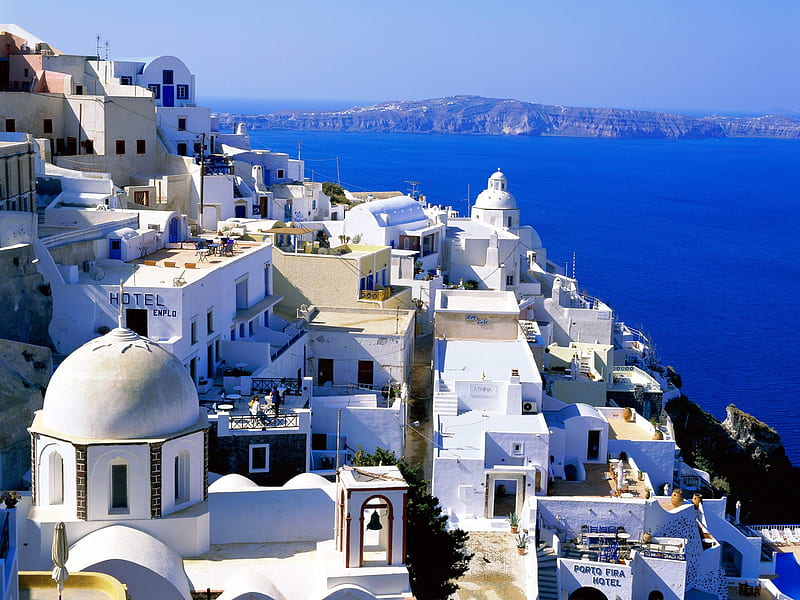
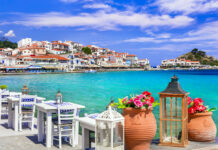
Perched on the caldera’s rim, Fira moves at a quiet pace despite Santorini’s fame. Narrow lanes snake through clusters of whitewashed houses, weaving past small eateries where meals come with cliffside glimpses. Shops appear one after another, tucked into corners you might miss. From nearly every turn, the sea spreads wide below, dotted with island shapes in the distance. Even after days pass, that stretch of blue still pulls your eyes back.
Out here in Fira, white–washed homes climb steep slopes like they’re chasing the sky. Cliffs drop sharp into blue nothingness, making everything feel lighter. A slow walk reveals bright doors, narrow alleys, sudden drops below your feet. Light hits every surface at odd angles, turning walls gold by late afternoon. Dinner waits on platforms jutting over empty space, where wine glasses catch reflections of sinking suns. Painters might try this scene once – then give up. Moments stick longer than expected. This town lingers.
Lake Plastira, Thessaly
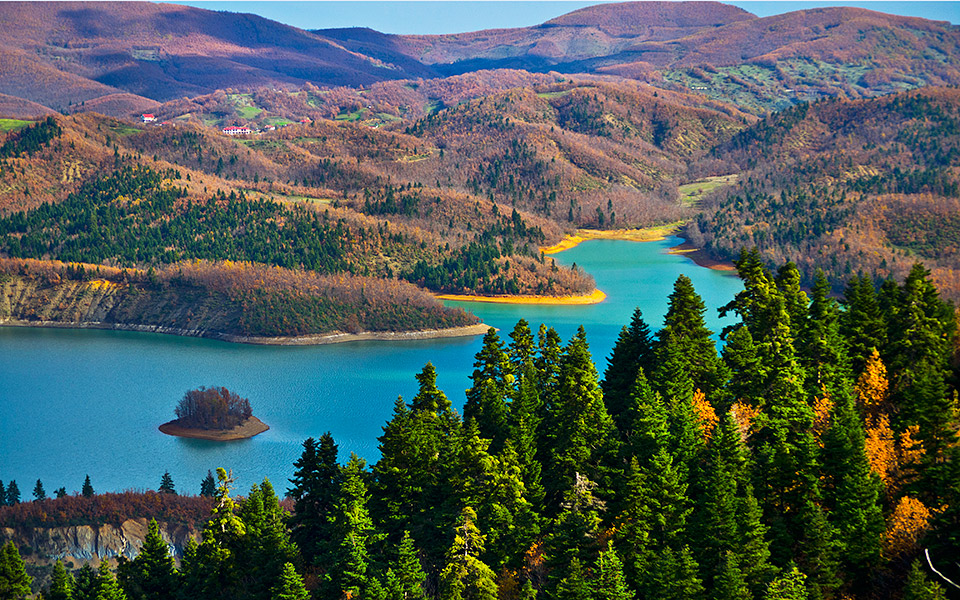
Deep in Thessaloniki’s quieter cousin, a quiet stretch of water hides – Lake Plastira, unnoticed by nearly everyone. Not made by nature, yet looking like it always belonged, shaped quietly over time. Trees press in from every side while high stone backs rise beyond, their shapes caught in the glassy surface below. Stillness rules here, where sound fades and movement slows almost on its own.
Out here, the air feels different somehow. Wander past small towns where smiles come easy, no pretense. Trails wait under pine cover, paths twist beside hooves on dirt roads. Bikes roll slow over gravel while silence grows louder than noise ever could. Water holds still beneath rocky edges, reflecting nothing but sky and thought. This place does not shout. It leans close and whispers through trees, across stones, along shorelines untouched by rush. Few find it. Those who do tend to stay awhile, pulled in by how little demands are made.