While nearly 10 million visitors squeeze down Las Ramblas every year, few realize that authentic local life often unfolds just two streets away. You don’t need to be an expert explorer to find these Barcelona hidden gems; you simply need to know where to turn. Instead of fighting crowds, imagine sipping coffee in a sun-drenched square where the only noise comes from a trickling fountain rather than tour buses.
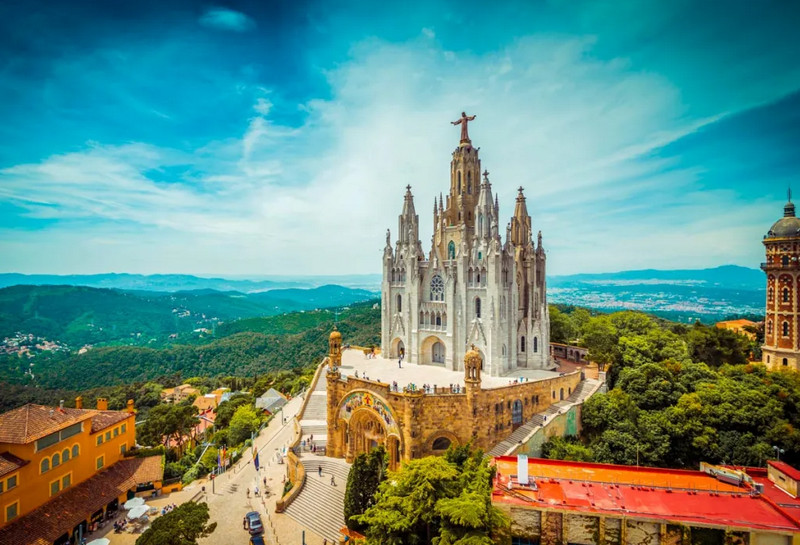
Discover Barcelona’s Hidden Gems: 15 Must-See Spots to discover
Many of these quiet corners showcase the city’s signature style, Modernisme—the famous nature-inspired art that turned buildings into stone forests and dragon scales.
Yet, unlike the ticketed lines at Park Güell, these sites offer intimate encounters with the city’s history. By trading postcard clichés for the vibrant reality of the Catalan capital, you experience the city as locals do.
Where to Catch the City’s Best Sunset Without the Park Güell Price Tag
While Park Güell charges entry for a partial skyline view, the Bunkers del Carmel offer the city’s best panorama for free. Originally an anti-aircraft battery built during the Spanish Civil War, these concrete ruins have transformed into an informal community living room high above the noise.
From this vantage point, the city’s geography finally makes sense. You can clearly distinguish the “Eixample”—the massive, perfect grid of square blocks that stretches from the mountains down to the Mediterranean—visually separating the modern city from the tangled streets of the old Gothic Quarter.
Reaching the peak involves a steep walk from the bus stop, so treat this as a relaxed evening event rather than a quick photo op.
The vibe is communal and festive, with travelers and residents alike gathering on the stone platforms to watch the light fade. To maximize the experience and blend in with the locals, stop at a grocery store beforehand and pack:
- Cava
- Local cheese
- A light jacket
Once you’ve seen the grid from the clouds, it’s time to explore the masterpiece hidden within it at the Hospital de Sant Pau.

Hospital de Sant Pau vs Casa Batllo: Why the World’s Largest Art Nouveau Site is a Better Value
While millions of visitors squeeze into the narrow staircases of Gaudi’s famous houses on Passeig de Gràcia, a far grander spectacle sits just a ten-minute walk from the Sagrada Familia. The Hospital de Sant Pau Recinte Modernista is often skipped by the crowds, yet it offers the world’s largest Art Nouveau complex for less than half the entry cost of Casa Batlló. Instead of fighting for elbow room in one hallway, you gain access to a garden city comprising 12 separate pavilions connected by underground tunnels.
This site introduces you to Lluís Domènech i Montaner, the architect who served as Gaudi’s chief rival for the city’s attention. The expansive courtyards allow you to appreciate trencadís—the iconic Catalan technique of creating colorful mosaics from broken tile shards—without the pressure of a moving line.
You can wander freely through operating theaters turned into stained-glass masterpieces, seeing exactly how function and beauty combined to heal patients through art.
Seeing these ceramic roofs helps you understand the playful spirit of Barcelona’s modern identity, but the city’s roots go much deeper than the 1900s.
To see where it all began, you need to head back toward the ocean and look for 2,000-year-old Roman ruins hidden inside a Gothic apartment building.
How to Find 2,000-Year-Old Roman Ruins Hidden Inside a Gothic Apartment Building
Most visitors wander the narrow alleys of the Gothic Quarter admiring medieval architecture, but few realize they are walking directly atop the ancient Roman city of Barcino. On Carrer Paradís, a heavy wooden door—easily mistaken for a private apartment entrance—opens into a courtyard hiding four massive, 2,000-year-old columns from the Temple of Augustus. These silent giants, squeezed inside a hiking club’s headquarters, offer a rare glimpse into the city’s origins without an entrance fee or a queue.
Just a few turns away, the neighborhood reveals deeper layers of history through these quiet, impactful sites:
- Sinagoga Major: Located in the Jewish Quarter (El Call), this subterranean space sits below current street level, resting on Roman-era foundations.
- Plaça de Sant Felip Neri: A hauntingly beautiful square where the church walls still bear deep, jagged pockmarks from a 1938 Civil War bombing.
After absorbing the weight of this history, you can leave the somber quiet behind and head toward the base of Montjuïc to experience the city’s most vibrant social tradition.
Why Poble-sec is the Ultimate Destination for Authentic Tapas and ‘Vermut’ Culture
While many travelers treat tapas strictly as a dinner option, locals in the Poble-sec neighborhood view the midday hour as a sacred social event known as fer el vermut. This isn’t just about ordering a drink; it is the cultural ritual of stimulating your appetite with a glass of aromatic, spiced wine paired with salty snacks like olives or cockles before a late lunch. By slipping into the rustic bodegas near the base of Montjuïc, you escape the inflated prices of the main avenues and join a tradition that feels unchanged for decades.
The area’s crown jewel is Carrer de Blai, a pedestrian street famous for pinchos—bite-sized appetizers served on bread slices—that offer a fresh alternative to the reheated food found in tourist centers. You simply select your favorites from the bar top and pay based on the toothpicks left on your plate, allowing you to build a diverse, authentic feast for under 15 euros. After indulging in the bustling energy of these crowded bars, you might crave a quiet retreat to digest your discovery.

How to Find Peace in the Jardins de Tamarita: Escaping the City Noise Like a Local
While the vibrant chaos of a tapas crawl is exhilarating, the Mediterranean humidity often demands a cooler, quieter retreat. Instead of fighting crowds at Park Güell, head uptown to the Jardins de Tamarita. This former private estate feels like a secret garden, offering a romantic walk among centuries-old oaks and mossy fountains that completely block out the urban roar. It is the perfect place to recharge your senses without leaving the city limits.
Beyond Tamarita, the city hides several other green lungs that serve as quiet parks for escaping city noise. For a mix of history and play, the Laberint d’Horta creates a unique photo opportunity as the city’s oldest garden with a real cypress maze. Alternatively, the Monastery of Pedralbes offers the stunning silence of a 14th-century Gothic cloister, providing a meditative break from the bustling center. Connecting these scattered dots requires careful timing, which leads us to the logistics of your journey.
How to Plan Your Secret Barcelona Route: A Step-by-Step Action Plan for Savvy Travelers
You now have the tools to step off the tourist trail and into the city’s living room. To maximize your time, group these secret places geographically and grab a T-Casual card for easy travel between districts. This simple approach transforms a chaotic schedule into a seamless, immersive journey through the city’s authentic soul.
Real discovery happens when you trade a checklist for curiosity.
Whether you are exploring new neighborhoods or stumbling upon unexpected hidden gems, the city rewards those who look closer. Wander confidently; your best memories are waiting just beyond the crowds.
Here are the 15 Barcelona Hidden Gems Most Tourists Never See
Beyond the crowded attractions, you’ll find quiet courtyards, secret viewpoints, historic passages, and charming neighborhoods that most visitors miss. These Barcelona hidden gems reveal a different side of Barcelona—more authentic & peaceful.
1. Bunkers del Carmel
A spectacular panoramic viewpoint overlooking the entire city. Once part of anti-aircraft defenses during the Spanish Civil War, the Bunkers del Carmel are now one of the most breathtaking places to watch the sunset in Barcelona.
2. Hospital de Sant Pau
This UNESCO-listed modernist complex designed by Lluís Domènech i Montaner is one of the most beautiful architectural sites in the city, yet far less crowded than Gaudí’s landmarks.
3. Carrer de les Aigües
A peaceful walking path high above the city with incredible views of Barcelona and the Mediterranean. Locals love it for jogging and sunset strolls.
4. Jardins del Laberint d’Horta
Barcelona’s oldest garden features a romantic hedge maze, classical sculptures, and quiet shaded paths—perfect for escaping the busy tourist areas.
5. El Born Cultural Center
Beneath this historic market building lies an archaeological site revealing the streets of Barcelona from the early 1700s.
6. Parc del Guinardó
A peaceful hillside park with winding paths, hidden viewpoints, and far fewer visitors than the famous Park Güell.
7. Palau Dalmases Courtyard
Tucked away in the Gothic Quarter, this baroque palace courtyard is one of Barcelona’s most beautiful hidden architectural gems.
8. Plaça de Sant Felip Neri
A quiet square in the Gothic Quarter marked by Civil War scars on the church walls, giving it a powerful and moving atmosphere.
9. Torre Bellesguard
A lesser-known Gaudí masterpiece inspired by medieval castles, offering stunning architecture and beautiful views over the city.
10. Parc del Laberint’s Romantic Garden Area
Beyond the famous hedge maze lies a quieter romantic garden filled with waterfalls, sculptures, and hidden paths.
11. Sant Pau del Camp
One of the oldest churches in Barcelona, dating back to the 10th century, hidden in the lively Raval neighborhood.
12. Carrer de Petritxol
A charming narrow street famous for traditional chocolate shops and historic cafés serving some of the best hot chocolate in the city.
13. Museu Frederic Marès
An unusual museum filled with fascinating collections of sculptures and everyday objects gathered by sculptor Frederic Marès.
14. Montjuïc Cactus Garden
One of Europe’s largest cactus gardens, located on the sunny slopes of Montjuïc with fantastic sea views.
15. Antic Teatre Garden
A hidden courtyard café surrounded by ivy-covered walls, popular with locals but often overlooked by visitors exploring the nearby Palau de la Música.