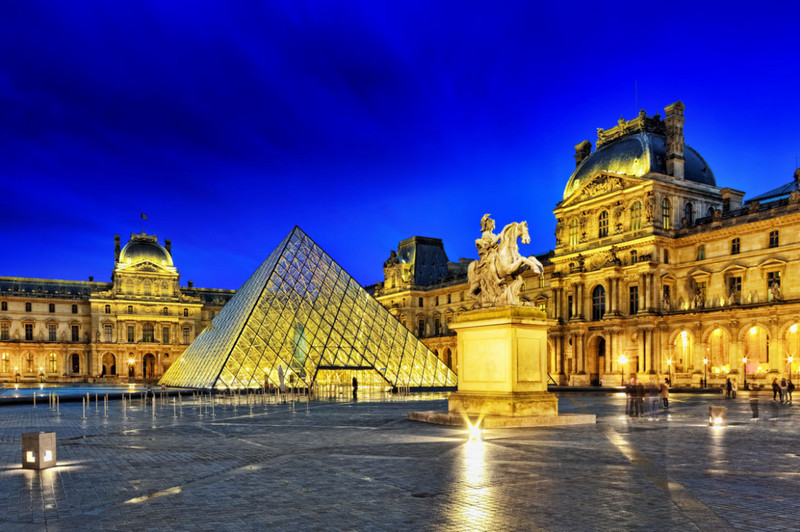
We’ve all fantasized about wandering the echoing halls of the Louvre, yet the sheer scale involved in planning a cultural trip through Europe often feels paralyzing. Exploring the Best Museums in Europe can seem overwhelming if you try to see everything at once. Attempting to absorb every painting and statue is simply the fastest route to burnout.
Must-See European Museums: Best Picks
Curators warn against “museum fatigue,” noting that meaningful attention usually fades after thirty minutes. To combat this, smart travelers use the “Anchor” technique: selecting a single, defining masterpiece at world-class archaeology museums to center the experience rather than rushing past thousands of exhibits.
From glass-domed giants to hidden royal collections, this guide balances famous sites with accessible gems. Here is your roadmap to the Best Museums in Europe: Top 20 Must-See, designed to help you navigate centuries of history without the stress.
The ‘Big Three’ Best Museums in Europe: Navigating the Louvre, British Museum, and Vatican
Visiting the cultural titans of London, Paris, and Rome is an endurance sport, not a casual stroll. Determining the best museums in Europe is impossible, as each offers miles of galleries that could easily consume your entire vacation.

Accessing the continental giants requires more planning than it did a decade ago. Visiting the Vatican Museums, travel tips now revolve entirely around “timed-entry” ticketing, a system in which you must reserve a specific arrival window weeks in advance. This pre-booking strategy is the only reliable way to avoid long museum queues at the Louvre as well, ensuring you spend your time admiring art rather than inspecting the sidewalk.
With the massive, encyclopedic collections conquered, you are ready to explore the specialized galleries that define the next tier of artistic grandeur in “Mastering the Renaissance and Beyond: The Uffizi, Prado, and Rijksmuseum.”
Mastering the Renaissance and Beyond: The Uffizi, Prado, and Rijksmuseum
While the “Big Three” cover the world, the next tier of European culture focuses intensely on specific golden eras. Florence’s Uffizi Gallery holds the supreme collection of Renaissance masterpieces in Italian galleries, acting as a visual timeline of the Medici family’s power. The art here feels soft and mythological, epitomized by Botticelli’s The Birth of Venus. To see this goddess without fighting a sea of tourists, aim for the 8:15 AM slot or a late Tuesday afternoon.
Stepping into Madrid’s Prado Museum offers a heavier, more dramatic shift in tone. A Louvre vs Prado museum comparison reveals that while Paris has breadth, Madrid offers intense depth in royal portraiture and religious fervor.
The unmissable anchor is Velázquez’s Las Meninas, a work so clever with mirrors and perspective that it makes you feel like the Spanish court is watching you.

Northern Europe swaps saints for merchants at Amsterdam’s Rijksmuseum. Here, the Dutch Golden Age shines through Rembrandt, who mastered chiaroscuro—the dramatic use of light and shadow to create depth. His massive The Night Watch proves why these institutions remain the best art museums for travelers seeking emotional impact. As history marches forward, however, realism gives way to the radical structures of “From Glass Pipes to Industrial Bunkers: Europe’s Boldest Modern Art Hubs.”
From Glass Pipes to Industrial Bunkers: Europe’s Boldest Modern Art Hubs
If the previous museums were elegant jewelry boxes, the next generation consists of industrial beasts where the architecture often screams louder than the exhibits. In Paris, the Centre Pompidou famously turned design inside out by placing its plumbing and escalators on the exterior. Similarly, Frank Gehry’s titanium curves in Bilbao proved that a building alone could revitalize a city, a phenomenon now known as the “Bilbao Effect.”

Once inside, the vibe shifts from “Modern” (think Picasso’s early 20th-century experiments) to “Contemporary” (art being made right now). London’s Tate Modern, housed in a colossal former power station, exemplifies this by filling its massive Turbine Hall with giant installations you walk through rather than just look at. These four institutions remain the best art museums for travelers craving the avant-garde:
- Tate Modern (London): Industrial grandeur meets cutting-edge interaction.
- Centre Pompidou (Paris): High-tech architecture housing Europe’s largest modern collection.
- Guggenheim (Bilbao): A titanium masterpiece that changed museum design forever.
- Hamburger Bahnhof (Berlin): A railway station transformed into a temple for living art.
Berlin takes this grit even further. As one of the premier contemporary art hubs in Berlin and London, the city features spaces like the Hamburger Bahnhof, showcasing must-visit museums that challenge authority and tradition.
This raw energy offers a stark contrast to the silent reverence required at our next destinations, where the walls themselves bear witness to darker chapters of the past in “Walking Through Time: Unlocking History at the Acropolis and Anne Frank House.”
Walking Through Time: Unlocking History at the Acropolis and Anne Frank House
Stepping into these spaces feels less like visiting a gallery and more like physically entering the past. At Athens’ Acropolis Museum, you aren’t just looking at statues; you are standing over an active excavation visible through glass floors.
These world-class archaeology museums in the Mediterranean reveal the genius of the ancients, such as Parthenon columns that bow slightly outward to correct the human eye’s tendency to see straight lines as curved.
Berlin’s Pergamon Museum offers a different kind of immersion by reconstructing entire ancient cities indoors. You can actually walk through the vivid blue Ishtar Gate of Babylon, rebuilt brick by brick to its original, towering scale. While debates continue regarding UNESCO World Heritage museum collections and cultural repatriation, standing beneath these massive structures provides a physical context that textbooks cannot match.
History turns intimately personal at Amsterdam’s Anne Frank House, where the cramped reality of the Secret Annex hits harder than any movie. These must-visit museums offer profound experiences, yet their popularity often results in lines that stretch for blocks. To ensure your pilgrimage doesn’t become an endurance test, you need the tactical plan outlined in “Skip the Three-Hour Wait: Expert Strategies for European Museum Entry.”
Skip the Three-Hour Wait: Expert Strategies for European Museum Entry
Nothing kills a vacation vibe like staring at a stranger’s back for two hours. To avoid long museum queues at superstars like the Louvre, embrace the “30-day rule” by booking timed-entry slots exactly a month in advance.
Alternatively, research the best time of year for museum tours—usually late November or February—to experience quieter galleries without the crowds.
For art-heavy itineraries, city passes can save a fortune, provided you perform a quick European museum pass cost analysis:
- Paris Museum Pass: High Value. Pays for itself after just four visits.
- London Pass: Low Value. Skip it; major museums like the British Museum are already free.
- Berlin Museum Island Pass: Best Value. Costs less than two individual tickets.
With tickets secured, you are ready for “Your Cultural Roadmap: How to Pick Your First Five ‘Must-Sees’.”
Best Museums in Europe: How to Pick Your First Five ‘Must-Sees’
You don’t need to conquer the entire list to experience the best museum in Europe. Instead, curate a personalized “Top 5” based on whether you crave Renaissance masters, ancient history, or modern design. This approach transforms a generic checklist into a deeply personal journey through culture.
When planning a cultural trip through Europe, stick to the golden rule of one museum per day to avoid burnout. Secure your timed-entry tickets now to guarantee access to these must-visit museums and step confidently into history.