Planning a dream trip to Europe? Amid the excitement of booking flights, a practical question often pops up: “Is Europe Safe for Tourists?”
The answer is a resounding yes. Europe is one of the safest continents for travelers, but being prepared is the key to a stress-free trip. This guide will give you the simple, practical advice you need to feel confident and stay safe on your adventure.
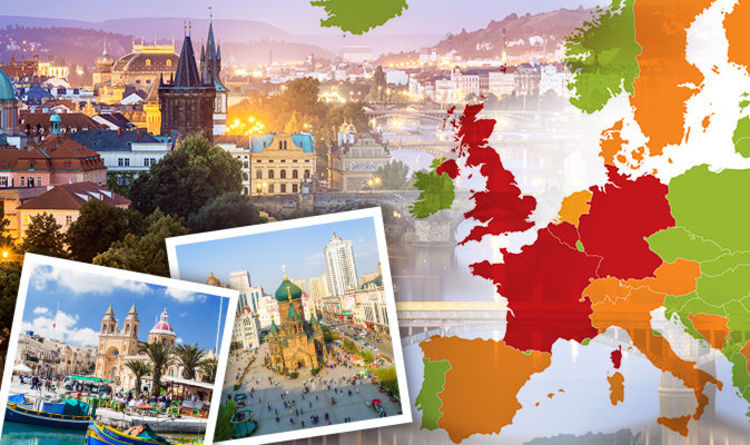
Europe Travel Safety: Tips & Advice for Tourists
It’s easy to see news about protests or strikes and wonder if Europe is safe right now. In practice, the main travel risks in Europe rarely involve these large-scale events.
Your biggest concern isn’t violent crime but rather opportunistic theft, such as pickpocketing. Think of visiting a crowded landmark in Rome or Paris, much like you would Times Square in New York—you’re simply more aware of your belongings, but it doesn’t stop you from enjoying the experience.
Many of the world’s safest countries are in Europe. According to the Global Peace Index, seven of the top ten most peaceful nations are on the continent, with many having significantly lower rates of violent crime than the USA. This context helps separate alarming headlines from your actual, on-the-ground safety.

How to Beat Europe’s #1 Tourist Annoyance: Pickpockets
The most common concern for travelers is pickpocketing. The good news is that these thefts are almost always about stealth, not force. Thieves thrive in crowded places like train stations, busy subways, and the plazas around famous landmarks.
Their number one tool is distraction—a sudden commotion, someone “accidentally” bumping into you, or a stranger getting uncomfortably close to ask for help are all classic setups to divert your attention while they grab your valuables.
Your best defense is to make yourself what security experts call a “hard target.” This simply means making yourself look like more trouble than you’re worth.
A pickpocket looking for a quick, risk-free score will almost always bypass the person who looks prepared and instead choose the easier mark—someone with a phone sticking out of a back pocket or a purse hanging wide open.
Becoming a hard target is easy. Just build these three simple habits into your routine:
- Secure Your Valuables: Keep your passport, extra cash, and backup credit cards in a money belt under your clothes.
Day-to-day items like your phone and a small amount of cash should go in a zipped front pocket or an anti-theft bag worn across your chest. - Walk with Purpose: Look like you know where you’re going, even when you’re a little lost. Avoid flashing expensive jewelry or pulling out cash in public.
- Switch to ‘Crowd Mode’: The moment you step onto a packed bus or enter a dense crowd, swing your backpack around to wear it on your front. It’s the single best move you can make to protect your belongings from hands you can’t see.
Don’t Fall for It: Spotting 3 Common Tourist Scams
Beyond simple theft, many street scams rely on twisting social pressure into a tool for profit. A classic example is the “friendship bracelet” scam, often seen near major sights in Paris and Rome. Someone will approach, offer a “free” bracelet or rose as a gift, and then expertly tie it onto your wrist. The moment it’s on, their friendly demeanor vanishes, and they demand payment aggressively. The key is to never accept these “gifts” in the first place—keep your hands to yourself and don’t let anyone place something on you.
Another common tactic uses distraction, just like a pickpocket would. You might be approached by someone with a clipboard asking you to sign a petition, often for a seemingly good cause. While your attention is focused on reading and signing, an accomplice may try to lift your wallet. Even if they’re working alone, the signature is almost always followed by a guilt-ridden demand for a cash donation. Always be wary of any stranger interrupting you with a clipboard.
Similarly, if someone suddenly “finds” a shiny gold ring on the ground near you and offers it to you for a great price, just keep walking.
It’s a worthless piece of brass. Whether it’s a bracelet, a petition, or a “found” ring, the defense is the same and remarkably simple: a firm, polite “No, thank you” as you continue walking away. Do not stop to argue, explain, or engage. This confident refusal is your universal key to shutting down these encounters before they begin.

How to Ride European Public Transport Like a Local (and Stay Safe)
The same awareness you use in a crowded plaza is crucial on Europe’s excellent public transport systems. During rush hour, a packed metro car or bus is a pickpocket’s ideal workplace. A simple habit can make all the difference:
swing your backpack around to wear on your chest and keep a hand casually on the pocket holding your phone or wallet. This small move signals that you’re paying attention and makes you a much less appealing target.
Beyond protecting your wallet from theft, you also need to protect it from fines. Many European cities use a ticket validation system that can catch tourists by surprise. After buying your paper ticket, you must stamp it in a small machine, usually located on the platform or near the bus entrance, before your journey begins. Skipping this step, even by accident, can lead to a significant on-the-spot fine from ticket inspectors. Remember: buying the ticket is only the first step; validating it makes your ride legal.
To move through busy stations securely, have your ticket or pass ready in your hand before you reach the turnstiles. This prevents you from having to stop and fumble for your wallet in a crowded area, which is a vulnerable moment. Navigating the system confidently not only saves you time but also helps you blend in.
Your Pre-Trip Safety Checklist: Documents, Contacts, and One Magic Number
A key part of preparation is having emergency contacts ready. While you should note down local numbers, there is one magic number to remember across the continent: 112. This is the pan-European emergency number, equivalent to 911 in the United States or 999 in the UK. Dialing it from any phone will connect you to local police, ambulance, or fire services for free. Committing this single number to memory provides an essential layer of security, no matter where your itinerary takes you.
Your most important document, the passport, also needs a backup plan.
Losing it is a major headache, but you can minimize the disruption with this simple 3-step safety plan before you leave home:
- Go Digital: Photograph the ID page of your passport and email it to yourself or save it to a secure cloud service.
- Create a Copy: Leave a physical photocopy in your locked hotel room luggage, separate from your actual passport.
- Know Your Embassy: Look up the address and phone number of your country’s nearest embassy or consulate and save it in your phone.
If your passport is stolen, don’t panic—act. Your first step is to file a report at the nearest local police station. This report is essential. With your police report in hand, contact your embassy or consulate immediately. They are your lifeline, equipped to help you get an emergency travel document to continue your trip or return home.
Is Europe Safe for Solo Female Travelers? Yes—Here’s How to Travel with Confidence
Traveling through Europe on your own as a woman is not only overwhelmingly safe but can be one of the most empowering experiences of your life.
The key is to be intentional with your choices, starting with where you stay. Prioritize centrally located accommodations in well-lit neighborhoods with plenty of foot traffic. More importantly, read the reviews. Pay special attention to recent feedback from other solo female travelers, as they will give you the most honest insight into a property’s real-world safety and atmosphere.
Your greatest tool for navigating cities with confidence is your own posture and awareness. Before leaving your hotel, get a general sense of your route. Walk with purpose—head up, shoulders back—even when you’re just leisurely exploring. If you do get turned around, resist the urge to pull out a large map on a street corner. Instead, pop into a cafe or shop to discreetly check your phone.
For unwanted verbal attention, a firm, brief “no,” delivered without breaking your stride, is often the most effective deterrent.
Enjoying Europe’s vibrant nightlife is absolutely possible with a few smart precautions. The same common sense you’d use at home is your best guide: never leave a drink unattended, let a friend back home know your general plans, and trust your gut instinct about people and situations. Sticking to well-reviewed establishments and knowing exactly how you’ll get back to your hotel beforehand—whether by a reputable ride-share app or pre-booked taxi—removes uncertainty.
Decoding U.S. Travel Advisories for Europe: What Do They Really Mean?
When looking up a destination, you’ll likely encounter official guidance, such as the U.S. travel advisories for Europe. The State Department uses a simple four-tier system to communicate risk, from Level 1 (Exercise Normal Precautions) to Level 4 (Do Not Travel). For the most part, Europe is overwhelmingly safe, but it helps to know what these levels truly signify for a tourist.
Many of Europe’s most popular countries, including France, Italy, and Spain, often sit at “Level 2: Exercise Increased Caution.” This is not a signal of unusual danger or a reason to cancel your trip. Instead, this advisory level typically accounts for factors like the potential for political demonstrations or the common risk of petty theft in major tourist areas—issues you can easily manage by staying aware of your surroundings. Think of it less as an alarm and more as a reminder to use the same smart habits you’d use in any big city worldwide.
For information that’s more timely and useful than these broad advisories, enroll your trip in the free Smart Traveler Enrollment Program (STEP) before you go.
This service registers your travel plans with the nearest U.S. Embassy or Consulate. In the rare event of a localized emergency or a sudden safety issue—like a transportation strike or a regional security alert—they can send updates directly to your phone. It’s a simple, fast way to get peace of mind and relevant information.
You’re Ready: How to Enjoy Your European Vacation Without Worry
With a practical toolkit of safety habits, you can feel confident on your trip. You can now distinguish between a rare headline and a common travel nuisance, and more importantly, you know exactly what to do about the things you’re most likely to encounter. The best travel safety plan for Europe isn’t about constant vigilance; it’s about smart habits. By internalizing a few key actions, you free yourself to relax and enjoy the moment.
Your 3-Point Confidence Plan:
- Secure Your Top 3: Phone, Wallet, Passport.
- Know the Scams: Bracelets, Petitions.
- Trust Your Gut: If a situation feels off, leave.
This preparation builds the confidence to handle any situation, ensuring you’re ready for an incredible trip. Millions of people have trouble-free vacations in Europe every year. You are now more prepared than most to join them, ready to focus not on what could go wrong, but on the unforgettable memories you are about to create.