St. Peter’s Basilica Fountain, Vatican
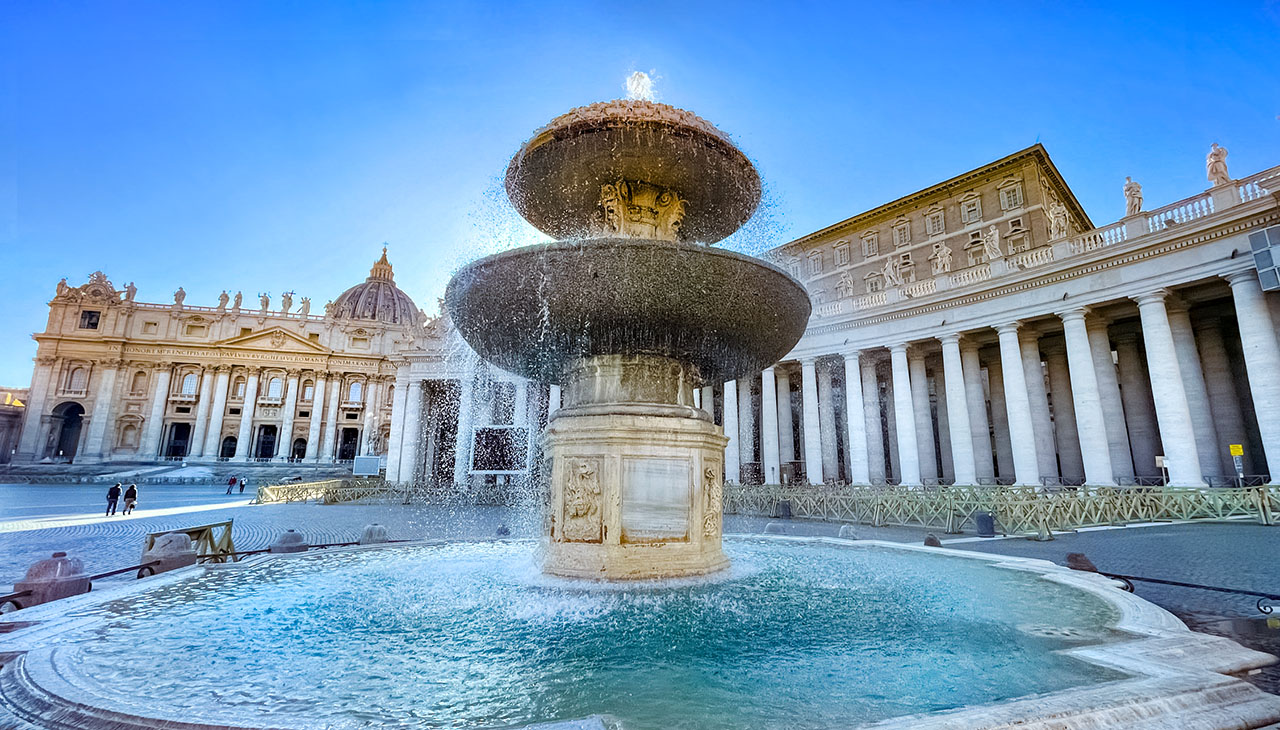
Among the towering walls of St. Peter’s Basilica rises a dramatic fountain, split into two flowing levels, quietly asserting its place in Vatican City. Built from solid stone, it does not whisper but speaks with weight and purpose, drawing eyes without asking permission. When approached, a soft burst of mist might surprise, though somehow it fits, weaving itself into the moment. Behind, the vast church looms large, while ahead, the hush of falling water offers something softer – almost like breath after silence. Instead of competing, they balance – one still, one moving; both speaking in different tones. Built under famous Baroque creators, this fountain brings drama into the heart of the open space. Not just something to look at, it also offers calm within the rush of people passing through. Many stay longer than planned, pulled in by how sculpture, building design, and deeper meaning fit together. Morning glow or evening shade wraps around everything gently, changing how it feels to stand there. In every way, it quietly opens a door to the Vatican’s deep layers of creative craft.
Riviera della Versilia
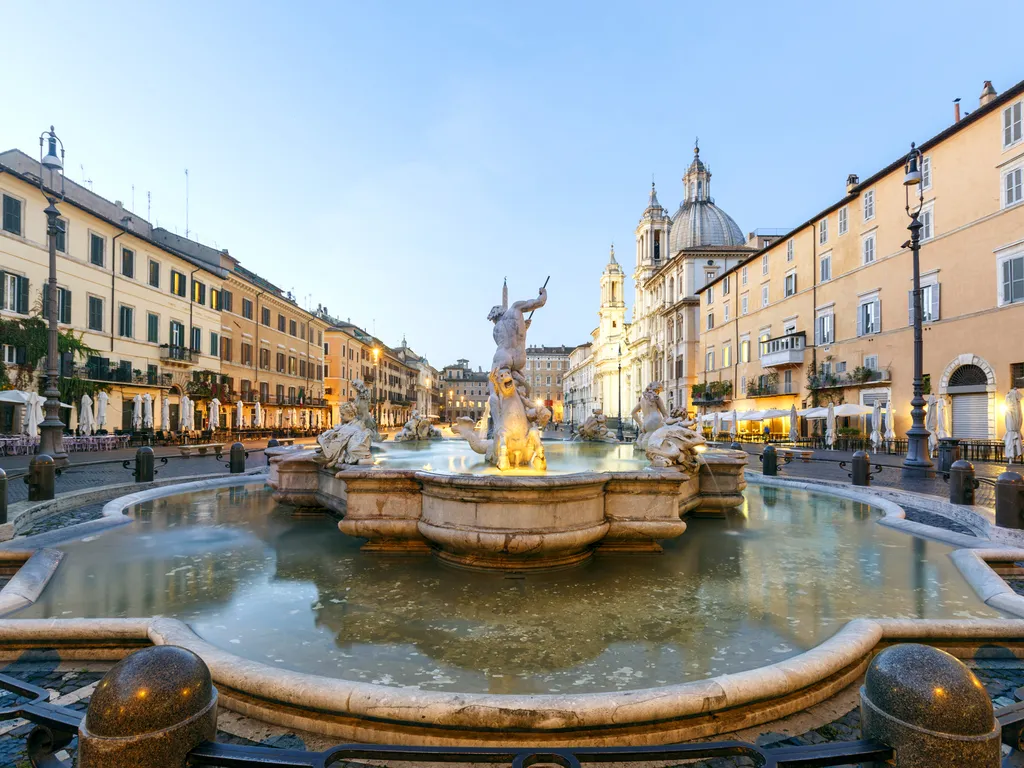
By the graceful shore of Versilia’s coast, a recent artwork joins a water feature, offering something different from Italy’s usual historic styles. Close to Forte dei Marmi, this place draws attention with luxury stays and creative energy. Smooth, current–day shapes define the piece, yet it moves well with the rhythm of splashing liquid. Water flows through form, bringing together now and nature into one sight that holds your eyes. Walking here, the fountain draws attention with constant motion. Around it, the walkway pulls people along, dotted with small shops, places to eat, coffee spots, scenes of sand and sea. Artists linger nearby, while visitors pause, drawn by color and calm at once. Energy hums low, unhurried – perfect for slow hours under open sky. This corner carries the quiet elegance found only near Tuscany’s shore.
Chianti Fountain
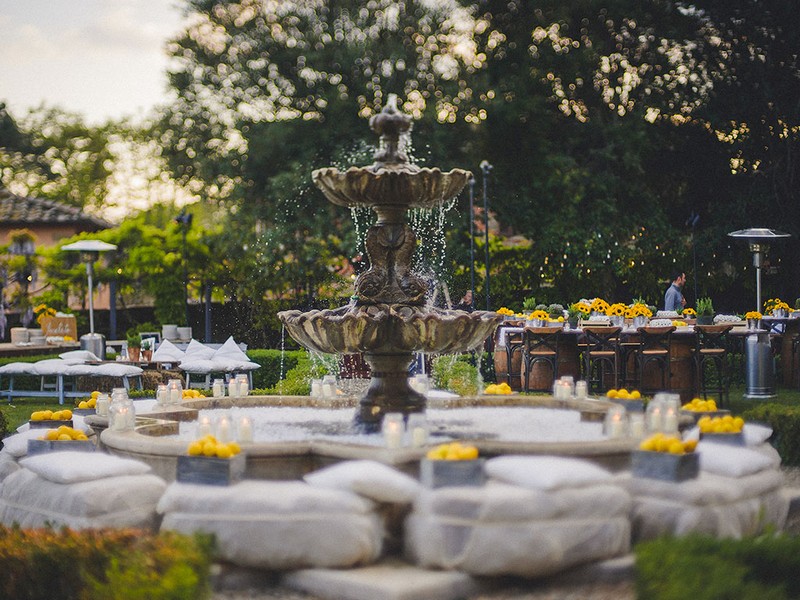
Hidden among Chianti’s gentle slopes, this lovely fountain features a bold lion face hewn from rock. Its look carries weight, shaped by time and old customs. Vines stretch around it, framing the scene with classic country charm. Strength, history, and dignity live in that figure – the same spirit found across Tuscany. People following the well–known grape trails tend to stop, drawn by how it stands there, still and proud. Water murmurs softly, slipping into stillness beneath the open sky. Wineries dot the hills, while old stone villages cling to the slopes nearby. A pause here feels right, especially after sipping wines under shaded pergolas. Art weaves through leaves, symbols hide in carvings, earth holds it all together. Tuscany lives in this fountain, not grand – just honest and quietly full.
Trevi Fountain, Rome
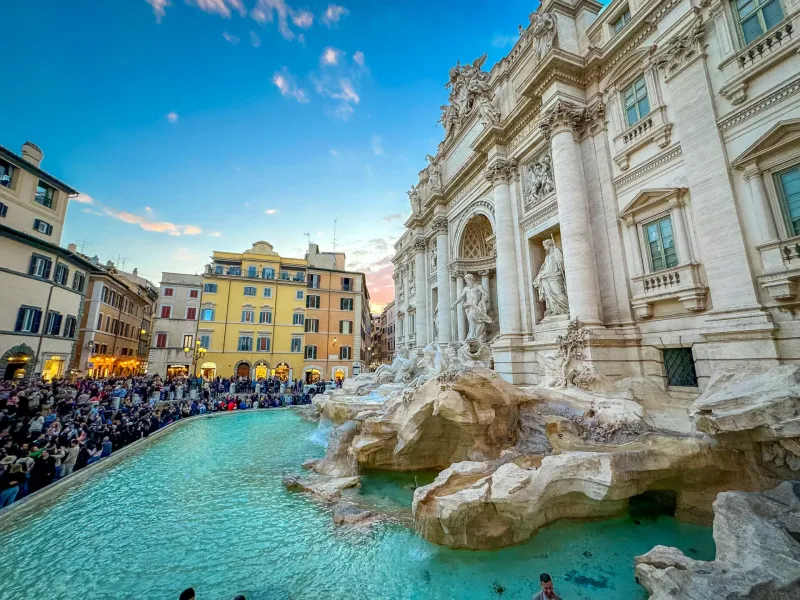
Standing tall in Rome, the famous Trevi Fountain pulls people from everywhere without saying a word. Its size alone stuns – biggest Baroque splash in town, built when empires still dreamed big. Carved long ago, in the 1700s, it now stands like a handshake between history and beauty. Visitors toss coins not because they must, but because something inside says to try. Water flows around gods and legends shaped in stone, always moving, never stopping. Water dances while light hums through the air, sticking in your mind. Whether under sun or shadow, people keep coming back to stand near it. When dark falls, colors bloom across the surface like quiet fire. More than stone and spray, it pulses with the city’s rhythm. Not many spots whisper old–world charm so clearly.
Casa del Fauno Fountain, Pompeii
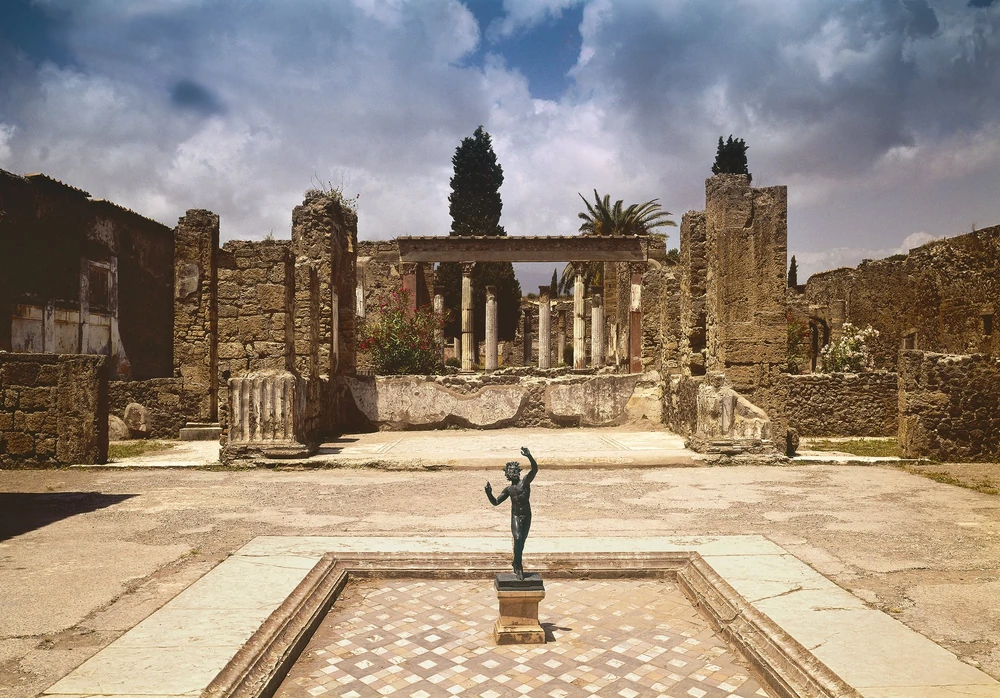
Near the entrance of Casa del Fauno, broken pieces of the old fountain linger like echoes. Once part of daily life, it now sits quietly beneath open sky. Not everything survived – yet fragments speak louder than whole things might. You step closer, and the air feels different, thick with time. What cracked stone cannot say, shadow seems to answer. Sudden ruin shaped its present form, giving weight to every chip and flaw. Simple as it looks, this fountain stands apart from the flashy ones nearby – its quiet speaks louder. Broken walls around it pull you into a slower kind of moment. Time seems thinner here, like the past could step forward. People stop, without planning to, just standing still. Not made for admiration, but built from what lasts – what remembers, what stays.
Caserta Royal Palace Fountain
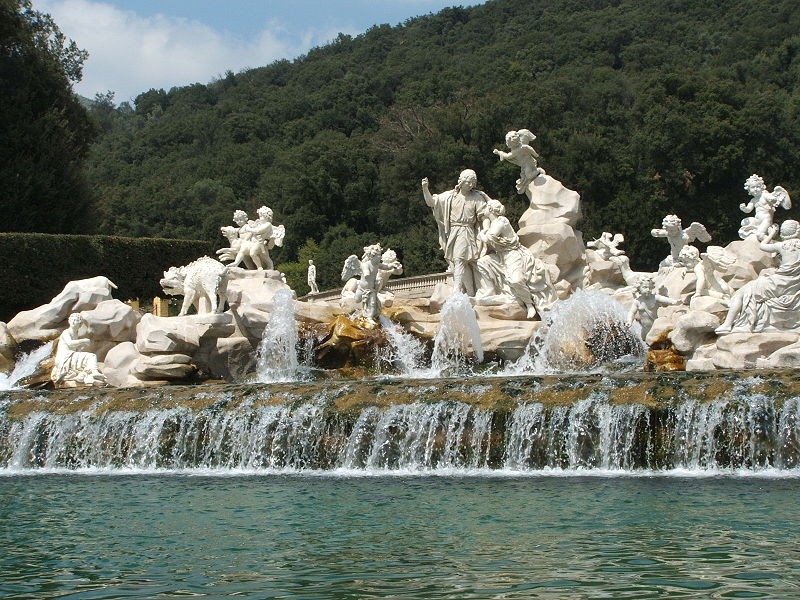
Down the garden path of Caserta’s Royal Palace stretches a massive fountain, impossible to miss. More than a mile long, it pulls your eyes forward without trying. Moving beside it gives the quiet sense of walking in step with kings. Its look borrows boldness from Versailles, yet stands on its own terms. Water moves hard across steps, stone figures, and falling basins – never still. Just standing there makes you catch your breath. Every part shows carvings you did not expect at first glance. Greenery wraps around it like a quiet frame. What flows here comes from clever minds just as much as bold imaginations. More than water rising – this feels like stepping into someone else’s gilded dream.
Four Rivers Fountain, Rome
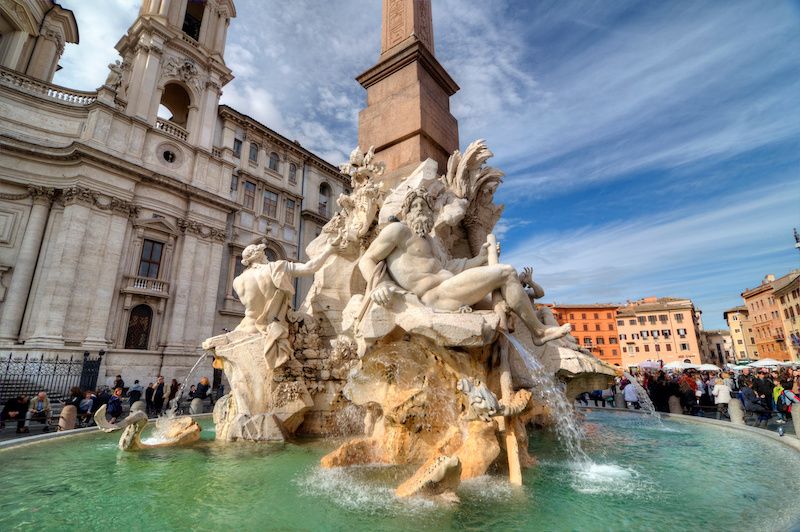
Right in the middle of Piazza Navona stands the Four Rivers Fountain, a bold example of Baroque art. Crafted by Gian Lorenzo Bernini, it holds an old Egyptian obelisk rising above lively statues carved in stone. One sculpture for each great river, one from every distant land, showing far–flung corners of the globe back then. Tiny touches in the carving make rock seem to move, almost breathe. When dark falls, light slips through just so, turning water and stone into something that glows like fire. Water flows with force, shaping how it feels to stand near. People stop, drawn by the way light plays on spray and stone. Around it, the open square hums without rushing. Musicians play while coffee steams on small tables nearby. Few places in Rome hold attention like this one does.
Villa Monastero Fountain, Lake Como
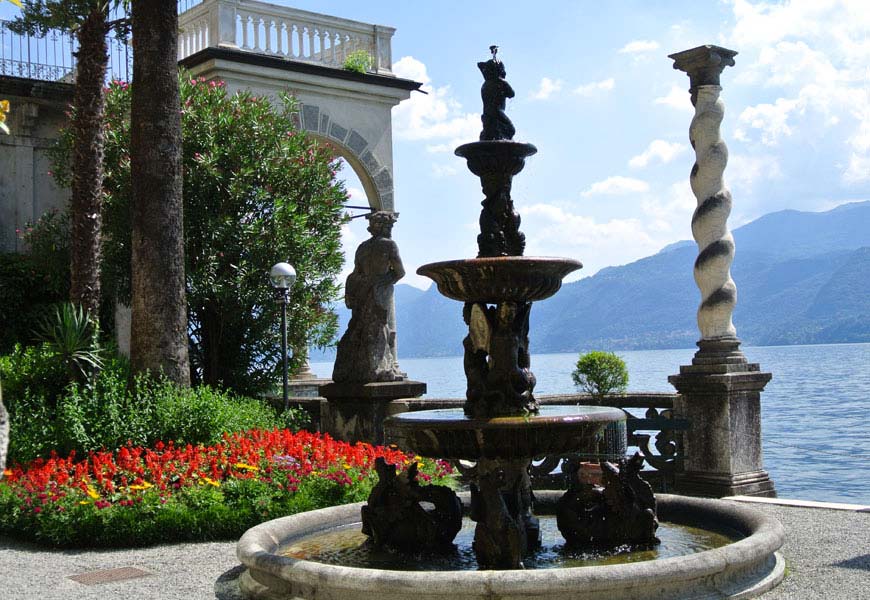
Water rests calm below Villa Monastero where a quiet fountain stands. Among green gardens in Varenna, it holds its place without flash. Instead of grand shapes, it chooses clean lines. With little fuss, the scenery steps forward. Soft splashes mix into stillness like wind through leaves. Most people show up here when it’s calm, so there’s space to think without noise. Over the water, what you see changes with each month but stays strong in memory. Behind, peaks cut sharp into the sky, lifting everything higher. Moments stretch out longer than expected once you settle in. Nature works quietly alongside careful layout, leaving marks that stick.
Fonte Gaia, Siena
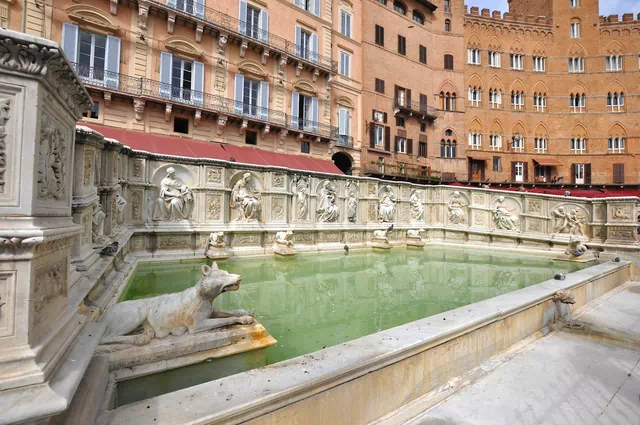
Right in the heart of Piazza del Campo stands Fonte Gaia, a quiet masterpiece of Renaissance design. Built during the 1400s in Siena, its presence feels both old and alive. Marble surfaces flow with intricate scenes, among them the figure of the Madonna holding her child. Each detail reveals hands that knew patience, eyes trained on beauty. Though time passes, people still gather here, drawn without knowing why. Right there, the open space boosts its appeal and meaning. When festivals such as the Palio roll through, energy fills every corner. Over time, the fountain has shaped daily rhythms in town. Artistic skill meets shared pride in its design. Even now, people stop and look with quiet awe.
Fountain of Neptune, Rome
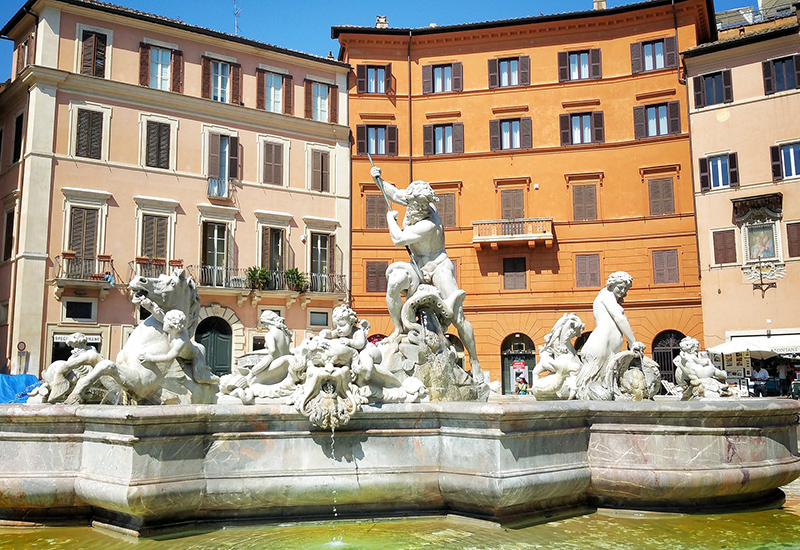
Down near the square, the fountain of Neptune rises strong, drawing eyes with wild force. Not still at all – Neptune fights ocean beasts right there, twisting in stone. Water curls around him like it’s rushing somewhere urgent. Look close. Each piece breathes, moves almost. Morning light changes everything. When few people wander by, sound fades, leaving just the work, clear and unbroken. Sunlight, soft and low, brings out every groove in the stone. Later on, people drift into the square, slowly at first then all at once. Musicians play near the edges while painters set up their stands nearby. Through everything, water keeps moving in the center basin. Stories seem carved right into the rock, bold and impossible to ignore.