Sylt: Germany’s Hidden Island Paradise
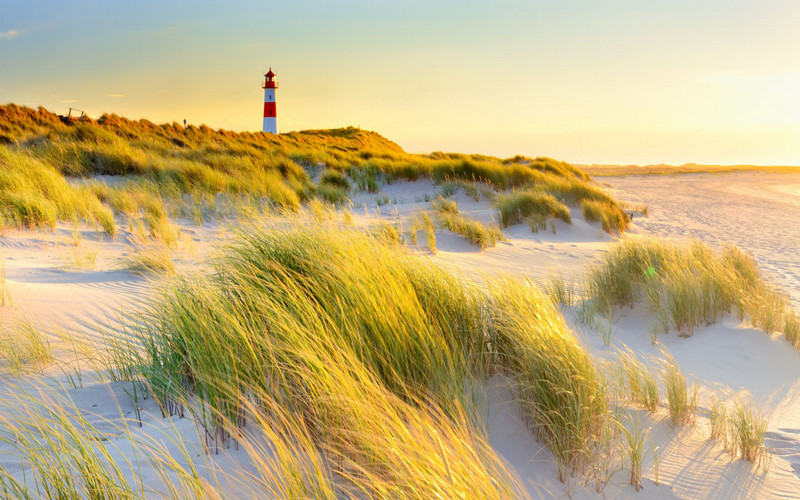
Located in the sparkling waters of the North Sea, Sylt is one of Germany’s most enchanting island escapes and a true paradise for travelers searching for peace and natural beauty. Often called the “Queen of the North Sea,” this stunning island is famous for its endless sandy beaches, dramatic dunes, and charming coastal villages. Unlike Germany’s busier tourist destinations, Sylt offers a peaceful atmosphere where visitors can reconnect with nature and enjoy a slower pace of life. The island’s rugged coastline, fresh sea air, and unique landscapes make it a perfect destination for outdoor enthusiasts and relaxation seekers alike.
Sylt’s beaches stretch for more than 40 kilometers, offering plenty of space for long walks, swimming, and breathtaking sunsets over the North Sea. Cycling is one of the best ways to explore the island, with scenic paths leading through dunes, forests, and picturesque villages. Nature lovers can discover the Wadden Sea, a UNESCO World Heritage Site, where guided mudflat walks reveal fascinating marine life and coastal ecosystems. The island is also known for its excellent seafood restaurants, where visitors can enjoy freshly caught oysters, shrimp, and traditional North German cuisine. With its combination of untouched nature, elegant seaside resorts, and peaceful surroundings, Sylt remains one of Germany’s most beautiful hidden gems.
Monschau: A Fairytale in the Eifel Region
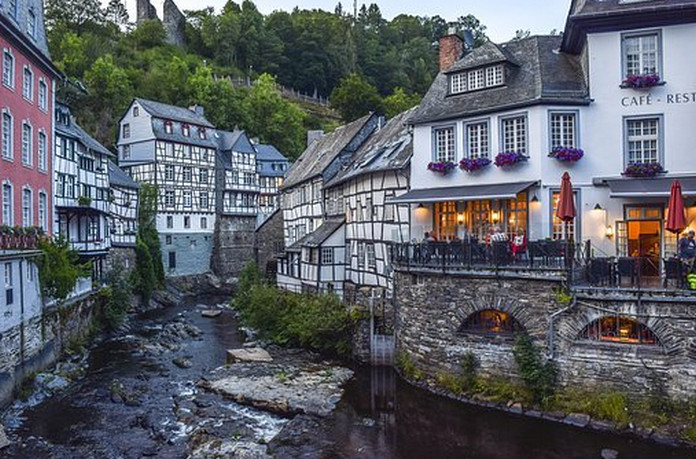
Hidden among the green hills of the Eifel region, Monschau looks like a scene from a medieval storybook brought to life. This charming town is famous for its beautifully preserved half-timbered houses, narrow cobblestone streets, and romantic riverside setting. Unlike larger German cities filled with modern buildings, Monschau has maintained its historic character and offers visitors a glimpse into the country’s past. Its peaceful atmosphere, traditional architecture, and scenic surroundings make it one of Germany’s most captivating lesser-known destinations.
Walking through Monschau feels like stepping back several centuries, with colorful buildings, flower-covered balconies, and small bridges crossing the winding Rur River. The town’s historic center is filled with cozy cafés, artisan shops, and traditional restaurants serving regional specialties. Visitors can explore the impressive Monschau Castle, which overlooks the town and provides beautiful views of the surrounding valley. The area is also a wonderful destination for hiking, especially during spring and autumn when the landscapes are covered in vibrant colors. A visit to Monschau is incomplete without tasting the famous Monschauer Senf, a traditional mustard that has been produced in the town for generations. Whether you are interested in history, photography, or simply enjoying a peaceful escape, Monschau offers a magical experience away from Germany’s crowded tourist routes.
Beelitz-Heilstätten: Abandoned Elegance
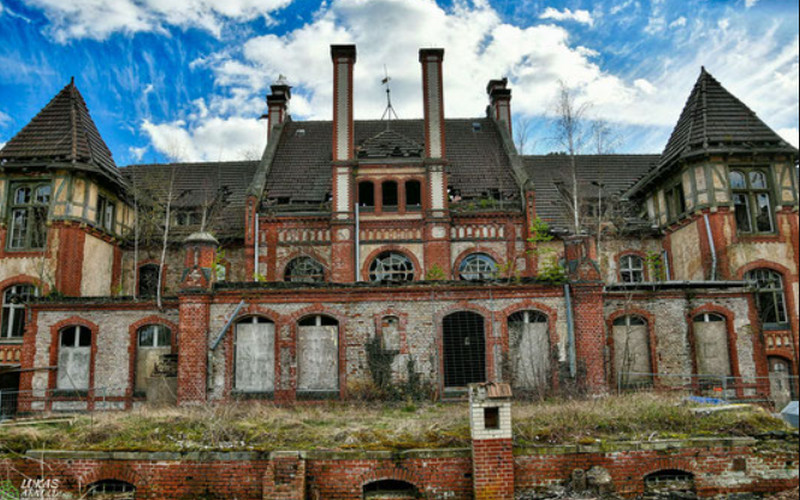
For travelers fascinated by history, architecture, and mysterious places, Beelitz-Heilstätten offers a unique journey into Germany’s forgotten past. Located just outside Berlin, this enormous abandoned hospital complex was once considered one of Europe’s most advanced medical facilities. Built in the late 19th century, the site originally served as a tuberculosis sanatorium before later becoming a military hospital. Today, its abandoned buildings, overgrown gardens, and haunting atmosphere create a fascinating destination for explorers and photographers.
Nature has slowly taken over Beelitz-Heilstätten, creating a striking contrast between decaying architecture and the surrounding forests. Visitors can walk along elevated pathways that provide views of the historic buildings while learning about the complex’s remarkable history. The old operating rooms, patient halls, and forgotten corridors tell stories of the many people who passed through this unique location. The combination of Art Nouveau architecture, mysterious ruins, and peaceful woodland scenery gives the site an unforgettable atmosphere. Although it has a slightly eerie feeling, Beelitz-Heilstätten is also a place of beauty, preservation, and historical reflection. It represents one of Germany’s most unusual attractions and a reminder of how time transforms human creations.
Bastei Bridge: A Panoramic Marvel
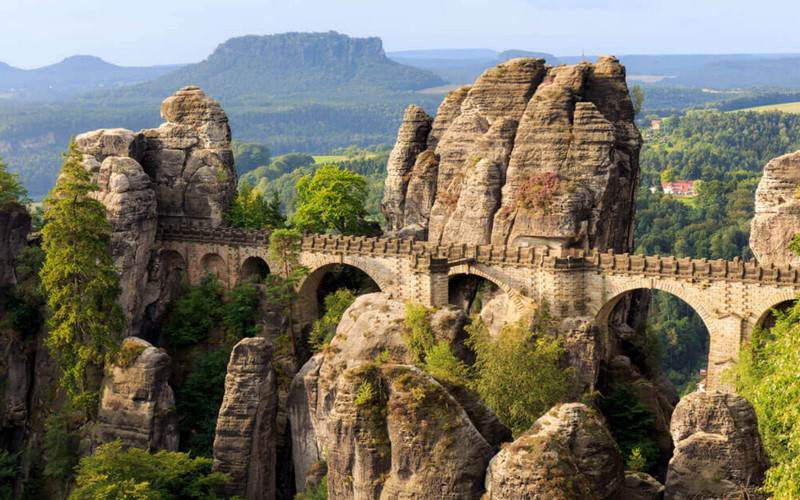
Rising dramatically above the Elbe River in Saxon Switzerland National Park, the Bastei Bridge is one of Germany’s most spectacular natural and architectural wonders. Surrounded by towering sandstone cliffs, deep valleys, and endless forest landscapes, this iconic landmark offers some of the most breathtaking views in the country. Although it is one of Germany’s most photographed locations, the surrounding region still feels peaceful and untouched compared to many popular European destinations. The combination of dramatic rock formations, historic ruins, and stunning viewpoints makes Bastei Bridge a must-visit destination for nature lovers and adventure seekers.
The stone bridge stretches between impressive sandstone pillars and creates a spectacular pathway above the Elbe Sandstone Mountains. Visitors can walk across the bridge while enjoying panoramic views of the winding river, green forests, and unique rock formations that have inspired artists for centuries. Nearby, the ruins of Neurathen Castle provide an additional glimpse into the medieval history of the region. Numerous hiking trails lead through the national park, offering opportunities to discover hidden viewpoints, peaceful forests, and fascinating geological formations. Sunrise and sunset are especially magical moments to visit, as golden light transforms the cliffs into a breathtaking natural masterpiece. Whether you are a photographer, hiker, or simply a traveler looking for unforgettable scenery, Bastei Bridge delivers an experience that feels almost unreal.
Wurzacher Ried: A Wetland Wonderland
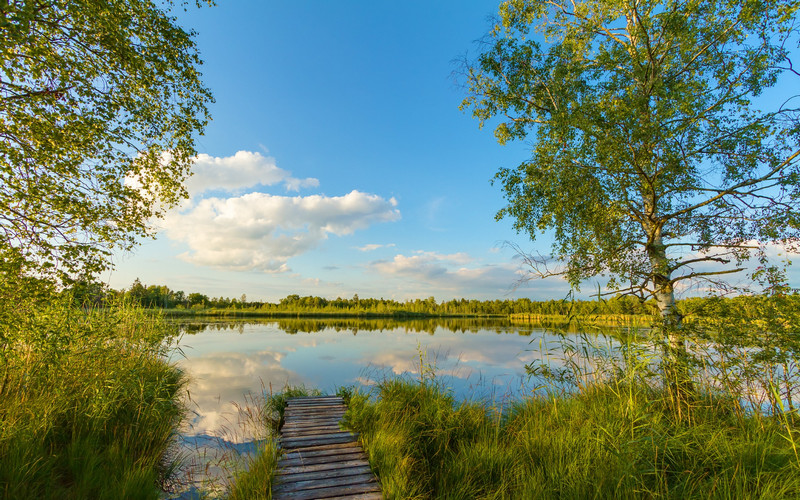
Located in the beautiful region of Baden-Württemberg, Wurzacher Ried is one of Germany’s most important and impressive wetland landscapes. This hidden natural paradise is a protected nature reserve filled with peaceful marshes, colorful meadows, small lakes, and rich biodiversity. Far away from crowded tourist attractions, the area provides visitors with a rare opportunity to experience Germany’s untouched wilderness. Its quiet atmosphere, fresh air, and unique landscapes make it a perfect destination for travelers who appreciate nature and tranquility.
The reserve is especially famous for its raised bogs, which are among the best-preserved in Central Europe. Wooden walkways guide visitors through the wetlands, allowing them to explore the fragile ecosystem without disturbing the environment. Birdwatchers can spot numerous species, including rare birds that use the area as a resting and breeding ground. During spring and summer, wildflowers create colorful scenery, while autumn transforms the landscape into a golden paradise. The Wurzacher Ried Nature Center provides valuable information about the region’s plants, animals, and environmental importance. A visit here offers a peaceful escape where travelers can slow down, enjoy the beauty of nature, and discover one of Germany’s most fascinating hidden landscapes.
Saarschleife: Germany’s Grand Canyon
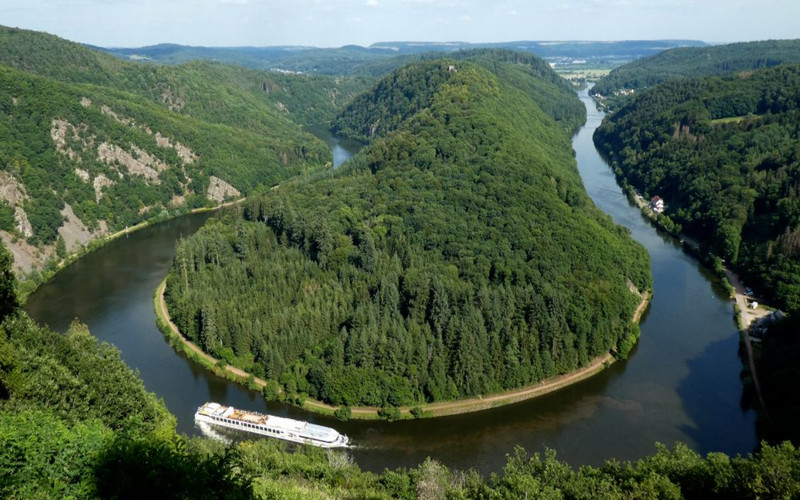
Often described as Germany’s own version of a grand canyon, the Saarschleife is a breathtaking natural attraction located in the Saarland region. This spectacular horseshoe-shaped bend in the Saar River creates one of the most impressive viewpoints in the country. Surrounded by dense forests, rolling hills, and dramatic cliffs, the landscape looks like a painting created by nature itself. Despite its incredible beauty, the Saarschleife remains less famous internationally, making it a perfect destination for travelers searching for unique experiences away from crowded locations.
The best place to admire this natural wonder is the Cloef viewpoint, which offers a panoramic view of the river curving through the green valley below. The recently developed Baumwipfelpfad Saarschleife treetop walkway allows visitors to walk high above the forest and enjoy incredible views from different perspectives. Hiking trails around the area lead through peaceful woodlands and reveal hidden corners of this beautiful region. The changing seasons create different experiences, from fresh green landscapes in spring to colorful forests in autumn. The Saarschleife is also an excellent destination for photographers who want to capture one of Germany’s most dramatic natural scenes. Whether viewed from above or explored on foot, this remarkable landscape leaves a lasting impression.
Rügen Chalk Cliffs: White Cliffs of the Baltic
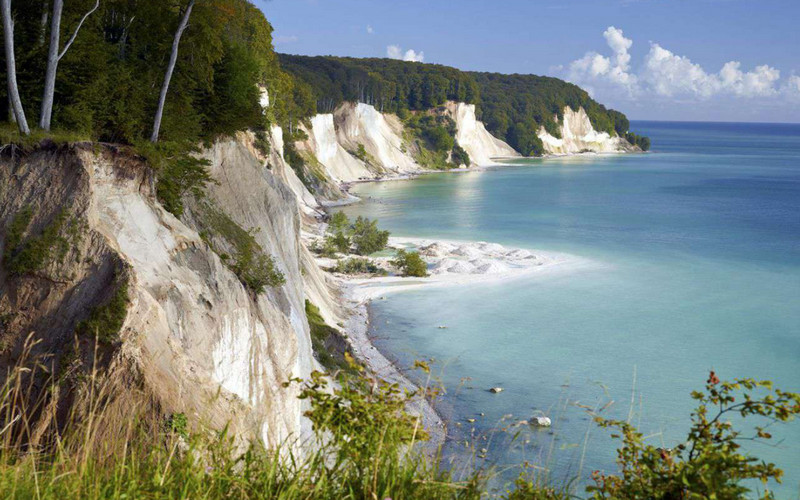
Rügen Island, Germany’s largest island, is home to one of the country’s most unforgettable natural wonders: the magnificent chalk cliffs of Jasmund National Park. Rising high above the turquoise waters of the Baltic Sea, these bright white cliffs create a dramatic contrast with the surrounding forests and coastline. The famous Königsstuhl, or King’s Chair, viewpoint offers one of the most iconic panoramas in Germany. With its combination of ancient forests, peaceful beaches, and spectacular coastal scenery, Rügen is a hidden paradise for nature lovers.
The chalk cliffs were made famous by the romantic paintings of German artist Caspar David Friedrich, who captured their mysterious beauty in the 19th century. Today, visitors can explore hiking trails through ancient beech forests that are recognized as a UNESCO World Heritage Site. The paths lead to breathtaking viewpoints where travelers can admire the cliffs rising above the sea. The island also offers charming seaside villages, relaxing beaches, and opportunities for cycling along scenic coastal routes. Wildlife enthusiasts can discover diverse plant and animal species that thrive in this protected environment. Whether you visit for photography, hiking, or peaceful seaside moments, Rügen’s chalk cliffs provide a truly unforgettable German adventure.
Lüneburg: The Perfect Timbered Town
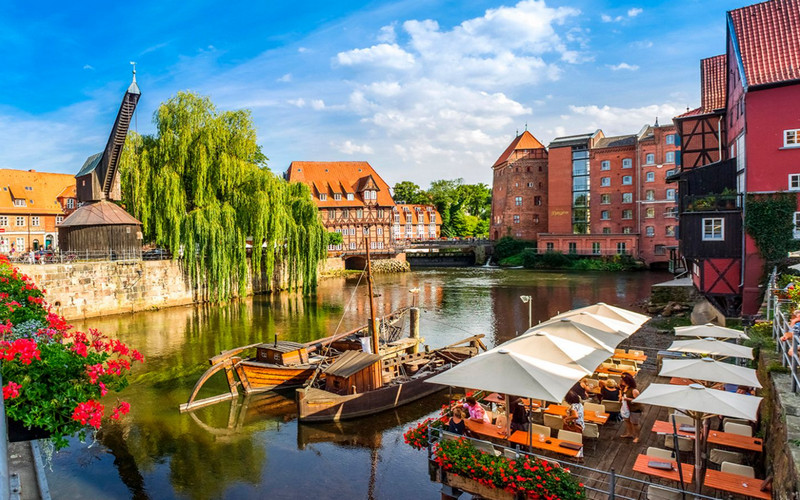
Located in northern Germany’s Lower Saxony region, Lüneburg is a charming historic town that perfectly combines medieval architecture, fascinating history, and a relaxed atmosphere. Often overlooked by international travelers, this hidden gem offers one of the best-preserved old towns in Germany. Its narrow cobblestone streets, colorful half-timbered houses, and elegant historic buildings create a magical setting that feels like stepping into another era. Once a wealthy medieval trading center, Lüneburg has preserved its unique character while becoming a peaceful destination for visitors looking for authentic German culture.
The town’s prosperity was built on salt production, which earned Lüneburg the nickname “The Salt City.” For centuries, the valuable salt trade shaped the town’s economy and architecture, leaving behind impressive buildings and historic landmarks. Visitors can explore the German Salt Museum, where they can learn about the fascinating role salt played in the development of the region. Walking through the old town reveals beautifully decorated houses, hidden courtyards, and charming squares filled with cafés and local shops. The Ilmenau River adds even more charm, offering peaceful walking paths and scenic views along the waterfront. Lüneburg is also known for its vibrant cultural scene, with festivals, markets, and events that bring the historic streets to life throughout the year. With its authentic atmosphere and remarkable preservation, Lüneburg is one of Germany’s most beautiful towns waiting to be discovered.
Nuremberg’s Nazi Party Rally Grounds: Historical Reflection
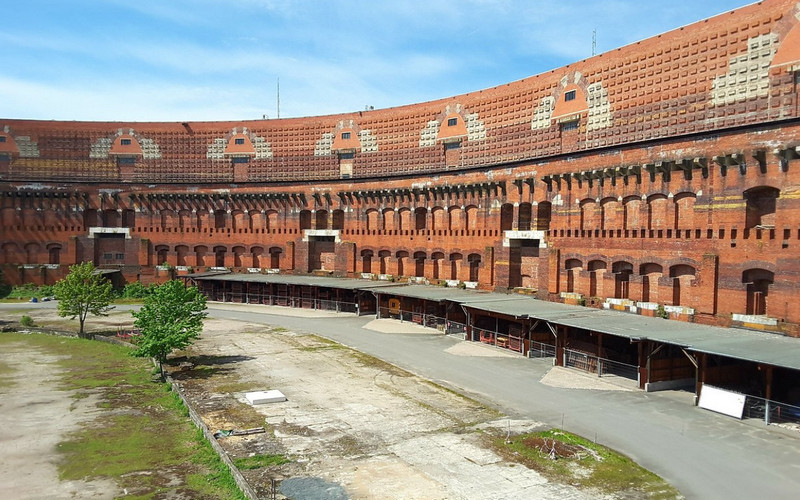
Although Nuremberg is famous for its medieval castle, ancient city walls, and charming old town, it also holds an important and serious chapter of modern history. The former Nazi Party Rally Grounds represent one of Germany’s most significant historical sites connected to the events of the 20th century. Located on the outskirts of the city, this enormous complex once served as the location for large political demonstrations organized by the Nazi regime. Today, it stands as a place of remembrance, education, and reflection.
The Documentation Center at the Nazi Party Rally Grounds provides visitors with detailed information about the rise of the Nazi movement, its propaganda methods, and the consequences of its actions. Through photographs, documents, and personal stories, the museum helps visitors understand the impact of this period on Germany and the world. Exploring the remaining structures, including the unfinished Congress Hall and Zeppelin Field, offers a powerful insight into the scale and ambition of the former regime. The site encourages visitors to reflect on the importance of democracy, human rights, and historical awareness. While the experience is not a traditional tourist attraction, it is an essential destination for those who want to understand Germany’s complex past. A visit here provides a meaningful educational experience and highlights the importance of remembering history.
Rugenberger Damm: Forgotten Bunker Complex
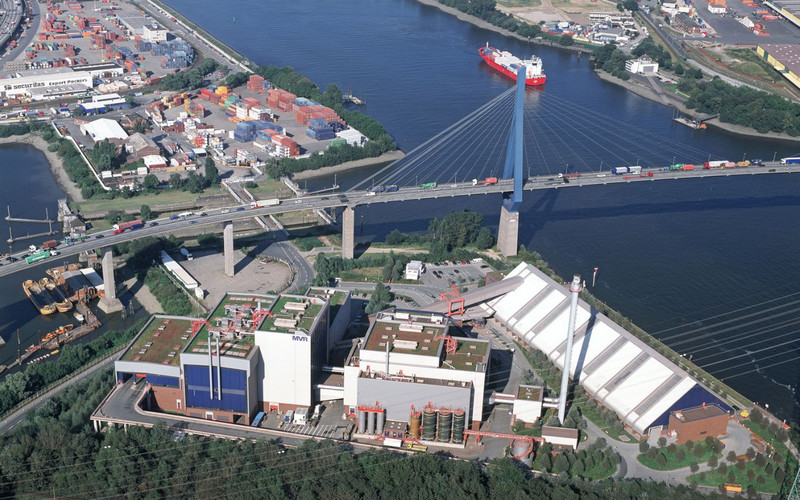
Hidden beneath the modern landscape of Hamburg lies Rugenberger Damm, a fascinating underground site that reveals a forgotten part of Germany’s wartime history. This network of bunkers and tunnels dates back to World War II and represents the extensive defensive structures built during that period. Unlike Germany’s famous museums and historical landmarks, this hidden complex remains relatively unknown, making it a unique destination for travelers interested in exploring unusual places. Its dark passageways and preserved structures offer a mysterious journey into the past.
Guided tours of the bunker system allow visitors to explore underground corridors, historic rooms, and areas that once served important military purposes. Walking through the dimly lit tunnels provides a powerful sense of connection with the people who experienced life during wartime. The site demonstrates how cities adapted during one of the most challenging periods in European history. Over the decades, many of these underground spaces were forgotten, allowing nature and time to slowly reclaim parts of the complex. Today, preservation efforts help protect this important historical reminder for future generations. For travelers interested in abandoned places, hidden history, and authentic experiences, Rugenberger Damm offers a fascinating glimpse beneath Hamburg’s surface.