Capalbio
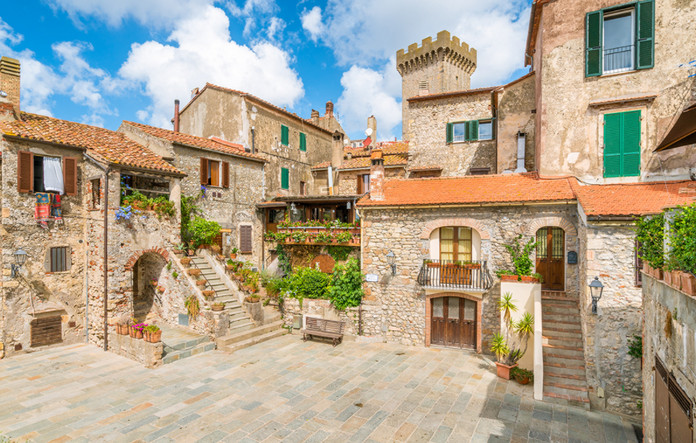
Stone paths wind through Capalbio, hugged by untouched fortress walls from long ago. Old doorways appear suddenly, tucked beside quiet courtyards where time slows down. Instead of rushing forward, moments here stretch quietly under shifting sunlight. Hidden corners unfold one after another – each lit differently as clouds pass overhead. Shadows slip along cobbled lanes while history murmurs behind weathered brick. This place lives softly, breathing stories worn into its steps and beams. A stillness lingers, not empty but full of what came before.
A single step here feels like stepping into a dream carved from rock, overlooking the Tyrrhenian waves below. Color bursts from flower–filled windowsills, bright against ancient walls. Hidden paths twist between buildings, guided by old arches that pull you deeper without warning. Warm days carry perfume – jasmine tangled with rosemary – drifting on sea breezes. People who live here guard its spirit, not loudly, but in gestures passed down through years. Paintings appear beside olive trees; sculptures nestle near fountains. Beauty does not announce itself – it simply exists, quietly, everywhere. A step through this place sticks in your mind, even when it’s just a short stroll. Guarding the old stone gateway, a bright sculpture stands still. This piece belongs to Niki de Saint Phalle – her hand shaped the Tarot Garden close by.
Monteriggioni
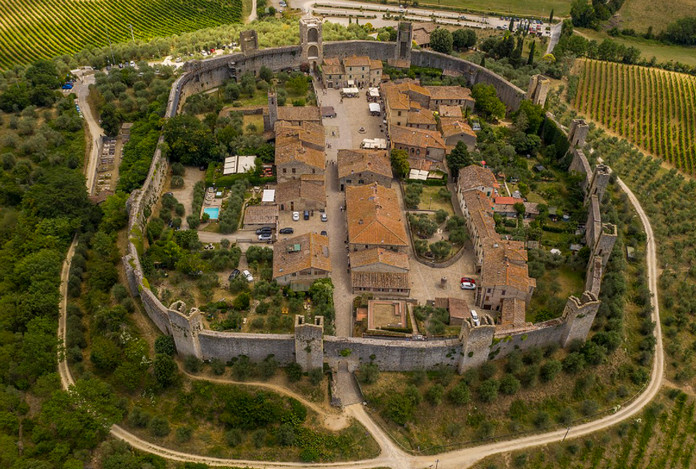
Perched on an old rise in the land, ringed by stone fortifications, each summer hosts a celebration that pulls visitors straight into Tuscany’s medieval past. Its round battlements stand out across Italy as among the most striking of their kind. From the top of these ancient paths, eyes catch sweeping scenes of rolling countryside beyond. Time seems slowed here, with alleys and squares unchanged since centuries ago. When events unfold, parades of armored figures, drummers, and craft workers spill through lanes, turning memory into motion.
Step inside the tiny yet lively Armoury Museum, try on complete warrior gear. Experience old times directly through doing things yourself, right there in a space made to feel like another era. For ages Monteriggioni sat caught between Florence and Siena, fighting for control. Its history became so famous that Dante wrote about it in the Divine Comedy, likening its ramparts to huge terrifying figures of myth. That mention in verse lifted its name into lasting stories across Italy. Still now, this place holds tight to its old–world air, rugged and quiet. Because of how the past blends with the land, few spots in Tuscany stay so clearly etched in memory.
Sorano
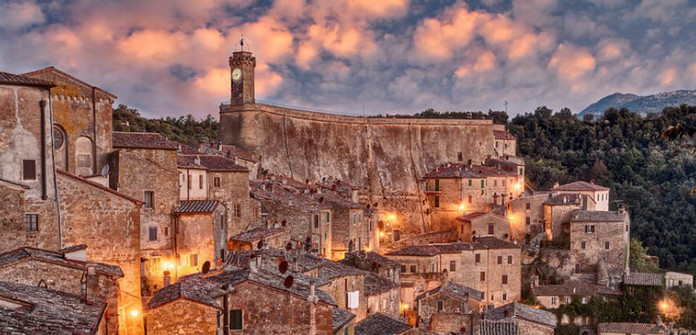
Perched high on a rugged spur, Sorano clings like something half–remembered from an old painting. Carved straight into soft volcanic stone, the place looks shaped by time more than tools. Buildings grow out of the cliff as if they sprouted there over centuries. Paths twist without warning, cutting between walls that feel alive with age. Turn once – then again – and the whole scene shifts behind you.
From up high, the town appears shaped by some massive hand straight out of soft stone. That very rock paints Sorano in warm gold tones. When crossing beneath the old archway into the stronghold, today fades behind. The moment footsteps touch those lanes, hours stretch longer. Towering ramparts rise nearby, while narrow alleys twist past homes carved as one with cliff and wall. Stone blurs where building ends and bedrock begins. Out here, dusk paints the air thick with quiet wonder. Still, few seem to notice Sorano, even though it sits tucked inside Tuscany like a secret no one tells.
Montefioralle
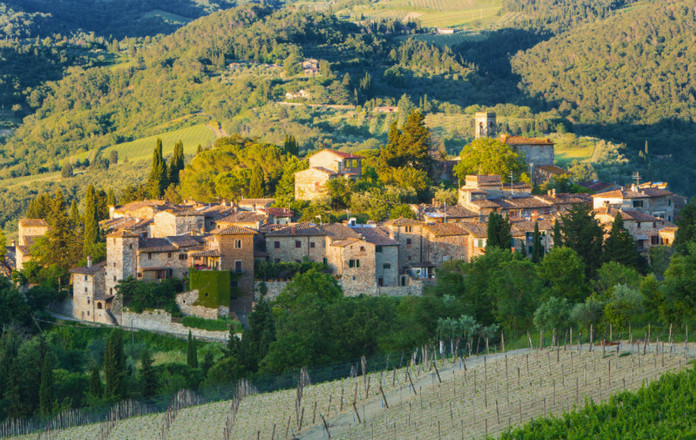
Stone built, Montefioralle rests like an old crown on a ridge. Round it goes, shaped by times when walls meant safety. High above Greve in Chianti, the place used to guard more than views – once stood as fortress stone. Tiny lanes wind through what was left after centuries passed. All around, vines and olives drape the slopes in green waves. Breathe deep – the breeze carries grape warmth mixed with thyme and sun–dried earth.
Walls stand partly intact, along with a modest church, while uneven stone paths trace the old layout from centuries past. What draws people isn’t grandeur – it’s how little has changed. When warm months arrive, visitors wander through; once they pass, silence settles like dust on rooftops. Walking here feels different – slow, unforced, framed by open hills and soft horizons. Sunlight, thick and amber, drapes across the scene each afternoon, shaping shadows that linger longer than expected. Painted light spills across cobbled paths where time seems to pause. This village hums quiet, far from crowded spots travelers swarm. A stillness wraps around stone walls kissed by ivy and morning sun.
Bagnone
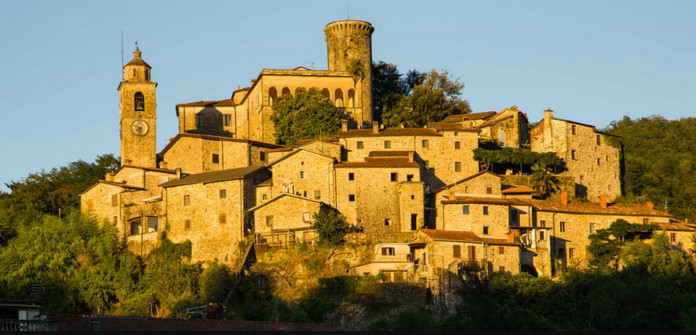
Bagnone sits quietly, a cluster of grey stones tucked among old forests where a lively stream shares its name. Water murmurs along rocky beds, shaping the hush between houses. Once vital in medieval times, Lunigiana held power through location – now called the “land of 100 castles.” Centuries linger here, carried by customs and unspoiled terrain. Northern Tuscany holds few places so unchanged.
Over the stone bridge lies the town, where tight alleyways unfold beneath blooming window boxes. Flower pots spill color against gray walls, breaking the quiet of ancient pavement. Arches stretch across pathways, tying buildings to the river’s curve. Life inches forward, unhurried, shaping how time feels for those who walk through. Bright petals pop in spring and summer, softening hard edges with bursts of red, yellow, purple. Stone paths wind past old walls, pulling you into Bagnore’s quiet spell. Not just trees and ruins – time itself seems to linger here.
Porto Ercole
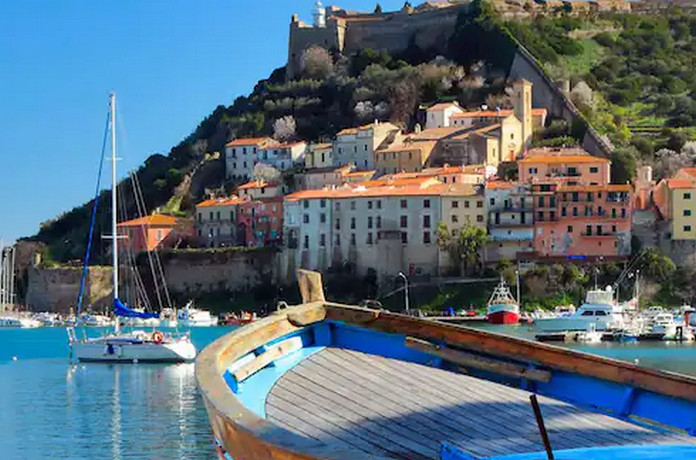
Down south in Tuscany, a striking peak rises right out of the ocean – Mount Argentario. Waves carve wild drop–offs along its shore, mixed with hidden bays and water so clear it glows blue–green. On one flank sits Porto Ercole, once just a quiet fishing spot, now layered with centuries-old character and narrow stone lanes. Brightly painted vessels crowd its dockside, bobbing gently under salt–weathered ropes. Old–world ease mixes here with understated polish. Sea air lingers, softening every corner.
Out here, where the sea meets wild history, Caravaggio spent his last days while pirates ruled the waves nearby. A quiet kind of weight comes from knowing he walked these stones. Now, Porto Ercole moves slow – olive trees sway above fish markets, plates steam with clams and salt. Light melts across water each evening, turning the bay into something you can hardly describe. That glow, it lingers long after dark. Walking through, you catch whispers of old seafaring days mixed with painterly charm. Still today it holds a place among Tuscany’s dreamiest coastal towns.