Visit the Pantheon
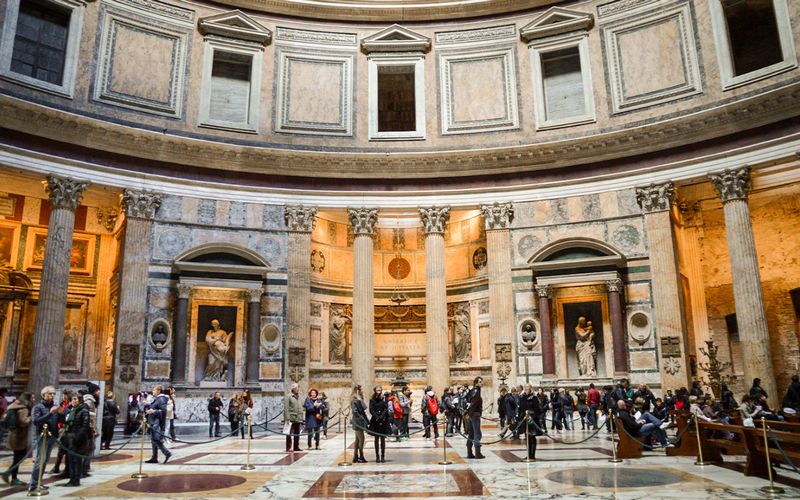
Here stands the heart of the area – the Pantheon – where it all quietly started. Built first for Rome’s many gods, it became a place of worship centuries ago, lasting close to two thousand years without major ruin. That vast roof overhead? Still stuns those who study how such old builders pulled off so much. Light pours through the round opening on top, bringing sun, even showers, down into the wide hall below. Shadows shift slowly as daylight crawls along stone surfaces and polished floors, changing how the room feels by the hour. Even with people coming and going, sound lingers here in soft echoes, like whispers meant to stay. Beneath the vast dome, a person senses right away how bold Roman builders were. Not just an architectural feat, it holds the tomb of Raphael, weaving art deep into its story.
Relax at Piazza della Rotonda
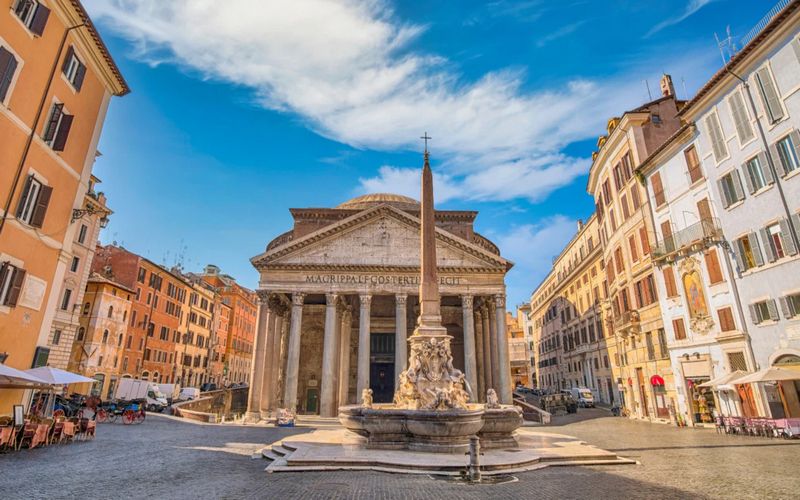
Just beyond the Pantheon sits Piazza della Rotonda, a busy square pulsing with Rome’s everyday energy. Around its edges, cafés spread out with tables under open skies, facing straight toward the old temple. Music drifts through the air when street performers show up, layering sound onto centuries–old stones. At its heart stands a fountain crowned by an obelisk from Egypt, drawing crowds who pause around it. Watching people come and go feels like seeing the city breathe. Movement flows steadily, while the Pantheon watches on, still as ever. When night falls, golden glows spill across the old stone walls. This spot pulls you in – perfect for snapping photos, chatting quietly, or just feeling the pulse of the streets around you.
Enjoy a coffee in a historic Roman café
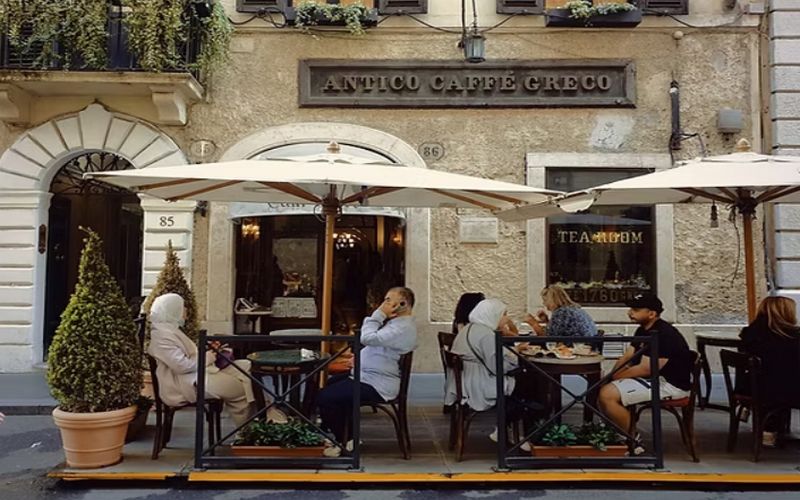
Out past the Pantheon, narrow lanes hum with old–style Roman cafes clinging to routine. A shot of espresso pulled fast at the counter – this is habit, not ceremony, swallowed on feet, never seated. Marble edges line the bars, mirrors catch steam, and beans scent the air thick enough to taste. People drift in again come noon, then later, their visits stitched into the day like clockwork. It’s movement more than pause, speed paired with familiar faces. Standing costs less, so nobody lingers long. Generations deep, many local cafés keep old family methods alive. A staple of Rome? Bold espresso served quick, steeped in routine that never fades.
Explore Santa Maria above the Minerva
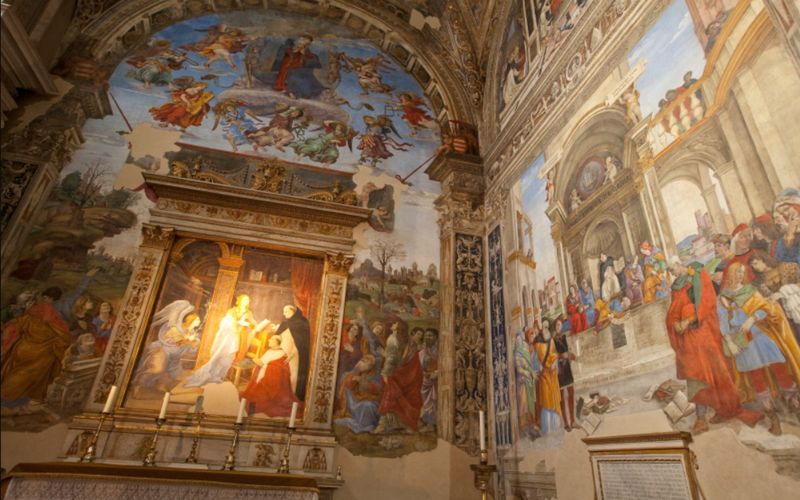
Not far from the Pantheon stands Santa Maria sopra Minerva, an uncommon Gothic church tucked into Rome’s cityscape. Though its outer walls seem plain, step inside and a quiet grandeur unfolds. Art lives here in depth – statues carved by Michelangelo wait beside painted scenes from masters of the Renaissance. While noise fills the nearby lanes, within it feels still, almost hushed. Light filters gently through, shaping moments that slow thought and deepen breath. Once a hub for Dominican scholars, the building carries centuries of belief and study in its stones. A lone figure among giants, it cuts a distinct silhouette where curves and arches once ruled. Away from noise, this place holds space for looking inward – art whispering alongside reverence.
Discover Piazza Navona
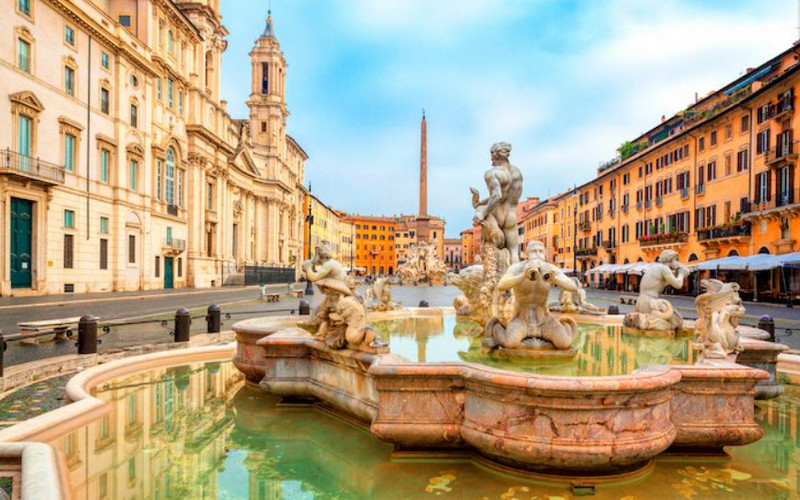
Piazza Navona beats with life, once home to a vast Roman stadium long gone. Shaped by history, its stretched form stays true to old measurements still visible beneath today’s bustle. Baroque buildings rise around the edges, rich with detail, framing scenes of daily motion. Fountains stand like sculptures, carved with drama, drawing eyes and footsteps alike. Cafés stretch their tables outward, offering space to sit without demanding attention. Artists lay out paintings right on the stone, using sunlight as their gallery light. Creativity spreads easily here, carried on breezes between sketchpads and glances. Music drifts through gaps in conversation – violins, guitars, voices humming familiar tunes. Night brings soft lighting, gentle rather than bright, wrapping everything in quiet warmth. This place never quite sleeps, just shifts rhythm as shadows grow longer. Pictures get taken here more than almost anywhere else in Rome because art, history, and people living mix so well. Grandness sits quietly beside closeness in this place.
Admire the Fountain of the Four Rivers
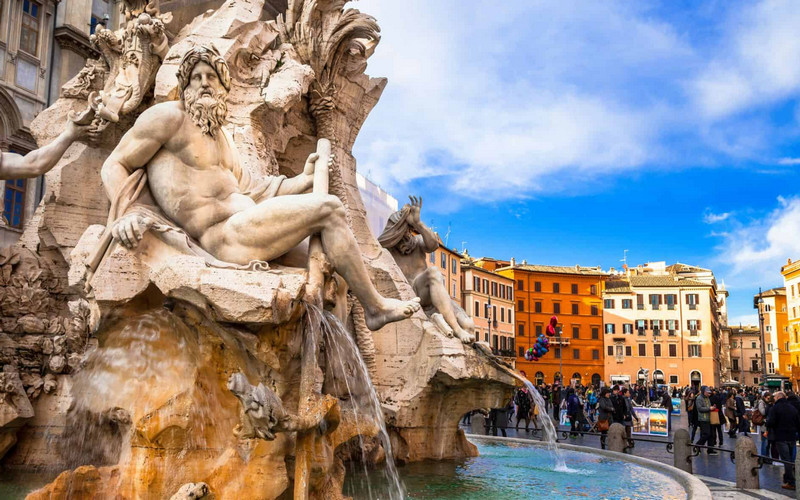
Right in the heart of Piazza Navona stands the Fountain of the Four Rivers, a bold example of Baroque creativity. Crafted by Gian Lorenzo Bernini, it brings to life four great rivers from separate lands, mirroring how far knowledge stretched in the 1600s. Though carved in stone, each river god seems caught mid–motion, alive with tension and feeling – proof of Bernini’s skill. Above them all rises an ancient–style obelisk, lifting the eye upward while grounding the scene below. Streams rush and spill across layered rocks, making stillness impossible near its base. While admired for beauty, it quietly tells of competition among artists at the time, hinting at tensions behind its creation. Standing near it, you see how stone shapes meaning in city space. People walk around slowly, eyes tracing lines from top to base.
Walk along Via del Corso
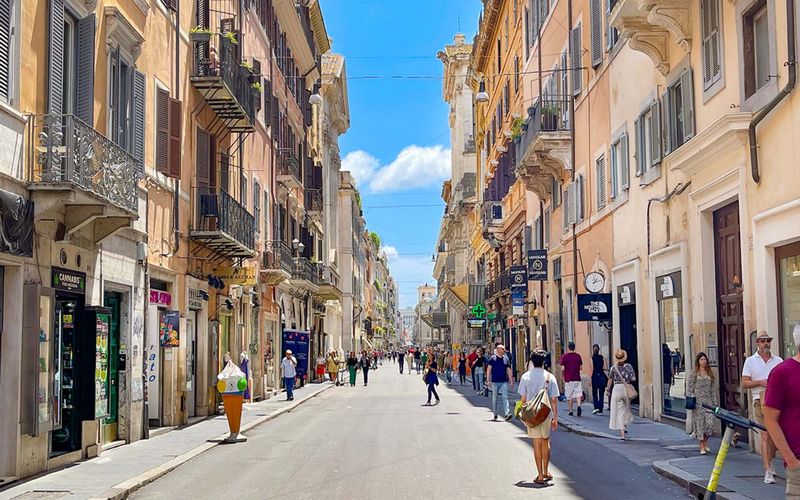
Should you like browsing stores, old rooftops, or just watching folks stroll by, Via del Corso ranks among central Rome’s key roads. Stretching out flat and long, it links up notable spots while acting as a main path through the ancient heart. Modern storefronts sit beside structures aged hundreds of years, forming an odd yet sharp mix across time periods. Clothes shops, trinket vendors, alongside antique walls line up close together here. Mornings bring residents doing chores plus visitors wandering around sightseeing. As night settles in, movement eases down – leaving space for quieter moments under warm lights. Music spills from buskers dotted down the pavement, turning a walk into something livelier. Here, the pulse of Rome moves at its true pace.
Campo de Fiori explored
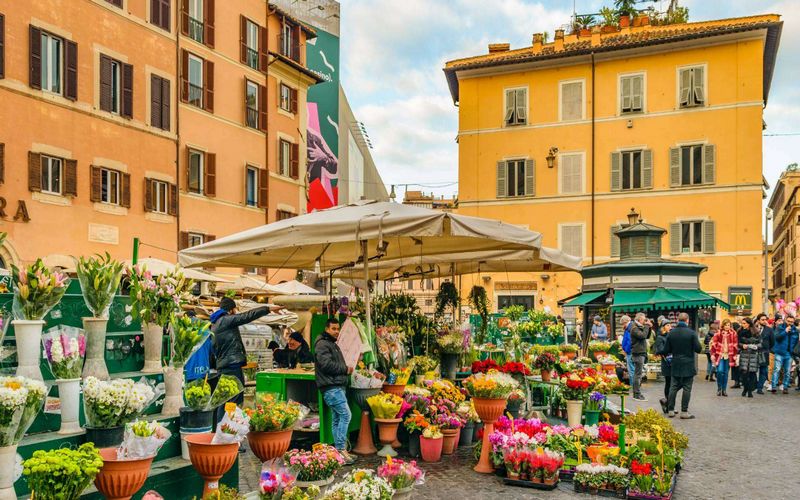
Morning light brings the market to life, where bright awnings stretch over heaps of ripe produce. Right beside them, bunches of flowers rise like bursts of paint against wooden crates. Shoppers move slowly through narrow lanes, pausing at jars filled with herbs from southern hills. Voices bounce off ancient walls – sellers naming prices without shouting, just rhythm. This spot held fires centuries ago, yet now smells only of basil and warm bread. Stone flags remember old silences broken by crowds demanding justice – or wine. Now laughter spills from cafes tucked in corners, mixing with cash registers clicking open. Every basket carried tells a story not about tourists but meals planned for Sunday noon. History stays quiet here, never explained on signs, simply felt underfoot. Evening pulls shadows longer, yet some stalls remain lit as if waiting for one last customer. When dusk falls, stalls vanish, leaving space for eateries to take over the plaza. Shifting from sunlight to streetlights, this spot pulses differently after hours.
Traditional Roman food near you

Near the Pantheon, you will find many small eateries where real Roman food comes to life. Not far off, classic plates like carbonara take center stage – simple on paper, deep in flavor. Some meals rely on four ingredients or fewer, still managing boldness that lingers. Sitting down here means time slows; eating feels unhurried even when streets bustle outside. Seasonal produce shows up regularly, brought in from nearby farms without fanfare. A glass of regional wine might arrive alongside your dish, quietly lifting each bite. Inside, wooden beams cross overhead, giving a lived–in feel that matches the garden tables outside. Taste becomes a doorway when you sit down to eat, pulling Rome’s rhythm onto your plate.
Tempio di Adriano
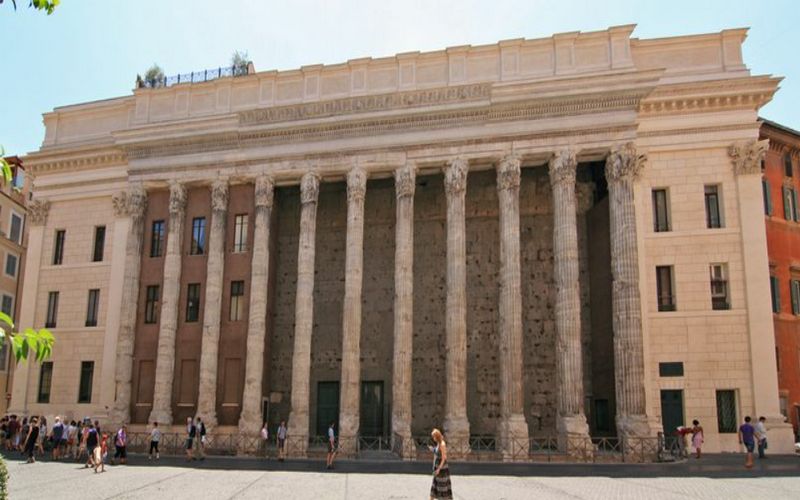
Tucked inside a newer building, what’s left of the Temple of Hadrian shows Rome’s deep roots. A line of tall Corinthian pillars stands in view now, yet these pieces alone suggest how grand the full temple once was. Old fragments built into current designs appear everywhere here, shaping the city’s character. That mix makes clear how change and memory fit together across time. Today, people host art displays and gatherings at this spot, giving old stone new purpose. You can see ages overlap just by walking through one quiet space. Picture this: Rome breathes like a story still being written, not locked away under glass. When darkness falls, the place wakes up – lights carve shadows, shapes come alive.
Largo di Torre Argentina
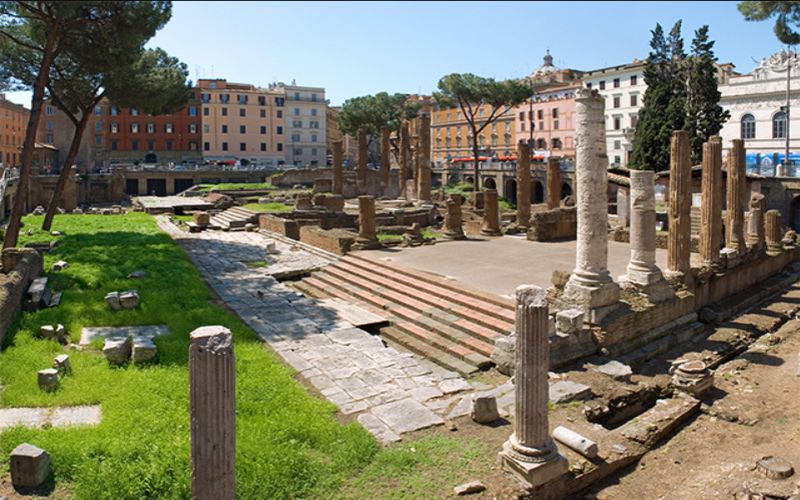
Just past the Pantheon, a brief stroll opens onto Largo di Torre Argentina – home to rubble from four old Roman temples. Here, back in 44 BC, Julius Caesar met his end, marking it firmly in historical memory. Sunken beneath today’s pavement, these fragments rest while cars rush around them overhead. Stone edges worn by centuries stand quiet amid honking horns and hurried steps. Among cracked pillars, a colony of stray cats finds shelter, cared for but free. You might see a tabby stretch near marble columns older than most nations. Time layers itself strangely where echoes of empire meet city noise and purring. Walk past these old walls, then signs step in to tell their story. This place pulls you in – not loud, just steady – where senators once argued and now buses roll by.
Hidden courtyards near the Pantheon
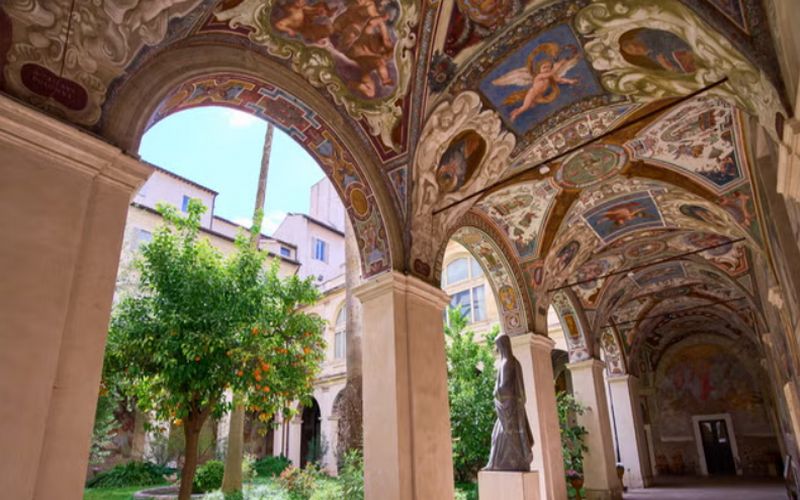
Wandering the narrow side streets brings some of the best moments here. Behind thick wooden doors, large buildings hide calm courtyards – spaces that appear without warning. Fountains sit among ivy-draped walls, with fine stonework catching light in quiet corners. Away from the rush of foot traffic and packed plazas, these spots breathe slowly. A few stay locked to visitors; others allow entry at specific times. Moving through them uncovers parts of the city not seen on maps. Through tight gaps, light spills in sharp beams – perfect moments for photos. To feel Rome’s hushed, personal corners, few things match this.
Church of Sant Ignazio di Loyola
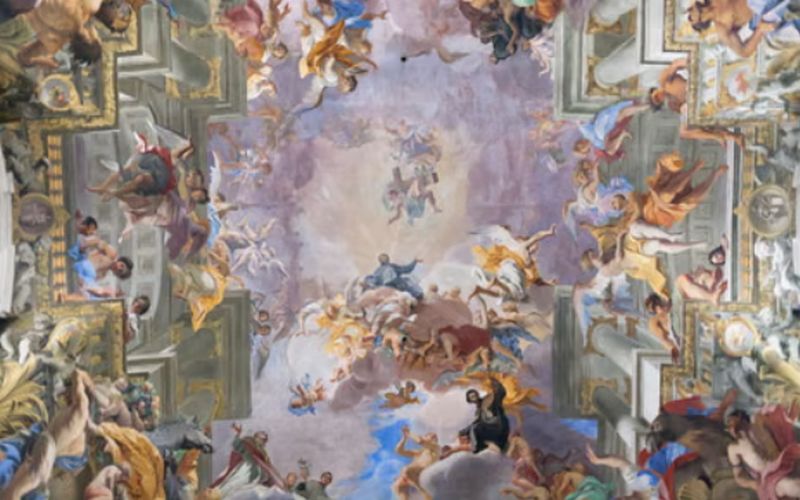
A stunning Baroque church draws attention through painted ceilings that seem to open into a vast dome – though there is no real dome at all. From just the right spot, the scene overhead stretches upward like real architecture. This kind of visual trick stands among Europe’s most skilled uses of false perspective. Inside, surfaces glow with marble finishes, gold trim, and light arranged for strong contrast. Many people pause near the middle of the long hall to take in how space appears to rise beyond its limits. Behind the design lies the drive of the Jesuits to shape art with bold impact during the 1600s. Hidden mirrors help visitors see the artwork on the ceiling better. What you get is equal parts design brilliance and creative vision.
Sunset Near the Pantheon
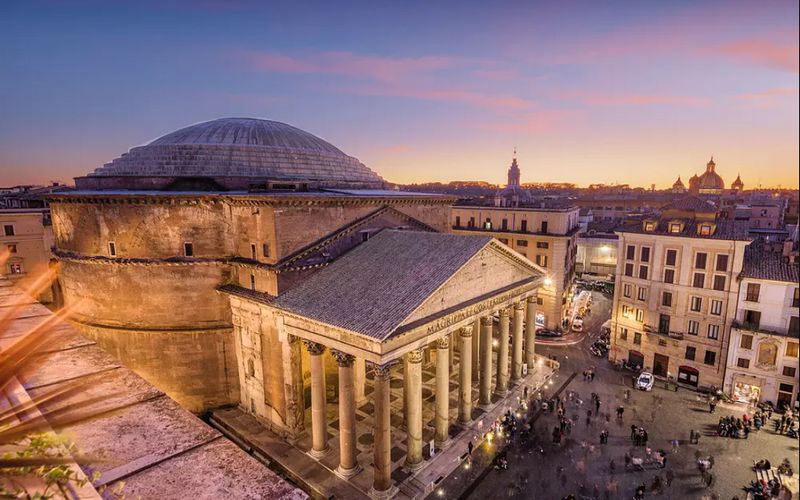
When dusk comes, heading back toward the Pantheon shifts everything. Golden sunlight bounces on old stone walls, wrapping the streets in soft amber tones. As people drift away, silence settles into the open space. Light spills from streetlamps, shaping shadows along columns and arches. With daylight slipping, the temple’s dome grows bold against the darkening sky. Those who shoot photos wait here, watching how color bleeds across clouds. Here, dusk slips in like a quiet promise. As daylight fades, something gentle takes hold – different from morning, softer than noon.
End the day with gelato
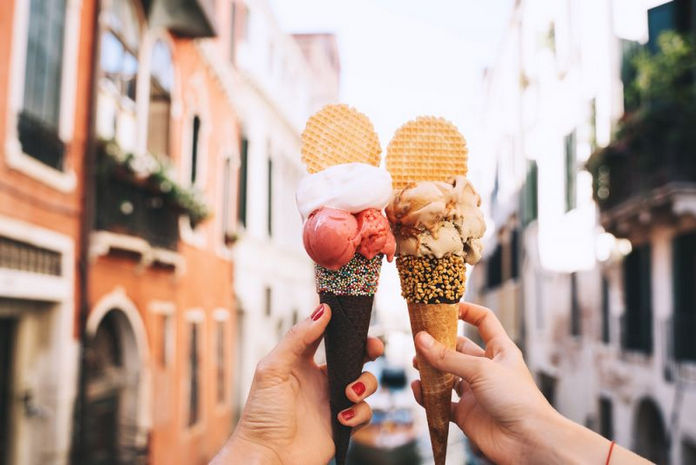
A trip to Rome feels unfinished unless you taste real Italian gelato. Near the Pantheon, quiet lanes hide small shops where skilled makers craft frozen treats using time–honored methods. Instead of mass–produced versions, these spots rely on fresh materials sourced locally. You might find creamy pistachio sitting beside delicate lemon sorbet depending on the season. Each batch arrives early each morning, churned slowly to keep it smooth. Holding a cup while strolling under golden streetlights adds warmth to cool evenings. Some travelers return again and again to savor one special flavor before heading back home. Warm light settles over the streets, softening every corner. A slow rhythm takes hold once the crowds begin to fade. This moment feels right after hours of walking ancient paths.