Barcelona
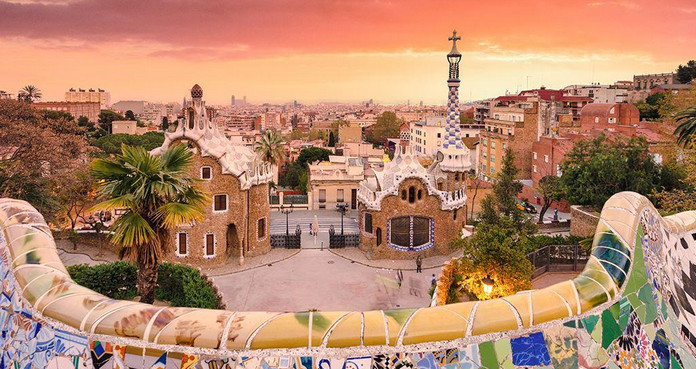
Out here, beauty doesn’t shout – it hums through tiled rooftops and winding alleys. Gaudí left his mark everywhere, especially at the towering Sagrada Família, where light cuts through stained glass like whispered secrets. Walk uphill and colors explode in Park Güell, a playground of mosaics perched above the skyline. Down near the coast, Casa Batlló ripples like something alive, its facade curving under sea–blue tiles. These places aren’t just seen – they pull you in, year after year, visitor after visitor. But look closer, past postcard sights, and creativity pulses in graffiti–lined corners and tucked–away boutiques. Each neighborhood speaks a different dialect of life – Gràcia whispers calm while El Raval shouts rhythm. It’s never quite old, never fully new – the way old stone meets neon signs without blinking. One moment feels ancient, then suddenly electric, as if time forgot to choose a pace.
Winding lanes and old plazas in the Gothic Quarter pull you straight into Barcelona’s centuries–old rhythm, where time feels still yet moving. Minutes from downtown, shores such as Barceloneta open up with sand and sea, offering cool relief once walking tires out legs. As night falls, small eateries hum – plates pass hand to hand while tunes drift through open windows, voices blending without effort. Watch someone juggle near cathedral steps; feel baskets brush your arm at outdoor stalls when dusk warms the air. Culture lives loud here – not locked away but served on plates, sung in alleys, felt under bare feet on sun–warmed stone. Here, time slips into film–like frames, each one worth holding onto. Visitors find themselves drawn into the city’s pace – calm, steady, shaped by the sea.
Madrid
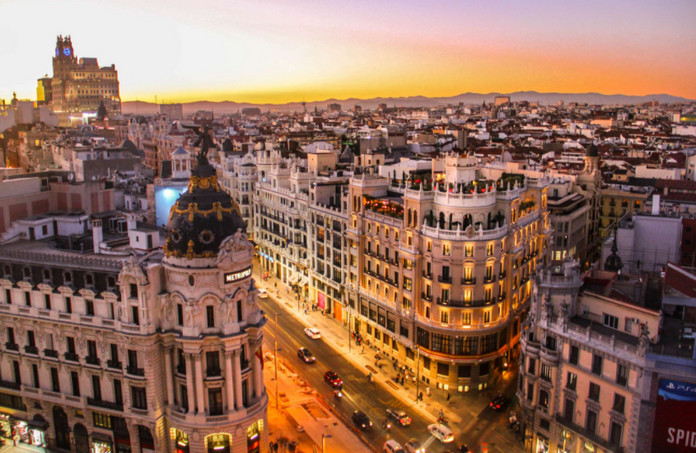
Madrid beats fast, full of motion, shaped by layers of past and present. Centuries of European painting live inside the Prado, Reina Sofía, Thyssen-Bornemisza – each museum a world on its own. Because of these places, people drawn to stories in paint find themselves lingering longer than planned. Wide avenues unfold beside grand palaces, while plazas hum even after midnight. You might arrive curious, yet leave feeling like you’ve slipped into daily rhythm without effort. Situated in the middle of the country, it pulls together voices from every corner, not just artists but lawmakers too.
Wandering around Retiro Park or sitting with coffee in Plaza Mayor lets you feel how people live day to day. As night falls, small eateries pop up everywhere, rooftops fill with voices, while flamenco music spills from old doorways. Energy stays high after dark, sometimes going strong until sunrise. People here thrive on connection, meeting often in streets and squares. A short stay wraps art, flavor, and motion into one steady pulse. Out here, each road hides a fresh surprise around the corner. Nights hum just as loud as days, perfect for those who thrive where things keep moving.
Seville
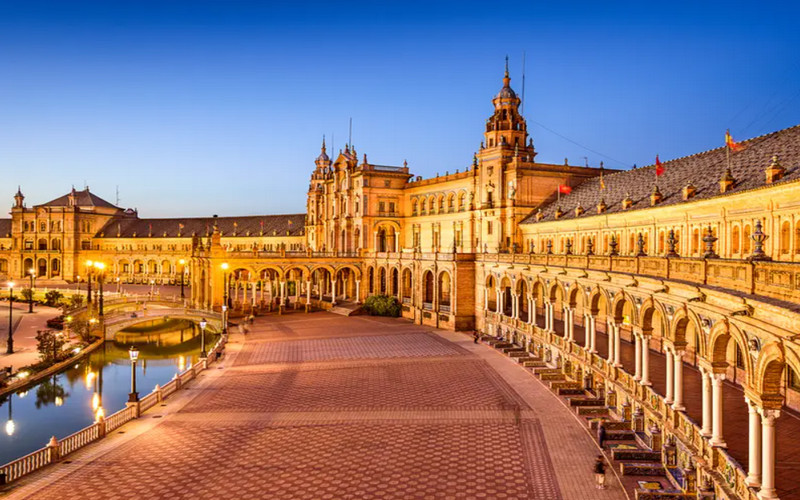
Warm breezes carry the scent of blossoms through narrow lanes where time seems to pause. Centuries echo in stone towers rising above gardens tangled with ivy. Life moves gently here, shaped by rhythms older than memory. Towers once ruled by kings now watch over terracotta rooftops glowing at dusk. Spring paints the streets gold as petals drift from orange boughs after rain. History layers itself quietly – Moorish arches beside vaulted chapels built long after. Romance lingers not because it’s advertised, but felt – in alleyways lit by candlelight, in distant guitar notes after midnight.
Wandering into the Santa Cruz Quarter – tight lanes, bursts of flowers spilling from courtyards – feels like stepping inside a postcard that never gets old. Flamenco here isn’t performed; it erupts, raw and close, in tucked–away spots where walls seem to breathe along with the music. Because the sun lingers so long, people spill outside, turning squares into stages well past dusk. Clatter of hooves on cobbled edges pairs with quiet steps by the river, each sound part of the rhythm. Old alleys hum with stories, art sticks to every corner, energy pulses underfoot – ideal when leaves shift or buds return. Out here, corners look painted by old tales. This place sticks inside you long after you walk away.
Valencia
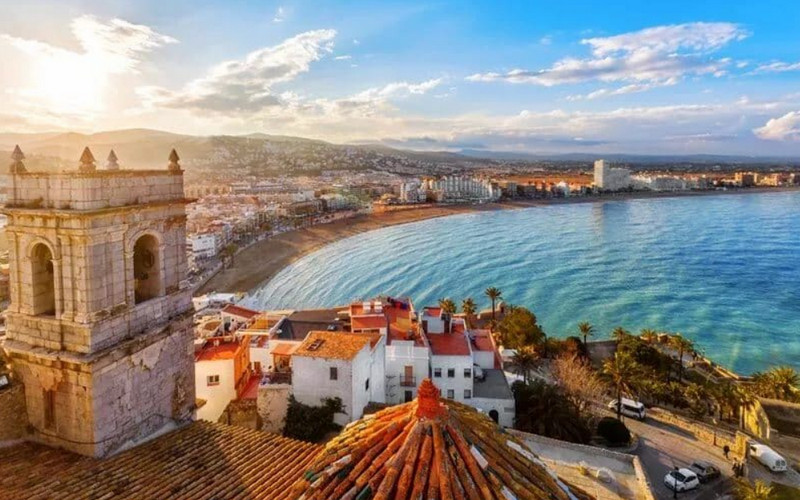
Sunshine lingers longer here, where narrow lanes of worn stone wind past weathered churches older than memory. Ahead rises a cluster of sweeping curves and bright white forms – the City of Arts and Sciences – its domes and pools reflecting sky like something dreamed up yesterday. Though history clings to cobblestones and corner shrines, glass–fronted galleries pull light into sharp focus. Among palm trees and tiled benches, people sip slow mornings away under wide open skies. Far from the rush seen elsewhere along the coast, life moves at its own quiet rhythm. Old doors stand beside sleek facades, neither apologizing nor trying too hard. Surprising how silence fits between echoes of ancient bells and hum of modern foot traffic.
Sunset walks stretch across Malvarrosa Beach, where waves slow down time. Swimming feels natural here, water meeting sand without hurry. Paella began in these streets, rising from humble kitchens into something travelers seek out. Food pulses through Mercado Central, baskets filling with fish caught at dawn. Bright stalls hold tomatoes still warm from the sun. Fire dances during Las Fallas, lighting up narrow lanes one night after another. Art burns fast, gone by morning, leaving smoke and stories. People gather not because they have to, but because rhythm pulls them outside. Flavors linger longer than expected – saffron, sea salt, memory. Coastal light hits buildings just right near noon. Culture does not shout; it simmers instead, quiet beneath footsteps. Peace settles in fast, yet wonder stays close behind. Each trip plants a quiet wish to come back again.
Granada
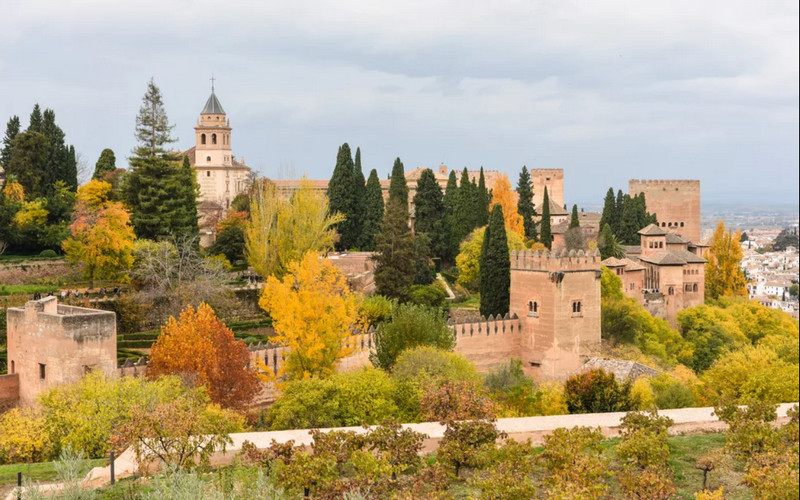
Down near the Sierra Nevada’s base sits Granada, famous for the dazzling Alhambra – a royal compound showing off peak Islamic design. Though centuries old, its detailed stonework, quiet inner yards, and lush green spaces still impress visitors today. Because layers of past lives mix here, the air hums with older rhythms, not just modern steps. While peaks wear snow like crowns far behind rooftops, the land shapes how people live below. Even narrow lanes seem full of memory, each turn revealing something worn but meaningful. Here, history isn’t shouted; it lingers quietly under arches and within walls.
Winding paths through the old town lead past steaming teahouses, then open up to lookouts like Mirador de San Nicolás – each turn feels unplanned but right. Music spills from doorways in Sacromonte, where flamenco pulses inside homes carved into hillsides. Bite into plates at tiny tapas spots; most meals come paired with a drink, included without mention. Centuries mix quietly here: tiles echo Andalusia, voices carry hints of older tongues. Though small on maps, every alley holds something waiting just behind sight. Looking out from any spot, old stories rise through quiet streets. Calm settles here, yet something stirs beneath the surface.
Bilbao
Built beside winding waters, Bilbao shifted gears from steel and ships to art–filled streets. Home to the bold curves of the Guggenheim, it draws eyes with daring shapes and global artworks inside. Though rooted in Basque customs, its look now leans forward, shaped by fresh ideas. Factories once echoed where galleries stand today, marking a quiet but deep change. People talk about this place like it cracked the code on city comebacks. Rising around it, soft hills wrap the skyline, bringing calm contrast to busy sidewalks.
Old lanes and districts hold tight to the city’s character, shaped by years gone by. At La Ribera Market, colors burst from baskets while voices rise above stalls full of just–harvested goods. Bites at pintxo spots deliver bold flavors, each one an open door into regional taste. Along the water, pathways unfold beside buildings that twist skyward in surprising forms. Past meets present here – not clashing but breathing together – giving the place its pulse. Surprise lives in every street here. Where culture stands tall, shaped by change over time.
Málaga
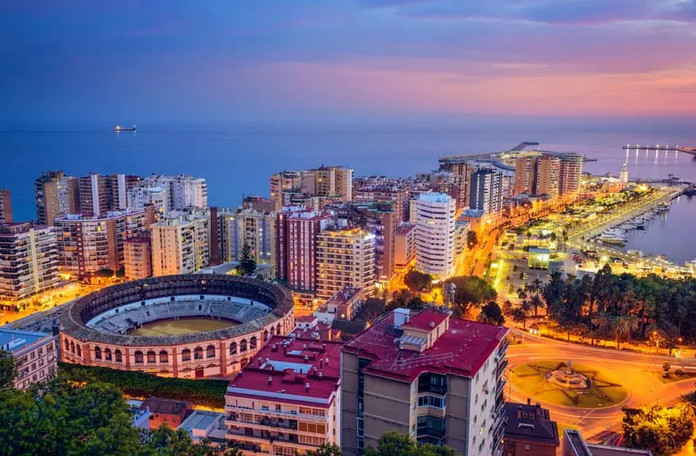
Sunshine pours over Málaga, where golden sands meet deep–rooted traditions. Born here, Picasso left behind more than paintings – his spirit lingers in every room of the museum named after him. Art isn’t just displayed; it pulses through the streets, shaping how people live and see the city. Few places boast so much light – three hundred sun–filled days stretch across twelve months. Because of this rhythm, travelers return again, often staying longer than planned. Along the shore, new flavors emerge: kitchens fire up beneath open skies, seating spills onto stone paths. Change moves quietly, yet steadily, reshaping corners without erasing their past.
Perched high above the streets, the Alcazaba and Gibralfaro Castle speak of Málaga’s days under Moorish rule while unfolding sweeping cityscapes below. Wander into the old quarter where lively markets meet cozy tapas spots that hum with local chatter and rich scents. Down by the sea, wide walkways stretch beside shimmering water – perfect for strolling when sun dips low. Season after season brings music, dance, and celebration rooted in tradition yet alive with modern rhythm. Art whispers through museums, history lingers on ancient walls, beaches warm beneath steady light – all blending quietly into one place you move through at your own pace. Warmth lingers in each step taken here, where old ways meet new travelers without effort. Bright moments arrive like sudden light, crisp air filling every corner of the stay.
Salamanca
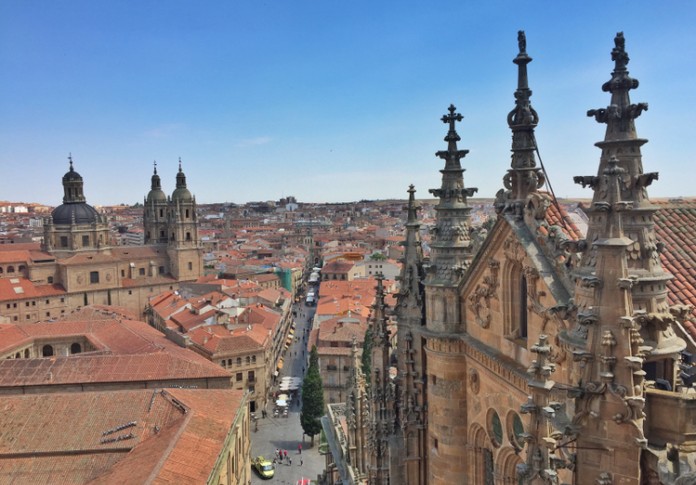
Sunlight warms the honey–colored stone buildings in Salamanca, giving the city a glow all its own. Home to one of Europe’s earliest universities, it breathes centuries of learning through every alley. At its center lies the Plaza Mayor, a gathering spot buzzing from morning until late at night. People drift here – students between classes, neighbors catching up, travelers pausing mid–step – not because they must, but because it feels right. Balance defines the square; arches curve with quiet confidence, drawing eyes without demanding them. This rhythm of study pulses beyond lecture halls, shaping how cafes hum and bookshops linger open. Youth fills the streets, restless and curious, keeping things shifting just enough. History doesn’t sit behind glass here – it walks beside you, worn into walls and whispered in dialects shaped by time.
Strolling past the old university halls, you step into layers of learning shaped over hundreds of years. Not much ground to cover here – that’s why walking fits so well, letting time unfold at its own pace. Tucked–away yards and hushed lanes appear suddenly, giving breathers amid the wandering. Sipping coffee or flipping pages in a shop adds texture to the air, like thought has settled into the walls. History wraps around Salamanca, making weekends feel full even when days move slow. When the sun dips low, the way light touches stone stays with you. Beauty lives here, mixed with old wisdom, shaped by quiet grace.
Córdoba
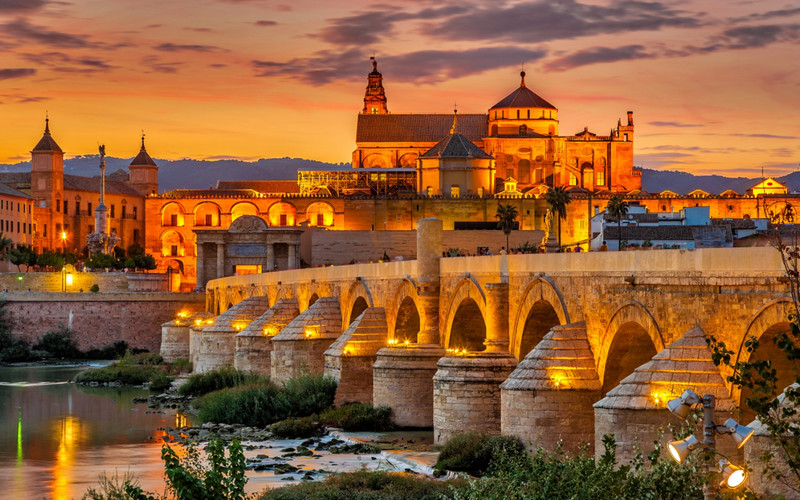
In Córdoba, traces of Islamic, Christian, and Jewish life sit side by side without effort. Inside stands the Mezquita – Spain holds few sights like it – with rows of stunning arches and fine patterns carved into stone. Once a mosque, later made cathedral, its walls tell shifts across time. Wander the old quarter, recognized globally for its preserved past, where bright white homes line tight alleyways. A quiet mood lingers here, close and full of memory. Centuries of shared living show themselves around each bend.
Flowers spill across courtyards here, making Córdoba bloom brightest when spring festivals arrive. Wander through tiny plazas where shade stretches long down quiet lanes. Meals unfold slowly inside snug bars, rich with tastes rooted deep in southern Spain. Along the water, stone bridges frame rippling reflections under open sky. Time moves softer in this place, yet leaves a lasting mark. Walking here takes you into older days, right where past lives breathe through stone and shadow. This place suits those who want real stories, not recreated ones.
San Sebastián
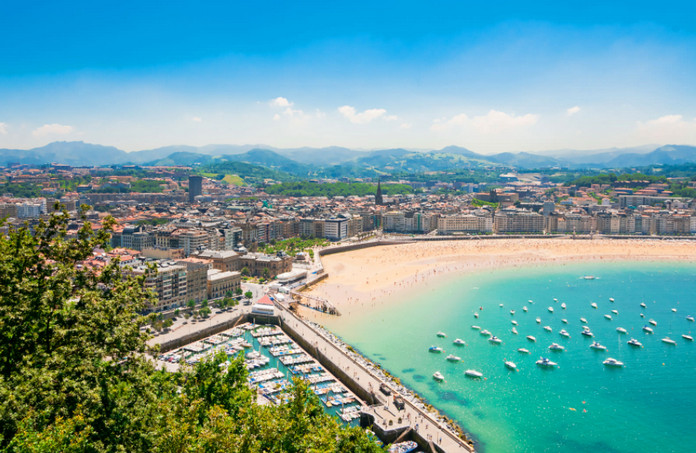
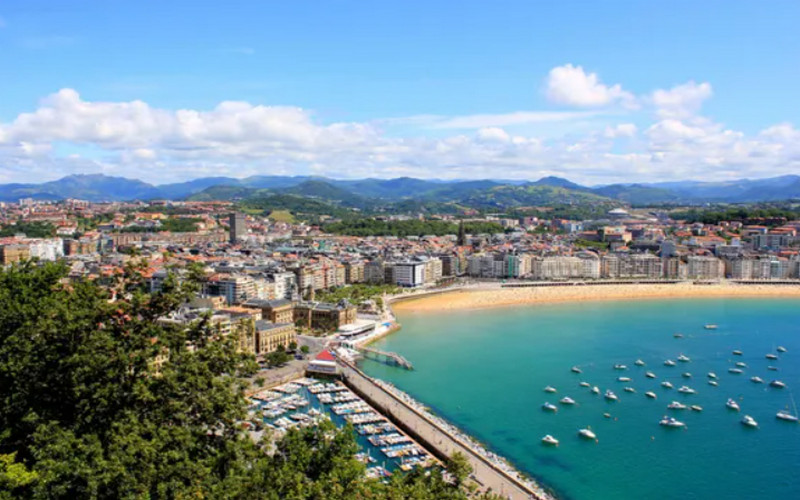
On the northern coast of Spain, tucked within the Basque region, lies San Sebastián – a place known more for quiet charm than loud fame. Near the water, La Concha stretches wide, often praised as one of Europe’s finest city–backed shores, ideal for slow strolls under pale skies. Food here speaks louder than words, with tiny flavor–packed bites called pintxos stealing attention across narrow streets. Instead of flashy towers, it offers soft elegance – hills curving around the bay like arms holding something precious. While some cities rush, this one breathes steadily, balancing polish with ease. What stands out isn’t grandeur but balance: sea meets stone, energy finds calm.
Wander through narrow streets where pintxo bars buzz with energy, serving tiny plates that rank among Spain’s best. Every year, filmmakers and stars arrive for the San Sebastián International Film Festival, turning heads worldwide. Along the shore, walkways stretch beside crashing waves, framing sunsets ablaze above the ocean. Grand buildings rise quietly, whispering stories of noble visitors drawn by sea air long ago. A short stay here wraps food, landscape, and art into something hard to forget. Each time you go, it seems polished but never cold. This place sticks in your mind like few others along the Spanish shore.