The Alhambra, Generalife, and Albayzín (Granada)
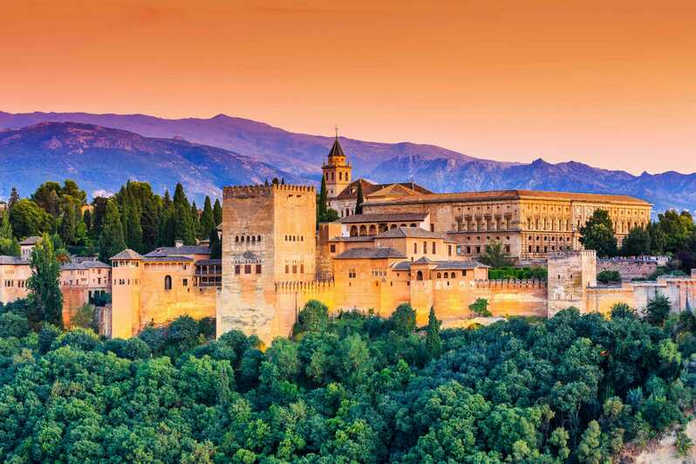
Hardly any spot shows Spain’s mix of cultures quite like Granada’s Alhambra. Inside this old Muslim palace, detailed carvings line quiet yards where snowcapped mountains fill the horizon. Light dances on pools while shapes repeat in endless patterns, giving a dreamlike hush. Each curved doorway, every carved phrase whispers secrets of Nasrid elegance long past. Still today it pulls crowds from distant lands, standing among Spain’s top sights.
Nearby, the Generalife gardens unfold quietly, filled with splashing fountains and blossoms that edge winding paths, originally built as a cool escape for Nasrid royalty during hot months. On the opposite hillside sits the Albayzín, where tight alleys twist between pale homes, echoing centuries of change beneath red–tiled roofs. More than stone and arches, the Alhambra carries meaning, shaped by time into something people recognize far beyond Spain. Moving through them one after another, spaces tell stories – not all spoken – of how lives unfolded across ages in this southern city. Floating through the air, orange blossom perfume mixes with the murmur of moving water. As light fades, gold spills across every surface, wrapping the place in quiet warmth.
Works of Antoni Gaudí (Barcelona)
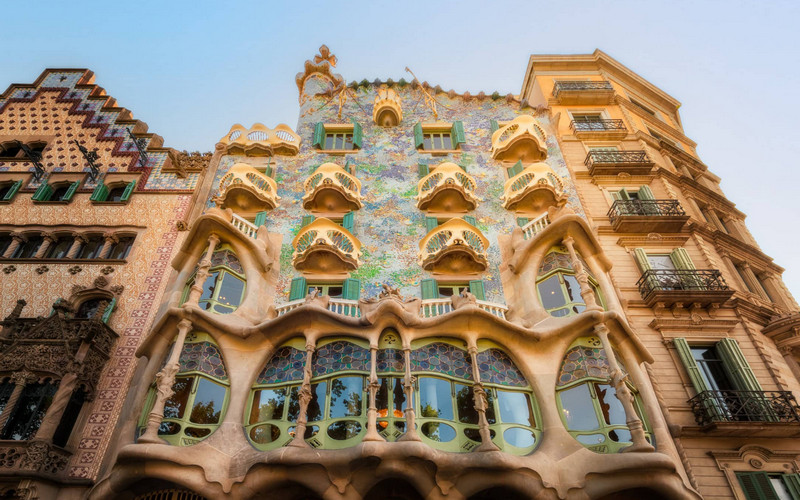
What makes Barcelona’s skyline stand out? Part of the answer lies with Antoni Gaudí, an architect who ignored standard rules. Not one to follow trends, he shaped buildings that twist like trees and glow with color. Seven creations bear UNESCO status – Sagrada Família among them, also Park Güell, Casa Batlló included. Look closely. You’ll see curves instead of corners, mosaics spilling across rooftops. Nature fed his imagination: seashells, bones, plants found their way into stone. Faith ran deep in his work, yet so did daring structural ideas ahead of their time. Today, long after his death, the city still carries his mark.
Out there rises the Sagrada Família, unfinished yet immense, its peaks clawing at the sky while carvings cover every face below. Gaudí shaped each form like nature itself had whispered the plans – twisting, growing, alive with meaning you can touch. Walking through feels less like touring a building more like wandering inside someone’s endless imagination. Inside, thick pillars stretch upward, splitting into limbs overhead, much like trees holding up an underground canopy. His gift wasn’t only vision but fusing earthy shapes with bold structure and color that speaks without words. Colors shift and dance when sunlight passes through the colored windows. A hundred years haven’t stopped builders from still working on it, layering new chapters into its long story.
Historic City of Toledo
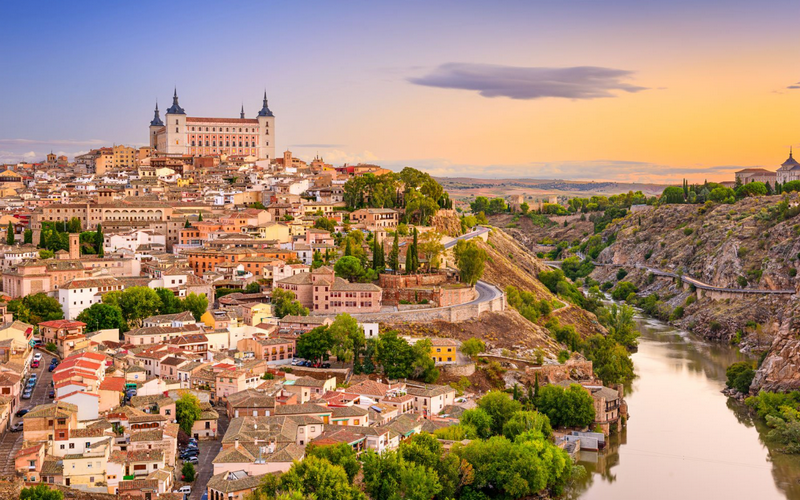
Perched high on a hill, Toledo shows its past in every turn you take. Though time moved forward, the place held tight to who it was. You see old stones speaking of Christian, Muslim, Jewish lives lived close, one after another. Along the Tagus, bridges stretch across like threads from long ago. Walls stand where people once gathered under different names, yet shared ground. Each street unfolds slowly, revealing layers built by hands now gone. Not much flash, just quiet depth found in doorways and arches. Skies frame rooftops shaped by years no book can fully tell. Step here, then there – each moment pulls you deeper without saying a word. A museum? Maybe. But alive, breathing, never frozen.
Winding through old stone paths, the town wraps itself around towering churches built long ago. Above them stands a castle that watches over everything like an ancient guard. Paintings by El Greco hang quietly inside, bringing depth without saying much. It’s not just size or age but how tightly packed stories fit together here – Muslim prayer halls sit near Jewish houses of worship, close enough to touch. Down below, tucked between walls you almost miss, small yards open up where craftsmen shape metal and wood. Perched high on rock above slow river bends, every turn feels accidental yet familiar. Out here, old and new buildings stand together like quiet neighbors. When darkness falls, lights turn streets into glowing veins, softening every corner.
Santiago de Compostela (Old Town)
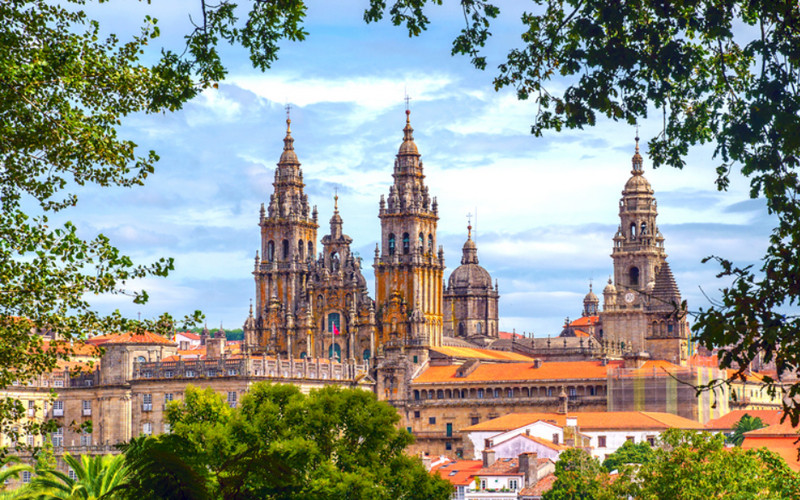
Long ago, people began walking from many parts of Europe toward Santiago de Compostela, drawn by stories and faith. Though the path stretches far, most who walk it speak little of distance – more about quiet mornings, sore feet, and shared bread. The old cathedral stands where legend says Saint James rests, its stone worn smooth by time and touch. While some come for belief, others arrive searching without knowing what they seek. Because every footstep matters, completion feels less like victory and more like return. Trails feed into streets, bringing faces weathered by sun, wind, or thought. When so many pass through, the town learns their rhythm – the pause before crossing bridges, murmured thanks at shrines. Even those who never planned to weep sometimes do, standing near that ancient door.
Stone arches, golden carvings inside, along with a front covered in intricate shapes define its holy beauty. Winding paths crunch underfoot here, where ancient courtyards sit beside quiet religious houses. Arriving seeking peace or simply looking around, the weight of years stays long after leaving. All morning and into evening, chimes rise above tight lanes between buildings. Galicia’s old recipes bring something extra to the moment. When it rains, the streets feel deeper somehow.
Roman Aqueduct of Segovia
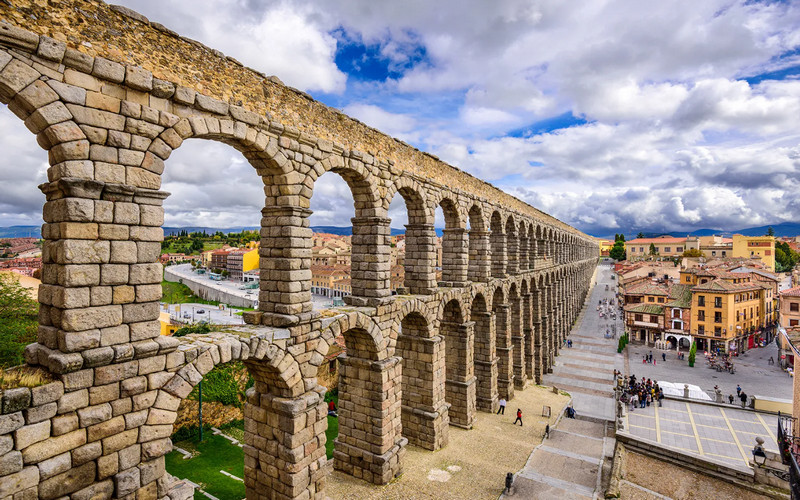
Standing tall in Segovia, Spain’s Roman past shines through its towering aqueduct – one of Earth’s most complete examples of ancient engineering. Built without mortar, this hulking stone frame cuts across the downtown skyline like a fossilized river. Nearly two thousand years haven’t softened its sharp lines or cracked its rhythm. Experts still pause at how tightly each block fits – no gaps, no give. Empire once stretched far – and proof walks right through town. In few cities does such oldness feel so ordinary, so near.
One morning long ago, workers set stones atop one another across more than 800 meters, forming a line of high arches above what is now an old city. Without using any binding paste between blocks, they built something meant to last – still standing centuries later thanks to exact workmanship. More than just pipes carrying water once upon a time, it has become a bold landmark shaping how people see Segovia even now. A clear sign of Rome’s lasting mark on Spanish land shows itself here in stone and shadow. Light bends sharply around its frame when day begins or ends, making outlines sharp against the sky. Life spills into the open squares nearby, where old whispers meet today’s rhythm. Still, it ranks among Spain’s best–known sights through a lens.
Historic Centre of Córdoba
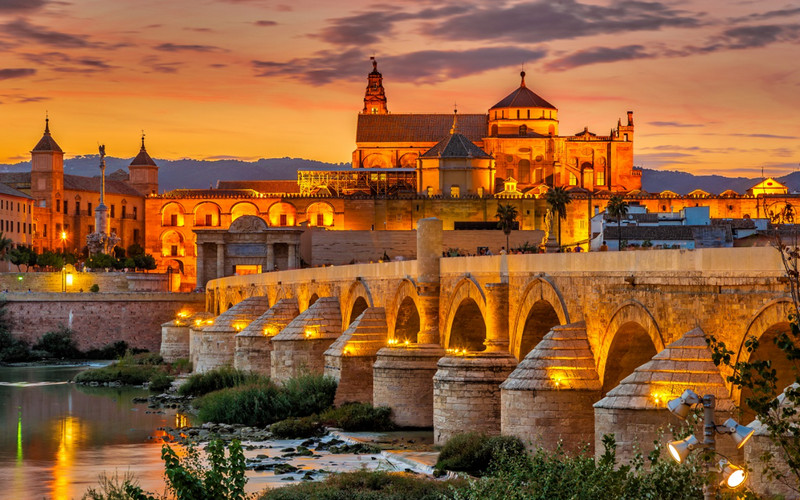
Old Córdoba feels like walking through pages of a shared past. Its heart beats inside the Mezquita-Cathedra – not many places on Earth match its quiet power. First rising as a mosque under Umayyad rule, centuries passed before it became a Christian place of worship. That change tells more than religion, hinting at shifts beneath the surface of time. Few buildings show how faiths can sit side by side quite like this one does.
Down the middle, red-and-white curves pull your eye forward, one after another. A Renaissance church sits inside the old mosque, showing how time built upon time here. Walk the narrow lanes of the old Jewish neighborhood, where flower pots spill over in courtyards. Spring brings the smell of jasmine drifting through alleyways. Sunlight bounces off pale walls, sharp and bright under southern skies. The Patios Festival paints the town with blooms, voices, movement. Stone bridges from long ago stretch across the river, quiet witnesses. Each step uncovers something older beneath the surface.
San Millán Yuso and Suso Monasteries (La Rioja)
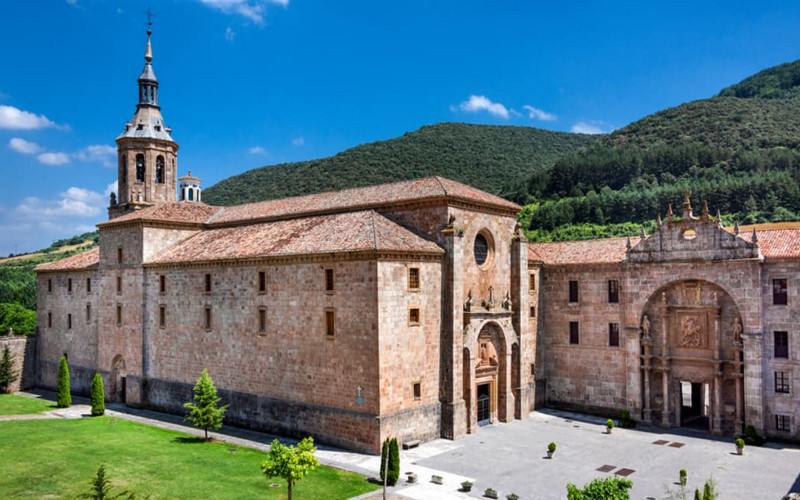
Hidden away in the hills of La Rioja, the monasteries of San Millán de la Cogolla stand quieter than Spain’s grander landmarks – yet matter just as much. Though smaller in fame, their weight in history is deep. It was here that early forms of Spanish first took shape on paper. Because of these walls, words began to settle into what would become modern Castilian. Pilgrims still come, though not always for prayer – for some, it’s the origin of a language they seek. What lives inside these stones isn’t only faith, but the quiet start of speech itself.
Hidden among quiet hills, the Glosas Emilianenses stand as the oldest known traces of Castilian, penned during the 1000s. With stone walls shaped by Romanesque hands and later touched by Baroque detail, these monasteries breathe centuries through their halls. Far from noise and rush, the land around them holds stillness like a secret. Because of ancient script and silent woods, those drawn to words and time find something rare here. Not loud, not crowded – just trees, old stones, and echoes. Quietness settles in fast, pulling thoughts inward. Where words meet time, something softer begins to show.
Ibiza’s Biodiversity and Culture
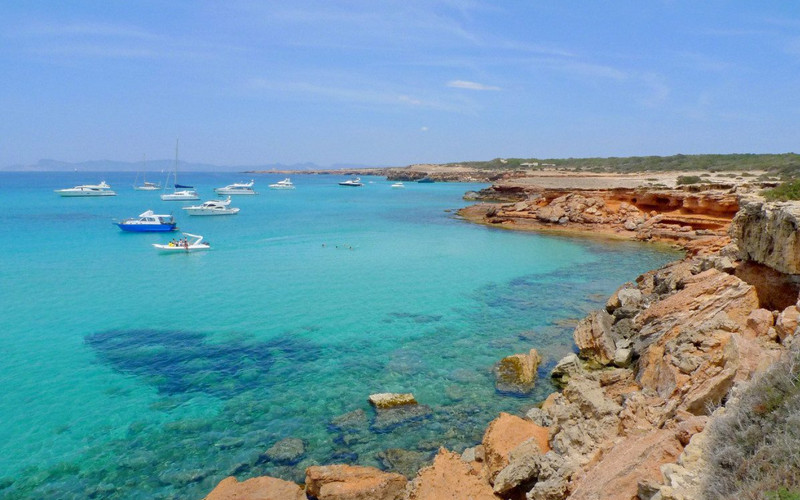
Some of Spain’s UNESCO spots aren’t built by people – take Ibiza, where nature and culture share the spotlight. Its ancient core, Dalt Vila, stands out thanks to bold Renaissance defenses shaped by war needs. Stone fortifications rise above sweeping vistas, remnants of long–held power. Winding alleys within tell quiet tales of mixed traditions over time. That historic heart beats differently than today’s party image.
Yet there’s more to Ibiza than music and beaches – UNESCO points to thriving underwater fields of seagrass, unseen but essential. These green carpets beneath the waves clean the water while sheltering countless sea creatures. Instead of just loud nights, think old ruins beside quiet coves where nature thrives undisturbed. Protection work here has quietly shaped how visitors can move through fragile spaces without harm. Rarely does an island mix wild coasts, deep roots, and living seas so completely.