MONTSENY THE SACRED MOUNTAIN
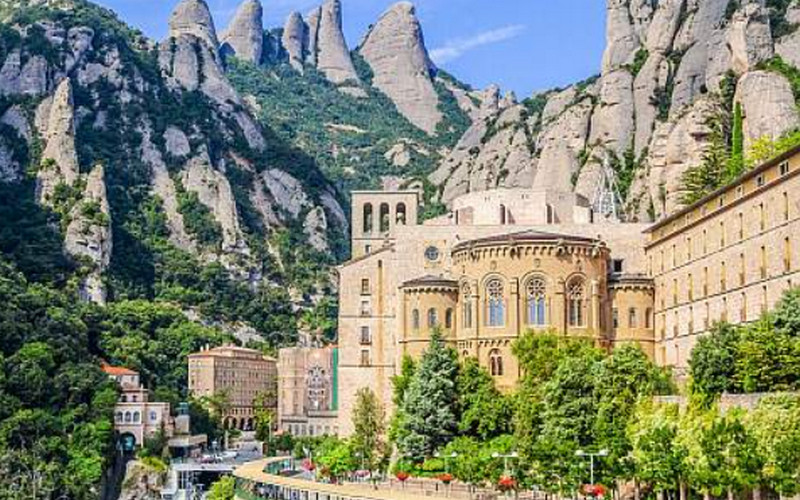
One hour away from Barcelona, Montserrat stands out across Catalonia like few places can. Rising sharply over flatlands, its rough stone edges catch eyes without trying. A monastery named Santa Maria de Montserrat rests on its slopes, run by Benedictine monks for ages now. Inside, a dark wooden figure of Mary draws travelers who walk long roads just to see it
High above the ordinary, Montserrat draws those who seek wild terrain and open air. A climb by rail lifts guests past steep cliffs into quieter realms. Rising on steel tracks, the ride unfolds sweeping sights few expect. Paths branch beyond the station, cutting through jagged stone shaped by time. Some turns reveal still spots where light falls just right for photos. Silence gathers in pockets between rocks, inviting slow breaths and longer pauses. From up there, the world down below seems distant, almost unreal. High up on the slopes, a well-known boys’ choir sings, their voices weaving into the quiet sense of reverence. Adventure seekers, those drawn to heritage, or anyone needing stillness will find something woven together here – distinct, yet whole.
What pulls you there? A mix of ancient roots, quiet reflection, wild landscapes, then trails that keep unfolding. Not just one thing, but how it all folds together – sudden peaks meeting centuries–old stones, silence broken only by wind or footsteps on a path worn deep.
Girona An Old City With Stone Streets And Tall Towers
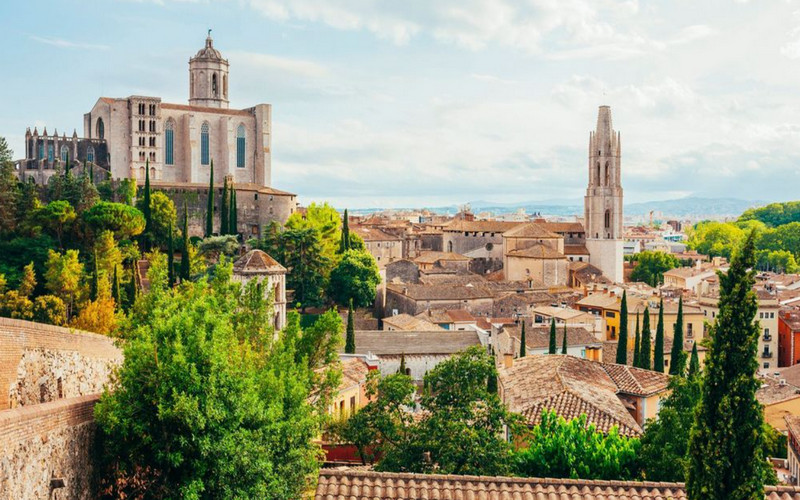
Hidden among narrow lanes and stone steps, Girona sits forty minutes northeast of Barcelona on fast trains. This place pulls travelers who love stories etched into walls and squares long ago. Old pathways twist past homes that have watched centuries pass silently. Church towers rise like quiet guards above rooftops lined with tiles worn smooth. Once home to a thriving Jewish community, its medieval alleyways remain nearly unchanged through time. Some scenes from a famous fantasy show found their backdrop here between arches and staircases few expect. Stone corners once lit by torchlight now catch morning sun at odd angles
Above the old streets rises the great cathedral of Girona, its wide Gothic hall stretching beneath a sky often washed in morning light. Along the Onyar, homes painted bright yellow, blue, or rust–red sit shoulder to shoulder, their reflections wobbling in the water below. From stone pathways built centuries ago, walkers find open sights – rooftop tiles fanned like cards, church spires cutting upward, fields folding into hills beyond. Between narrow lanes, small eating places offer dishes made without hurry: stews, breads, olives placed on wooden tables. Wandering through art galleries gives charm, while tucked–away plazas surprise at every turn. Though packed with sights, Girona keeps things calm compared to Barcelona – perfect for slowing down and staying awhile.
Step into cobbled lanes where time slows down. Picture cliffs tumbling into wild sea views straight out of old films. Stories linger in stone walls, whispered through centuries. Art, music, and tradition weave tightly here – alive, layered, never still.
Andorra Among the Pyrenees
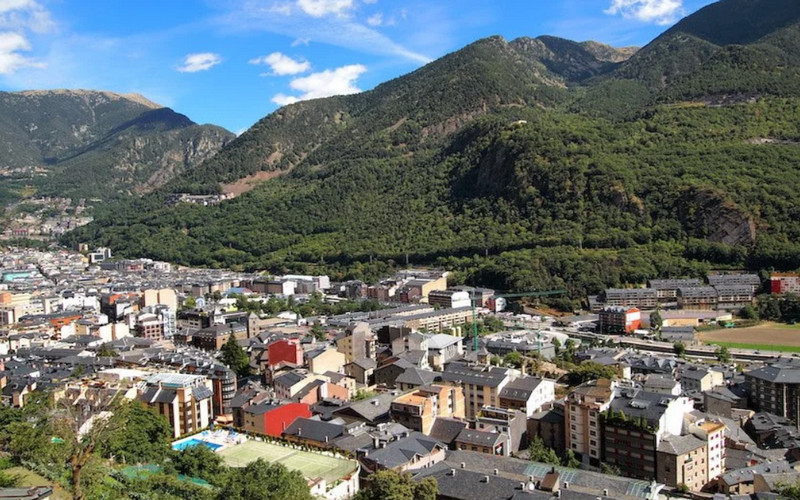
Up in the Pyrenees, far from Barcelona’s seaside vibe, sits Andorra – quiet, small, full of sharp peaks. Just under three hours by road, it stands apart with trails cutting through alpine views that stop you mid–step. Ski slopes here draw people from everywhere, thanks to snow–heavy winters and lifts climbing into clear air. Rugged cliffs, green valleys, a feel unlike anywhere else nearby shape what you find once you arrive
Up high in the mountains, Andorra la Vella mixes sleek stores with old stone houses and quiet walkways you wander through slowly. Beyond it, tiny places like Ordino hold on to centuries–old homes built from rock found nearby. When warm weather arrives, green slopes open up, dotted with bright blue lakes perfect for reaching by foot. Snow covers everything later, turning hills into wide white runs made for skis and boards alike. Shoppers drift between boutiques without taxes adding extra cost, picking up both fine items and things handmade close by. Hidden among high peaks, Andorra breathes a rhythm all its own. Its festivals burst with color, flavors sharp and unfamiliar, pulling travelers off beaten paths. Fresh winds sweep through valleys, carrying silence broken only by distant bells. Scenery here does not just impress – instead it settles into your bones. Every meal tells stories older than roads. Not many places still feel untouched; this one forgets time.
Start here if you want mountains plus stories that stick. A full nation unfolds fast when trails meet traditions beneath crisp highland skies. Breathe deep where adventure walks hand in hand with quiet villages. Culture shows up in small moments – smoke from a chimney, boots by the door. Freshness hangs in every gust rolling down from snowy peaks.
Tarragona Where Romans Built Beside the Waves
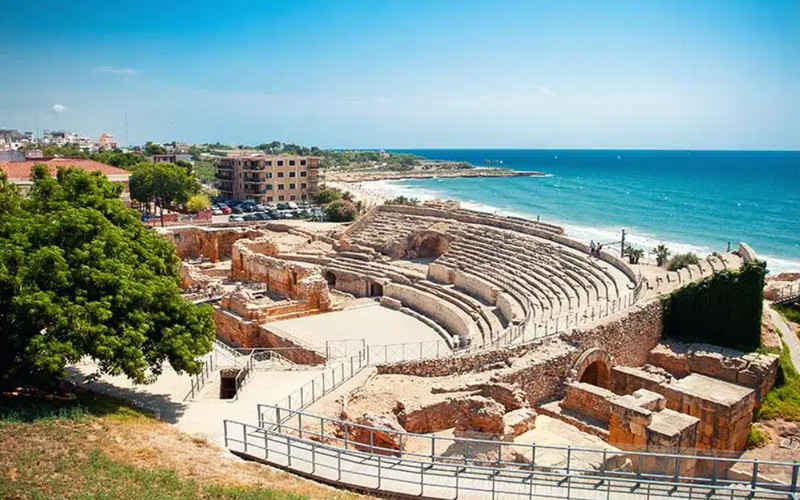
Out here beyond Barcelona, reachable in roughly sixty minutes by rail, lies Tarragona – a place where old Rome still echoes through stone. Not far from the coast, this town holds ruins that speak of ancient power and time worn smooth. Perched above the sea, its amphitheater stands listed by UNESCO, silent yet bold against the water’s edge. Walk further and remnants of aqueducts emerge – once vital veins carrying life across dry land. Temples once hummed with ritual now rest in quiet fragments among modern streets. Walls built long ago to hold off invaders still trace parts of the skyline today
Out here among the old stones, time slows down. Wandering past crooked alleys pulls you straight into centuries–old whispers. A sudden turn reveals the cathedral, standing quiet but bold against the sky. Around corners, small squares hum with coffee cups and chatter. Inside one building tucked beside a cobbled lane, artifacts tell stories without words. Sand meets stone just beyond the ramparts – sunlight on waves after hours of walking ruins. Every now and then, the town comes alive with gatherings honoring its ancient past. Not far off the coast, stone ruins stand beside salt air views – this mix gives visitors a quiet kind of thrill few places manage.
Walk here because ancient paths meet sea breezes, old stones underfoot. Views stretch wide where waves touch cliffs, history humming low beneath your steps.
Costa Brava Rugged Shoreline Quiet Inlets
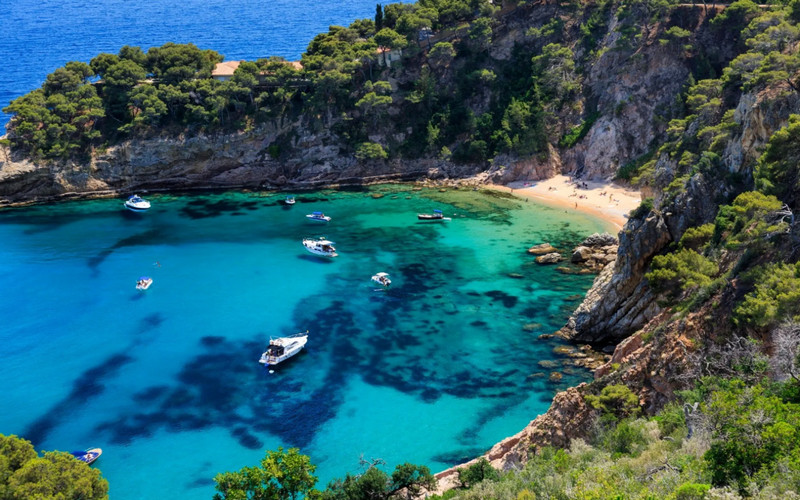
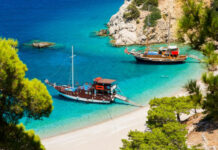
North of Barcelona, the Costa Brava unfolds with jagged cliffs dropping into sharp blue water. Hidden bays appear around each rocky turn. Tiny harbors full of old fishing boats cling to the shoreline. You’ll find Tossa de Mar perched like a watchpost over the sea. Further along, Calella de Palafrugell winds down steep hills in splashes of terracotta rooftops. Then there’s Cadaqués – quiet, bright, half–hidden by curves in the coast. Each place holds its own version of what this stretch can be
One thing about the towns on the Costa Brava – they never feel quite the same. Step into Tossa de Mar and a castle from long ago watches over the waves like it’s keeping time. Over near Cadaqués, painters once wandered these streets; now their spirit lingers where Dalí walked. Picture narrow lanes in Calella de Palafrugell, houses bright white under endless sky, sand so clean it looks painted. Trails twist along the edge of land, revealing quiet bays only reachable by foot. Along the shore, kitchens grill fish just pulled from water, flavors sharp and real beneath wooden awnings. Out on the water, a boat ride pulls you past cliffs where snorkelers drift above rocky seabeds instead of crowded docks. Sunlight hits the shore just right, turning quiet coves into spots where time slows without trying. This stretch of coast holds onto old villages while waves shape hidden inlets below. Adventure shows up quietly – through fins slicing surface ripples or trails that lead nowhere fast. Even doing nothing feels different here, seated on warm stone with salt air moving through your hair. The place sticks around in memory because it never forces anything.
Start here if you want cliffs that drop into the sea, tiny towns clinging to rocky shores. Think water so clear it feels like air. Smell salt on stone walls warmed by sun. Hear waves crack against old harbor steps. Meet people who speak a language older than borders. Feel time slow near fishing nets hung to dry.
Penedès Wine Region Celebrates Catalonia
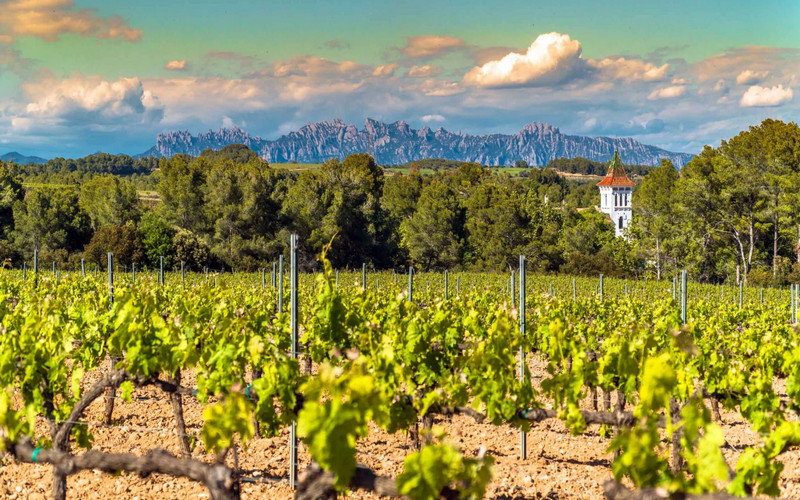
Out near Barcelona, just a short trip away, lies Penedès – a spot known far beyond Spain’s borders. Not long after leaving the city, you step into vineyards where bubbles first took root in Spanish soil. Family hands run many of these cellars, passing down ways of crafting wine through generations. Picture walking stone–walled buildings while sipping crisp whites, bold reds, or the local sparkle that made the land famous. Each pour tells something old, done slow, kept real
Vast rows of vines roll over the hills, shaping a quiet beauty you can walk through. Step inside any number of cellars where staff lead walks through how wine gets made – picking fruit one moment, sealing bottles another. You might find yourself talking directly to those who’ve shaped flavors here for decades, hearing stories passed hand to hand. Nestled between these fields sit small towns full of old stone houses, long–standing homes turned museums, lanes that wind without hurry under open skies. Local cheeses, matched with just–right wines, lift the whole outing. Getting there is smooth – trains, buses, even bikes open up Penedès as a relaxed escape from Barcelona.
Start here if you want cava that tastes like the region itself – bubbly, bright, shaped by sunlit hills. The vines stretch across slopes where air stays crisp, clean. Picture quiet roads leading to cellars carved in stone. Sip what locals pour at family tables. Taste shows terroir without needing a map. Each glass holds months of careful waiting. You find it only where grapes ripen slowly, close to earth.
Vic Markets and Medieval Squares
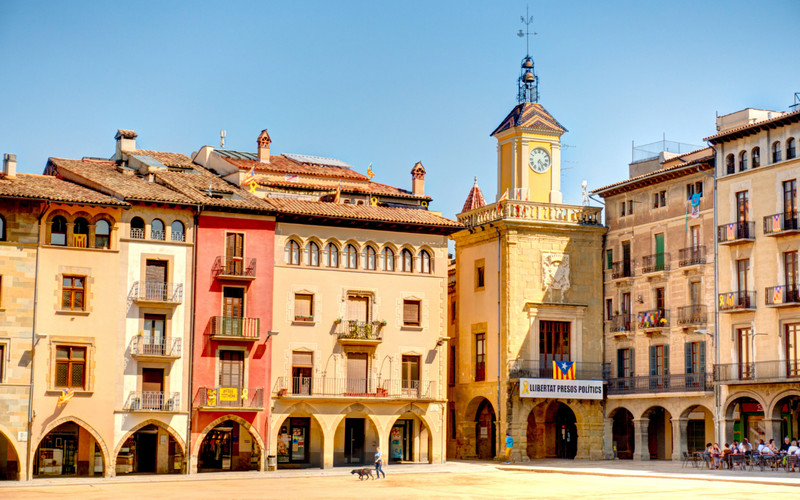
Buried deep in Catalonia’s rolling hills, Vic slips under the radar yet shows real local flavor. Ninety minutes drive northwest of Barcelona, you will find it buzzing every week at the old stone Plaza Mayor. Market stalls pop up each Tuesday, drawing folks from nearby villages. History sticks to the walls here, quiet but clear. The air carries scents of roasted nuts and fresh bread near the cathedral. Few tourists wander these streets, which keeps things true. Life moves slow, shaped by seasons not schedules
For hundreds of years the market has sat at the heart of community life, drawing sellers from far beyond the town borders. Strolling among stalls means finding ripe fruits, handmade crafts, alongside classic dishes from Catalonia, all beneath buzzing energy. Stone by stone, history rises in Vic – echoes of medieval times and Romanesque design linger around corners. The Episcopal Museum stands out, just like the towering presence of Vic Cathedral nearby. Down narrow lanes, facades wear their age gently; plazas appear frozen mid–breath. Among Spain’s regions, one stands out not for speed but flavor – its reputation built on air–dried sausages and dishes passed through generations. While Barcelona pulses with constant motion, here time stretches, voices linger longer at market stalls, mornings unfold without urgency.
Start here if you crave real Catalan roots, centuries of stories baked into stone. Taste meals made right, flavors that stick. Find quiet spots where tourism hasn’t stamped out calm. History lives slow in these streets.
Figueres Home of Dalí’s Surreal Realm
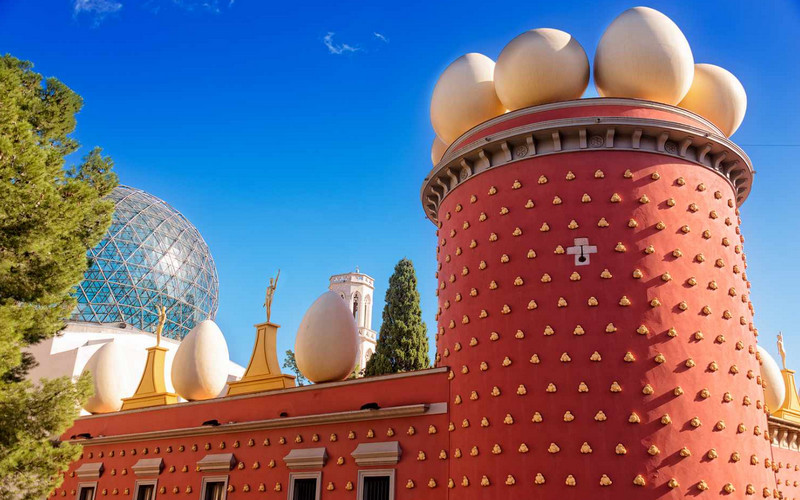
Out here beyond the city bustle, Figueres waits just a ninety–minute drive northeast of Barcelona. A sleepy Catalan spot turns pilgrimage site for lovers of bold colors and twisted shapes. Born right here, Salvador Dalí left behind more than memories – he shaped an entire theater into his own dreamlike gallery. Step inside and walls shift, eyes follow odd angles, spaces blur between real and imagined. His hand guided every curve, each display case holding wild paintings nobody else could invent. Not many places hold so much strangeness in one roof – this one does, quietly, without apology
Surprises wait around every corner inside, where playful setups reveal glimpses of the artist’s wild imagination. Out among the lanes, shop fronts and small eateries dot paths leading past places tied to Dalí’s days. Friendly vibes hum through the air, fed by events and gatherings not always linked to him. Journeys often stretch onward – toward Cadaqués or Portlligat – for those wanting more context behind his work. Among those who enjoy art, many find value in viewing not only his famous works but also the scenery that shaped them. What makes Figueres stand out is how it mixes cultural depth with inventive spirit and local character from Catalonia.
What pulls you there? A chance to step into Salvador Dalí’s dreamlike mind at one of Catalonia’s strangest, most captivating spots. Not just art – more like wandering through a vision shaped by obsession and flair. The place hums with odd beauty, part museum, part maze. You move through rooms that tilt, colors that shout, forms that melt. It isn’t about understanding everything. More about feeling the twist in reality he built. Each corner surprises, stumbles, sings. This is where imagination runs wild without apology.