Playa de las Catedrales (Beach of the Cathedrals), Galicia
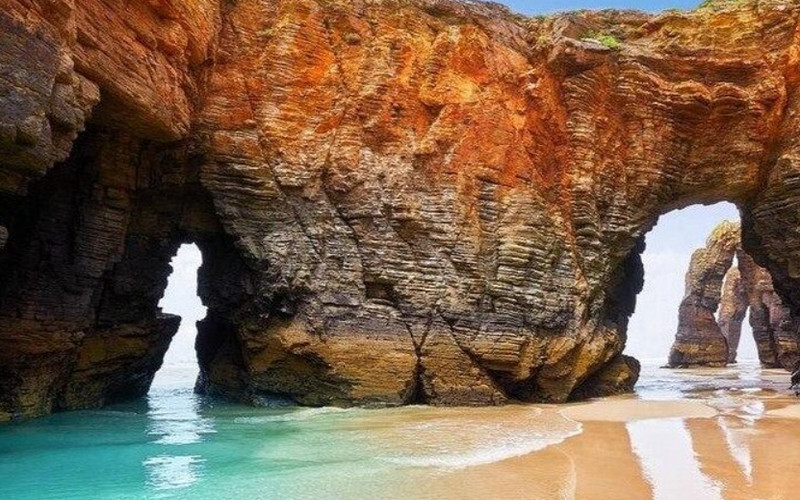
Hidden along Galicia’s northwest coast lies a shoreline shaped by centuries of ocean force. When the water pulls back, massive stone curves rise like ancient rooftops carved by wind and waves. Walking under them feels quiet, almost hushed, as light spills through openings above. Passages worn into the cliffs lead to hidden pockets where sand meets rock. The whole place carries such weight that talks began about joining UNESCO’s protected list. Timing matters most here – rising seas swallow the stretch entirely when the tide turns. Waves from the Atlantic carved these rocks slowly, over countless years. Not one arch looks quite like another, forming passages that feel like ancient outdoor halls by the sea. People who walk here say it’s like moving between massive sculptures made by nature. When skies stay clear, puddles on the sand mirror the shapes and double the view. Light slants low at dawn or near dusk, turning everything sharp and deep for photos.
Albarracín, Aragón
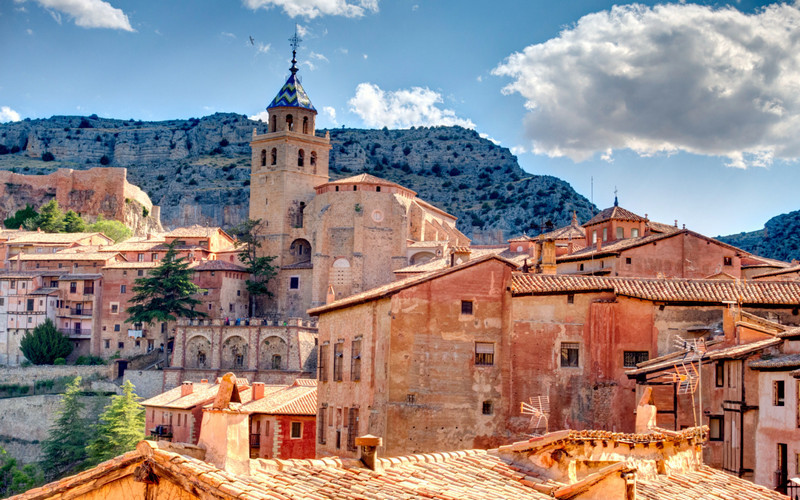
Perched high on a rocky ridge in Aragón, Albarracín looks like something out of an old tale. Its terracotta homes cling to the slope while ancient stone paths wind between them. Sunset paints the buildings in soft pink tones, shadows stretching across uneven lanes. Walls once built for defense now frame views of cliff and sky. Fewer visitors wander here than through Spain’s better–known towns. Stillness lingers in corners where footsteps fade quickly. Beyond the rooftops, wild peaks rise with dense clusters of pines below. Time moves slower within these narrow passages. Up on the hill, the old castle gives wide–open sights across the whole countryside. Step into the narrow streets below, history wraps around you like morning fog. Craftspeople work by hand here just as their families did long ago, keeping things real. When darkness falls, golden light climbs the stone paths, turning quiet corners alive.
Las Médulas, León
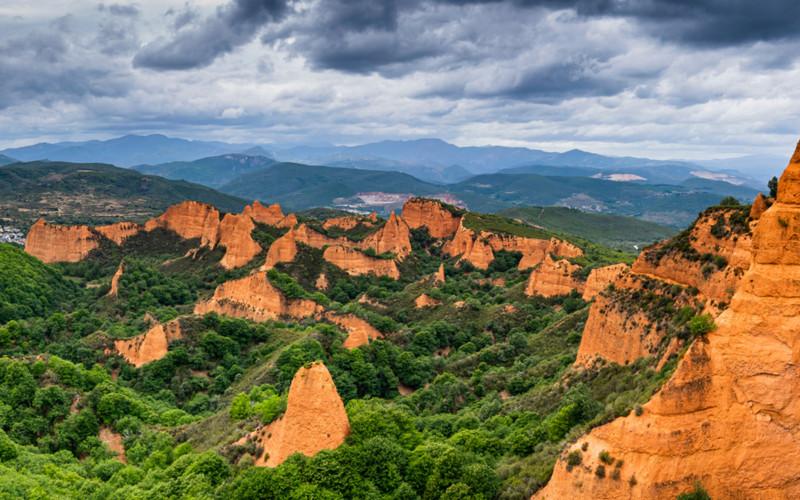
Picture sharp red cliffs cutting into sky, while thick chestnut woods roll beneath – this place called Las Médulas used to be Rome’s biggest source of gold. Found in northern Spain, within the province of León, it now holds protected status under UNESCO recognition. Trails wind unpredictably through mounds of rust–colored earth, carved long ago by water–powered methods invented two millennia back. Though few tourist routes include it, the sight of vibrant foliage against scorched–looking slopes leaves strong impressions. Water channels built by ancient engineers reshaped entire valleys just to reach buried treasure below ground level. After so many generations passed, trees and vines took over what humans left behind. You can stand at certain edges and see how massive those old dig sites truly were. Golden light spills through chestnut leaves as fall settles in. Trails led by locals reveal stories buried in rock layers and old pathways.
Cudillero, Asturias
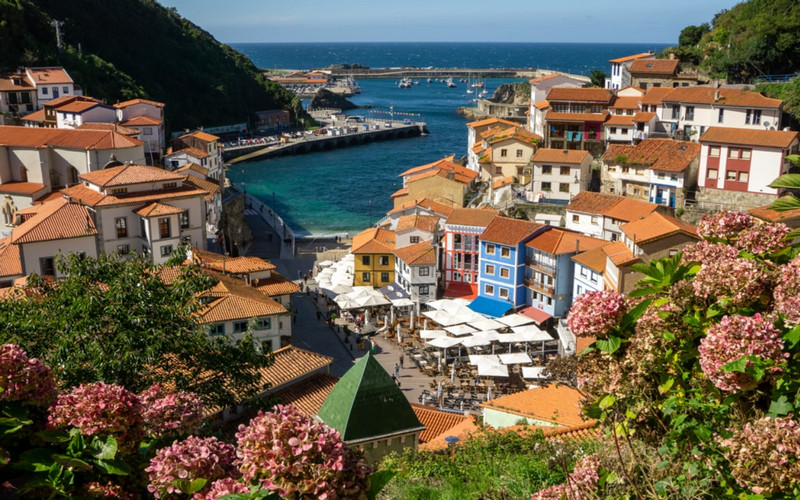
Cudillero might not pop up on every tourist map, yet this quiet gem sits tucked within Asturias, a region often overlooked along Spain’s shoreline. Down narrow lanes, homes dressed in bright hues tumble toward the water’s edge, stacked like boxes slipping toward the bay. From out at sea, each bold shade supposedly acted as a signal – fishermen finding their way back by eye, guided by paint. Wander closer, and the scent of just–landed shellfish drifts through the air, served fresh without fuss. Along the cliffs beyond, secret inlets wait, carved by waves over ages, rough and untouched. Boats bob gently at anchor, weather–worn and reliable, returning each morning with nets heavy from cold Atlantic waters. Down below, narrow streets wind through the village, linking each level with steep staircases. Fresh seafood lands daily at local restaurants, drawing visitors looking for real flavor from northern Spain. Hiking trails climb along rugged cliffs that wrap around the settlement. Golden light spills across rooftops when sunset hits the harbor edge.
Setenil de las Bodegas, Andalusia
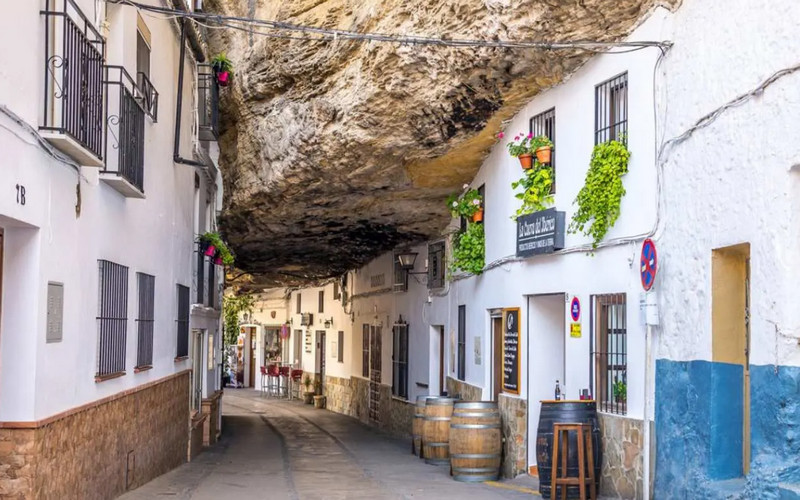
Houses here wear capes of stone, shaped by time rather than builders. Walking these lanes feels like stepping into a place where nature helped design the homes. Under huge rocky ledges, buildings cling as if they sprouted straight from the cliffside. Cafes sit in cool pockets beneath limestone walls, sheltered year–round. You might spot a shop whose ceiling is simply the underside of an ancient overhang. This village does not try to stand out – it hides in plain sight, part of the landscape. Travelers passing between Ronda and Granada often pause without meaning to. Sunlight cuts sharp shadows in summer, yet the rocks keep everything below comfortably dim. People long ago saw value in these hollows, using them first as refuge, then as foundations. Time layered new lives onto old cave dwellings, turning shelters into streets. Architecture here follows the curve of survival, not fashion. Hidden under rock overhangs, Setenil surprises with how buildings blend into cliffs. Photographers often visit here because the views look like nothing else on earth.
Bardenas Reales, Navarra
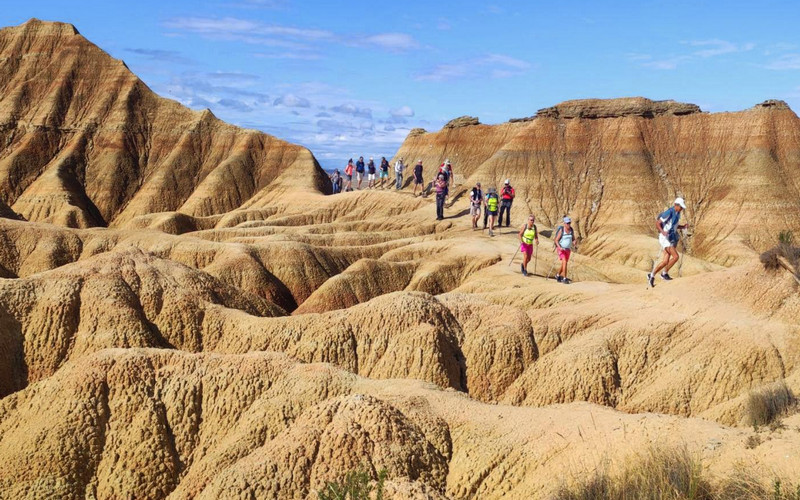
Picture Spain filled with rolling hills and sunny coastlines? Think again. Out in Navarra lies the Bardenas Reales – a desert that defies expectation. Shaped by layers of clay, gypsum, and sandstone, its surface feels more like Utah than Iberia. Strange towers of rock rise suddenly, carved slowly by wind and time. Canyons cut deep, plateaus stretch wide, forming scenes so surreal they caught Hollywood’s eye. Famous series such as Game of Thrones found backdrops here among the dust and silence. Walking trails pass under open skies; bikes roll across rough tracks; cars follow narrow roads through the emptiness. Few places in Europe feel quite this alien. Yet this stark land sits right in northern Spain, waiting quietly to surprise anyone who arrives. Eagles circle above while foxes slip through the dusty stretches below. Little rain falls, so wind keeps carving shapes into rock over time. A natural park wraps around the land because delicate life needs space to survive. As day ends, skies bleed hues that seem too vivid to be real. Few places in Europe feel quite like this one does at dusk.
Fragas do Eume, Galicia
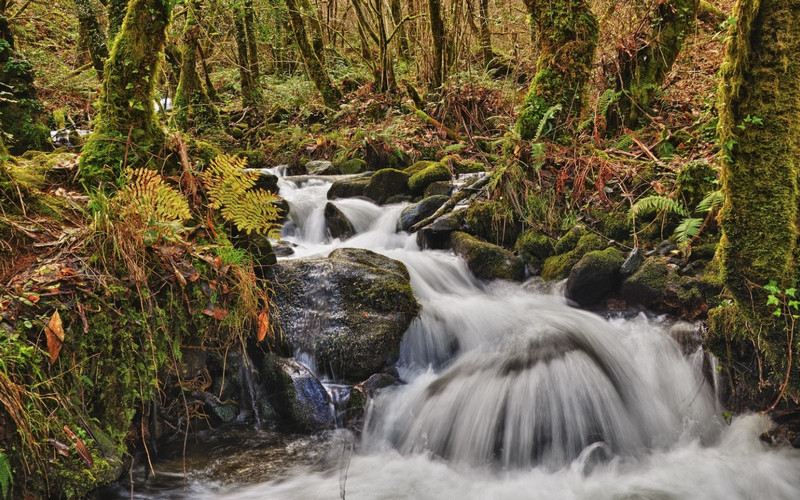
Not many people know about Galicia’s hidden green heart. This place holds one of Europe’s few surviving Atlantic woodlands – the Fragas do Eume. Imagine walking under canopies where moss hangs like old lace, thanks to damp air and quiet trails. Stone footbridges cross narrow streams, while fog slips slowly along the water’s edge. High above the treetops, the ancient Monastery of Caaveiro watches silently from a jagged cliff. Few visitors make their way here, even though the landscape feels untouched by time. Life thrives in every corner, from tiny ferns to elusive birds rarely seen elsewhere. Footsteps on wooden paths let people wander while keeping the wild untouched. Damp air wraps everything in a dreamy, ancient hush. Water moves along riverbeds, adding quiet music under the trees. Those who love stillness find their place here.
Guadalupe, Extremadura
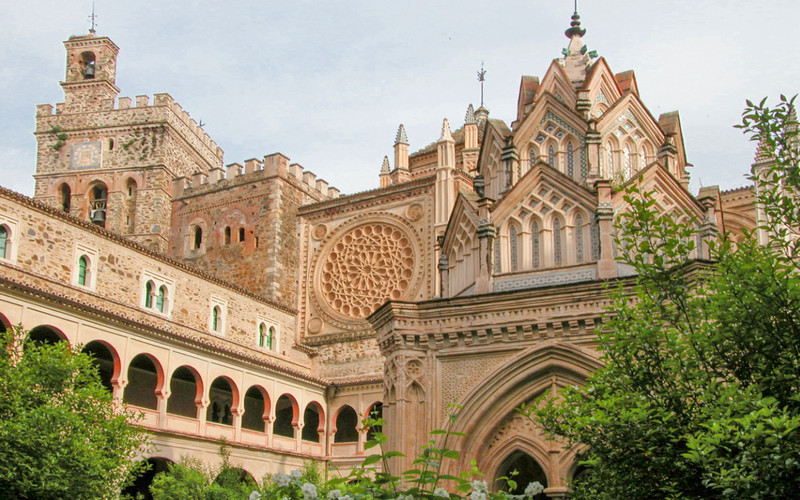
Few notice it on their trips, yet Extremadura holds Guadalupe – quiet, tucked away. Rising above everything there stands the Monastery of Santa María de Guadalupe, centuries old, recognized by UNESCO since the 1300s. Inside rests a collection of Spanish masterpieces; among them, paintings by El Greco, others by Goya. Streets paved with stone wind past buildings shaped by time, each corner breathing an older way of life. To walk through Guadalupe is to stumble upon a story Spain kept quietly aside. For hundreds of years people have made their way here, giving the place deep meaning. Inside the monastery grounds you will find quiet courtyards, places of prayer, collections worth exploring. Music fills the streets during local events, along with parades that move through narrow lanes. Stillness hangs in the air, perfect for travelers who take their time. Even now it stands among Spain’s richest cultural spots, though few seem to notice.
Rupit, Catalonia
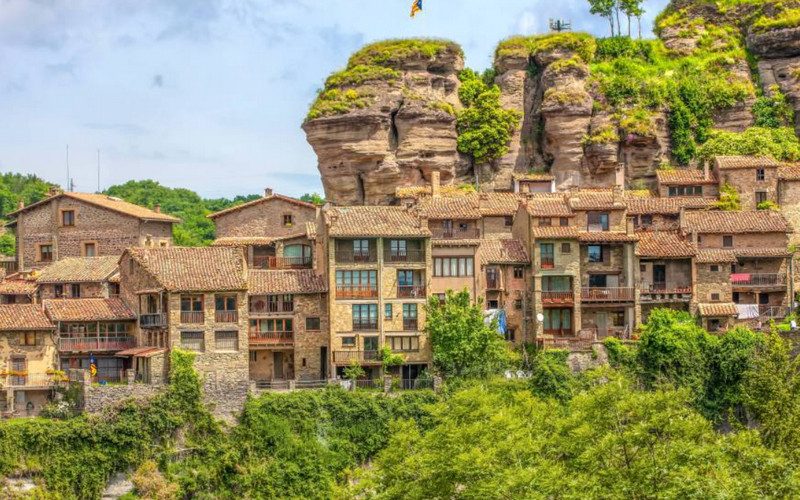
High up on a rugged crest, Rupit waits – away from crowds, tucked in stillness. Though Barcelona grabs attention, this old Catalan hamlet speaks in whispers. Stone cottages rise here, their timber railings spilling blooms like paint. A footbridge made of wood pulls you gently toward the center. From there, paths wind into green woods, leading past rushing falls. Each turn holds a moment worth freezing. Time doesn’t rush; it lingers, heavy in the air. Its streets follow ancient lines, unchanged by years. Photographs feel inevitable, yet never forced. Walk down cobbled lanes and time slips sideways. Cliffs rise around, opening wide views across the green sweep below. As seasons turn, the land shifts through bursts of color, slow and steady. Spring drapes Rupit in bloom, each balcony spilling with petals.
Gaztelugatxe, Basque Country
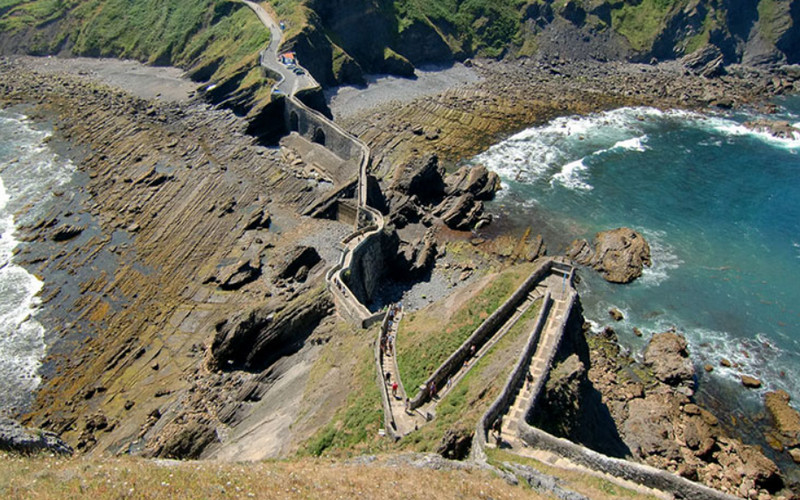
Balanced on a jagged rock near the Basque shore, Gaztelugatxe hides as one of Spain’s wildest sights. Twisting upward through ancient stones, 241 uneven steps lead from land to a small shrine honoring St. John. From its peak, the sea stretches wide – blue, restless, endless – the Bay of Biscay rolling beneath your gaze. Fans of a certain royal fantasy series might recognize it; cameras once lit up these cliffs for a faraway kingdom. Even now, with more travelers finding their way here, silence lingers – heavy, old, untouched. Up high, the view opens wide across endless water. From above, waves pound the rocks below, loud and constant. Time passes, yet the little shelter stays fixed through wind and rain. Folks who visit often knock on iron once, twice, then again – just because. Along that stretch of coast, few places stand out like this one.