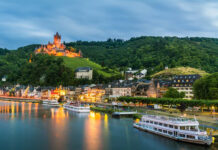
Atrani
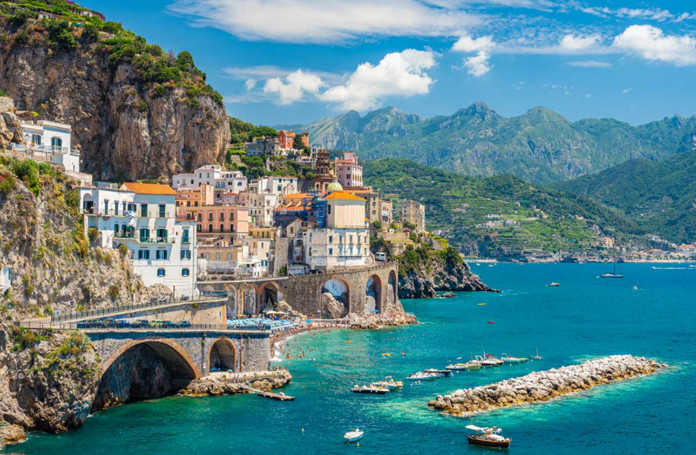
Tucked beneath towering cliffs above the Tyrrhenian Sea, Atrani slips quietly into view like a hidden stitch along the coast. Just past Amalfi, yet somehow apart from its rush, it hums with calm – greeted by familiar faces, cozy eateries, and the hush of an old fishing cove. Twisting lanes weave through bright white homes, building a world that seems to pause just before time catches up. Suddenly, tiny squares appear between walls, holding moments of stillness where routine moves at its own pace. The shore stays small, almost shy, hugged tight by rock walls that make space feel close and real. When night settles, light spreads gently across stone and sea, wrapping guests in something slow, soft, deeply coastal.
Amalfi
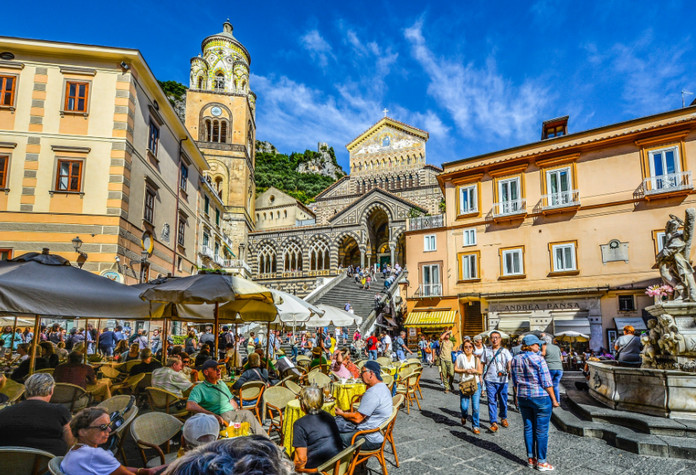
Tucked between the sea and green hills, Amalfi holds a grand old cathedral built long ago, standing tall above everything else. Right at its feet, where striped stone meets sky, people gather on wide stairs leading up to a square full of movement. Halfway along the coast, not too far from Sorrento or Salerno, this place draws crowds – yet feels timeless somehow. Winding lanes open onto small stores offering paper made by hand, plus treats shaped by tradition. Under golden light, coffee spots stretch out into plazas, warming the air with slow rhythm. Even with so many passing through, it keeps something real – quiet dignity, maybe, held close like a secret.
Positano
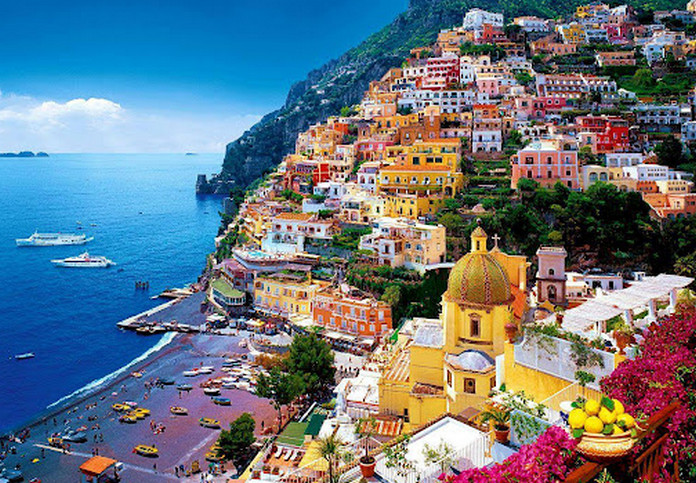
Perched high where land meets sky, Positano clings to the cliffs like a secret too beautiful to keep. Down below, waves nudge at sand dotted with smooth stones, blue turning deeper as light fades. Between Sorrento and Amalfi it rests, shaped by time – once quiet, now full of hushed footsteps on stone steps. Houses painted soft rose, lemon, seafoam stack without order, held together by narrow paths that twist upward. Cafés spill out onto corners where people pause mid–step, cups warming hands. Shops hang open, doors slightly crooked, filled with linen dresses and handmade sandals. Each turn brings another glimpse – a courtyard blooming with bougainvillea, a balcony heavy with potted herbs. When evening comes, lanterns flicker alive along railings and rooftops. Light drips down toward the shore, mirroring stars above. Travelers linger longer here than planned, drawn by something hard to name.
Nerano
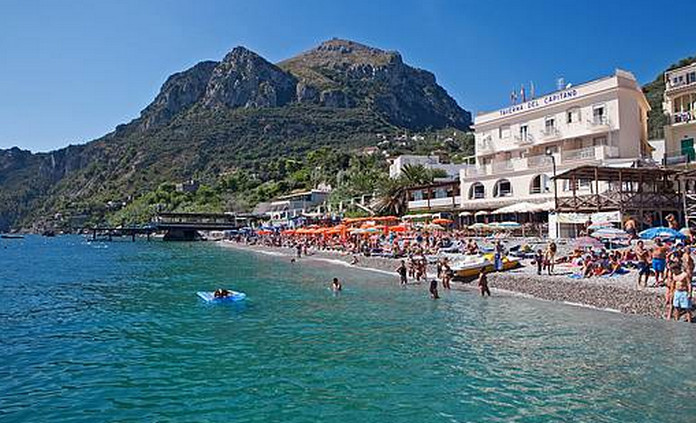
Sunshine lingers on Nerano’s old stone lanes, where sea air drifts through quiet streets. Not far off, the water shines in shades of bright blue, clear enough to see each ripple down below. Old houses stack close together near the shore, their colors faded gently by years of sun and salt. Paths edged with wild herbs climb into green slopes behind the village, leading walkers past fragrant shrubs and sudden views of the bay. Meals unfold slowly at small tables set right beside the waves, plates filled without fuss but full of taste. Think zucchini fried until golden, tomatoes still warm from nearby farms. This place does not rush, nor try to impress – just lives as it has for generations. Fishing boats bob after sunrise while locals exchange stories under café awnings. There is little need for anything loud when the breeze carries so much already – the sound of oars tapping hulls, laughter from open windows, lunch simmering somewhere unseen. A plate passed across a table says more than any sign ever could.
Ravello
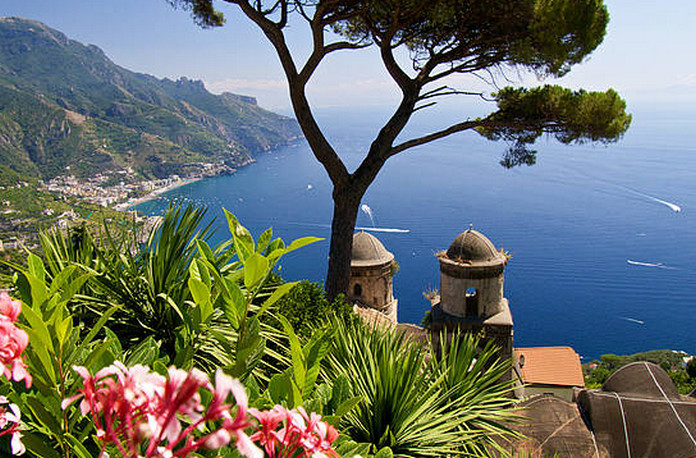
High above the water sits Ravello, maybe the most graceful spot on the Amalfi shoreline. From up there, eyes meet sweeping vistas that roll along cliffs and waves without end. Grand houses appear between green bursts of blooming terraces, each corner humming with old–world charm. Creatives have gathered here for ages – composers drawn by quiet light, poets chasing slow afternoons. Silence settles differently in these streets, softer than elsewhere, almost listening back. Evenings sometimes bring violin notes floating from courtyards where ivy climbs stone arches. This place moves at its own hush, as if clocks agreed to pause just once they arrived.
Sorrento
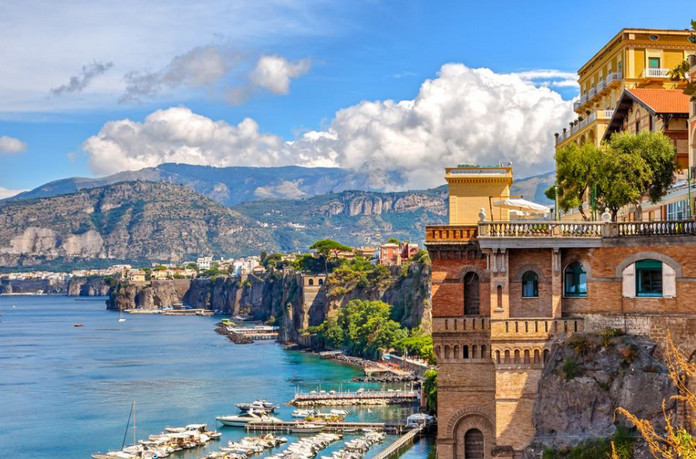
Perched high over the Bay of Naples, Sorrento opens the door to the Amalfi Coast. While not on the coast itself, it holds grace in its stately homes, winding lanes, and seaside calm. You’ll find skilled hands at work here – wood inlaid with precision inside tiny studios. Tiny coves, shaped by ancient stone, offer cool dips when summer heat rolls in. Wander deeper and alleys hum with eateries, open–air coffee stops, stores bursting with citrus perfume. Elegance meets habit in this place, shaping a quiet kind of arrival before journeys unfold beyond.
Minori
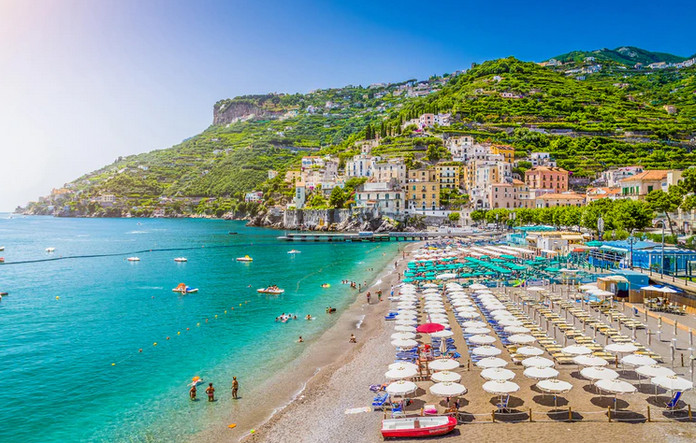
Out by the water, Minori basks under long stretches of sunshine, moving at an unhurried pace. With soft sand meeting gentle waves, families often find their rhythm here more than elsewhere nearby. Tucked behind modern corners lies stone evidence – an old Roman home whispering centuries–old stories. Winding walkways without cars guide you past ovens that smell of sugar and dough every few steps. Handmade pasta shapes much of what people cook, talk about, even dream – tradition stays alive quite naturally. Life unfolds without rush, rooted in salt air and honest meals.
Maiori
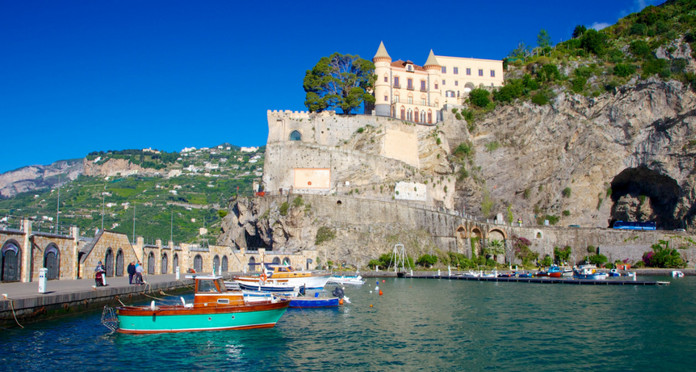
On the Amalfi Coast, Maiori stands out with wide sands and old charm. Rising above the shore, watchtowers and grand buildings tell stories of centuries gone by. Unlike smaller nearby towns, it feels roomier, less crowded. Walking the seaside path at dusk brings salty air and quiet views. Famous filmmakers once chose these streets and coastlines for their scenes. History lives here quietly, mixed with daily life near the water. Balance shapes the place – between past and present, motion and stillness.
Cetara
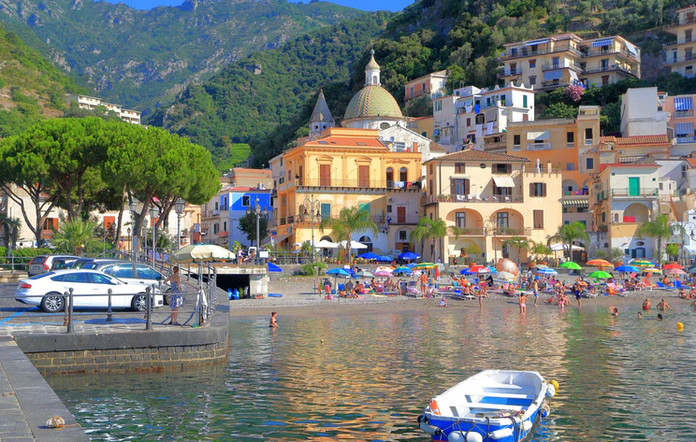
Down the coast from Amalfi, only fifteen kilometers away, sits Cetara – a tiny harbor where life moves quietly. Even though it barely covers any map space, fishermen here pull in some of Italy’s largest catches, particularly anchovies and tuna. Its biggest claim to fame? A golden fish sauce called colatura di alici, made exactly like generations before did. Along the waterfront, painted boats bob beside weathered docks, telling stories without words. The sand stretches narrow but clean, drawing those who want stillness more than crowds. Away from packed resorts, this place stays real – salt on skin, nets mending, days shaped by tides. Few tourists wander these lanes, leaving room for something closer to how coastal towns once lived.
Erchie
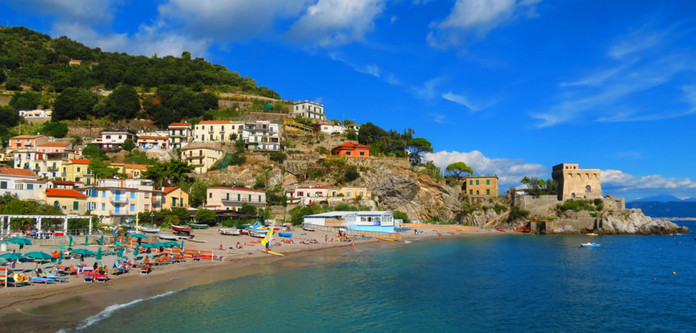
Hidden between steep cliffs, Erchie holds fewer than a hundred souls, quiet and still. Though tied to Maiori, it lives at its own slow pace. Two slender beaches curl beside an old Norman watchtower, stone worn by sea air. Water here shines clear, perfect for floating without hurry. Meals come straight from the net to plates near the water’s edge. Rustic doesn’t begin to cover it – wooden chairs, salt on skin, voices low. Enclosed by rock walls, the village breathes calmly, untouched. Time moves differently where the coast forgets to rush.
Vietri sul Mare
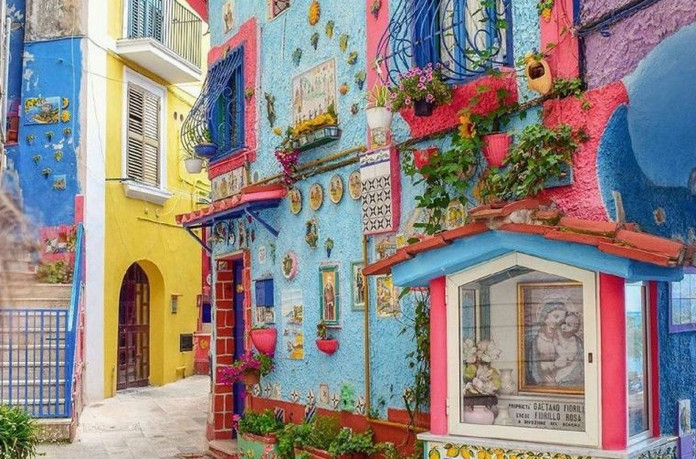
Color spills across Vietri sul Mare in the form of handmade tiles that wrap buildings from roof to pavement. Strolling here turns sidewalks into galleries where every turn reveals painted walls or doorways rimmed with glaze. Known far beyond Italy, its pottery shapes both kitchens and alleyways with equal care. Instead of just browsing shops, people find themselves drawn to the water, sitting by the shore as boats bob nearby. Approaching the Amalfi Drive from Salerno? This lively spot comes first, setting the tone. Art lives in the air here – mixed with salt breeze, old methods, and sunlit piazzas.
Praiano
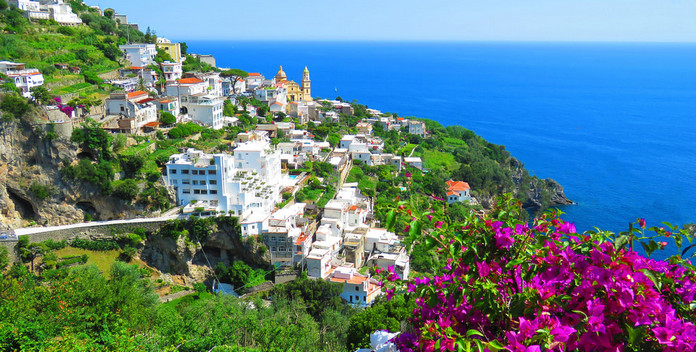
Praiano throws some of the wildest sunsets you’ll see along the whole Amalfi stretch. Because it stays hushed, many pick it instead of busier spots such as Positano. Slopes roll down softly toward the water, framing wide–open seascapes. Among lemon trees, small eateries serve meals under strings of warm light. With quiet shores and tucked–away inlets, stillness comes easily here. Those chasing charm minus the masses often land right here.
Furore
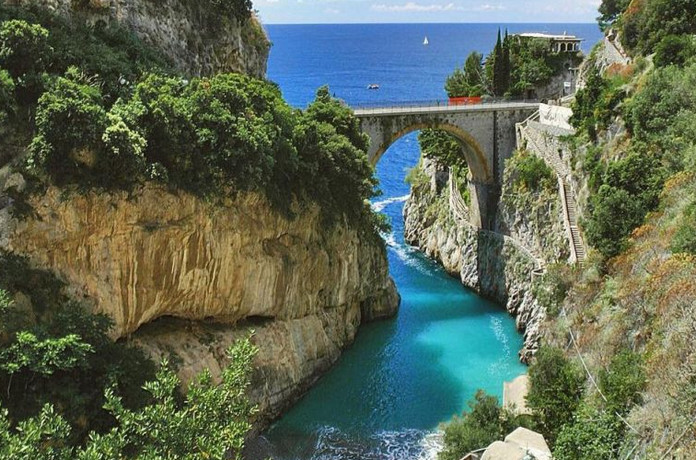
Hidden between steep walls of rock, Furore clings to a narrow ravine shaped long ago by flowing water. Though often called a village that isn’t there, it pulses quietly beneath the surface. Clusters of bright homes tuck into crevices, half–buried in vines and shade. Above them, a stone arch stretches across the split in the land – silent, old, watched by many eyes over time. What you see changes with light; shadows stretch like fingers at dusk. People live here without fanfare, rooted more than they seem. This place looks like something dreamed up, yet stands real, raw, apart.
Conca dei Marini
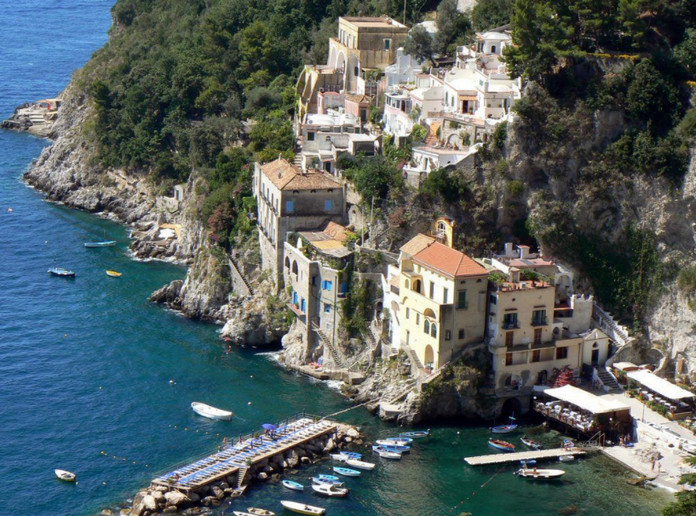
Down near the water, old buildings wear colors shaped by centuries of sun and salt air. Not far from here, a cave glows like liquid jade when sunlight slips through cracks below. Houses step down the hillside one after another, each leaning slightly toward the waves. Some folks still mend nets just as their grandfathers did before them. Stone trails twist past lemon trees, opening suddenly onto sheer drops where sky meets sea. Old stories live quietly between walls made of time and stone.
Agerola
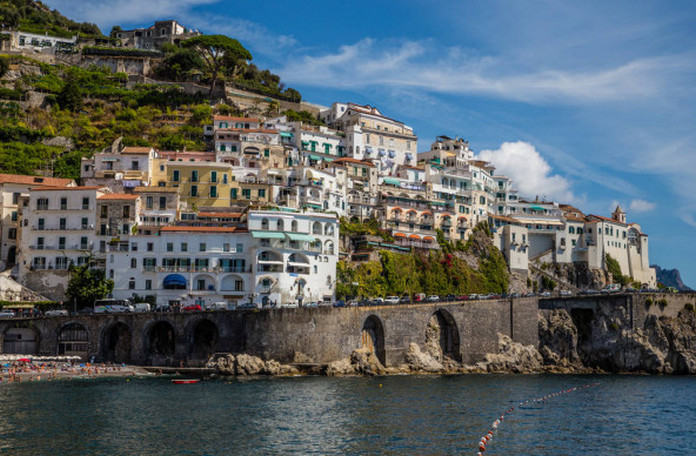
High up in the Lattari range, Agerola breathes like alpine country – crisp, quiet, lifted. Beyond the seaside rush, this place opens wide with trails under open skies. From here, walkers step onto the well–known route called the Path of the Gods. While cliffs drop toward the coast, life moves slower on these slopes. Farms dot the hillsides, feeding a kitchen rooted in old ways. Instead of waves, you hear wind; instead of sand, stone paths and herb–scented earth. Not down by the water, yet just as vivid – the view shifts, the feel changes.