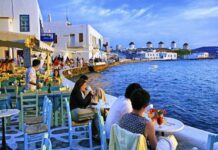
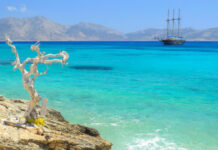
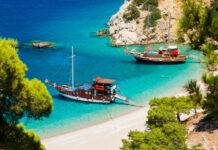
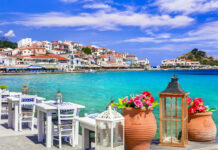
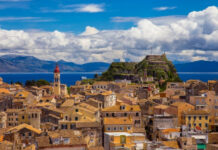
Crete is one of the most captivating Greek islands, offering a remarkable combination of ancient history, breathtaking landscapes, charming villages, and spectacular beaches. From the fascinating remains of the Minoan civilization to dramatic mountain trails and mysterious caves, the island has something special for every traveler. Whether you are planning a cultural getaway, an outdoor adventure, or a relaxing Mediterranean holiday, Crete promises unforgettable experiences. These breathtaking must-visit attractions will help you discover the island’s rich heritage and natural beauty.
Heraklion Archaeological Museum
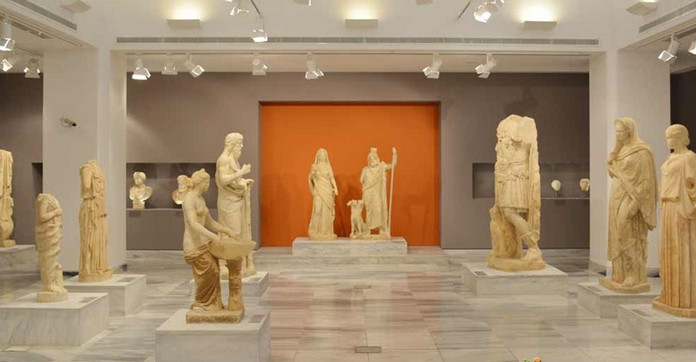
Before visiting the Palace of Knossos, spend some time at the Heraklion Archaeological Museum in the heart of Heraklion to better understand the ancient history and people of Crete. The museum houses, preserves, and displays many remarkable discoveries from Knossos and other important archaeological sites across the island. Its impressive collections include delicate frescoes, pottery, jewelry, weapons, and sculptures from the Minoan civilization, alongside fascinating artifacts from the Neolithic and Roman periods. One of the highlights is the extraordinary Malia Pendant, dating to approximately 1800 BCE, which demonstrates the remarkable craftsmanship of ancient Minoan artisans. The museum provides valuable context for understanding the advanced culture that flourished on Crete thousands of years ago. You can also admire beautifully preserved objects that reveal how people dressed, worshipped, traded, and decorated their homes in ancient times. History enthusiasts should allow at least a couple of hours to explore the collections without rushing. Visiting this museum before Knossos makes the archaeological remains much easier to appreciate.
The Minoan Palace of Knossos
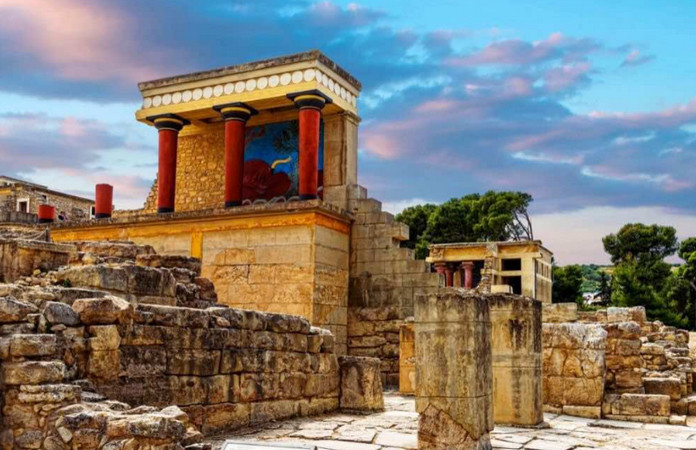
Located just outside Heraklion, the Palace of Knossos was once an important political, economic, and ceremonial center of the Minoan civilization, one of the earliest advanced civilizations in Europe. The sprawling archaeological complex features impressive courtyards, colorful reconstructed frescoes, elaborate staircases, and remains of rooms that reveal the sophistication of Minoan architecture. At the entrance, you may find licensed guides offering tours that explain the palace’s archaeological discoveries and the legendary stories of King Minos and the Minotaur. These myths have helped make Knossos one of the most famous historical attractions in Crete. Arriving early in the morning is highly recommended, especially during the busy summer season, when tour groups and visitors arrive throughout the day. A guided tour can help you distinguish historical evidence from later mythological interpretations. Wear comfortable walking shoes, as the site covers a considerable area and includes uneven surfaces. If you are interested in ancient Greek history, Knossos deserves a prominent place on your Crete itinerary.
Lake Kournas
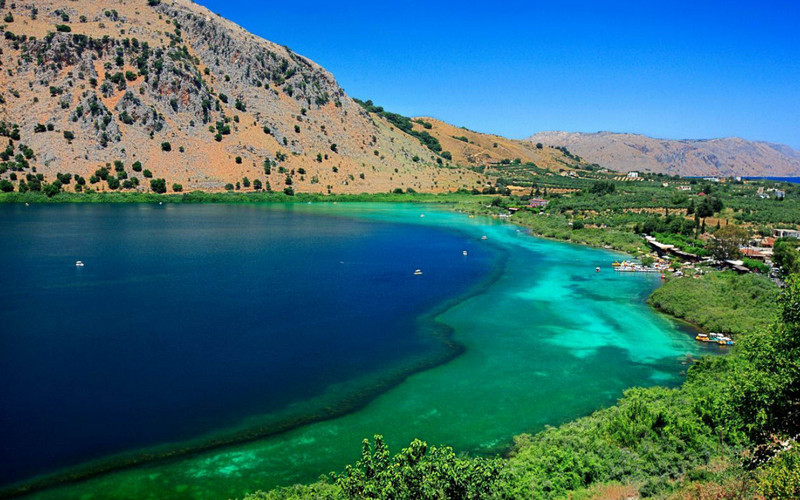
Just a short drive from the National Road between Rethymno and Chania lies Lake Kournas, the only natural freshwater lake on Crete. Surrounded by green hills and distant mountains, this beautiful lake offers a peaceful escape from the island’s busy coastal resorts. Its striking blue and turquoise waters contrast with the surrounding countryside, while ducks, birds, and other wildlife can often be spotted near the shore. During warmer months, visitors can enjoy swimming, snorkeling, or renting a pedal boat to explore the lake from the water. Several cafés and traditional tavernas nearby provide convenient places to enjoy a meal or a refreshing drink with scenic views. Lake Kournas is particularly appealing to families and travelers looking for a relaxing outdoor activity between sightseeing excursions. The changing colors of the water create wonderful opportunities for photography, especially on sunny days. Bring swimwear, sunscreen, and comfortable footwear if you plan to spend several hours exploring the area.
Samaria Gorge
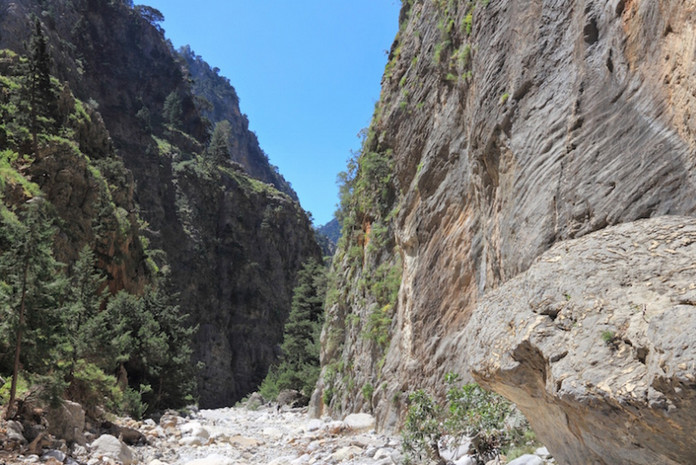
Samaria Gorge is one of the most spectacular natural attractions in Crete and a highlight for hiking enthusiasts visiting the island. Located in the White Mountains, the gorge stretches approximately 16 kilometers along the traditional hiking route, from the Omalos Plateau toward the coastal village of Agia Roumeli. The trail passes through dramatic cliffs, rocky landscapes, forests, and narrow passages that showcase the island’s extraordinary natural beauty. The hike usually takes around five to seven hours, depending on your pace, breaks, and trail conditions, and much of the route descends toward the sea. Bring plenty of drinking water, snacks, sun protection, and sturdy hiking shoes to make the journey more comfortable. Once you reach Agia Roumeli, you can cool off with a refreshing swim in the Libyan Sea, provided conditions are safe. The gorge is also part of a national park that protects important wildlife and native plant species. Before setting out, check the official trail opening status and weather conditions, as access can be restricted because of heat, rain, or other safety concerns.
The Minoan Palace of Phaistos
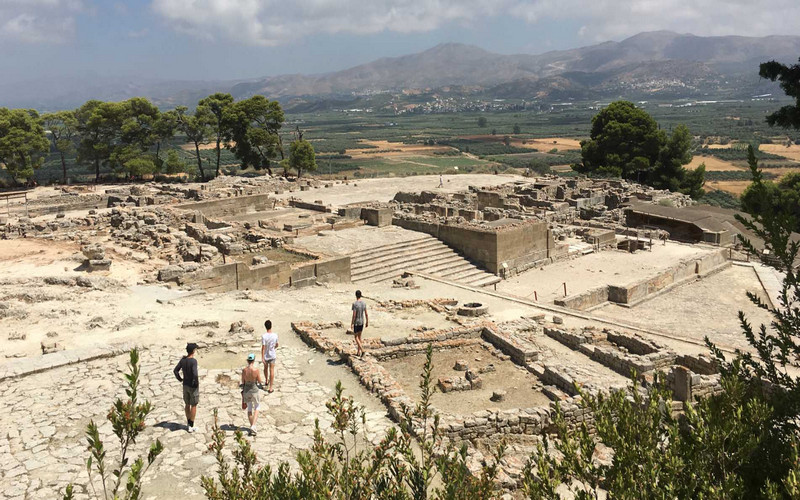
For travelers who want to explore Crete’s ancient history away from some of the crowds at Knossos, the Palace of Phaistos is a fascinating alternative. Located on the fertile Messara Plain in southern Crete, near the popular coastal area of Matala, this archaeological site offers beautiful views across the surrounding countryside. Phaistos was an important center of the Minoan civilization, with impressive remains of courtyards, terraces, stairways, and ceremonial spaces. According to ancient tradition, the palace was associated with Rhadamanthus, the legendary brother of King Minos, although the historical details of this connection remain uncertain. The famous Phaistos Disc was discovered at the site in 1908 and remains one of the most intriguing objects in Minoan archaeology. Its spiral arrangement of stamped symbols has fascinated researchers for generations because the writing has not been conclusively deciphered. Compared with Knossos, Phaistos often provides a quieter atmosphere in which to appreciate the scale and layout of an ancient palace. Visit in the morning or late afternoon for softer light, pleasant temperatures, and beautiful photographs of the archaeological ruins.
Chrisoskalitissa Monastery
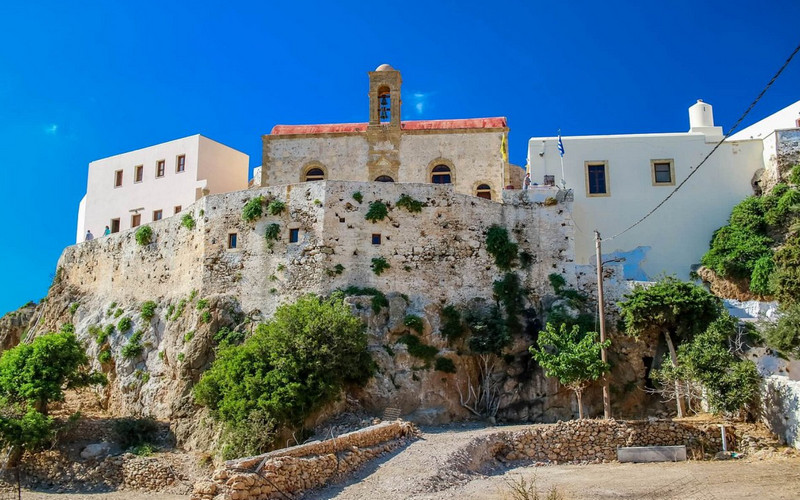
If you are traveling toward Elafonisi Beach on the southwestern coast of Crete, make time to visit Chrisoskalitissa Monastery along the way. Perched on a rocky outcrop overlooking the surrounding landscape, this historic religious site offers a peaceful atmosphere and beautiful views of the sea. The monastery is dedicated to the Virgin Mary and has long been an important place of worship and pilgrimage for local Christians. Its name is commonly translated as “Golden Step,” referring to a local tradition that one of the steps leading to the monastery is made of gold but can only be seen by those without sin. This fascinating legend adds a touch of mystery to an already memorable stop. Visitors should dress respectfully and bring a scarf or other suitable covering for their shoulders if required by the monastery’s dress guidelines. The surrounding scenery makes the visit especially rewarding for travelers who enjoy combining cultural attractions with coastal exploration. Afterward, continue to Elafonisi, famous for its shallow turquoise waters, pale sand, and areas of pink-tinted beach.
Mount Ida (Psiloritis)
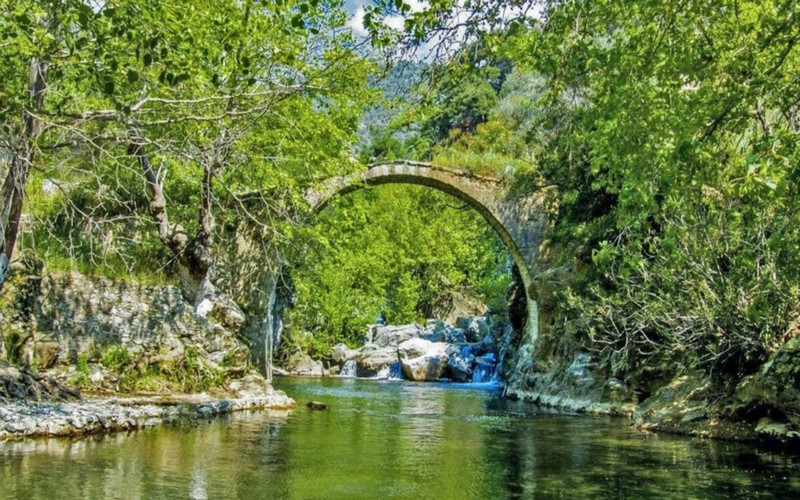
Mount Ida, also known as Psiloritis, is the highest mountain in Crete, rising to approximately 2,456 meters above sea level. Its rugged slopes, rocky plateaus, and sweeping views make it one of the island’s most impressive destinations for outdoor enthusiasts. The mountain also occupies an important place in Greek mythology, as one of the traditional locations associated with the birth and upbringing of Zeus. Hiking to the summit is a challenging adventure that requires good fitness, appropriate equipment, and careful planning, particularly because weather conditions can change quickly at high elevations. Experienced hikers can often complete the ascent and descent in a day, although the duration depends on the starting point and route selected. Near the summit stands the small Timios Stavros chapel, a memorable landmark for those who reach the top. The panoramic views across Crete can be spectacular on clear days, revealing the island’s mountains, valleys, and coastline. If you plan to hike Psiloritis, check the forecast, carry sufficient water and warm layers, and avoid attempting the climb without suitable preparation.
Psychro Cave (Dikteon Cave)
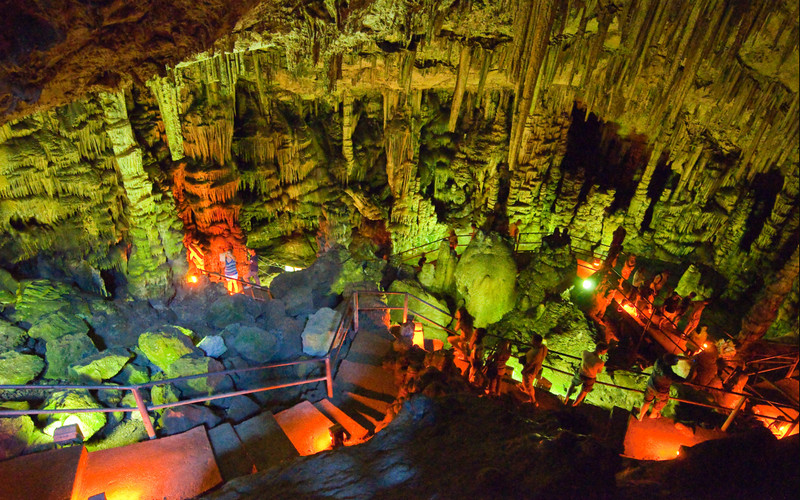
Psychro Cave, traditionally associated with the birthplace of Zeus, is one of the most intriguing natural and mythological attractions in eastern Crete. Located in the Lasithi region, the cave is reached by a short but uphill walk from the surrounding area, so comfortable shoes are recommended. Inside, visitors can descend along a staircase to explore impressive rock formations, including stalactites and stalagmites shaped over thousands of years. The cave has also yielded archaeological finds associated with ancient religious practices, highlighting its significance beyond its mythological reputation. According to Greek tradition, the cave was connected with the infancy of Zeus, the king of the Olympian gods, although several locations across Crete are linked to this legend. After exploring the underground chambers, take time to admire the beautiful views across the Lasithi Plateau, known for its traditional villages and agricultural landscapes. Nearby cafés and tavernas offer opportunities to relax and sample local food after the visit. Combining Psychro Cave with a scenic drive through the plateau makes for a rewarding day trip that blends mythology, archaeology, and natural beauty.
Crete offers an extraordinary variety of attractions, from world-famous Minoan palaces and fascinating archaeological museums to peaceful freshwater lakes, dramatic gorges, and legendary mountain caves. Each destination reveals a different side of the island, allowing visitors to experience its history, landscapes, traditions, and local culture. Whether you prefer exploring ancient ruins, hiking through spectacular scenery, or relaxing beside the Mediterranean Sea, Crete has something to suit every travel style. Plan your itinerary carefully, especially during the summer months, and leave enough time to enjoy the island beyond its most famous landmarks. With its combination of cultural treasures and breathtaking natural beauty, Crete is a destination that can make any Greek island holiday truly unforgettable.