Days 1-2 Milan fashion and art
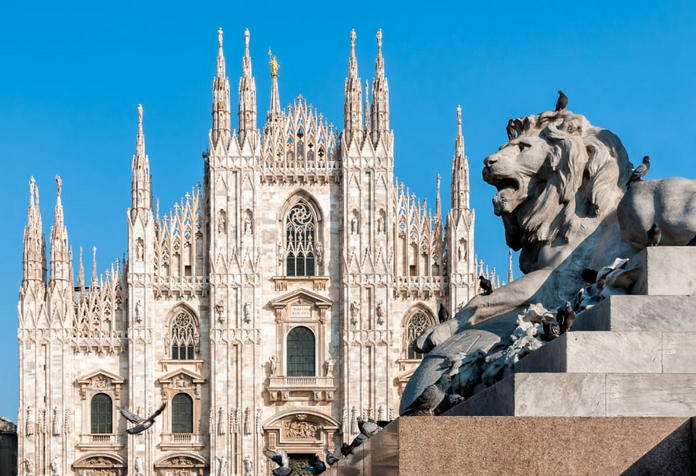
Start exploring art in Milan, Italy’s sharp northern hub where design meets long–standing creative roots. Known widely for high–end fashion, the city holds deeper layers beyond glossy storefronts. Its polished look hides a past full of architectural wonders and quiet cultural gems. Grand churches stand beside overlooked artworks. Creativity here moves with grace, never rushing, always present. When spring arrives, the city stirs awake under bursts of flowers and warm light on open squares. Not just for those who live for museums – Milan pulls in anyone with eyes wide enough to see its pulse. The journey through Italy often starts here, quietly electric.
Few visitors forget their first glimpse of Leonardo da Vinci’s The Last Supper, resting quietly in the old dining hall of Santa Maria delle Grazie. A hush falls when you step close – tiny brushstrokes and hidden meaning begin to emerge under soft light. Since only small groups may enter each day, securing entry long ahead is not just wise, it’s required. That stillness around the fresco pulls thought back centuries, linking viewer and creator across time. Though paint has faded, the weight of what was made here remains sharp. Some folks walk out seeing da Vinci’s genius in a whole new light. This stands among Italy’s deeply valued moments with culture.
Step inside the Pinacoteca di Brera where art feels alive under soft gallery light. Masterworks by Caravaggio rise quietly beside those of Raphael, each holding its own weight. Titian’s colors linger long after you pass, pulled forward by silent force. Centuries fold into view without warning, room after room revealing shifts in vision and hand. Outside, stone paths wind past small shops stacked with old books and quiet stories. Cafés sit tucked between buildings, serving slow moments more than drinks. Few places blend stillness and depth quite like this corner of Milan. Turn left, find a tiny shop shaping leather by hand. Between buildings, a courtyard waits, quiet, unnoticed. This part of the city pulls you into its rhythm without asking. Streets here let time stretch, just like old paintings do. Slowness becomes normal near these worn stone walls.
Up there, above Milan, the roof of the Duomo unfolds like a stone forest, full of towers that seem too delicate to touch. A slow walk through its maze of pinnacles makes the ground feel far below, unreal even. Seeing it from that height changes how you understand the building – suddenly it’s not just a church but something alive with detail. When the air is sharp in spring, the peaks of the Alps emerge faintly at the edge of sight, beyond rooftops and streets. Each statue, every carved leaf and face, holds stories shaped by hands centuries ago, clearer here than from down below. When the sun dips low, the marble glows in soft pinks, lit by fading gold. A quiet hush settles just as beauty peaks – ending the day in Milan like a slow breath.
Days 3-4 Venice A City Beyond Time
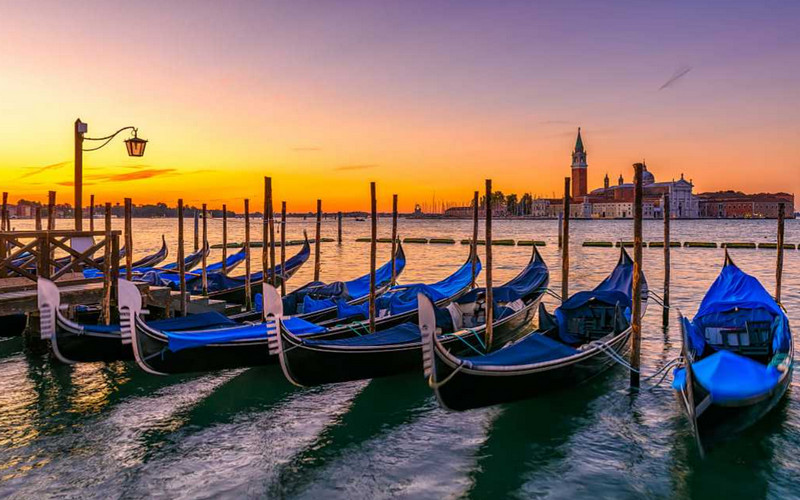
Eastward from Milan lies Venice, a city unlike any other. Floating on water lit by shifting light, it rests upon a network of winding canals. Centuries have passed, yet artists still find their rhythm here. Writers pause at quiet corners where history hums beneath stone steps. Musicians once wandered these lanes, drawn by echoes only such places hold. Each shadowed passageway carries whispers of times long gone. Bridges appear without warning, linking fragments of the past. When spring arrives, light dances gently across the waterways, making it a quiet season to wander. What sets Venice apart is how its mood feels nothing like the rest of Italy.
Out here in St. Mark’s Square, Venice wakes up in stone and light, a place where old styles meet without warning. Sun hits the basilica’s gold mosaics just right, making them flash like something alive. Just beyond, the Doge’s Palace shows what made Venice strong – money, influence, art. Its huge rooms pull you forward, then the old stone bridge leads even deeper into history. Seated at a café facing the open space, time slows down while flavors linger on your tongue. Details everywhere speak without words, shaped by centuries others only read about.
Spending hours inside the Galleria dell’Accademia feels like stepping into Venice’s golden age of painting. Inside, pieces by Titian unfold vibrant scenes where light dances across fabric and skin. Tintoretto fills walls with motion, his figures caught mid–gesture, alive with urgency. Veronese adds grand feasts, their tables stretching beyond the frame, crowded with detail. These rooms hold more than paintings – they echo a port city buzzing with merchants, ideas, pigments from distant shores. Away from canals packed with footsteps and chatter, this place breathes slower. Visitors find space to stand still, let eyes adjust, notice brushwork hidden in shadows. Not every masterpiece needs applause – some just need quiet. Just beyond the main path, waterways slip between old buildings, offering calm corners where thoughts settle easily. This place stands out, one that anyone who cares about art will remember long afterward.
Out here, spring lets you drift with no map in hand. Away from crowds, narrow waterways unwind beside tucked–away footbridges and small sunlit plazas. Under ancient stone facades, gondolas slip through still waters, almost whispering. Balconies burst with blooms that stain the gray with reds, pinks, yellows. Around each corner, a moment feels like it was framed just for passing eyes. Wandering through Venice, you might stumble upon tiny bakeries tucked down narrow lanes. These little spots, handcrafting bread each morning, make detours feel like discoveries.
Days 5-6 Florence Heart of the Renaissance
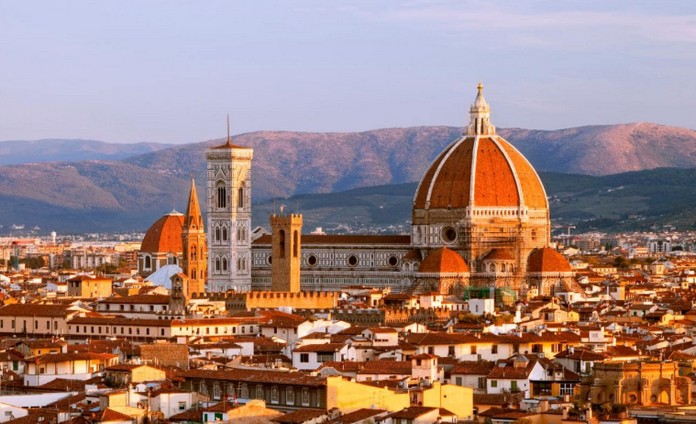
Florence sits at the heart of any true exploration of Italian art, birthplace of the Renaissance and home to some of Europe’s most enduring cultural riches. In the 1400s and 1500s, this city in Tuscany sparked a wave of creative fire that shifted human expression for good. Strolling its streets is much like entering the pages of an illustrated past. Beauty lingers in broad squares where statues watch silently. Grand churches rise with quiet power. Ancient homes built by long–gone hands still shape the skyline today. Out here, sunlight spills across marble walls, lighting up the place like nothing else. Right away, Florence grabs hold of anyone who steps into its streets.
Masterpieces tucked inside the Uffizi pull visitors into centuries of art history, with works by Botticelli leading the way. Not far beyond the entrance, Leonardo da Vinci’s sketches whisper quiet brilliance across yellowed pages. Michelangelo’s figures twist through walls like they’re escaping stone, tension caught mid–motion. Raphael paints calm where others show storm – his balance pulls breaths deeper without notice. One glance at The Birth of Venus stops many in their tracks, frozen under her shell and wind–blown hair. Crowds gather here year–round, eyes lifted, drawn not just by paint but presence. Each hall unfolds differently – one stuns with color, another slows time with shadow play. Western thought bends visibly around these halls, shaped quietly by brushstrokes long dried. Yet even between frames, life outside pulses – the river glints below while rooftops climb toward sky. Windows become paintings themselves when sunlight hits water just right near Ponte Vecchio. Take your time soaking in the quiet magic hidden across these famous rooms. Anyone who cares about paintings will find their way here sooner or later.
Home to Michelangelo’s towering David, the Accademia Gallery grabs attention fast. When you face that figure, breath slows – muscles, veins, gaze all shaped with eerie precision. Size hits hard; so does the quiet intensity pouring from stone. Elsewhere inside, scattered sketches and half–finished figures reveal how ideas took form under his hand. Nothing quite prepares you for standing before it in person. This artwork leaves a mark long after you’ve walked away.
Every step through Florence turns into an art show under the sky. Across the old bridge called Ponte Vecchio, tiny stores shine with gold while the Arno flows below. Up above, reaching the top of the cathedral’s round roof opens wide sights – clay tiles stretch out toward green waves of Tuscany. On the far bank, tucked in Oltrarno, hands shape wood, leather, and metal just as they did hundreds of years ago. Hidden squares wait, offering gelato under centuries-old arches. Around each turn in Florence, beauty shows up quietly – sometimes in stone, sometimes in flavor.
Day 7 Siena medieval elegance
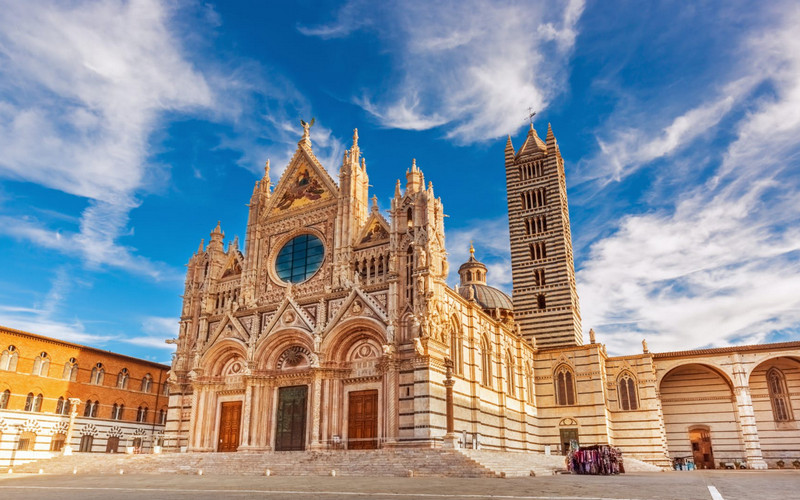
One hour beyond Florence sits Siena, a deeply old city still breathing through its weathered walls. Not shaped by Renaissance dreams but built on sharp arches and shadowed lanes instead. Twisting paths pull you past sun–warmed bricks laid long before modern noise began. Time slows where footsteps echo off stone corners without warning. The air holds stories older than most nations quietly. Warm sunshine spills across the city just as spring brings bursts of color. Art lives quietly here, stirring something rich and calm inside you.
Right where the streets come together sits Piazza del Campo, shaped like a seashell and often called one of Europe’s finest open areas. Curving softly, framed by stately old buildings, it leaves an impression that sticks. Every July and August, crowds gather as horses thunder across the cobblestones during the Palio, a race rooted deep in Italian history. Without fanfare, even on quiet days, people linger here – sipping coffee, chatting, soaking in the life around them. Out here, where sunlight hits the old stones just right, cafés open their doors onto the square. A slow moment settles in when you sit with a drink, watching time pass like shadow across cobblestones. This spot carries the quiet pulse of Siena, steady and sure. Here, the past doesn’t shout – it leans close and whispers.
Start at the front of Siena Cathedral, where stripes of white and dark stone pull your eyes upward. Beauty lives inside too – carvings twist through space, painted scenes climb walls, colors stay bold like they were just made. Not far within, a quiet room holds more color on its ceiling, glowing almost loud against old plaster. Few places pack so much art into one soaring space. This church stays full of moments worth stopping for. Hidden away, this piece carries the weight of ages built by steady hands. A quiet triumph, it stands among Italy’s least known yet finest works.
Afternoon light slips between tall walls as you wander Siena’s tight lanes. Tiny art studios pop up beside workshops where hands shape leather or metal. Instead of rushing, pause at a tucked–away courtyard, half in shadow. Cafés hum softly – try a dense cantuccini with your coffee. As day fades, bricks turn amber, glowing like old fire. Out here, time slows down so you start picturing how people lived hundreds of years back. Long after leaving, travelers find pieces of Siena still clinging to their thoughts.
Days 8-9 Rome The eternal masterpiece
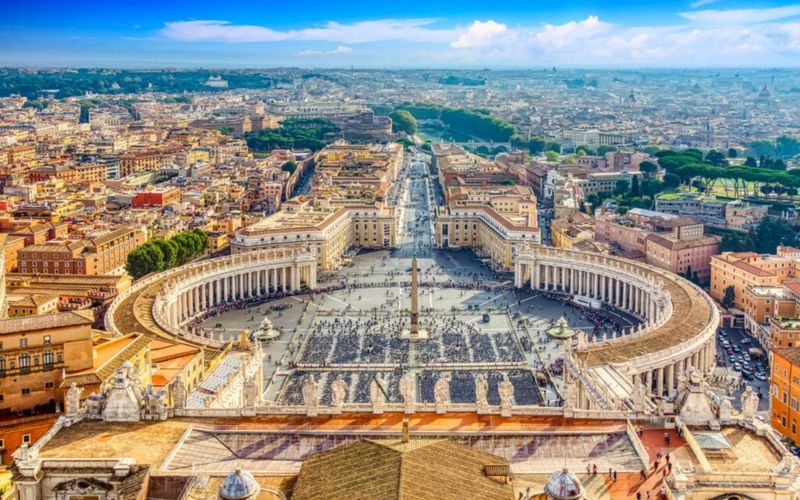
History lives deep in Rome’s stones, centuries stacked like pages underfoot. From every corner, stories rise – ruins whisper beside grand old churches. Mild air floats through springtime streets, making walks feel effortless. Monuments stand close, linked by alleys that pull you forward without warning. Art hides in plain sight, waiting where least expected but most felt. Time slows near fountains older than memory, their water still moving. Beauty arrives quietly here, not announced, simply present at dawn light. Wander long enough and even silence begins to speak. Each step brushes against echoes of emperors, artists, dreamers gone. The past does not sleep in this place – it moves with the crowds. Among ancient stones, a fountain flows near busy squares. Always, Rome finds ways to surprise.
Inside the Colosseum, time slows. This massive stone ring rises like a fossil of empire, known everywhere yet unlike anything else. Close by, broken columns line what was once the Roman Forum – where voices shaped laws and lives long gone. Step there, let dust rise underfoot, see how silence now fills spaces that once roared. Among fallen stones, stories reappear without warning. Perched close by, Palatine Hill unfolds sweeping vistas of the city alongside ancient ruins that whisper stories long gone. Step through these places, one after another, and time seems to fold into itself.
Among art destinations, Vatican City stands out with its museums packed full of rare masterpieces. Stretching on and on, the halls show off statues, canvases, and woven works glowing with detail. What grabs most attention? That would be Michelangelo’s vast ceiling in the Sistine Chapel. Looking up at it pulls something deep – quiet, intense, hard to put into words. Peter’s. Standing close by, Peter’s Basilica brings a deep sense of wonder through towering art and quiet holiness. Few places match the creative power found within Vatican City.
Days 10–11 Naples raw art ancient ruins
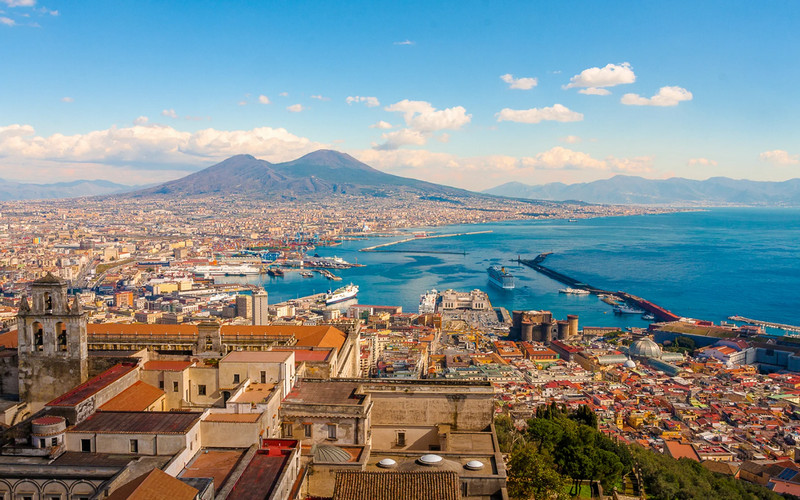
Down here, art doesn’t whisper – it shouts through cracked walls and sunlit alleys. Color spills across buildings like thoughts too loud to contain. Vesuvius looms close, a quiet watcher shaping the rhythm below. Creatives flock to this hum, pulled by something restless and real. Sound drifts from open windows – songs, arguments, laughter tangled together. Nothing feels polished; everything feels true. You remember it later, without meaning to.
Old Naples sits recognized by UNESCO, home to churches, ornate old buildings, yet always alive with open squares full of people. Between tight alleyways, voices mix, routines unfold just like they did long ago. Far below modern roads lie remnants once buried near Pompeii now kept inside the city’s main museum. Figures carved in stone, floors made of tiny tiles reveal how others lived when empires ruled the land. Hidden inside each room, forgotten stories wait under soft light. A must for anyone drawn to the past, not just collectors of old things.
A visit to Pompeii sticks with you, revealing daily life from long ago. When Mount Vesuvius blew apart in 79 AD, it locked the place mid–breath. You step onto cobbled lanes that feel quiet, too still. Homes stand open, walls painted with scenes from another age. Sudden silence hangs where voices once moved through courtyards. Buildings meant for markets, baths, meetings – all caught in a single moment. What happened there doesn’t shout; it whispers underfoot. Ahead, the shape of the volcano cuts into the sky, quiet but hard to ignore. Walking among the old stones, time slows – each step pulls you deeper into what once was.
Amalfi Coast on Day 12 Looks Like a Painting
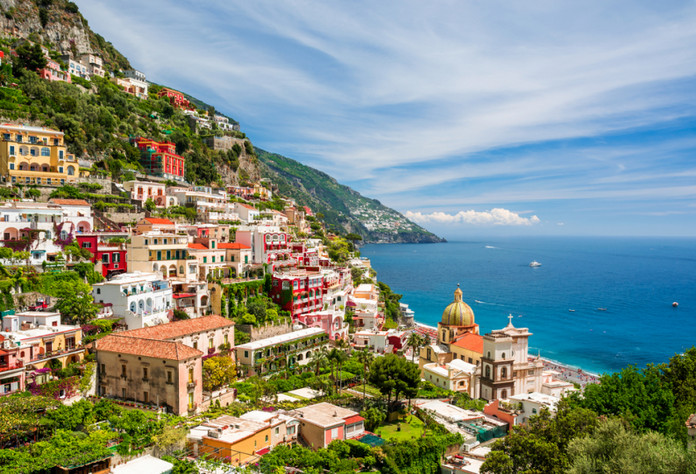
Down where the cliffs dive into blue light, art finds its edge on the Amalfi Coast. Bright houses cling to slopes like secrets whispered through time. Above shimmering water, old towns hum with stories painted by sunsets. When spring lifts over the hills, blossoms spill down stone steps. Roads curl slowly, offering views that stick behind your eyes. This stretch of land – uneven, vivid, quiet – closes a trip better than words can finish.
Down narrow lanes, Positano unfolds – homes painted bright tumble down to meet the water. The old cathedral in Amalfi stands quiet, shaped by centuries of sailors and stone carvers. From a table near the shore, one might watch light shift across waves like something seen in dreams. Warm breezes carry the sharp sweetness of lemon trees growing on terraced hillsides. Each detail fits without effort into a place that feels both real and half imagined. Waves nudge the shore, slow and steady, pulling thoughts into calm. Sunlight drapes over cliffs like paint, each moment on the Amalfi stretch caught mid–breath.