Symi
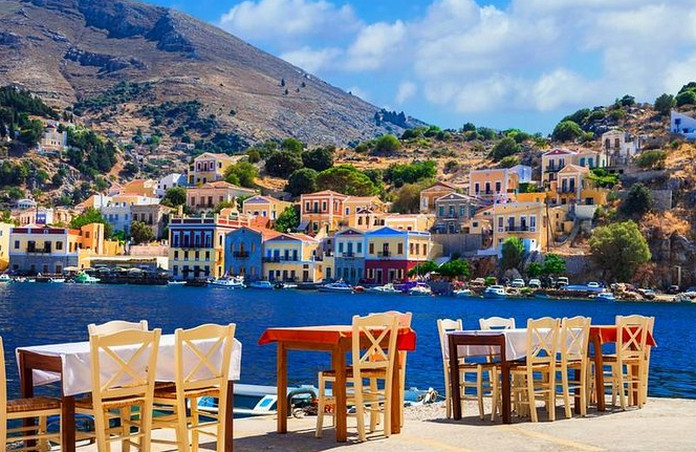
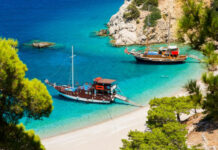
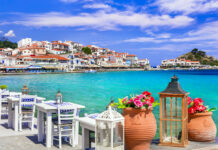
Down near the water, Symi unfolds like a dream tucked inside a curved bay called Gialos. Colorful old homes climb the slopes, one above another, heading skyward from the shore. These bright buildings tumble down the hillsides, forming a scene few harbors can match. Churches appear between lanes and stairs, quiet markers of long–held beliefs. Most people see the full beauty first from seaward, standing on a boat as the whole village fans out ahead. Farther south, past coves and pines, sits the still monastery of Panormitis – built for Archangel Michael, settled in calm.
Old stone walls rise from a hillside, built long before clocks ticked loud. Though time has passed, the place still hums with hushed prayers and slow footsteps. Instead of bright shops or busy streets, silence wraps around every courtyard. Frescoes painted centuries ago cover ceilings, their gold fading just slightly under dust and light. Once hidden behind rocky cliffs, now people arrive from distant islands each season. Waters near the shore stay flat and clear, mirroring dawn without ripple. Pilgrimages continue even today, though buses replace old mules on narrow paths.
Elafonisos
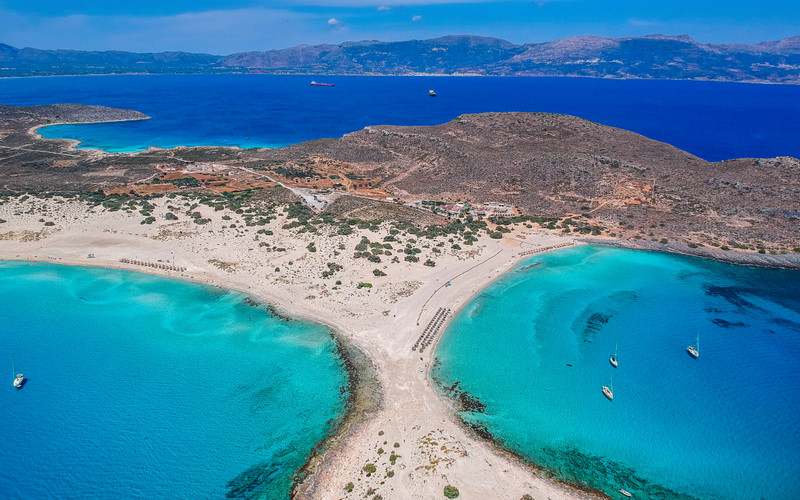
Hidden away near Crete’s southwestern tip, Elafonisos slips under the radar like a secret whispered by the sea. Though just 7.7 square miles wide, it holds vast quiet charm untouched by rush or noise. Soft shores meet water so clear it looks painted in shades of bright blue. Travelers come far, pulled not by fame but by peace found on long stretches of sand. Simos Beach leads among these spots – its gentle waves glide over golden grains without hurry.
Waves lap gently at two separate coves, each shaped by nature for lazy swims and long stretches of warm sand. Not far off, Lefki hides behind limestone cliffs while Kalogeras curves like a whisper along the coast. Quiet steps lead to Kontogoni where pebbles meet foam in quiet rhythm. Sarakiniko waits further on, rougher but just as bright under clear skies. Travelers who slow down will find their pace matches Elafonisos well, no rush needed here. Crowds rarely gather; stillness does instead. Little ones wade safely through water so thin it barely covers their toes. Golden light spills sideways late in the day, turning everything near the edge molten for a short time.
Lefkada
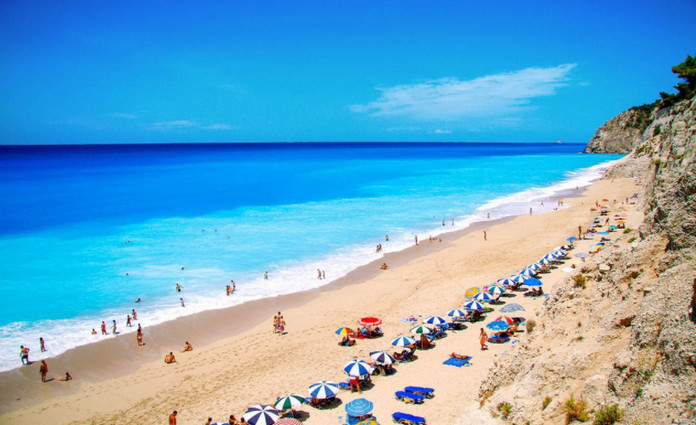
Lefkada sits in western Greece, known for dramatic shores, old–style towns, quiet monasteries, along with deep–rooted customs. Around twenty–one dazzling sand–lined coasts lie across the island – many ranked as top spots in the Mediterranean region. Not just scenic views, these stretches of shore bring chances for diving, kayaking, or simply wading through clear waves. Westward, nearly forty–three kilometers from Lefkada Town, rests Porto Katsiki – the standout shoreline everyone talks about.
High white cliffs rise beside this shore, while thick green plants grow close to the water’s edge. Not far away, Egremni waits with quiet beauty, followed by Kathisma’s wide stretch of sand. Then there is Agios Ioannis, calm under sunlight, along with Mylos hiding in quieter corners. Wandering through Lefkada Town means narrow lanes, old stone buildings, and coffee served near the sea. Inland, small villages move at their own rhythm, untouched by rush. Many say this place holds excitement gently, without losing its peace.
Corfu
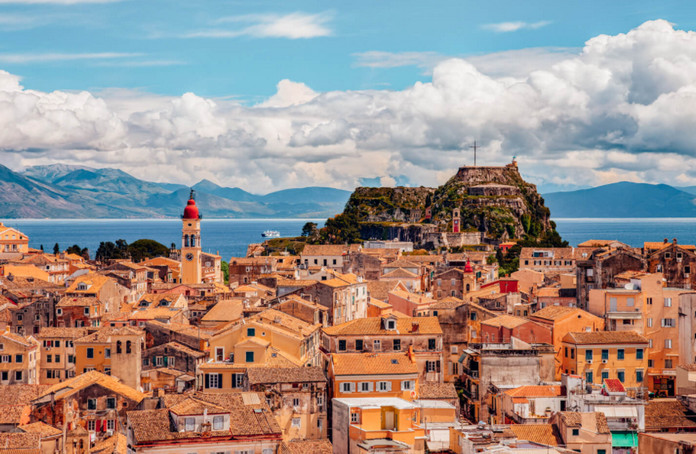
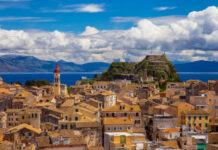
Off the northwest shore of Greece, Corfu isn’t only about sand and sea – history lingers in its air, woven into green hills and ancient corners. Wander through the island’s old heart, where buildings shaped by Venice stand guard beneath twin strongholds carved from stone. Beneath your feet, winding paths paved long ago whisper stories under soft light. Time slows here, among alleys that twist like secrets waiting to be found.
Right in the middle of town, The Esplanade spreads wide – among Europe’s biggest open spaces – where people often meet and linger. Housed on the island, an archaeology museum holds relics from long–ago cultures, standing quiet but full of presence. Green hills roll across Corfu, thick with olives, making it stand out for how much life grows here compared to others in Greece. Instead of just one influence, layers of Italian, French, and Greek flavors mix into daily rhythms without announcing themselves. History lives quietly in each alleyway, courtyards whispering old moments like they happened yesterday.
Mykonos
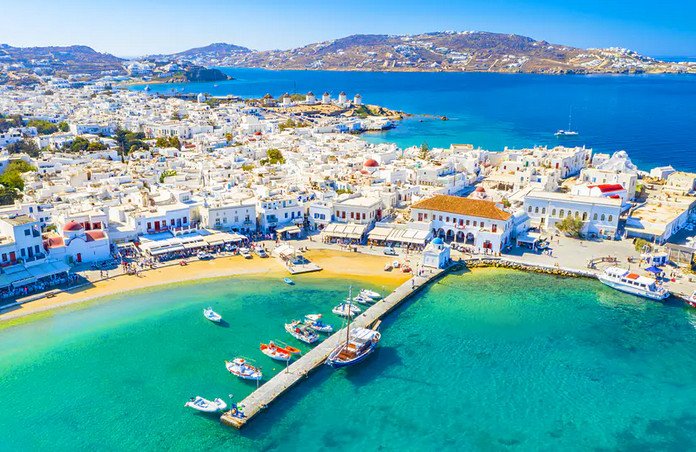
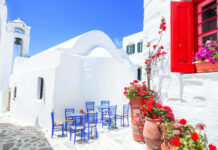
Off to the east, Mykonos sits in the Aegean, known for wild nights, soft golden shores, yet also quiet white buildings shaped by time. People arrive from everywhere, drawn not just by music but by slow mornings under sunbaked walls. In Chora, alleys twist between homes painted bright white, their curves forming scenes like old postcards. Standing tall through centuries, wooden windmills mark the skyline – silent, weathered, part of the land now.
Seven of the sixteen windmills sit high on the hills above Chora, where the sea spreads wide beneath them. Golden and pink skies make those windmills unforgettable as day slips into night. Seaside eateries with cozy corners line the shore, while sleek beach clubs catch the sun along the sand. Old–world Greece lingers here even amid a lively present. Calm mixes easily with energy in this place, like waves meeting land each morning.
Kefalonia
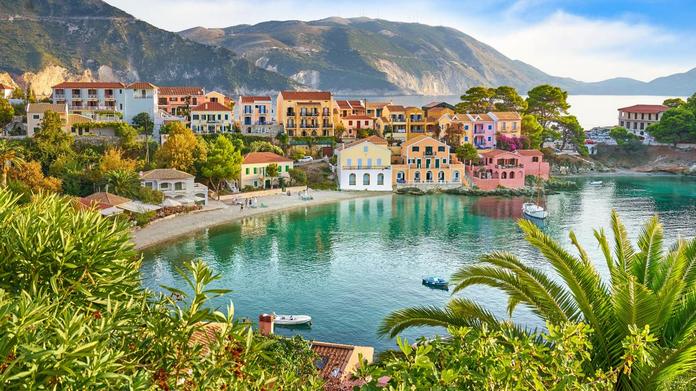
Hidden among the waves, Kefalonia stretches wide as the biggest spot of land in the Ionian Sea. Its landscapes shift wildly – rocky peaks give way to green folds below. Waterfronts stay untouched by time, smooth and clear along the edges. Quiet old monasteries sit tucked into hillsides, holding stories without speaking them aloud. Far beneath the surface, a cave named Melissani glows with water so blue it feels lit from within.
About 3.5 kilometers long, the cave holds a beautiful natural lake inside. Through openings in the broken ceiling, sunlight spills down, dancing across the water’s surface. A ride through on a small boat lets people move quietly beneath stone walls. Hidden villages dot the island, each offering familiar faces and slow–paced charm. Far from crowded spots, this part of Greece stays softly lit, almost whispered about.
Rhodes
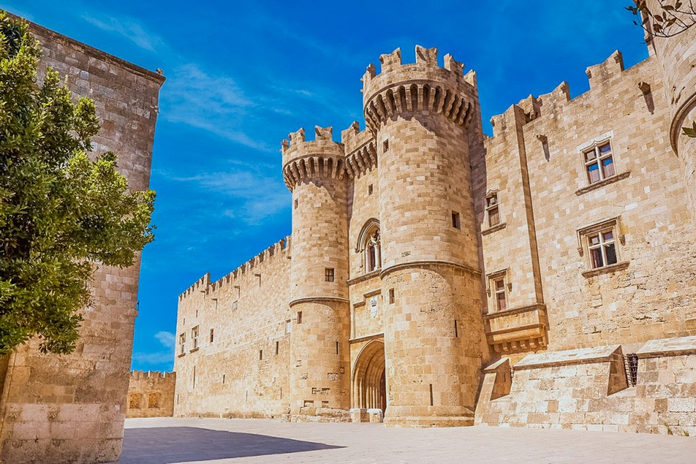
On Rhodes, layers of time show up in old stones along the shore. Its Old Town stands out – a maze of narrow streets frozen from the Middle Ages. Among the largest relics sits the Palace of the Grand Masters. This fortress–like structure rose under the rule of the Knights of Saint John during the 1300s. Few places in Europe hold such complete traces of that era.
Inside the palace, 158 rooms unfold, each holding mosaic details carved into marble surfaces. Stone paths wind beneath ancient fortifications in the Old Town, where time seems slower. Along the coast, Rhodian shores curve into sandy coves while quiet villages dot inland hills. History layers onto landscape here, forming what draws so many travelers. One moment you’re tracing ruins, next you’re pausing by turquoise water.
Zakynthos
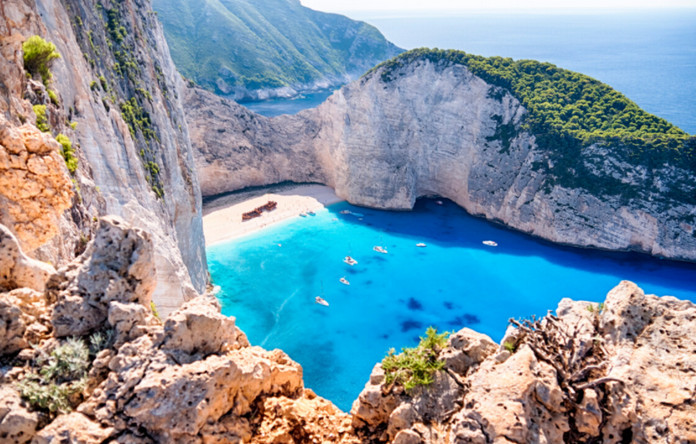
White sand meets sharp blue at Zakynthos’s most famous spot – Navagio, where a beached vessel tells a quiet story. Cliffs rise like walls around the bay, holding in the stillness of sea and sky. Water stays clear, almost glasslike, shaped by winds that carve stone over years. Reachable only by small boats bobbing in from afar, the place feels hidden on purpose. A rusting ship, named Panagiotis long ago, lies half–buried, giving the shore its soul. Few places carry silence so loudly.
Turtle Island draws attention not just because of its form but thanks to the quiet life thriving around it. Hidden coves host loggerheads returning each season to lay eggs beneath warm sand. Water invites slow drifting, eyes below scanning rocky edges where fish dart between shadows. Coastal curves balance rugged cliffs with stretches of untouched shore. Snapshots tend to capture more than scenery – there’s a stillness that sticks.
Crete
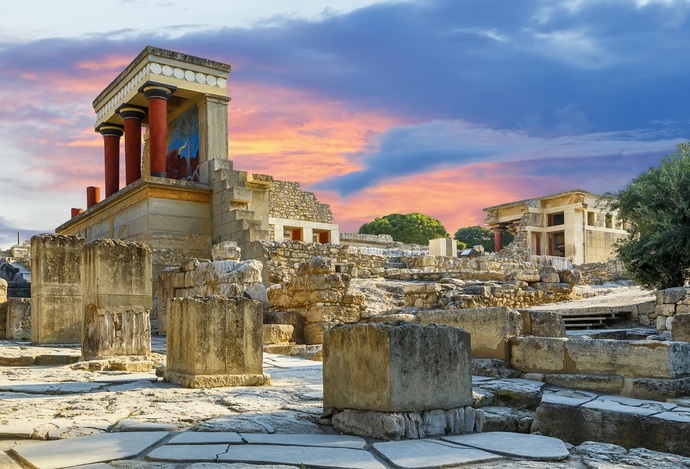
Home to rugged peaks and green lowlands, Crete stands as Greece’s biggest island. With shores that run more than 650 miles, it invites quiet discovery along rocky coves and soft sands. Ancient traces linger in its towns while wild paths climb toward open skies. Beauty here shows up in clear waters, hidden trails, and sunlit ruins scattered across the land.
Turquoise waves wash across Balos Beach in Chania, where soft white sand draws visitors from afar. Hard to believe, but the calm lagoon looks like something from a dream. Elafonissi shows up with pink–tinged shores, while Vai hides behind palm trees unlike anywhere else nearby. Falassarna hits hard with wild beauty, especially at sunset when cliffs glow orange. Preveli brings river meets sea, tucked beneath dense greenery further south. Old Minoan stones rise quietly among hills, telling stories without words. Villages cling to mountain sides, built slow by hands long ago. Food here doesn’t shout – it speaks through herbs, olives, and slow–cooked warmth. Some come chasing trails and climbs, others just want stillness under olive shade. This place holds both, never forcing one over the other.
Santorini
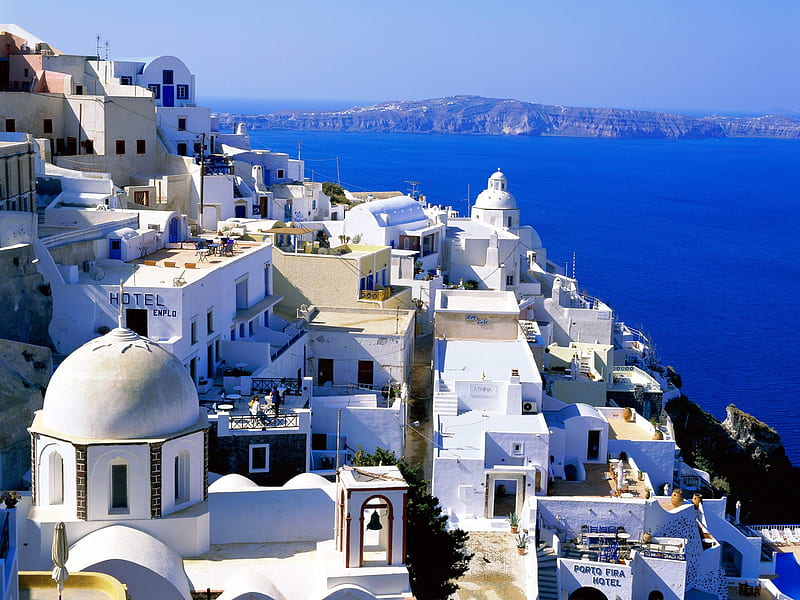
Beauty like Santorini’s shows up rarely among Earth’s islands. Sharp edges of land drop into the sea, while houses painted white shine below round church tops in calm blue. Sun dips here in ways that pull people across continents just to watch. When you arrive, Fira greets without warning – a sudden spread of caldera view stops thoughts mid–step.
Hidden among cliffside homes, cozy cafes sit beside high–end stays. Winding paths open up to quiet lookouts where sea views stop you cold. Instead of just blue water, stretches of red rock and black sand shape the shorelines down below. Long before tourists came, people built whole towns here – like Akrotiri, frozen in ash but still speaking. Romance slips through on salt air, mixing with old stones and wide skies. Elegance stays, not because it tries, but because time hasn’t worn it thin.