Eiffel Tower
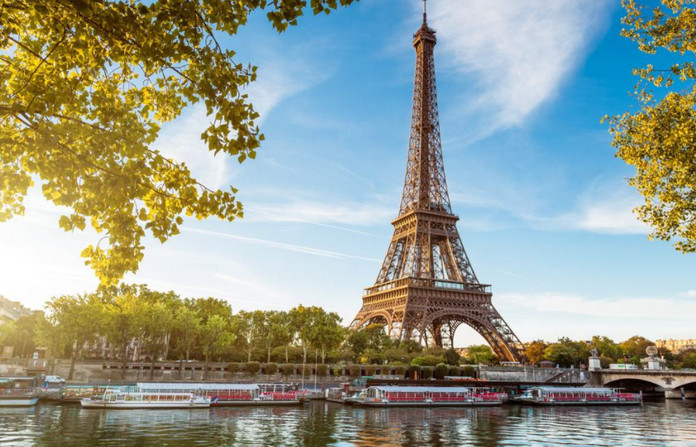
Only a handful of places on Earth grab attention like the Eiffel Tower. Above Paris, it climbs into the sky with quiet strength, built first for an 1889 exhibition. Not just metal bones but art shaped by vision and clever design. People arrive from everywhere, drawn without knowing why – year after year. From nearly every district in Paris, its silhouette cuts across the skyline. This structure now draws visitors no matter where they come from. Though once questioned, it stands firm as part of the city’s soul
From up high, eyes meet wide–open skies and the sprawl of Paris laid bare beneath. Sitting at a table here means eating while seeing landmarks stretch far into the distance. Walking near its base lets some feel small as it rises sharply above green lawns. Sunlight dances differently on metal beams depending on the hour. The whole shape seems alive when shadows move slowly down each level. Golden light spills over the buildings when the sun dips low. Music drifts from corners where artists play, while cameras click nearby. Each moment feels different, shaped by sounds and shadows stretching across sidewalks.
Standing tall, the Eiffel Tower marks a shift in how buildings were designed and built. Though people doubted it at first, time turned harsh words into praise for its daring shape. Now it signals forward motion, fresh thinking, and fearless invention. Many constructions afterward borrowed pieces of its look or method, quietly echoing its presence. Standing tall, the tower carries Paris’s legacy as a home for artists and thinkers through time. Still today, it shows what happens when bold dreams reshape skylines.
Colosseum
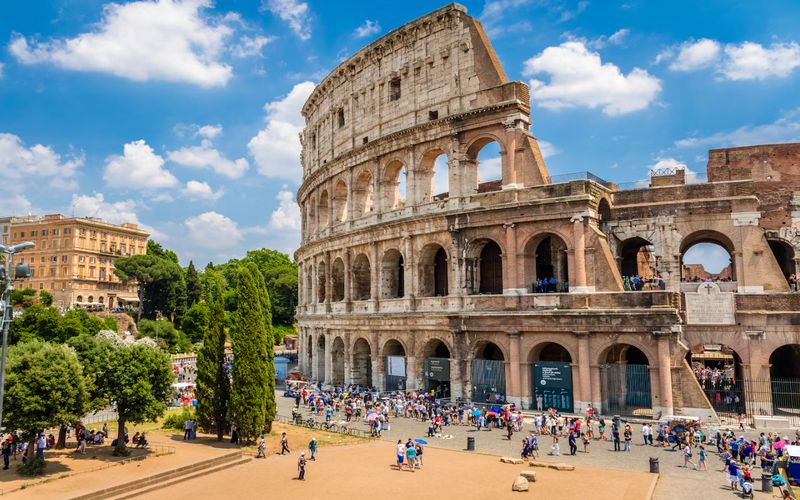
Standing tall after centuries, the Colosseum whispers stories of Ancient Rome’s bold vision and relentless drive. Almost two thousand years past, this giant arena filled with roaring crowds watching fierce battles, theatrical tales, loud pageantry. Because of how it was built, experts still marvel at Roman skill during their strongest era. Though broken by time, its shadow across the city stirs deep respect even today. Beauty lives alongside harsh truth within its stone bones
Down below, dim passages wait – once bustling with fighters, now silent except for footsteps. Stone steps lead upward, worn smooth by countless feet long gone. Above, sunlight hits empty rows where thousands once sat together under one sky. Cracks run deep through walls, yet the shape holds firm against time’s pull. Sounds fade fast here, but not the sense something big happened within these rings. Still standing after all these years, the structure shows just how tough ancient builders could be. From every angle, traces of daily Roman drama quietly emerge.
Among the remains close by, such as the Roman Forum and Palatine Hill, the visit gains more depth. Close to these old structures lies a clearer picture of how people once governed, worshipped, and lived. In combination, they form what stands today as a key stretch of history across the continent. Walking through it, you step into a landscape where every fragment holds echoes of long–ago voices. Hours slip by while people wander through the stacked stories tied to these places. For those drawn to ancient worlds, it still stands as a must–see stop – time folds into stone here.
Acropolis of Athens
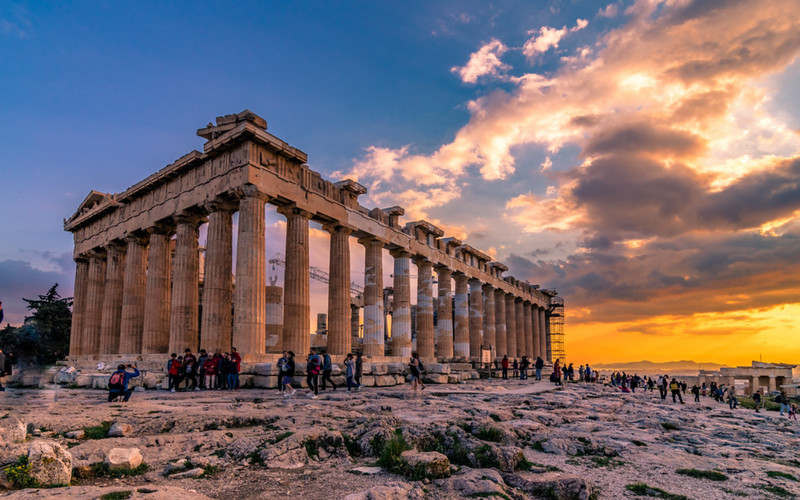
High above today’s Athens stands the Acropolis, a landmark known across the globe for its deep historical mark. Rising within it are ruins of old structures, among them the well–known Parthenon – built for Athena, their wise protector. Crafted in the 400s before year zero, this place shows Greece at its creative peak. Sitting high on rock, it once spoke of values held dear: learning, meaning, inner strength. Even now, people drawn to history, design, or distant roads find something stirring here
Perched high above the city, this place whispers stories of early democratic ideas instead of just displaying stones. Marble pillars rise up, carved so precisely they seem almost alive under sunlight. Sculptures hold frozen gestures, their details sharp even after ages have passed. From here, eyes travel across rooftops all the way to distant edges where land meets sky. Old fragments sit beside bustling streets, time layers piling into one view. Still standing just as it was meant to be, the place holds tight to its past. Each building speaks of times long ago, rooted in Greece’s oldest stories.
Golden light spills across the old stone steps just as shadows begin stretching long. As darkness rises from below, tiny city sparks blink awake in every direction beyond. Soft brightness wraps around columns right when most cameras start clicking nearby. Quiet settles through the ruins once crowds thin toward winding paths downhill. Standing there, you can almost hear echoes from another age. Still today, that hilltop holds stories carved in stone.
Sagrada Família
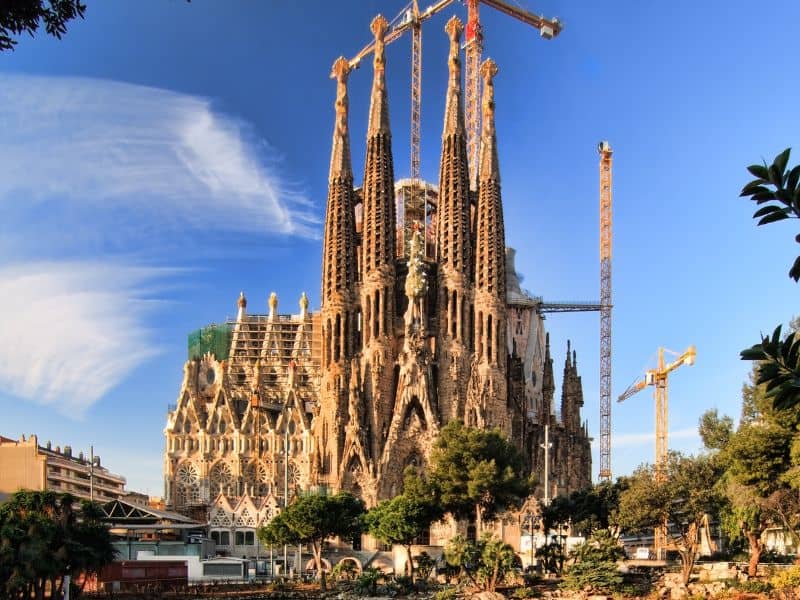
A forest of stone towers lifts skyward – this is Barcelona’s Sagrada Família, unlike any church seen before. Though begun long ago, its form feels alive, shaped by Antoni Gaudí’s restless imagination. Instead of rigid lines, curves twist like vines through both Gothic echoes and flowing Art Nouveau rhythms. Carvings swarm across the frontages, each holding quiet meanings drawn from faith and the wild world. While many buildings stand still, this one seems caught mid–growth, emerging from earth as if grown rather than built. To step near it leaves people silent – not just at size, but because art can still surprise
Work started on the building in 1882, still unfolding now, placing it among today’s most enduring builds. With every update, layers deepen what Gaudí first imagined. Within, tall supports rise and spread like trunks in a grove, evoking a forest carved from rock. Light pours through colored glass, painting the space in hues that change as hours pass. When sunlight shifts, the room becomes something new. A morning stop gives one impression, an afternoon pause another.
Out past the rooftops, the Sagrada Família rises like a dream carved in stone. Still growing after all these years, it breathes color into sky with spirals that twist toward light. People arrive by train, by foot, drawn without knowing why – something pulls them close. Not just a church, but more like memory built tall over time. Each visit feels different, maybe because the sun hits new angles every day. Still sparking ideas among builders and creators everywhere. Rarely does a building mix belief and beauty so strongly as this one.
Elizabeth Tower and the Palace of Westminster
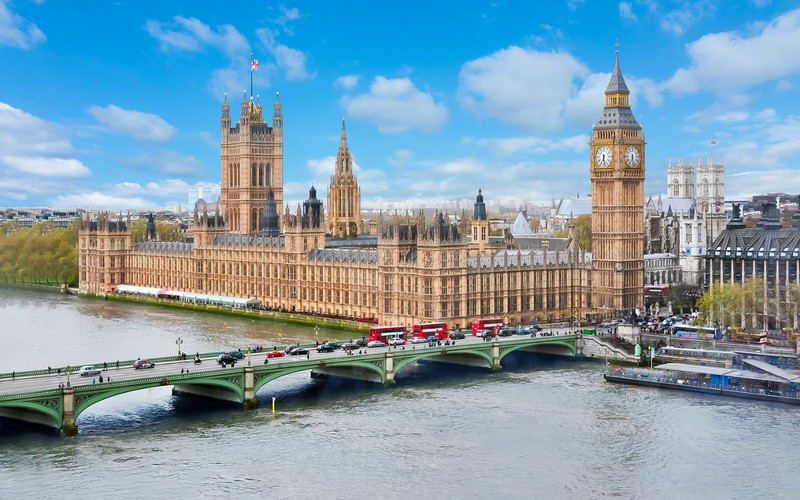
Standing tall by the Thames, the famous clock tower called Big Ben belongs to the old Palace of Westminster in London. This grand building, built in a Gothic way, sits right on the water’s edge, making it a key symbol of UK politics. Century after century, its stone walls have watched over debates and decisions shaping the nation. Seen from afar, the silhouette against the sky marks one of Earth’s best–known views. With grace that never fades, the spire lifts the look of the entire city above the rooftops
Midnight strikes, yet the echo lingers – Big Ben’s voice shapes London’s pulse across decades. From Westminster Bridge, eyes lock onto the tower, more striking after dark when golden light wraps its frame. Along the Thames edge, crowds gather without effort, drawn like tides. People pass through, but the chime remains fixed, ticking through change. Life hums nearby, fueled by footsteps, talk, sudden laughter. History mixes into daily street scenes here. Still snapped more than almost any spot downtown.
Out here, Westminster Abbey sits close to the London Eye, pulling crowds without effort. History mixes with modern buzz in this part of town, shaping how people experience it. A full day often slips by while walking past famous spots. Right at the heart stands the Palace of Westminster – still where laws take shape. Seen all together, they turn into something bigger than any single landmark.
Neuschwanstein Castle
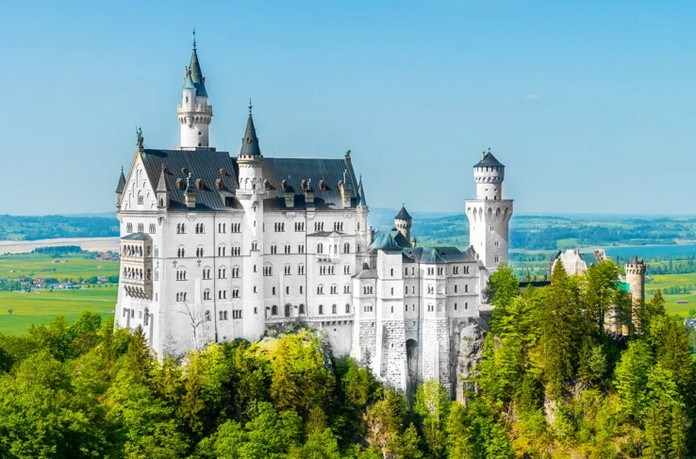
High up in the Bavarian Alps sits Neuschwanstein Castle, resembling something out of an old storybook. Not built for war or wealth, but as a quiet escape shaped by ancient myths and grand opera scenes – King Ludwig II started its construction during the 1800s. With steep spires cutting into the sky and peaks rising behind, the scene feels more imagined than real. More dream than stone, yet standing firm through time. Though rooted in history, it speaks louder of personal vision than royal duty. Today, people across Germany see it as a unique mark of identity, quietly famous without trying to be
Every year, people arrive here from distant places, drawn by changing moods across the seasons. When summer arrives, meadows climb up the hills, bright and full of wild grasses near the stone walls. Snow covers everything come winter, turning towers and pathways into something hushed and pale. Inside, ceilings rise high above floors lined with carved wood and painted scenes twisted through time. Voices on recorded walks describe how the king dreamed, built, then vanished behind closed doors. From the nearby paths, views open up that beg to be captured on camera. Each side of the fortress looks like it was made for a greeting card.
From dreams of faraway kingdoms came Neuschwanstein, shaping stories, paintings, and movies without trying. Not built for war but wonder, it rose like something whispered by legends. Around corners of imagination, its towers echo in films you’ve seen. Instead of cannons or conquests, it sings of music, myths, and moonlit spires. A castle that never fought battles still won hearts across oceans. Some say it feels like stepping into a dream, tucked away in southern Europe. Still standing strong, this place blends old stone grace with green hills rolling nearby.
Charles Bridge
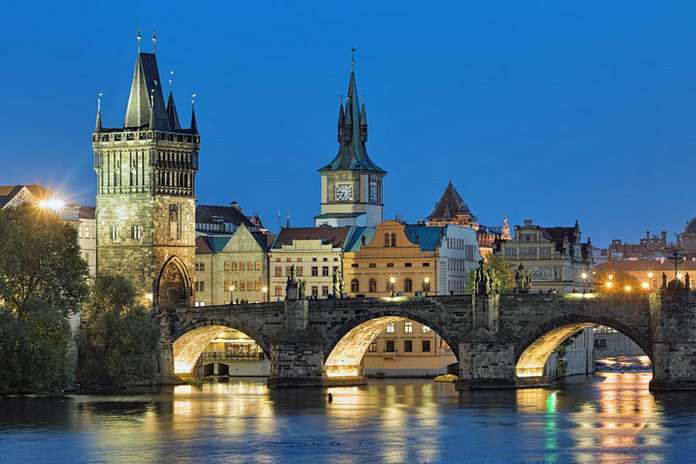
Over the Vltava, ancient stones rise into graceful arcs. This crossing links Prague’s past with its castle-topped hill. Crafted when kings ruled and masons shaped eternity, it stands unshaken by time. Saints watch quietly from niches along the path. Each figure tells stories carved long before modern hands touched stone. Century after century, footsteps echo where traders once met pilgrims. History lives not in books but beneath your feet on this old span
Mornings start slow here, just you and the silence stretching across the stones. Music drifts through the air later when players tune up near the railings. Light begins to shimmer once night settles, bouncing off water below in broken lines. The castle watches back, perched high, framed perfectly between stone saints. Crowds fade into shadows but the scene holds its breath, unchanged. Some people come back again and again just to feel how it shifts with the light. Still, few spots downtown carry quite the same quiet weight.
Among the rooftops and spires, Prague wraps the bridge like an old story given shape. Towers wearing centuries stand beside houses painted bright by time instead of design. Underfoot, stones worn smooth tell their own quiet history without saying a word. Through fire, flood, war, it stayed – never asked to be admired, just used. Connecting one part of memory to another, its purpose never faded. Even now, people cross not for sightseeing but because that is how you move from there to here. What looks delicate holds firm, much like the city itself refuses to forget.
Mont Saint-Michel
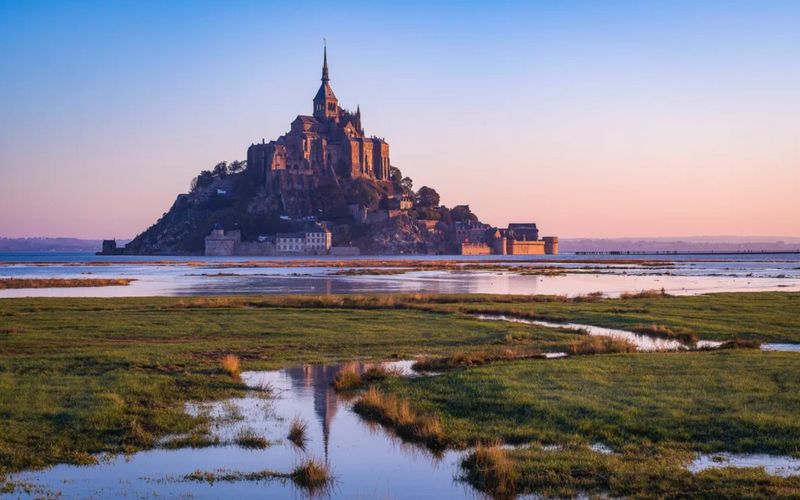
Popping up out of the ocean near Normandy’s shore, Mont Saint-Michel stands as one of Europe’s strangest and most captivating sights. Atop the rock sits an old abbey so grand it looks suspended when water surrounds the base at peak tides. With its wild surroundings, the place almost seems pulled from a dream world. Pathways, thin and crooked, climb past houses made of weathered stone and ancient arches built long ago. Walking there gives the sense of stepping into another century without notice
Hidden among sea mist, Mont Saint-Michel unfolds like a maze of old stone paths and towering arches. Centuries ago pilgrims walked these same routes, drawn by quiet moments away from noise below. Twisting alleys lined with small stores climb upward past worn steps and weathered fortifications. From the highest point, where the great church stands, you can see water stretch far into distance. Each turn reveals something older than memory – silent, solid, still standing. Up top, the climb through the village tests your pace but gives back in views. With each rise, the land unfolds differently below.
Water wraps around Mont Saint-Michel when the sea climbs high. When it pulls back, wide stretches of sand appear where none seemed before. Each shift gives the place a different feel than the last time seen. What looks like an island cut off one moment stands reachable on foot soon after. These shifts shape how people experience the site without warning or repeat. Most people see it as a standout symbol of France, captured endlessly by cameras. A sense of wonder hits each visitor, just the same today as ever.
Schönbrunn Palace
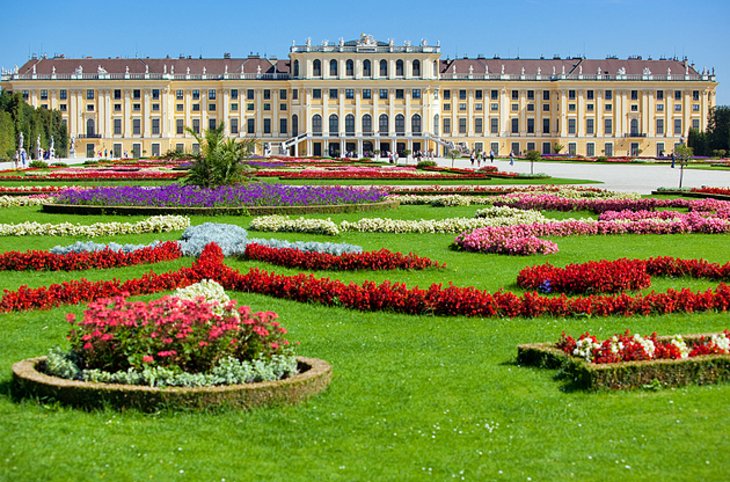
Once home to emperors, Schönbrunn Palace rises in quiet splendor through Vienna’s green outskirts. Baroque curves shape its walls, windows dressed in gold like old aristocrats at dawn. Rooms inside unfold with intricate patterns, each ceiling a painted sky frozen mid–motion. Instead of modern simplicity, it holds centuries of ornamented taste behind glass and velvet rope. Outside, water leaps from stone basins into air that smells faintly of moss and damp marble. Figures carved long ago watch silently between hedges trimmed too precisely to feel natural. Though time moves on, this place remains fixed – not quite alive, yet never still. Austrians guard it carefully, less out of pride than duty to memory. Few buildings carry weight like this one does under their care.
Step inside to wander through royal living spaces once home to Habsburg monarchs. Beyond the main building, green trails unwind into quiet corners where time slows down. From the top of Gloriette Hill, the city spreads out like a map under open sky. Bright blooms shift with the months, painting the landscape in fresh colors again and again. Inside, old charm meets music under vaulted ceilings. Each room tells stories through details shaped by time.
Standing tall through centuries, Schönbrunn Palace reflects peak elegance of Europe’s royal past. Kept intact by careful effort, it now holds UNESCO status. Art blends with greenery and time here in ways that pull people deep inside. Each year brings wave after wave of travelers drawn to its scale. Still standing tall, the building holds a special place in Vienna’s heart. Not just old stone and glass, it carries echoes of emperors long gone.
Stonehenge
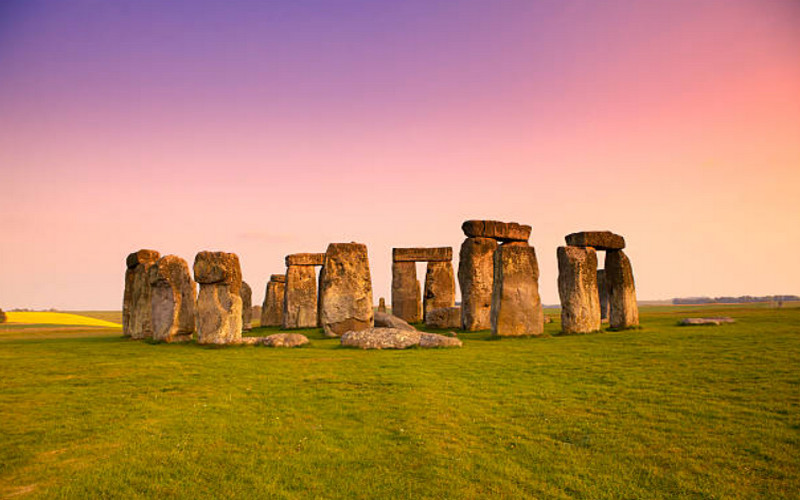
Deep in southern England stands Stonehenge, among Europe’s oldest and most puzzling landmarks. Though raised millennia past, what it was truly meant for still eludes experts today. Huge rocks set in careful ring patterns keep scientists guessing without answers. Putting those stones up took immense labor, plus precise planning across groups. Even now, there lingers something sacred about the place, quiet yet powerful
Among the stones, a quiet feeling rises, tied somehow to what came before. One idea says people gathered here when seasons shifted, marking time with fire or chant. Another guess points to sun alignment, where light hits stone just right on longest or shortest days. What remains is how the place pulls at something deep, even now. Hills and sky wrap around it, making everything feel hushed, older than words. Some people walk away quiet, others stay for hours. Still today, it draws more research than nearly any ancient place on Earth.
Something built long ago still puzzles people today. Travelers come, scholars study it, others feel drawn by quiet forces within the stones. Questions swirl around it – different minds see different truths. Keeping it safe means those who follow will also stand before it, unsure but feeling something. Old roots rise here, hidden yet felt, shaping how we view where we came from.