Assuming Everyone Speaks English

While many Germans speak English, especially in major cities, airports, hotels, and popular tourist destinations, it is not universal. Tourists sometimes assume they can travel through Germany without learning a single German word, which can come across as rude or entitled. Even when locals understand English, making an effort to use a few German expressions is generally appreciated. It can also make everyday situations, such as ordering food or asking for directions, much easier. Learning a handful of simple words before your trip can make your experience feel more welcoming and personal. You may also discover that locals become more willing to help when they see that you are making an effort to communicate in their language.
Tip: Learn basic phrases like “Hallo” (Hello), “Danke” (Thank you), and “Entschuldigung” (Excuse me). Germans appreciate the effort, and it can make interactions smoother. You can also learn “Bitte” (Please/You’re welcome) and “Sprechen Sie Englisch?” (Do you speak English?). Even a few simple phrases can help you start conversations on a friendly note.
Underestimating Public Transport Etiquette
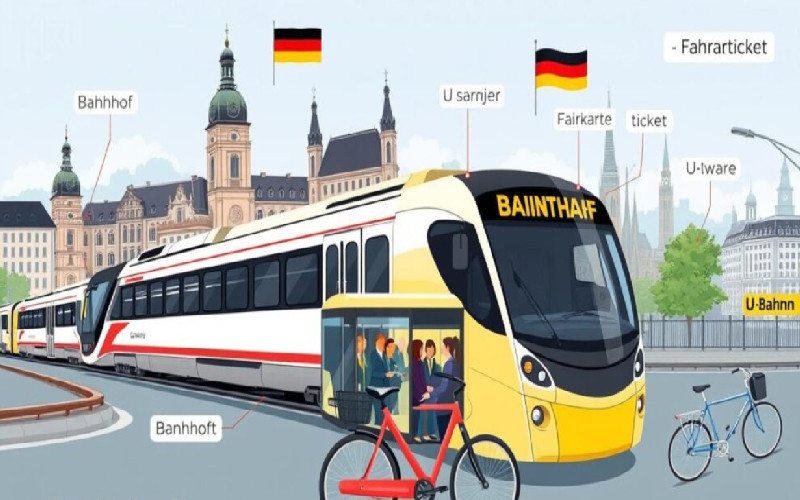
Germany has an extensive public transportation network that includes trains, trams, buses, and underground systems. However, tourists sometimes overlook small but important rules, such as validating tickets, standing quietly on trains, or giving priority seats to elderly or disabled passengers. Public transportation is an important part of everyday German life, so passengers generally expect others to follow basic etiquette. Loud conversations, blocking doors, or putting luggage on seats can quickly attract unwanted attention. It is also important to pay attention to signs and announcements, particularly when traveling through busy stations. A little awareness can make your journey considerably more comfortable and stress-free.
Tip: Always check whether your ticket needs to be validated before boarding or starting your journey. Stand on the right side of escalators so that people in a hurry can pass on the left. Keep your belongings close and avoid blocking entrances or exits. Following these small rules helps you blend in and shows respect for local customs.
Trying to See Too Much in One Day
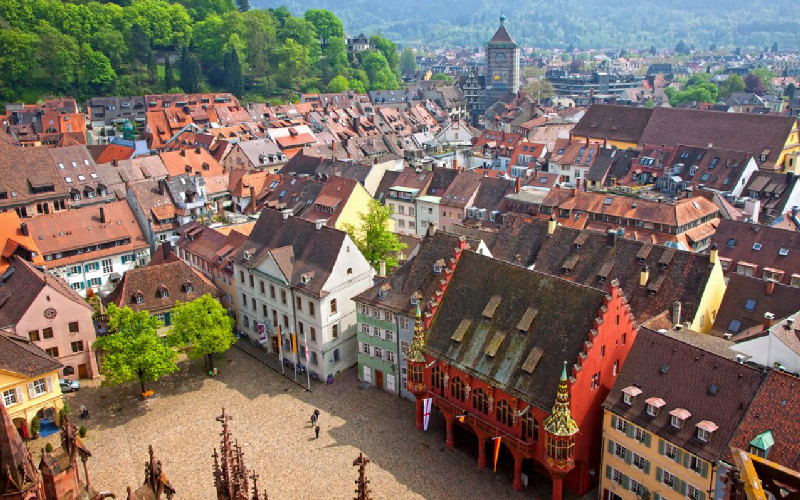
Germany is a large and diverse country, with historic cities, fairytale castles, scenic landscapes, and cultural attractions spread across different regions. Tourists sometimes try to visit several cities in a single day, leaving themselves exhausted and unable to truly enjoy each destination. Long train journeys and transfers can take more time than expected, especially when connections are involved. Rushing from one attraction to another also means missing the atmosphere that makes many German destinations special. Instead of collecting as many destinations as possible, travelers can benefit from slowing down and experiencing each place more deeply. A relaxed itinerary often leaves more memorable impressions than a packed schedule.
Tip: Plan realistically and focus on one main city or region per day whenever possible. Allow extra time for wandering through historic streets, enjoying local cafés, visiting markets, or relaxing in parks. If you want to visit several cities, consider spending at least one night in each rather than treating them as quick stops. Building some free time into your itinerary also gives you flexibility when plans change.
Overlooking Regional Differences
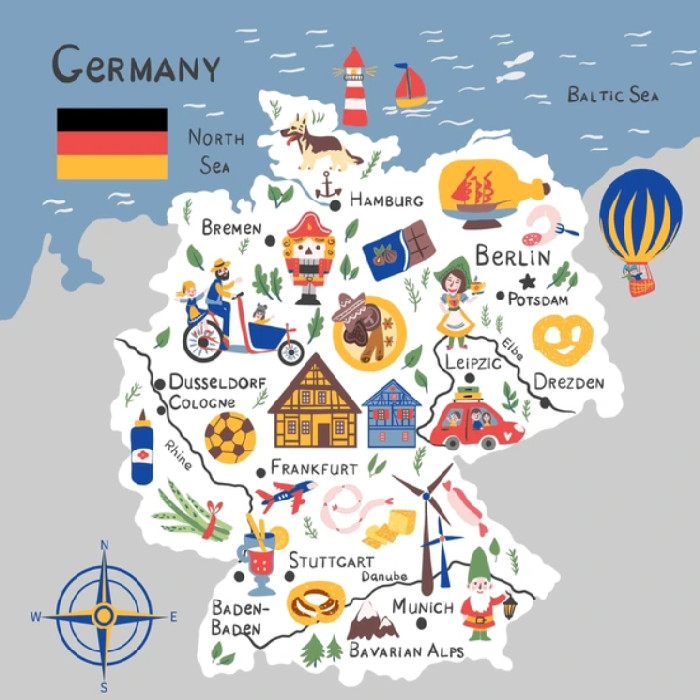
Germany is far from culturally uniform, and each region has its own character, traditions, food, architecture, and local identity. Bavaria can feel very different from Berlin, the Rhineland, Saxony, Hamburg, or the Black Forest region. Tourists sometimes assume that customs, cuisine, and even language accents are essentially the same throughout the country. In reality, Germany’s regional diversity is one of the most interesting aspects of traveling there. Traditional clothing, festivals, architecture, and culinary specialties can vary considerably from one area to another. Taking the time to discover these differences can turn a simple trip into a much richer cultural experience.
Tip: Research the region you are visiting before you arrive and learn about its local traditions. Try regional dishes, such as Weisswurst in Bavaria or Himmel und Erde in parts of the Rhineland. Visit local markets and festivals when possible, and pay attention to regional architecture and customs. Rather than expecting every part of Germany to feel the same, embrace the differences.
Not Checking Ticket Requirements at Museums or Attractions
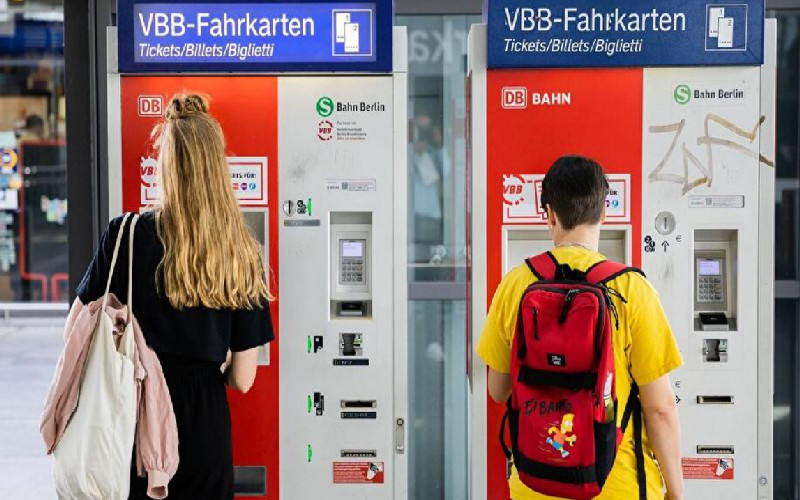
Many German museums, palaces, castles, and attractions have specific ticketing procedures that visitors need to understand before arriving. Tourists sometimes assume that purchasing a ticket automatically guarantees immediate entry, only to discover that they need to reserve a particular time slot. Popular attractions can also sell out during weekends, holidays, and peak tourist seasons. Some venues use timed admission to control visitor numbers and prevent overcrowding. Others may have separate tickets for exhibitions, guided tours, or special events. Checking the official information in advance can save you from unnecessary delays or disappointment.
Tip: Check the entry requirements before visiting and reserve tickets online whenever possible. Pay attention to the date, admission time, entrance location, and any special instructions included with your booking. If you are visiting a popular castle or museum, consider booking well ahead of your trip. Reading the instructions carefully can make your sightseeing experience much smoother.
Ignoring the Importance of Cash Payments

Germany has traditionally been known for its strong preference for cash, although card and contactless payments have become increasingly common. In major cities and modern businesses, you will often find plenty of places accepting debit or credit cards. However, smaller cafés, bakeries, independent shops, local markets, and businesses in smaller towns may still prefer or require cash. Tourists who rely entirely on cards can therefore find themselves in an inconvenient situation. It is especially useful to have some euros available when traveling outside major tourist centers. Carrying a modest amount of cash gives you greater flexibility throughout your trip.
Tip: Keep some euros with you for small purchases, local markets, cafés, bakeries, or unexpected situations. You do not need to carry a large amount, but having cash available can save you time and frustration. Before ordering, you can also ask whether cards are accepted if you are unsure. A little preparation can prevent an awkward situation when it is time to pay.
Misjudging Opening Hours
German opening hours can be different from what travelers are accustomed to in other countries. Many shops close earlier than visitors expect, while Sundays are traditionally quiet days when many stores remain closed. Tourists sometimes arrive at a shopping street or supermarket expecting everything to be open, only to find locked doors. Museums, restaurants, and attractions can also have specific weekly closing days or seasonal schedules. Public holidays may affect opening times as well, particularly in smaller towns. Checking schedules before setting out can help you avoid wasting valuable vacation time.
Tip: Plan shopping trips for weekdays or Saturdays and check the opening hours of specific attractions in advance. Sundays are often better suited to sightseeing, walking through historic neighborhoods, visiting parks, or enjoying a leisurely meal. If you are traveling around a public holiday, double-check schedules several days ahead. A little planning will help you avoid unpleasant surprises.
Overordering Beer or Food Portions
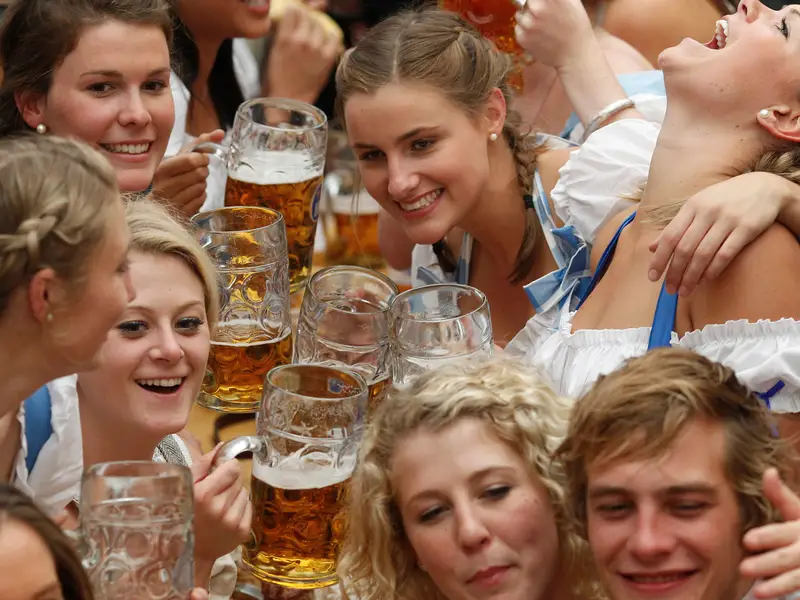
Germany is famous for hearty meals, traditional dishes, and a strong beer culture, which can tempt visitors to order more than they actually need. Tourists may also misunderstand local serving sizes or assume that every meal comes in extremely large portions. German restaurants often offer filling dishes that can be more substantial than visitors expect. Beer portions can also vary depending on the region, establishment, and type of beer being served. Ordering too much at once can result in unnecessary waste, particularly when trying several traditional dishes. Taking your time and ordering gradually can make the dining experience more enjoyable.
Tip: Start with one main dish and order additional food only if you are still hungry. If you are dining with friends or family, consider sharing different dishes so everyone can try several regional specialties. When it comes to beer, start with a size that suits you rather than automatically ordering the largest option. This approach allows you to enjoy German food and drink without overordering.
Disrespecting Rules and Signs
Germany is well known for its emphasis on organization and clearly defined rules, particularly when it comes to traffic, recycling, public transportation, and shared spaces. Tourists sometimes ignore signs because they assume certain rules are flexible, which can lead to fines or frustration from locals. Pedestrian crossings and traffic lights should always be taken seriously, even when the street appears completely empty. Recycling is another area where visitors may encounter specific instructions about separating different types of waste. Quiet zones on trains and residential areas should also be respected. Following these rules is not only practical but also demonstrates consideration for the people who live there.
Tip: Pay attention to traffic signals, signs, recycling instructions, and public transportation regulations. Avoid crossing roads against pedestrian signals, even when there is no traffic nearby. Keep noise levels low in designated quiet areas and dispose of your rubbish properly. Respecting local rules will make your trip easier and help you avoid unnecessary problems.
Skipping Smaller Towns and Villages
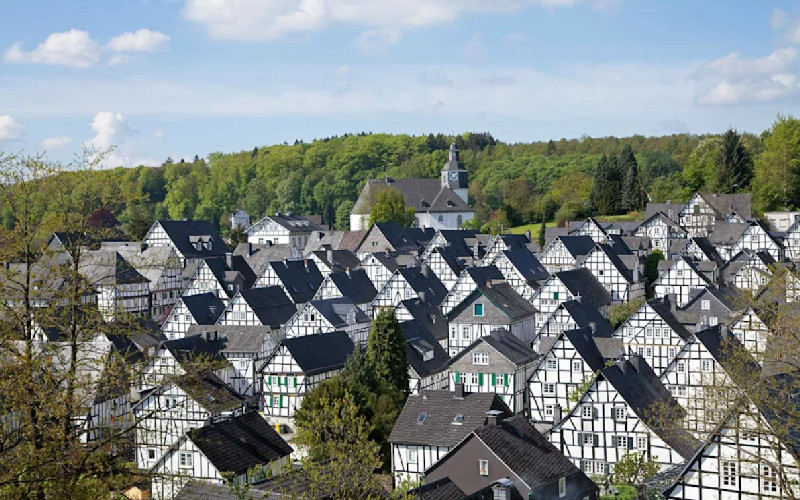
Many visitors concentrate their trips around major cities such as Berlin, Munich, Frankfurt, and Hamburg, overlooking the charming smaller towns and villages scattered throughout Germany. Places such as Rothenburg ob der Tauber, Quedlinburg, and Bamberg offer picturesque streets, historic architecture, traditional restaurants, and a slower pace of life. These destinations can provide a completely different perspective on German culture and history. Smaller towns are also ideal for travelers who enjoy photography, medieval architecture, local cuisine, and scenic walks. Some villages and historic towns feel like stepping into a fairytale, particularly when surrounded by forests, hills, or vineyards. Including a few lesser-known destinations can make a German itinerary feel much more varied and memorable.
Tip: Try to include at least one smaller town or village in your itinerary. They offer a glimpse of traditional German life and are often less crowded than the country’s biggest cities. Consider combining a famous destination with a nearby historic town for a more balanced trip. You may discover that some of your favorite memories come from places that were never originally on your list.