Albarracín, Aragón
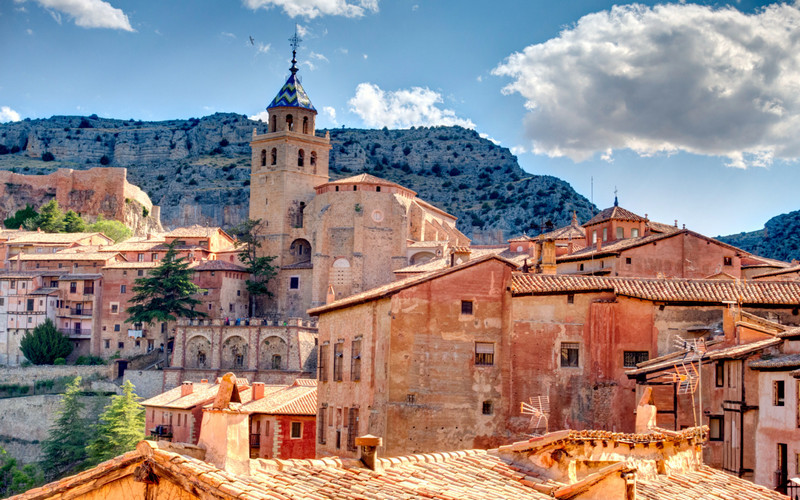
Perched on a rocky outcrop, Albarracín feels more like legend than real place. With terrain tough and wild around it, the town rises slowly behind old stone barriers meant to keep enemies at bay long ago. Rose-tinted houses cling to slopes, their colors deepening when sun dips low. Instead of wide streets, paths twist without warning – leading past flower-heavy railings made of weathered wood. Around back alleys, sudden openings reveal quiet squares where time slows. Stair after stair climbs into shadows, pulling curiosity upward. When dusk arrives, walls drink in amber rays, turning soft pink into something glowing, almost alive. Travelers arrive unsure. They leave certain they’ve seen one of Spain’s rarest sights. Beauty aside, this place carries stories from when the Moors once walked here. From the old ramparts, eyes wander across hills and dips in ways that stick around long after you leave. Craftsmen selling handmade things, eateries serving meals like grandma used to make – these pieces fit right in. Snapshots practically build themselves, corners lit just right, moments waiting without posing. History buffs, lovers of stone towers, or those chasing quiet magic under orange skies – all land somewhere deep here.
Ronda, Andalusia
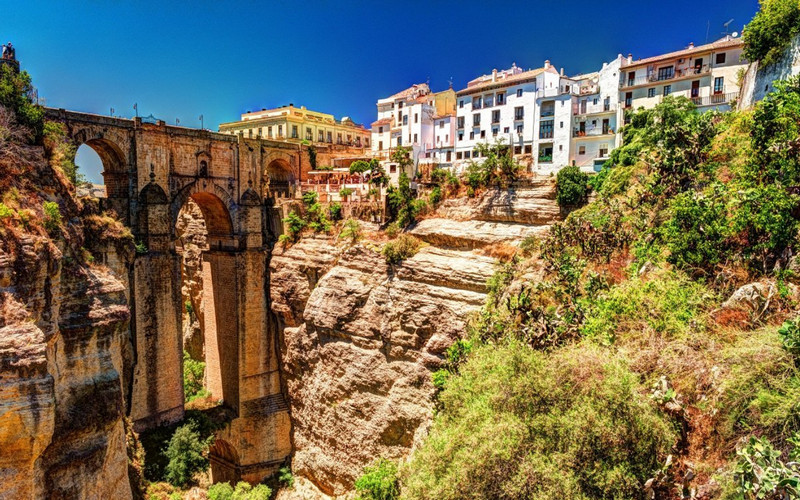
High above a steep ravine, Ronda rises so sharply it looks painted rather than built. Split apart by the vast El Tajo chasm, the town links its halves with the striking Puente Nuevo – a crossing few forget once seen. Along the rim, houses coated in white press close to the drop, offering vistas that pulled poets, painters, and directors here time after time. Grand homes sit beside quiet green yards, while ancient churches stand firm near cobbled lanes in the old core. Strolling these streets brings the past alive, not through reenactments but presence – each turn reads like a line from an aged storybook. One of Spain’s most ancient bullrings sits quietly in this town, deepening its cultural roots. From several spots, views stretch across rolling hills, sharp and clear. Small eateries line the streets, where time seems to pause just long enough for a meal. When sun climbs or falls, the rock faces shift in color, bold and sudden. What stays after you leave Ronda isn’t just what you saw – how it felt matters more.
Besalú, Catalonia
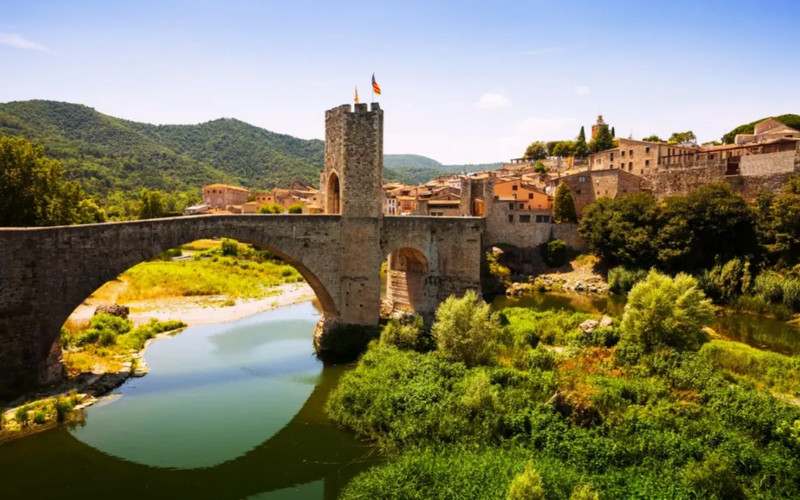
Walking into Besalú feels like stepping sideways through time, where old stones speak louder than people. Its stone bridge stands firm, arched and strong, guarded by a tower that watches over the river without saying a word. Through that entry lies a maze of narrow paths paved long ago, each turn bringing you face to face with silent churches built in rounded forms. Plazas appear suddenly, quiet and open, framed by walls made from blocks worn smooth by weather and years. Stone houses sit close together, their windows unchanged since days when candles lit the nights. A neighborhood once home to Jewish families tells stories through ruins – including waters still pooled in an ancient bath carved underground. History does not shout here; it leaks out slowly, one shadowed alley at a time. Hidden corners of calm coffee spots mix with small craft shops, breathing quiet energy into old stone streets. Alongside, water flows slow beneath bridges, lifting the charm of everything built near its banks. When celebration time comes, sound fills the air – songs drift through lanes while people gather around stalls playing out stories long past. Stillness lingers underfoot, inviting steps without hurry. Not matter your reason – pages from the past or moments caught on camera – this place rests untouched, almost dreamlike, held safe in time.
Cudillero, Asturias
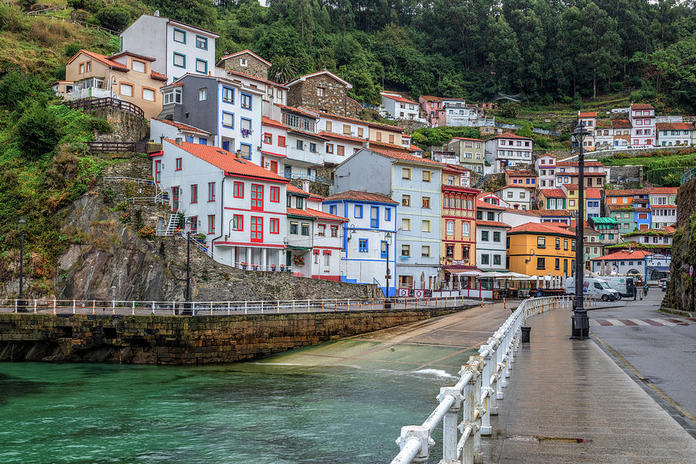
Down near the wild coast of Asturias, Cudillero greets people with rows of brightly colored houses tumbling fast toward the shimmering water. While Spain’s old hill towns sit quiet under hot sun, this place hums beside the ocean on rocky edges. Painted in soft pinks, blues, and yellows, the homes stack tightly above narrow lanes. Because of how they rise sharply from shore, each house stands out like a tile in a scattered pattern. Fishermen supposedly chose bold shades long ago to spot their homes when returning by boat through fog or dark. Now, instead of nets and sails, cameras follow every turn in the streets. Though small in size, the village holds more vivid scenes than many larger spots nearby. From the top paths, views open wide across rooftops straight to the bay. Staircases twist upward, tight and steep, opening suddenly onto quiet spots where views burst across the sea. Along the shore, eateries plate up fish caught nearby, meals eaten close enough to hear waves slap against wood. Time moves slower here, almost without notice, pulling visitors deeper into its rhythm. When evening comes, light spills gold over boats rocking gently at anchor. This place holds old seafaring stories within walls painted bright, wedged between cliffs and water like something dreamed up but real.
Valldemossa, Mallorca
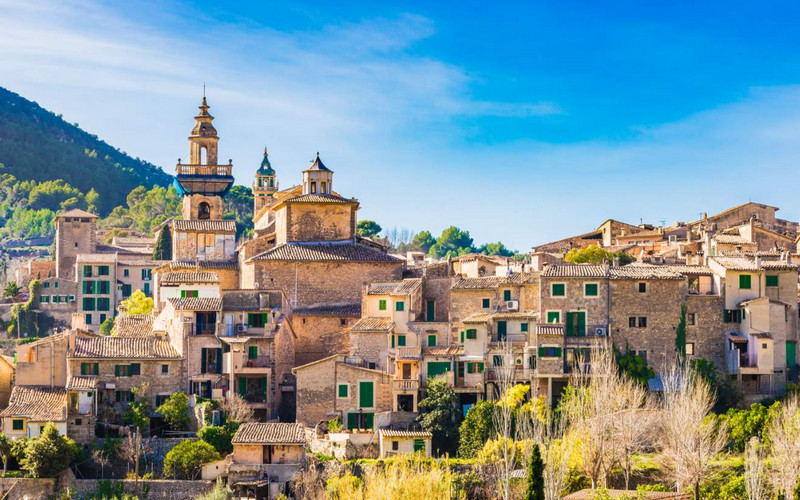
Among the towering peaks of the Tramuntana range, Valldemossa reveals a quieter version of Mallorca – less known than its coastlines. Stone houses rise here, draped in blossoms, their windows framed by geraniums and morning glories. Instead of crowds, you find stillness; instead of noise, the murmur of fountains in small plazas. Winding alleys carry the soft scent of night–blooming jasmine after dusk. At its heart stands the old Carthusian Monastery, once home to Chopin during restless winter months. Notes of his music seem trapped in the cloister walls, lingering like mist at dawn. Grand stonework blends with silence so deep it feels almost human. To move through these streets is to drift between pages of a forgotten storybook, one illustrated in ivy and shadow. Among hills, tiny cafés serve homemade pastries alongside classic dishes from Mallorca. Local artisans fill small stores with handcrafted goods while others stock flavors unique to the region. Overlook spots in the mountains deliver striking views no matter the season. Quiet here means a break feels complete away from crowded beach towns. History wraps around nature and art in Valldemossa, leaving moments that stick.
Frigiliana, Andalusia
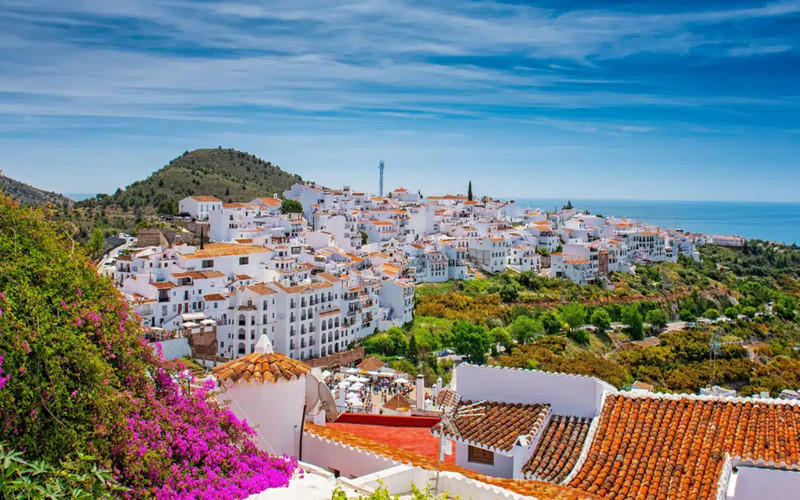
High above the sea sits a village people often call the loveliest among Andalusia’s hill towns. Not just its blindingly white houses stand out – bursts of red and purple flowers spill from railings too. Twisting lanes paved long ago lead you deeper into quiet squares hidden away. History shows clearly here – tiles arranged by hands long gone still line ancient alleyways. Color floods every view when vines drape walls like painted ribbons after rain. Walking these paths brings calm, soft moments that linger without needing words. Hidden among the lanes, tiny studios display pottery shaped by local hands along with unique keepsakes carved and painted nearby. When you need a pause from climbing cobbled paths, cozy coffee spots wait, their outdoor seats tucked beneath awnings for comfort. Look up from winding trails and the land rises higher, opening wide sights that reach beyond peaks to shimmering sea edges. Celebration times fill corners of the place – sound spills from plazas while bright banners flutter above alleyways. Old stones meet sunlit design here, combining stories of past lives with breezy southern charm in quiet harmony.
Santillana del Mar, Cantabria
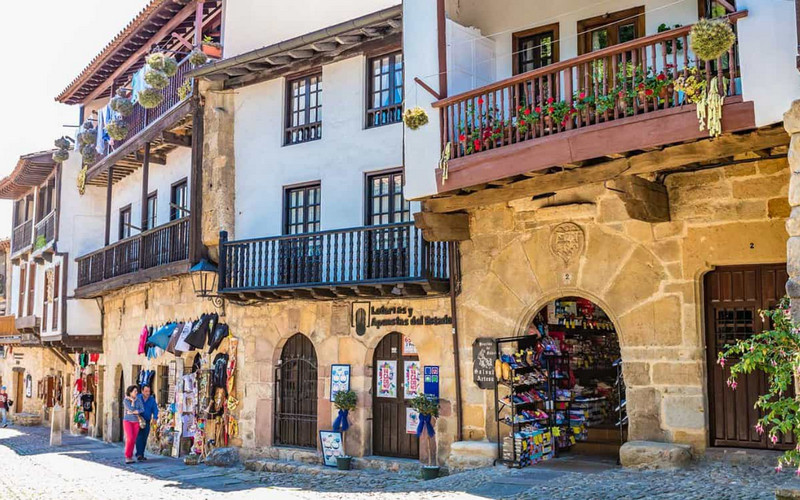
Though called Santillana del Mar, the place draws fame not from where it sits but how stunningly intact it appears. Not actually sacred, level, or coastal – earning its label “town of three lies” – it still pulls visitors across continents. Pathways paved with worn stones wind past ancient homes, old churches built from rock, blossoms spilling from iron railings. Each structure tells of skills passed down generations, shapes shaped by decades of quiet change. Step into the lanes and suddenly you’re inside a scene that time forgot. Perched among northern Spain’s landscape, the grand church dedicated to Saint Juliana rises as a key example of Romanesque art. Inside museums and galleries, stories from long ago unfold with quiet clarity. Small stores selling handmade goods sit beside places serving warm drinks. When night falls, paths lit by gentle lamps guide relaxed strolls. Elegance here feels natural, woven into old stone and daily life without effort.
Rupit, Catalonia
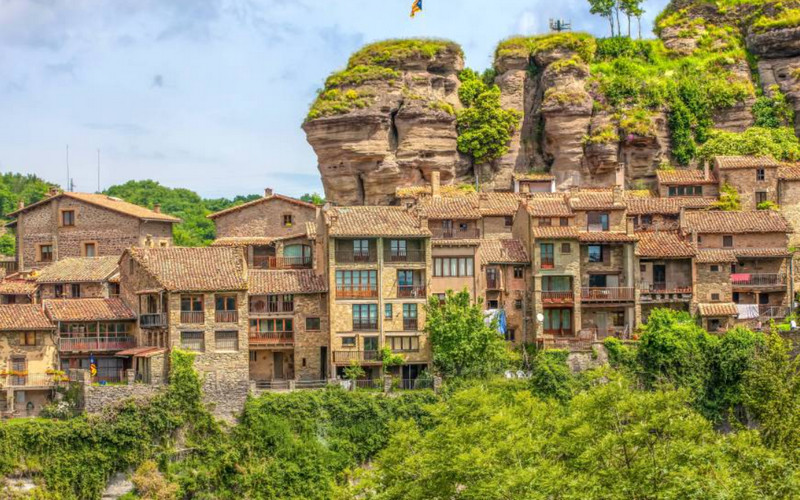
High above the forest floor, Rupit clings to a jagged rock face like something dreamed up long ago. Old stone homes sit silent under slate roofs, built slow by hands now gone. Footsteps echo softly on uneven paving stones, worn down by time and rain. Instead of modern noise, there is wind through pine trees and quiet door hinges turning. A narrow footbridge made of weathered planks hangs over empty space, creaking with each cautious step. Flowers spill from cracked pots near windows propped open with sticks. Balconies sag slightly but hold firm, carved from oak once green and fresh. No two alleys look quite alike yet both feel familiar somehow. Every turn offers a view meant more for paintings than phones. Time here does not rush – it settles. Water spills down rocks close by, while footpaths weave through views that pull hikers in every season. Instead of city noise, there’s open land where birds and trees draw people with cameras. Meals come slow here, served warm on wooden tables inside old stone buildings. Quiet wraps around everything, giving space to breathe far from busy spots most travelers swarm. Step into its lanes and suddenly time bends – half dream, half memory, shaped by moss–covered walls and stories tucked under eaves.