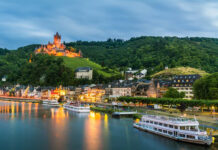
Bavaria – Mountains, Castles, and Traditional Villages
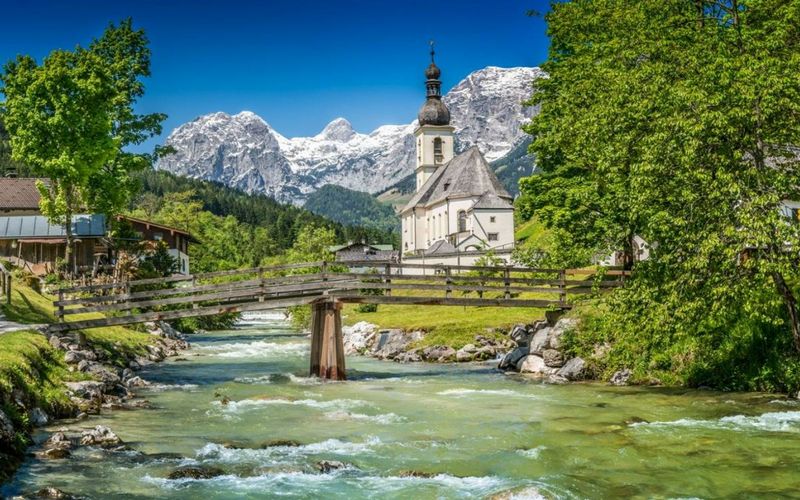
Bavaria is arguably one of Germany’s most recognizable regions, and for good reason. Located in the country’s southeast, it combines spectacular Alpine scenery with historic towns, traditional villages, and some of Germany’s most famous castles. From snow-capped mountain peaks to peaceful countryside, Bavaria offers an incredible variety of landscapes to explore. The region is also known for its distinctive traditions, colorful festivals, welcoming beer gardens, and delicious local cuisine. For travelers searching for beautiful places in Germany, Bavaria offers many of the country’s most iconic experiences. It is an especially appealing destination for road trips, outdoor adventures, photography, and romantic getaways.
The region is home to Neuschwanstein Castle, which rises dramatically above the village of Hohenschwangau. Further south, the Berchtesgaden area offers turquoise lakes, mountain peaks, and spectacular hiking routes. Neuschwanstein is one of Germany’s most recognizable landmarks and looks particularly magical when surrounded by the mountains. Nearby attractions such as Hohenschwangau Castle and Alpsee make it easy to spend an entire day exploring the area. Berchtesgaden National Park provides another unforgettable experience with alpine trails, forests, and panoramic viewpoints. Travelers can also visit Königssee, a crystal-clear mountain lake surrounded by dramatic peaks.
Munich is another major attraction, but Bavaria becomes even more memorable when you venture into the countryside. Traditional half-timbered houses, beer gardens, local festivals, and hearty Bavarian cuisine make this region ideal for experiencing a different side of Germany. Small towns such as Rothenburg ob der Tauber and Füssen add even more historic charm to a Bavarian itinerary. Scenic roads connect villages, lakes, castles, and mountain viewpoints, making the region perfect for a Germany road trip. Autumn brings colorful forests and crisp mountain air, while summer is ideal for hiking and exploring the lakes. Whatever season you choose, Bavaria offers an unforgettable combination of culture, nature, and traditional German charm.
The Black Forest – Germany’s Fairytale Landscape
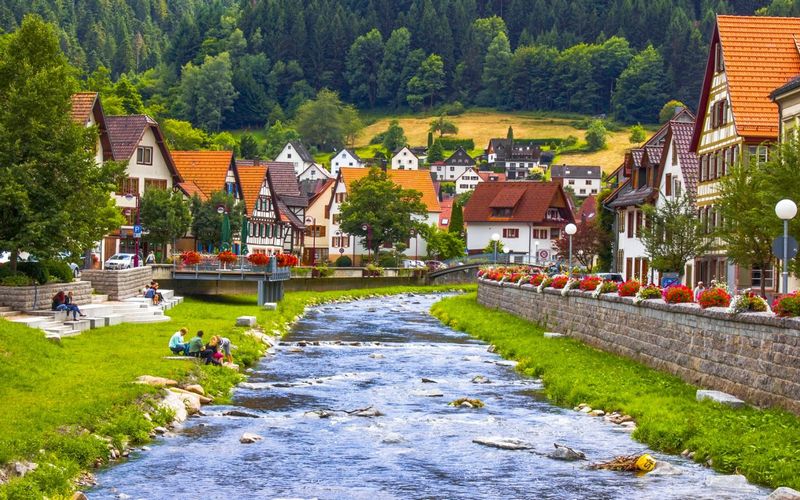
Dense forests, wooden farmhouses, cuckoo clocks, waterfalls, and picturesque villages have made the Black Forest one of Germany’s most enchanting regions. Located in southwestern Germany, this legendary destination feels like a real-life fairytale landscape. Its forested mountains are crossed by scenic roads that lead to peaceful villages, panoramic viewpoints, and hidden natural attractions. Travelers looking for the most beautiful places in Germany will find countless opportunities for photography here. The region is also deeply connected with traditional crafts, folklore, and the famous cuckoo clock. Located in southwestern Germany, the Black Forest is particularly appealing to travelers who enjoy scenic drives and outdoor adventures. Triberg is famous for its waterfalls and traditional clockmaking, while Baden-Baden offers a completely different experience with elegant architecture and historic thermal baths. The scenic Schwarzwaldhochstraße, or Black Forest High Road, provides spectacular views across the surrounding countryside. Hiking trails lead through dense woodland, open meadows, and mountain landscapes. Visitors can also discover traditional farmhouses and sample regional specialties along the way. With its combination of nature, wellness, and culture, the Black Forest is ideal for both active vacations and relaxing escapes.
The region is also associated with the famous Black Forest cake, although there is far more to discover here than desserts. Hiking trails wind through forests and valleys, while small towns provide plenty of opportunities to slow down and enjoy the scenery. Waterfalls, mountain lakes, and peaceful woodland paths make the area especially attractive to nature lovers. The changing seasons also give the Black Forest a completely different appearance throughout the year. Winter can bring a magical snowy landscape, while spring and summer transform the forests into lush green scenery. For travelers searching for a fairytale destination in Germany, this region is difficult to overlook.
The Rhine Valley – Castles Above the River
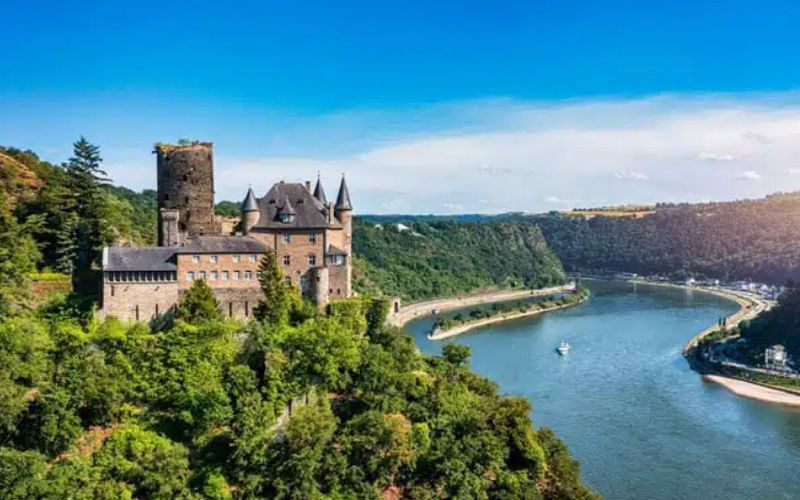
Few German landscapes are as romantic as the Rhine Valley. Along sections of the Rhine River, vineyards cover steep hillsides while medieval castles overlook the water. The combination of historic architecture, rolling vineyards, and the winding river creates one of Germany’s most memorable landscapes. The region has been shaped by centuries of trade, winemaking, and river travel. Today, it remains a popular destination for travelers interested in castles, history, wine, and scenic European landscapes. A journey through the Rhine Valley can easily become one of the highlights of a trip to Germany.
The UNESCO-listed Upper Middle Rhine Valley is particularly spectacular. Travelers can cruise along the river, visit hilltop castles, explore wine villages, and stop in historic towns such as Bacharach and Boppard. Many of the castles can be reached by hiking trails or viewed from boats traveling along the Rhine. The historic towns offer narrow streets, traditional architecture, local restaurants, and riverside cafés. Spring and summer are especially beautiful when the vineyards are green and the surrounding hills are full of life. Autumn is equally attractive because the vineyards take on warm seasonal colors.
The legendary Lorelei rock adds another layer of intrigue to the landscape. Whether you explore by boat, train, car, or on foot, the Rhine Valley is a wonderful destination for travelers interested in German history and wine culture. Scenic railway routes make it possible to admire the landscape without driving, while river cruises offer a completely different perspective. Wine enthusiasts can visit local vineyards and discover some of the region’s best-known varieties. History lovers will find medieval castles and fortified towns scattered throughout the valley. With its combination of natural beauty and cultural heritage, the Rhine Valley is an excellent addition to any German travel itinerary.
The Moselle Valley – Vineyards and Charming Villages
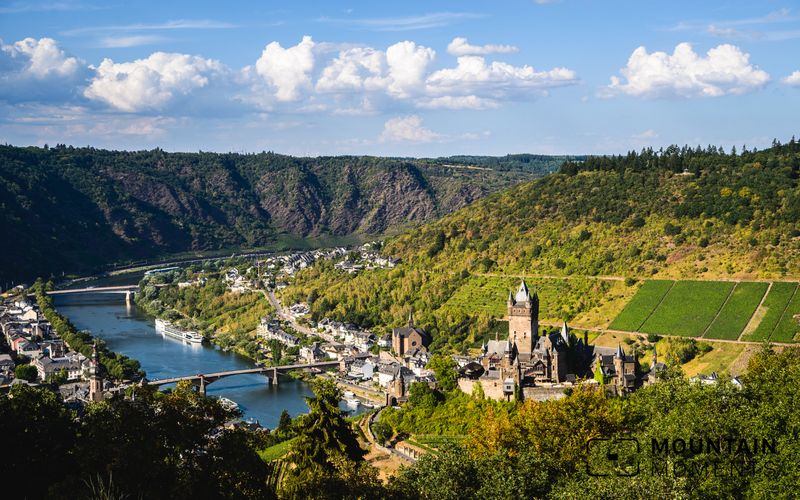
The Moselle Valley is one of Germany’s most scenic wine regions. The Moselle River winds through steep vineyard-covered hills, passing medieval villages and impressive castles along the way. Its narrow river bends and terraced vineyards create a landscape that looks especially beautiful from the water. The region is famous for Riesling wine, charming old towns, and peaceful countryside. It is also a fantastic destination for travelers who enjoy cycling, photography, food, and slow-paced European getaways. The combination of vineyards and historic architecture makes the Moselle Valley one of Germany’s most picturesque regions.
Cochem is one of the region’s most photographed destinations, dominated by its hilltop Reichsburg Castle. Another favorite is Bernkastel-Kues, known for its colorful historic buildings and atmospheric old town. The narrow streets of these towns are filled with traditional houses, small shops, cafés, and wine taverns. Reichsburg Castle provides spectacular views across Cochem and the surrounding Moselle landscape. Bernkastel-Kues is particularly charming when explored on foot, with its historic market square and beautifully preserved architecture. Visitors can also take boat trips along the river to appreciate the vineyards from a different perspective.
Wine lovers will particularly enjoy the region’s Riesling, while travelers who simply appreciate beautiful landscapes can explore the valley by bicycle, boat, or car. Cycling routes follow the river and connect many of the region’s charming villages and vineyards. Wine festivals are held in several towns throughout the year, providing opportunities to experience local traditions and cuisine. Scenic viewpoints above the vineyards are ideal places to stop for photographs and enjoy the countryside. The Moselle Valley is also well suited to a relaxed road trip, with plenty of small towns worth exploring along the way. For anyone searching for romantic places in Germany, this river valley offers plenty of unforgettable scenery.
Saxon Switzerland – Dramatic Rocks and Wild Landscapes
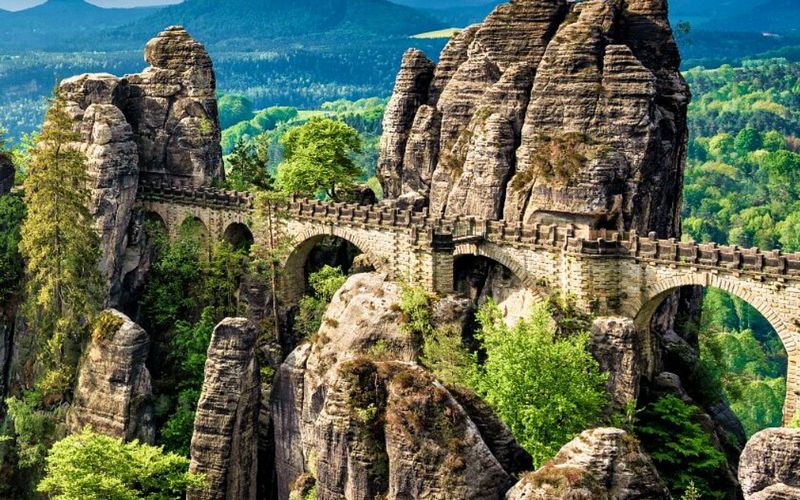
Despite its name, Saxon Switzerland is in Germany rather than Switzerland. Located near Dresden on the Czech border, this extraordinary region is famous for unusual sandstone rock formations, deep valleys, and panoramic viewpoints. Its dramatic cliffs and unusual geological formations create one of the most distinctive landscapes in the country. Dense forests surround towering rock pillars, creating spectacular scenery for hikers and photographers. The region is part of Saxon Switzerland National Park and offers numerous trails through its rugged terrain. It is an excellent choice for travelers searching for outdoor adventures away from Germany’s traditional tourist routes.
The highlight is the Bastei Bridge, which stretches across spectacular rock formations overlooking the Elbe River. The bridge connects several dramatic sandstone formations and provides spectacular views across the surrounding landscape. Early morning and late afternoon can be particularly atmospheric, especially when mist settles between the rocks. Numerous viewpoints and walking trails allow visitors to experience the area from different perspectives. The nearby Elbe Valley adds another scenic element to this remarkable part of Germany. Combining Saxon Switzerland with a visit to Dresden can also create an excellent city-and-nature itinerary.
The region is particularly popular with hikers and photographers. Its dramatic landscape feels surprisingly different from the rolling hills and forests found elsewhere in Germany, making it one of the country’s most rewarding destinations for nature lovers. Trails range from relatively easy walks to more demanding routes through rocky terrain. Along the way, visitors can discover hidden viewpoints, forest paths, and impressive sandstone formations. The area is beautiful throughout the year, with particularly striking scenery during autumn when the forests change color. For travelers who want to discover a wilder and less conventional side of Germany, Saxon Switzerland is well worth adding to the itinerary.
The Harz Mountains – Medieval Towns and Mountain Scenery
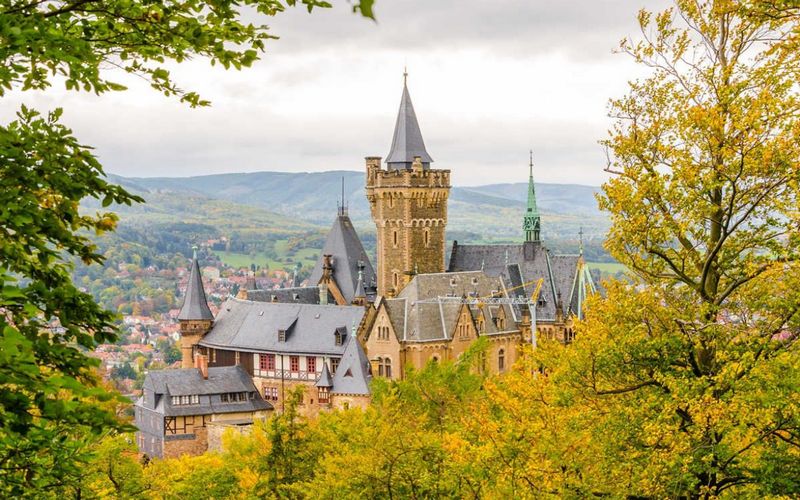
The Harz Mountains offer a fascinating combination of forests, mountains, historic towns, and folklore. Located in central Germany, the region is especially appealing during autumn and winter. Dense forests cover much of the landscape, while historic villages add plenty of traditional German character. The Harz is also associated with centuries-old legends and stories that contribute to its mysterious atmosphere. Travelers can combine hiking and outdoor activities with visits to beautifully preserved medieval towns. This makes the Harz Mountains an interesting destination for both nature lovers and history enthusiasts.
Wernigerode is known for its colorful half-timbered houses and impressive castle, while Quedlinburg has a beautifully preserved medieval center. The narrow streets and traditional architecture make both towns excellent destinations for photography and leisurely walks. Wernigerode Castle sits above the town and provides panoramic views of the surrounding Harz landscape. Quedlinburg’s historic center contains hundreds of traditional half-timbered buildings and offers a glimpse into Germany’s architectural past. Visitors can also explore local cafés, museums, markets, and small independent shops.
The Brocken, the highest mountain in the Harz, attracts hikers and railway enthusiasts. The historic Harz narrow-gauge railway provides a particularly atmospheric way to experience the mountainous landscape. Steam trains travel through forests and mountain scenery, creating a memorable experience for visitors of all ages. Hiking routes around the Brocken offer expansive views when weather conditions are clear. During winter, snow can transform the mountains into a beautiful seasonal landscape. With its historic railways, medieval towns, and mountain scenery, the Harz offers a different perspective on Germany’s natural and cultural heritage.
Lake Constance – Germany’s Lakeside Escape
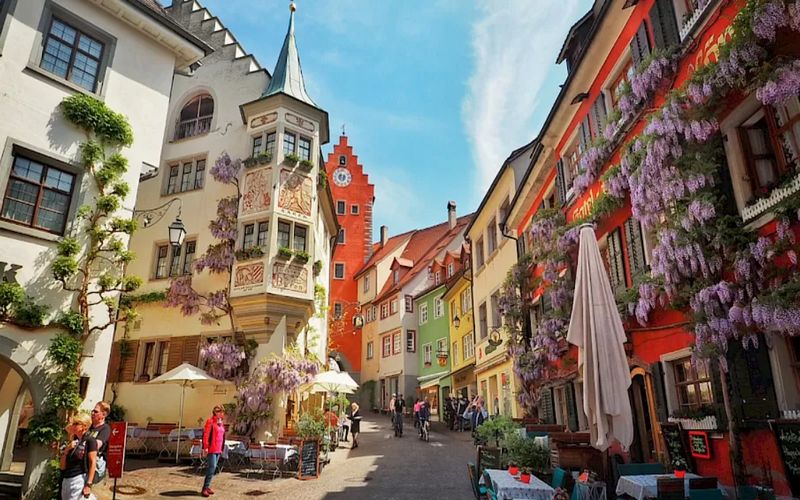
Lake Constance, or Bodensee, sits where Germany meets Austria and Switzerland, creating one of the country’s most beautiful vacation regions. The enormous lake is surrounded by mountains, historic towns, vineyards, and scenic cycling routes. Its location near three countries also makes it an excellent base for exploring several destinations during one trip. Clear water, lakeside promenades, and panoramic Alpine views create a relaxed atmosphere throughout the region. It is particularly attractive to travelers who want to combine nature, culture, and outdoor activities.
The lakeside scenery is the main attraction, with the Alps visible in the distance on clear days. Lindau, located on an island in the lake, is particularly picturesque, while Meersburg offers vineyards, historic buildings, and waterfront views. Lindau’s historic harbor is one of the most recognizable sights around Lake Constance. Meersburg combines a charming old town with vineyards overlooking the water. Visitors can also explore nearby islands, castles, churches, and lakeside promenades. Boat connections make it possible to visit several towns without relying entirely on a car.
Summer is perfect for boat trips, cycling, and swimming, while spring and autumn offer a quieter atmosphere. The region also provides an easy opportunity to combine Germany with neighboring Austria and Switzerland. Cycling paths around the lake make it possible to explore the countryside at a relaxed pace. Boat cruises provide beautiful views of the shoreline and distant mountains. Food lovers can enjoy regional specialties and fresh local produce in lakeside restaurants and traditional towns. Whether you visit for a weekend or a longer vacation, Lake Constance offers a peaceful alternative to Germany’s larger cities.
The Eifel – Volcanoes, Forests, and Castles
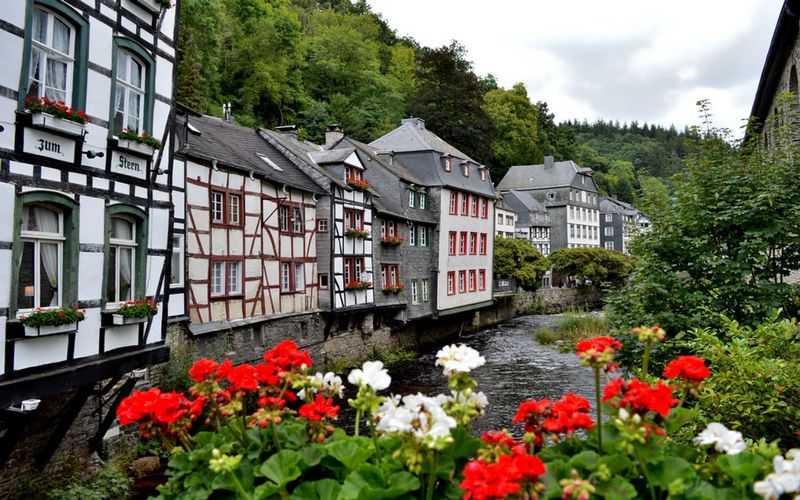
Western Germany’s Eifel region is an excellent choice for travelers looking for something less conventional. The landscape includes forests, volcanic lakes known as maars, rolling hills, and medieval castles. The region’s volcanic history has created a distinctive landscape that looks different from many other parts of Germany. Quiet roads pass through forests, villages, farmland, and scenic countryside. The Eifel is also close to major destinations such as Cologne and Bonn, making it relatively easy to include in a wider German itinerary.
One of the region’s most spectacular sights is Burg Eltz, a remarkably picturesque castle surrounded by woodland. Its secluded setting makes it look like something from a fantasy film. The castle’s towers and historic architecture rise dramatically above the surrounding forest, creating an unforgettable sight. A forest trail leads visitors toward the castle and adds to the sense of discovering a hidden medieval treasure. Burg Eltz is particularly popular with photographers because of its fairytale appearance and natural setting. Nearby hiking routes allow travelers to experience more of the peaceful Eifel countryside.
The Eifel is also ideal for hiking, cycling, and road trips, particularly for travelers who want to explore Germany away from its biggest cities. The region offers peaceful trails, scenic viewpoints, crater lakes, and small villages that are easy to explore at a relaxed pace. Outdoor enthusiasts can choose from a variety of walking and cycling routes through forests and rolling countryside. The volcanic lakes provide another unique feature and are especially attractive during the warmer months. Scenic roads also make the Eifel a rewarding destination for a weekend road trip. For travelers searching for hidden gems in Germany, this region offers plenty of opportunities to venture beyond the country’s most famous attractions.
Franconia – Medieval Towns and Wine Country
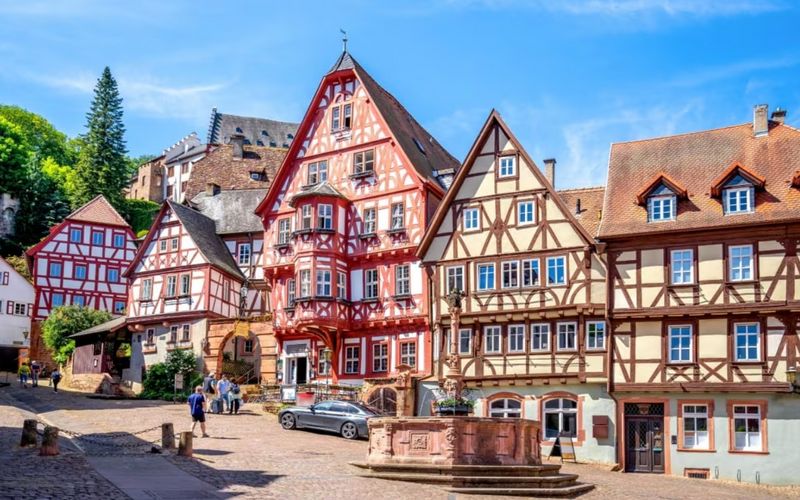
Franconia, located in northern Bavaria, is sometimes overshadowed by the more famous Alpine parts of Bavaria. Yet it has plenty to offer. The region combines medieval architecture, historic cities, rolling vineyards, traditional cuisine, and charming countryside. Its towns are filled with impressive churches, castles, market squares, and beautifully preserved historic buildings. Franconia is particularly appealing to travelers who want to experience Bavaria beyond the Alps and Munich. It also offers an excellent combination of cultural sightseeing and culinary experiences.
Nuremberg combines medieval history with a lively modern atmosphere, while Würzburg is surrounded by vineyards and crowned by the impressive Marienberg Fortress. Nuremberg’s historic castle and old town provide plenty of opportunities to explore the region’s fascinating past. Würzburg is famous for its Baroque architecture, vineyards, and the spectacular Würzburg Residence. The surrounding countryside is dotted with small wine-producing towns and scenic walking routes. Visitors can enjoy regional dishes alongside locally produced Franconian wines. The area’s architectural variety also makes it particularly attractive to travelers interested in European history.
The region is also famous for its wine, historic villages, and the Romantic Road. Travelers interested in architecture, food, and history will find plenty of reasons to explore beyond Munich. The famous Romantic Road passes through several picturesque towns and countryside landscapes, making it ideal for a scenic road trip. Wine villages provide opportunities to visit traditional cellars, vineyards, and local restaurants. Historic castles and churches add another layer of cultural interest to the region. Franconia is a rewarding destination for travelers who want to experience a quieter and more traditional side of southern Germany.
Schleswig-Holstein – Germany’s Northern Coast
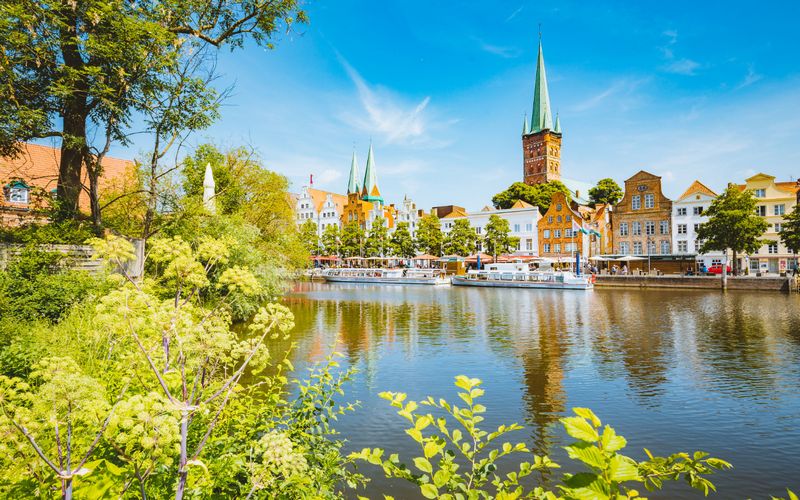
For a completely different side of Germany, head north to Schleswig-Holstein. Located between the North Sea and Baltic Sea, this region is defined by beaches, dunes, islands, fishing villages, and maritime landscapes. The scenery here is dramatically different from the mountains and castles associated with southern Germany. Wide beaches, windswept coastlines, and traditional seaside towns create a peaceful atmosphere. The region is especially appealing to travelers who enjoy nature, cycling, photography, and coastal escapes. It also offers a fascinating glimpse into Germany’s maritime traditions and northern culture.
The North Frisian Islands, including Sylt, are among the region’s best-known destinations. The Baltic coast offers another atmosphere, with elegant seaside resorts and quieter beaches. Sylt is famous for its long beaches, dunes, and distinctive North Sea landscape. Other islands and coastal towns provide opportunities to explore nature reserves, tidal flats, and traditional fishing communities. Visitors can enjoy long walks along the coast while watching seabirds and experiencing the changing tides. The Baltic Sea side offers calmer waters and a different collection of beaches and seaside resorts.
Schleswig-Holstein is a great reminder that Germany isn’t only about mountains, castles, and medieval towns. Its northern coastline provides a refreshing alternative for travelers looking for sea air and open landscapes. The region is ideal for slow travel, with scenic cycling routes and coastal paths connecting many destinations. Seafood restaurants and traditional northern dishes provide another reason to explore the area. The combination of North Sea and Baltic landscapes makes Schleswig-Holstein particularly diverse. For travelers building a Germany bucket list, this northern region offers a completely different experience from the country’s famous southern destinations.