The Acropolis
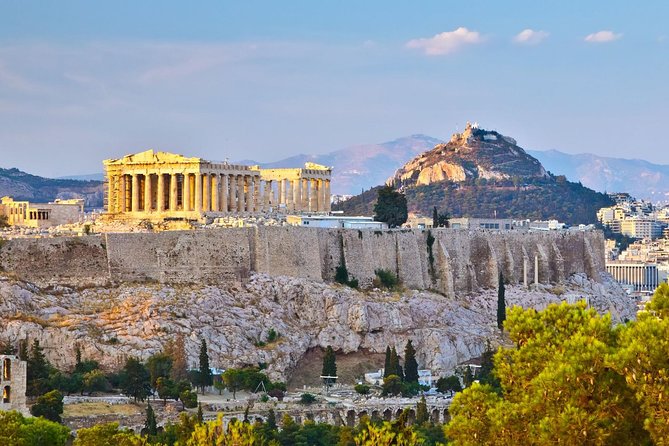
What is it? This 2,500-year-old rocky outcrop perched in Athens’ modern metropolis is the sight you’ve only dreamed about. The Acropolis finds itself at the very top of our list because if you do one thing in Athens, it has to be this. The ancient citadel rises above the city, offering a fascinating glimpse into the birthplace of Western civilization and the remarkable legacy of ancient Greece. Walking through this historic site feels like stepping back in time, surrounded by monumental architecture, breathtaking views and centuries of history.
Why go? The monuments here are considered the greatest architectural feats of Greek antiquity. The Parthenon temple, dedicated to the goddess Athena, is perfectly proportioned and considered the world’s finest Doric masterpiece. Exploring the Acropolis allows you to admire the incredible craftsmanship, artistic achievements and architectural innovations that shaped ancient Greek culture. From the impressive columns to the sacred ruins scattered across the rocky hill, every corner tells a story that makes this one of the most unforgettable attractions in Athens.
Temple of Poseidon
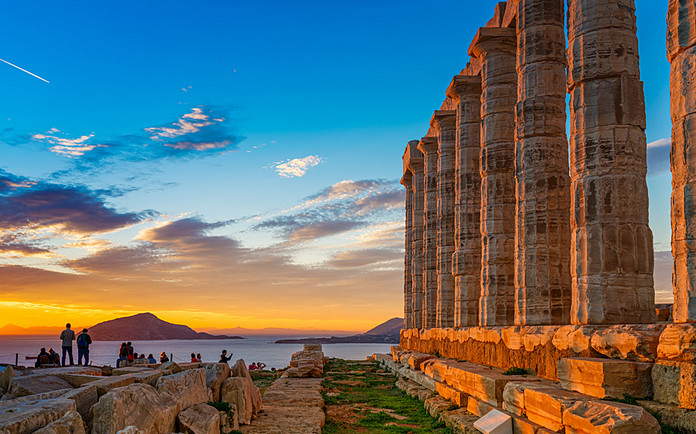
What is it? Athens isn’t short on treats for fans of Greek mythology. This is the temple you should visit first. Located at the spectacular Cape Sounion, the Temple of Poseidon combines ancient history, mythology and dramatic coastal scenery in one extraordinary destination. The journey from Athens takes you along beautiful stretches of the Athenian Riviera, making the visit an experience in itself for anyone exploring Greece.
Why go? He may be the god of oceans, but Poseidon’s palace stands 60 metres above sea level on Cape Sounio. This marble temple was first built by ancient Athenians to honour Poseidon and guide sailors safely home. All that remains now is a series of towering columns that don’t half look beautiful against a glorious Greek sunset. Visitors can wander around the ancient ruins while enjoying panoramic views of the Aegean Sea, where the deep blue waters meet the rugged coastline. The Temple of Poseidon is also one of the most romantic places near Athens, particularly during sunset, when the golden light transforms the historic columns into a truly magical sight.
Stavros Niarchos Foundation Cultural Centre (SNFCC)
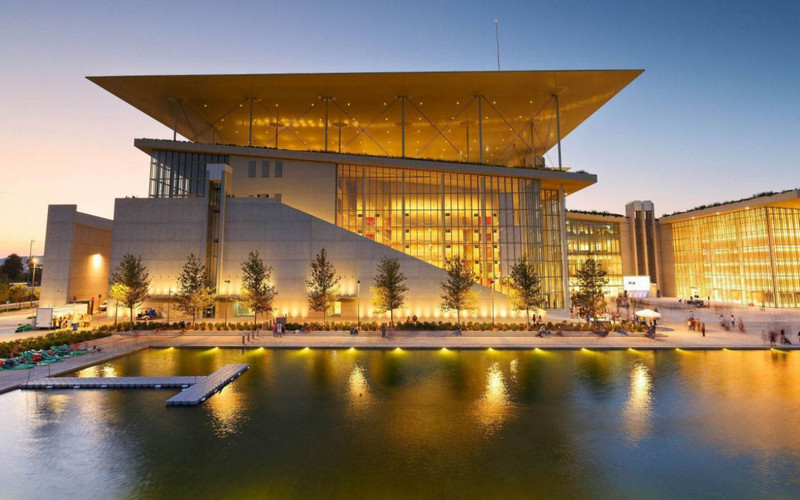
What is it? An oasis of Mediterranean greenery. The Stavros Niarchos Foundation Cultural Centre is a modern architectural landmark that beautifully blends culture, sustainability and outdoor recreation. Designed to create an accessible cultural space for locals and visitors alike, this impressive complex offers a refreshing alternative to Athens’ traditional archaeological attractions. Its contemporary design and peaceful surroundings make it an excellent destination for families, culture lovers and anyone looking to experience a different side of the Greek capital.
Why go? For 170,000 square metres of parkland, complete with playgrounds, gardens, cafés, a striking eco-friendly glass complex (also home to the Greek National Opera), a manmade river, and the National Library of Greece. Plus, there’s a great view of the Acropolis. Visitors can enjoy leisurely walks through landscaped gardens, relax beneath Mediterranean trees or discover cultural events and performances throughout the year. The SNFCC is particularly appealing for those seeking free things to do in Athens, as much of its outdoor space is open for visitors to explore and enjoy.
Lycabettus Hill
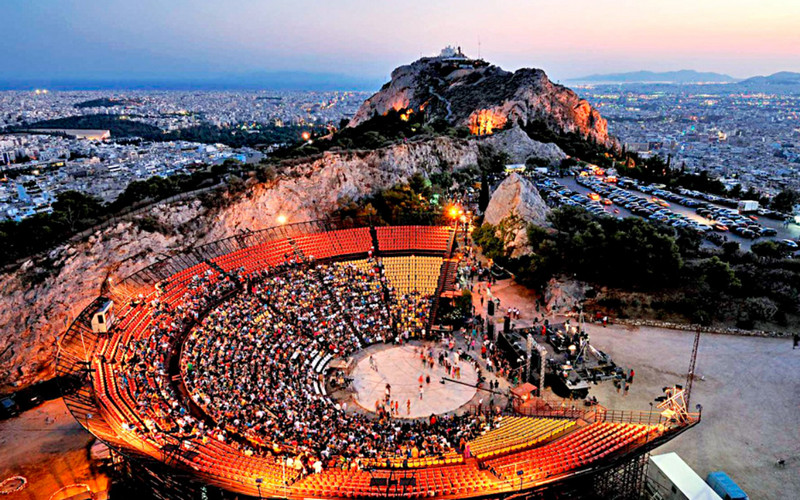
What is it? Lycabettus Hill is one of the highest peaks in Athens. You can get to it by hiking up a forested slope – only briefly, mind – or, if you’re feeling lazy, there’s a cable car to the top. Rising above the surrounding neighbourhoods, the hill offers a peaceful escape from the busy streets and crowded attractions of central Athens. The combination of natural scenery, winding walking paths and spectacular city views makes Lycabettus Hill one of the most memorable places to visit in the Greek capital.
Why go? At the peak, you’ll find one of the most sweeping views of the city. There’s also a pretty whitewashed church called St George, a café and Orizontes, a gourmet Greek restaurant with surely the capital’s most scenic terrace. Concerts are held at the Lycabettus open-air theatre, built on another part of the hill, in the summertime. From the summit, you can admire Athens stretching in every direction, with the Acropolis, historic neighbourhoods and distant mountains forming an incredible panorama. Visiting Lycabettus Hill in the late afternoon is especially rewarding, as the changing colours of the sky create a beautiful backdrop for photographs and a memorable Athens sightseeing experience.
Varvakios Agora
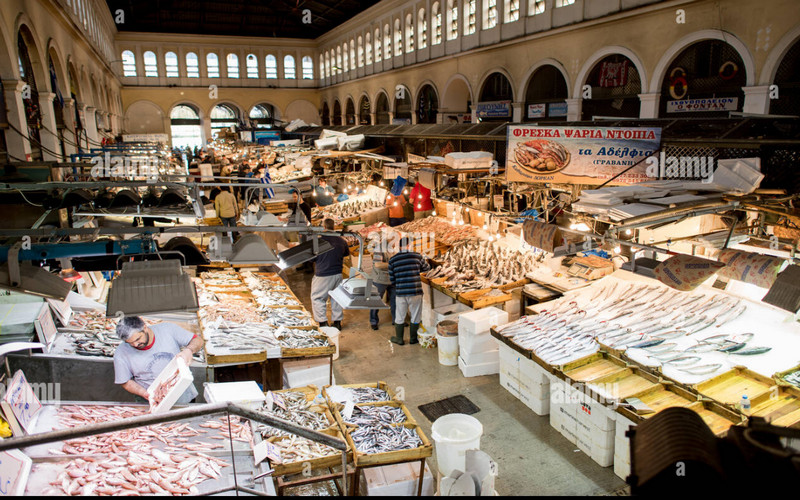
What is it? The Monastiraki area’s indoor and outdoor food market delights the senses. Starting in the wee hours, Greek vendors bellow out their best deals in an attempt to sell fresh meat, fish, fruit, spices and products from around the country. Varvakios Agora is one of the best places in Athens to discover the city’s authentic culinary culture and experience the everyday life of local residents. The lively market offers a fascinating introduction to traditional Greek ingredients, food traditions and the vibrant atmosphere that makes Athens such an exciting destination for food lovers.
Why go? The atmosphere is unlike any other as travellers and locals traverse the narrow aisles lined with hanging meat carcasses, stalls of Greek deli delights and fresh seafood iced down in vibrant displays. Beyond the bustling meat and fish sections, visitors can discover traditional delicacies, aromatic spices, olives, cheeses and other products that reflect Greece’s rich gastronomic heritage. The market is an excellent place to observe local shopping traditions, interact with vendors and experience Athens beyond its famous ancient monuments. Food enthusiasts can also explore nearby tavernas and eateries, where fresh market ingredients are transformed into delicious Greek dishes.
The National Museum of Contemporary Art in Athens
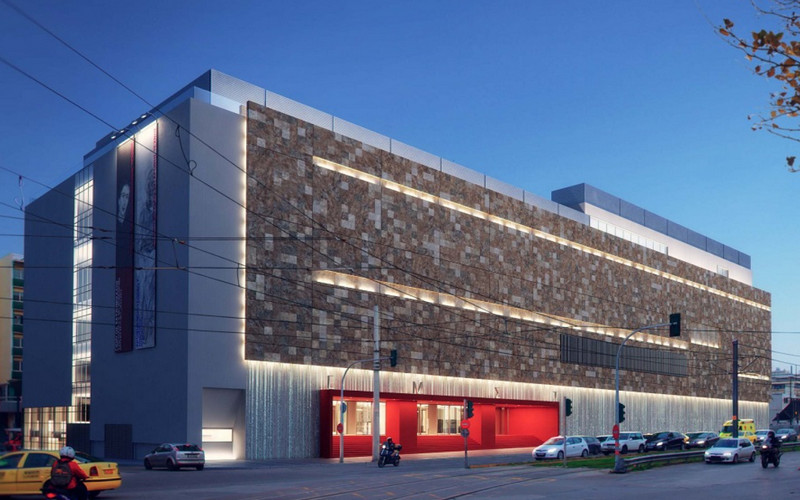
What is it? The EMST is Athens’s answer to the Tate Modern, Centre Pompidou or the Museum of Modern Art. The National Museum of Contemporary Art Athens is an important cultural destination that showcases the creativity and artistic vision of modern Greek and international artists. Its impressive exhibition spaces provide visitors with an opportunity to explore contemporary culture, innovative artistic techniques and thought-provoking installations. For those looking to discover Athens’ cultural attractions beyond ancient ruins and archaeological museums, EMST offers a refreshing and inspiring experience.
Why go? This space is filled with art that gets people talking. Expect exhibitions of Greek and international artists across all media, from painting to video to experimental architecture. The museum’s vast home has its own fascinating story; it’s actually a former brewery – Greek beer Fix was once made here. Its diverse collections and temporary exhibitions encourage visitors to reflect on contemporary society, culture, identity and the world around them. Whether you enjoy modern painting, photography, multimedia installations or experimental art, the National Museum of Contemporary Art is a fascinating stop on any Athens sightseeing itinerary.
The National Gardens
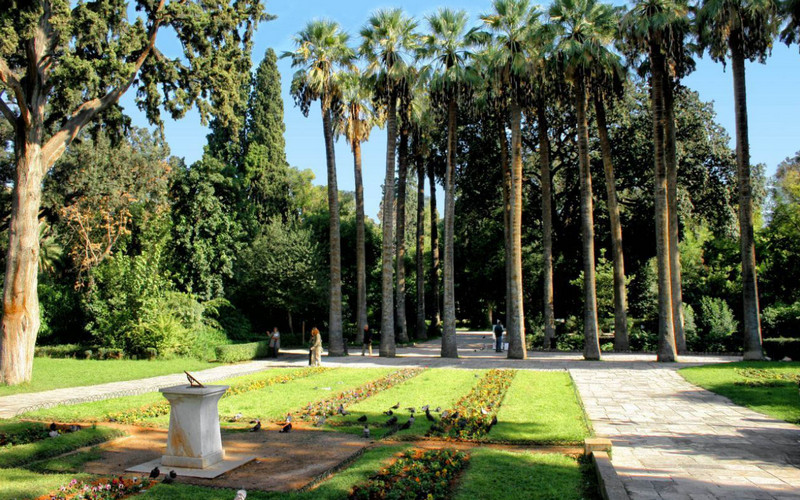
What is it? Tucked away in the heart of Athens, the National Gardens offer a beautiful retreat from the bustle of the concrete capital. This lush green oasis provides a welcome escape from the noise, traffic and crowds of the city centre, making it one of the most peaceful places to explore in Athens. Shaded pathways, mature trees and tranquil corners create a relaxing atmosphere where visitors can enjoy nature while remaining close to some of the capital’s most famous landmarks.
Why go? This grandiose park was commissioned by Queen Amalia, the first queen of Greece, in 1838 and completed two years later. The Gardens cover 16 hectares of narrow gravel paths and ponds and a small zoo with wild goats, peacocks and chickens. Visitors can also discover charming garden features, shaded benches, small bridges and peaceful spots perfect for relaxing after a busy day of sightseeing. The National Gardens are ideal for leisurely walks, family outings and photography, offering a beautiful contrast to the historic streets and lively squares of central Athens.
Monastiraki Neighbourhood
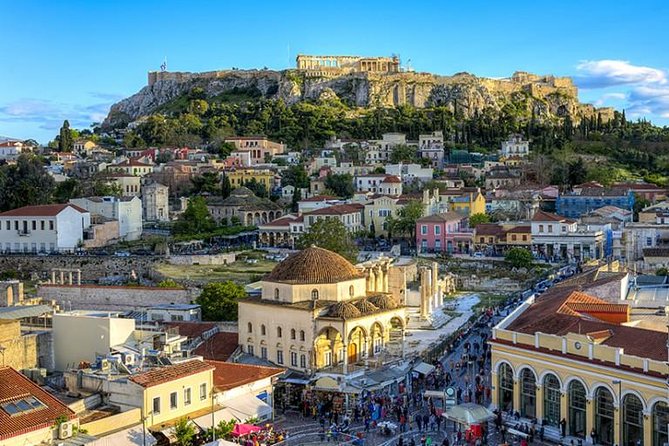
What is it? Monastiraki is one of the oldest and busiest areas of the capital, packed with rooftop bars, ancient sights and huge markets. This vibrant neighbourhood is a fascinating blend of ancient history, traditional Greek culture, street shopping and modern urban life. Its lively streets attract visitors throughout the day, while the surrounding cafés, restaurants and rooftop terraces make it one of the most popular places to experience the atmosphere of Athens.
Why go? The Monastiraki metro station is right off the picturesque main square (which also has brilliant views of the Acropolis). Go shopping at the Monastiraki flea market, squeeze through thronging pedestrian alleys, and peruse shops filled with antiques, handmade jewellery and Greek handicrafts. The neighbourhood is also a fantastic place to discover traditional Greek street food, enjoy a coffee overlooking the Acropolis or explore nearby historic landmarks. Whether you are searching for unique souvenirs, fascinating antiques or lively nightlife, Monastiraki offers plenty of memorable experiences for every traveller visiting Athens.
Museum of Cycladic Art
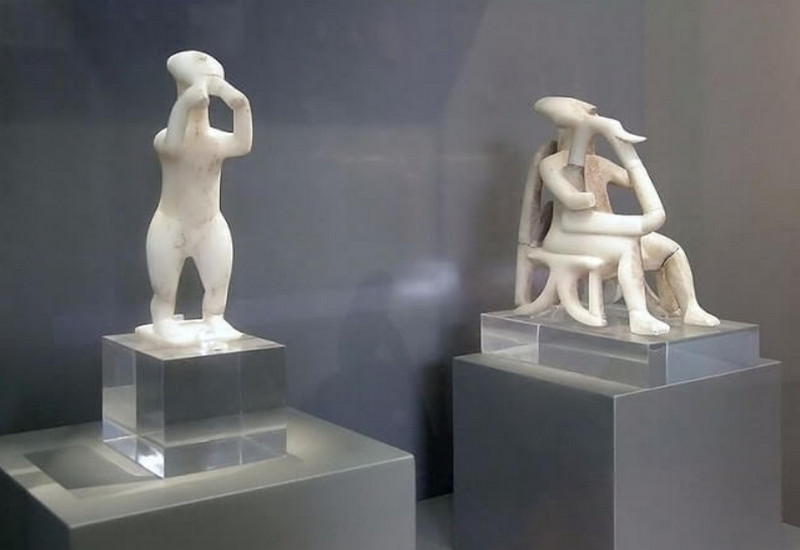
What is it? A lavish museum home to more than 3,000 artefacts of Cycladic, Ancient Greek and Cypriot origin. The Museum of Cycladic Art is one of Athens’ most fascinating cultural attractions, offering a remarkable insight into the ancient civilizations that flourished across the Aegean region. Its carefully curated collections showcase the artistic traditions, daily life, religious beliefs and cultural heritage of people who lived thousands of years ago.
Why go? Enjoy the distinctly shaped slender marble figurines and statues that date back to the Bronze Age. If the Bronze Age isn’t your bag, check out one of the 150 objects from the ancient Greek art collections, including vases, figurines and weapons grouped by various themes, including Gods and Heroes, Eros, The World of Women and The Underworld. The museum also offers an opportunity to appreciate the extraordinary simplicity and elegance of Cycladic sculpture, whose minimalist forms continue to influence artists and designers today. With its impressive archaeological collections, engaging exhibitions and beautifully presented displays, the Museum of Cycladic Art is an essential stop for anyone interested in ancient Greek history and culture.
Plaka Neighbourhood
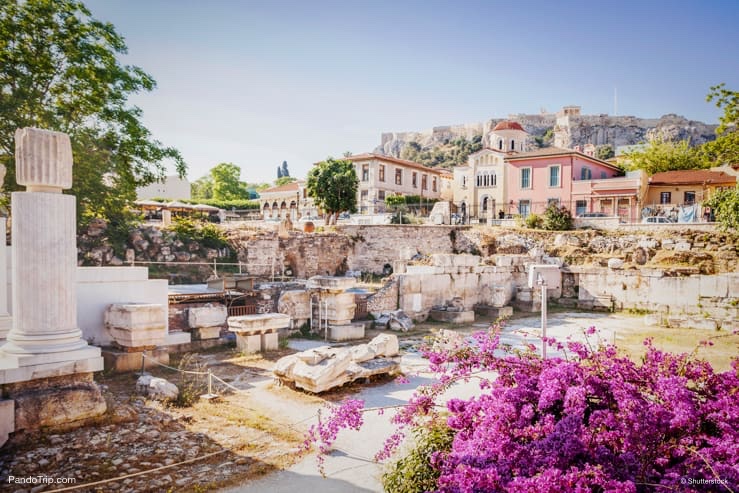
What is it? Stretching out under the shadow of the Acropolis, Plaka is one of the world’s oldest continuously inhabited neighbourhoods. Often referred to as the neighbourhood of the Gods, this charming district is famous for its historic atmosphere, traditional architecture and maze of picturesque streets. Plaka is one of the most beautiful places to explore in Athens, where ancient landmarks, neoclassical houses and traditional Greek cafés create an enchanting setting beneath the Acropolis.
Why go? Duck into the side streets here and explore the charmingly narrow old lanes. They’re lined with a hotchpotch of crumbling buildings from various eras and beautiful restored buildings-turned-stately homes. Plaka boasts a wealth of ancient sites, small museums, historic churches and picturesque small squares buzzing with restaurants and cafés. Visitors can wander through colourful streets, discover hidden courtyards, browse souvenir shops and enjoy traditional Greek cuisine at welcoming tavernas. The neighbourhood is particularly lovely in the evening, when its atmospheric streets, softly lit buildings and lively outdoor cafés create a romantic setting that makes exploring Plaka one of the best things to do in Athens.