The Real Alcázar – A Palace Straight Out of a Fairytale
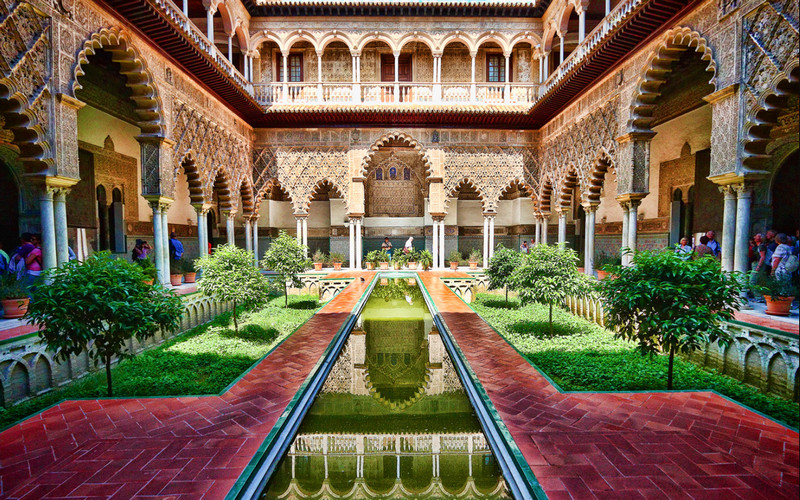
A visit to Seville misses something vital if you skip the dreamlike Real Alcázar, a standout among Europe’s grandest royal homes. Though first raised by Muslim kings, it now stands as a living timeline where cultures and styles blend across ages. Beauty here doesn’t shout – instead, quiet grace holds space long after you leave. Even today, crowds keep coming, drawn by its enduring dignity and courtly hush. What sticks isn’t just age, but how every arch, tile, and garden breathes balance. Because of this, few spots in Spain pull more eyes year after year.
Hidden in every curve of stone, something catches your eye – the way sun cuts through an arch at noon. A courtyard waits, quiet, its tiles laid long ago by hands we never knew. The Patio de las Doncellas gleams – not loud but certain – each pattern set with purpose. As hours pass, shadows shift like thoughts changing their mind. Carvings on walls whisper stories without words, layer upon tiny layer. You do not rush here. Instead, feet pause again and again, pulled by detail too sharp to ignore. What stands isn’t just building – it breathes, somehow, through art made physical.
Seville Cathedral and La Giralda – A Towering Legacy
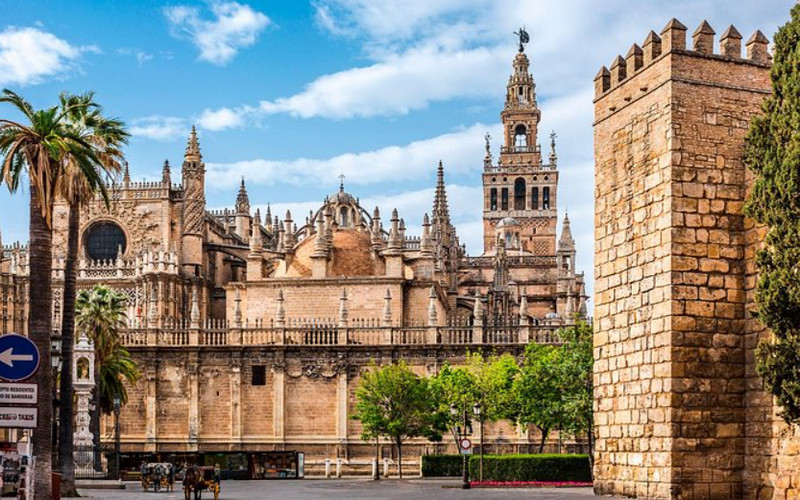
Right there in central Seville, the Cathedral rises tall – among the biggest Gothic churches anywhere, standing for deep faith and long years gone by. After a mosque once stood in that very place, new hands shaped what now shows layers of shifting beliefs over time. Most people stop still the first instant they see it up close. Towering above rooftops, its sheer size claims the sky around it. Even today, few sites in Spain carry such weight in sacred tradition.
Down among the quiet steps, eyes rise to meet golden carvings and an ancient tomb tucked beside tall arches that stretch upward like prayers. Each small room holds scenes shaped by hands long gone, painted whispers of belief and craft from ages past. Hush lives here, yet so does wonder, slow and steady. Through colored panes high above, light spills in shifting hues, painting cold rock with warmth. Up the spiral climb of the Giralda, breath matches pace – then opens wide to sky, tile, and distance, where city spreads beneath like a living map.
Plaza de España – Center of Andalusian Grandeur
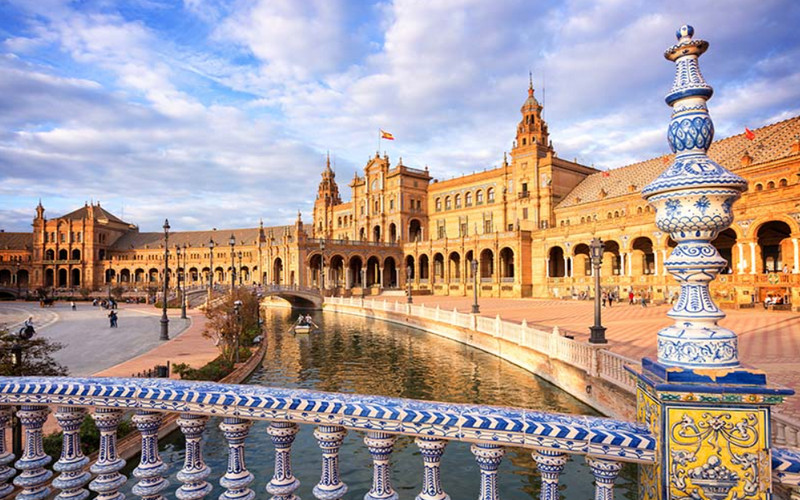
Beauty like Plaza de España’s is rare among European squares, shaped as a half–moon for the 1929 Ibero-American Exposition. Rising from its curves you find arches and domes where Moorish echoes meet Renaissance grace with Art Deco edges. Step closer – what looks like a building spills into sky and water instead, more garden hall than courtyard. Bright tiles flash under sun while balance rules every angle, catching eyes without trying. Photographers return again because light shifts, yet the scene holds still in memory.
Curved rooftops sweep overhead, while bright mosaic tiles flash under sunlight. A quiet waterway slips between them, making the place feel like something imagined. Locals come here just as much as visitors do. From corner to corner, each region of Spain shows itself in hand–decorated niches. Boats move slow on the ripple, pulled forward without rush. Music pops up now and then – singers, strummers, clapping rhythms breaking silence. Big movies have used this spot, so faces from far away sometimes recognize it too.
Metropol Parasol – The Modern Icon
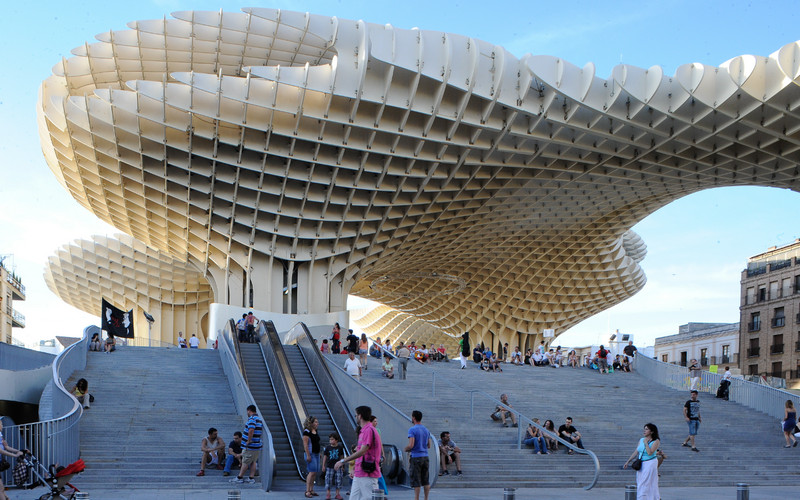
Above Seville’s old lanes, the Metropol Parasol rises like a quiet surprise amid centuries–old stone. Locals named it “Las Setas,” drawn by the shape of its timber curves that echo forest fungi. Finished in 2011, it caught attention fast, standing out where age meets new form. While nearby walls whisper history, this structure speaks in sweeping, sunlit arcs. Change lives here gently – visible, present – not shouted but shown through lines reaching skyward.
On top of La Encarnación Square sits a tower with sweeping views across the rooftops. As daylight fades, gold spills over buildings – watching it unfold feels quiet somehow. Below ground level, old stones tell stories from Roman times underfoot. Wander nearby and find stalls selling bread, olives, handmade bowls. Sipping coffee at a corner café, the present hums gently around you.
Barrio Santa Cruz Heart of Old Seville
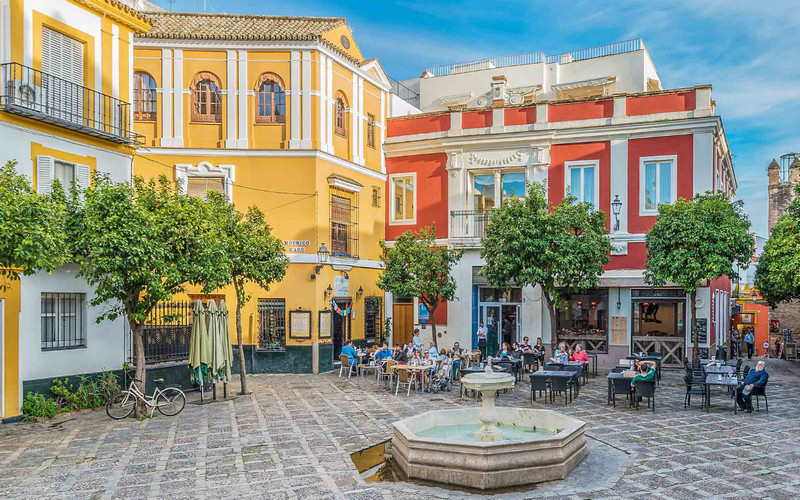
Wandering through Barrio Santa Cruz, you meet Seville’s soul in quiet alleyways and sunlit walls. This place used to be home to the city’s Jewish community long ago. Now, twisting paths wind between houses painted bright white. History lingers in the air here, soft but clear. Blooms spill from iron railings where orange branches sway above. Time slows down around each turn.
Hidden corners like Plaza de Doña Elvira wait around each twist in the path, just beyond view until you turn. Small open spaces appear suddenly, lined with benches under trees, water sounds from old fountains, plus places serving simple local dishes. Morning light creeps slowly along the walls, shifting by midday into sharp contrasts between shade and sun. When darkness comes, lamps cast warm pools on stone, making shadows dance without noise. Few spots across Seville carry such quiet charm at every hour.
Parque de María Luisa A Green Space in Seville
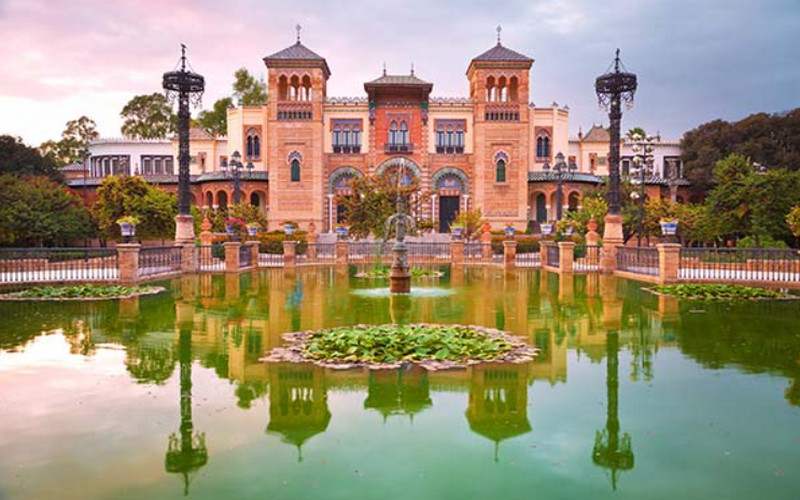
Out past the old stone streets, Parque de María Luisa opens like a breath of cool air. Once given to Seville during the 1800s, this garden stays cherished even now. Beauty here grows wild yet shaped on purpose. Beneath high branches and thick leaves, paths stretch out wide. While downtown hums nonstop, inside the park everything slows down.
Strolling paths invite steps under leafy arches, while bikes roll along winding trails – occasionally, hooves clip–clop past on carriages. Fountains splash with flair beside mosaic-tiled seats that catch sunlight just right. Scattered among greenery stand old exhibition buildings, echoes of 1929’s world fair dreams. Culture hums quietly where people sit reading or gazing into space. Come spring, blossoms burst in color, turning corners into surprises. Beauty lingers easiest when petals float down slow.
Triana Home of Flamenco and Ceramics
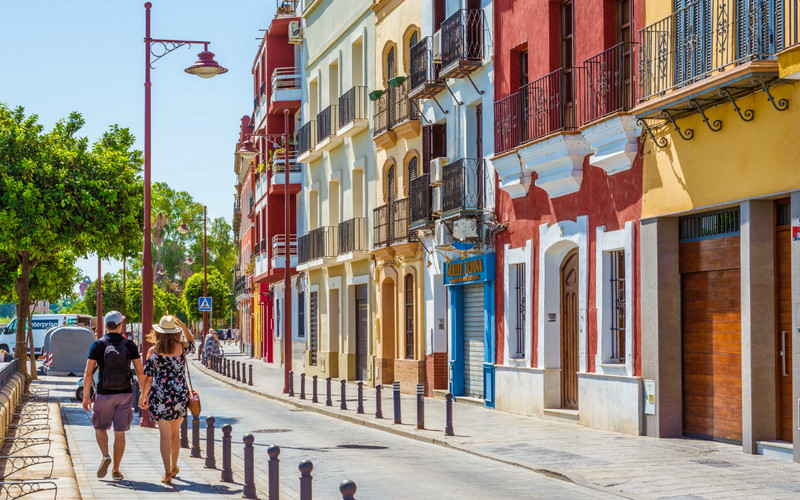
Down by the river, just past the bridge, sits Triana – a place humming with color and rhythm. Born from centuries of song and movement, its soul beats loudest in flamenco’s sharp claps and cries. Though close to Seville’s heart, it holds a spirit all its own. Houses painted like sunsets line narrow lanes where voices spill from doorways. Few corners of the city feel more truly lived–in.
Down by Calle Betis, the river slips past Seville’s skyline in golden light as day fades. Old stones hold up the Triana Market, where vendors trade fresh bread, olives, fish – life moves loud here every morning. Inside the old tile workshops turned museum, clay tells centuries through glaze and color at Centro Cerámica Triana. When night settles, voices rise in dark rooms, guitars pulse under heels – flamenco spills into alleys without warning. This place breathes like Seville’s wild heart, never still, always singing its own name.
Casa de Pilatos A Quiet Masterpiece
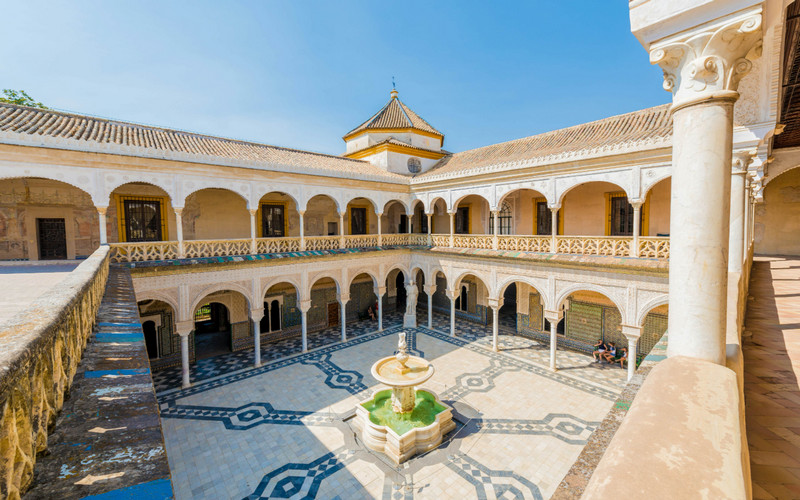
Hidden among Seville’s old streets, the Casa de Pilatos stands quiet, unlike the busy Alcázar nearby. From the 1500s, its walls mix Mudejar charm with sharp Gothic lines and soft Renaissance curves. Art lives in every corner, carved into wood, painted on tiles, shaped through time. Quiet courtyards breathe slowly under orange trees and tiled fountains. Few tourists find their way here, though it holds more grace than many know.
Step inside the courtyards, you step into quiet elegance meant for noble lives. Not just tiles but patterns that pull your eyes across floors and walls alike. Marble rises tall here, holding up archways carved with patient hands. Still home to some members of the Medinaceli line, so history breathes in every corridor. Few come around, which means time slows enough to see what most miss. This place hides in plain sight, yet speaks clearly to those who wander Seville looking beyond postcards.